
How South Korea went from poorer than Ghana to the world's 14th-largest economy
In 1960 South Korea's income per person was lower than Ghana's. One military dictator, Park Chung-hee, forced the country into steel, ships, and semiconductors in less than two decades.
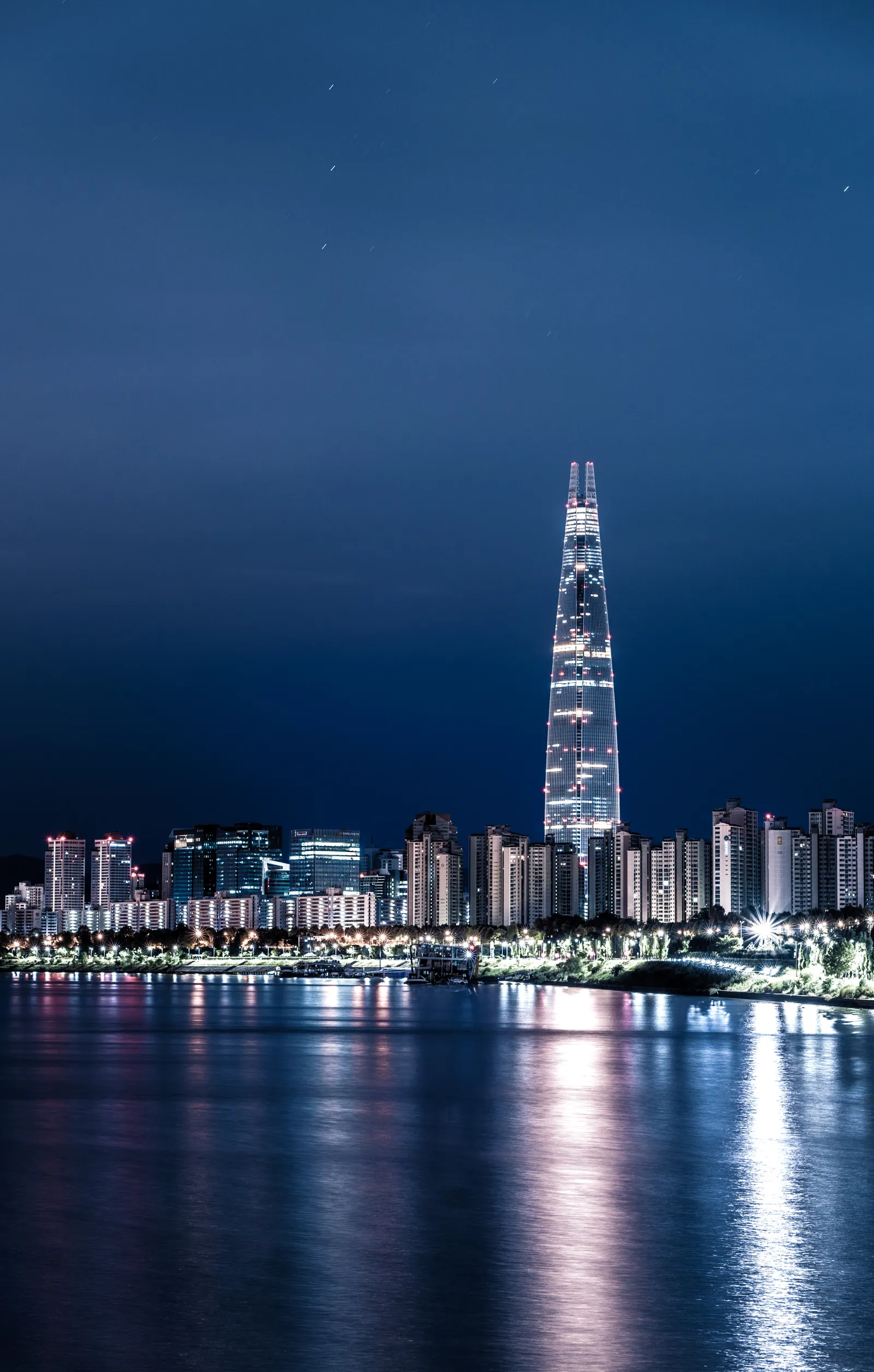
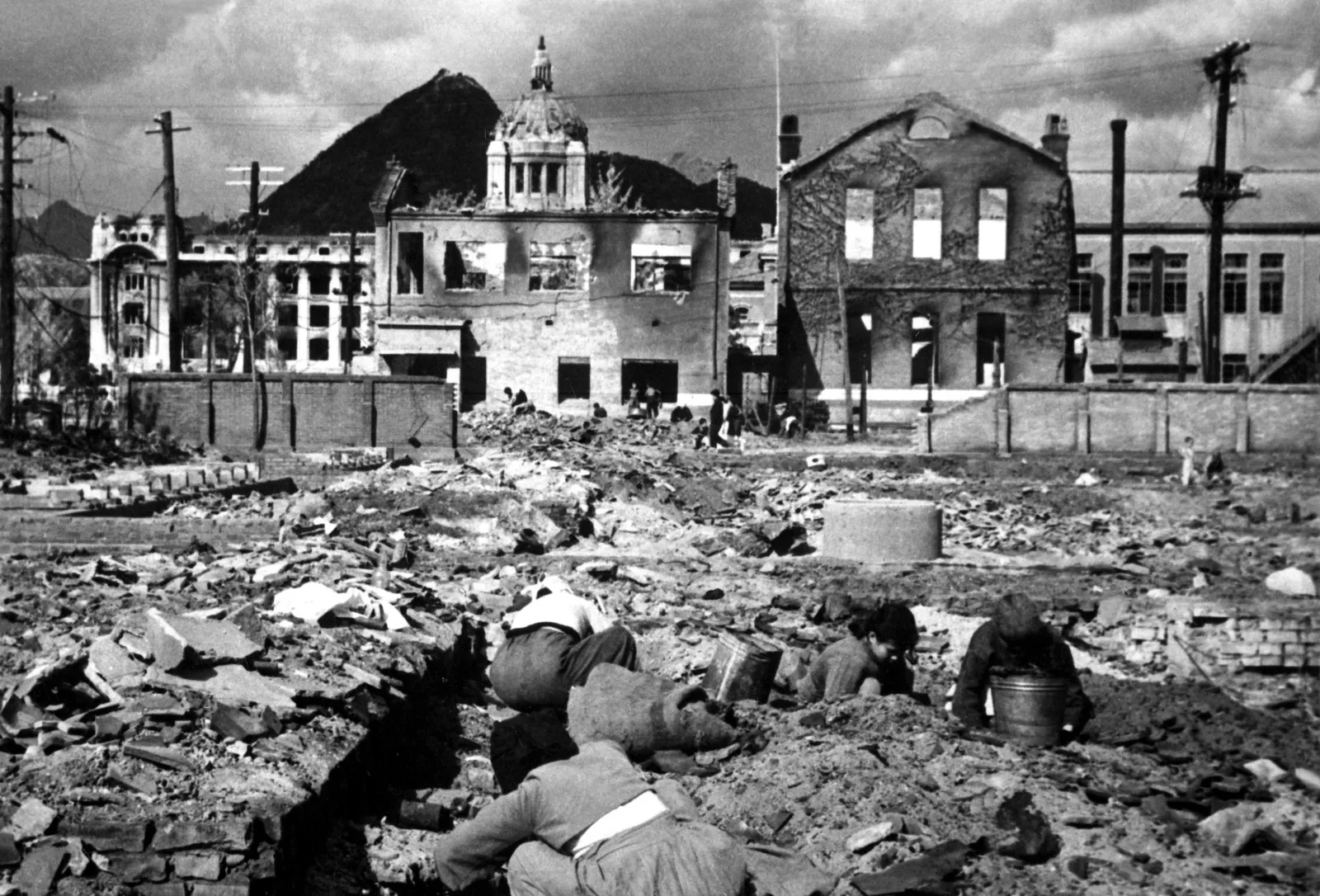
In 1960, South Korea's gross domestic product per person was about $79. Ghana's was higher. So was the Philippines'. So was most of Latin America's. The Korean War had ended only seven years earlier, and the country it left behind was missing roughly two-thirds of its industrial capacity. More than 70 percent of South Korea's imports were paid for by American aid. The government of Syngman Rhee, the country's first president, had spent most of the 1950s suppressing opponents and skimming foreign assistance. When students finally forced him out in 1960, the democratic government that replaced him lasted fourteen months before the military took over.
The officer who led that coup was a short, thin army general named Park Chung-hee. Over the next eighteen years he turned South Korea into an industrial economy by methods no democracy would have allowed. By the time he was shot dead at a private dinner in 1979, the country had a steel industry, a shipbuilding industry, and the beginnings of the electronics sector that would eventually produce Samsung and Hyundai. South Korea's income per person had risen roughly tenfold. The transformation is sometimes called the Miracle on the Han River. The miracle had an author, and the author was a dictator.
The poorest son in the poorest village
Park Chung-hee was born in 1917, the youngest of seven children in a farming family in Gumi, a village in the rural southeast of Korea. The family was poor even by the standards of a poor country under Japanese colonial rule. Park later wrote in his autobiography that "poverty was my teacher and benefactor." He was short and slight, quiet, and by most accounts an intense loner who read constantly and excelled in school.
He became a schoolteacher, then applied to a Japanese military academy in Manchukuo, the puppet state Japan had set up in northeastern China. He graduated near the top of his class, took the Japanese name Takagi Masao, and served as a lieutenant in the Japanese army fighting Chinese communist guerrillas. After Japan's surrender in 1945, he came home and joined the new South Korean military. He also, under the influence of an older brother, briefly joined a communist cell. When the group was exposed, Park was arrested and sentenced to death. He avoided execution by giving up the names of other members. The South Korean army kept him on, and he rose through the ranks during the Korean War.
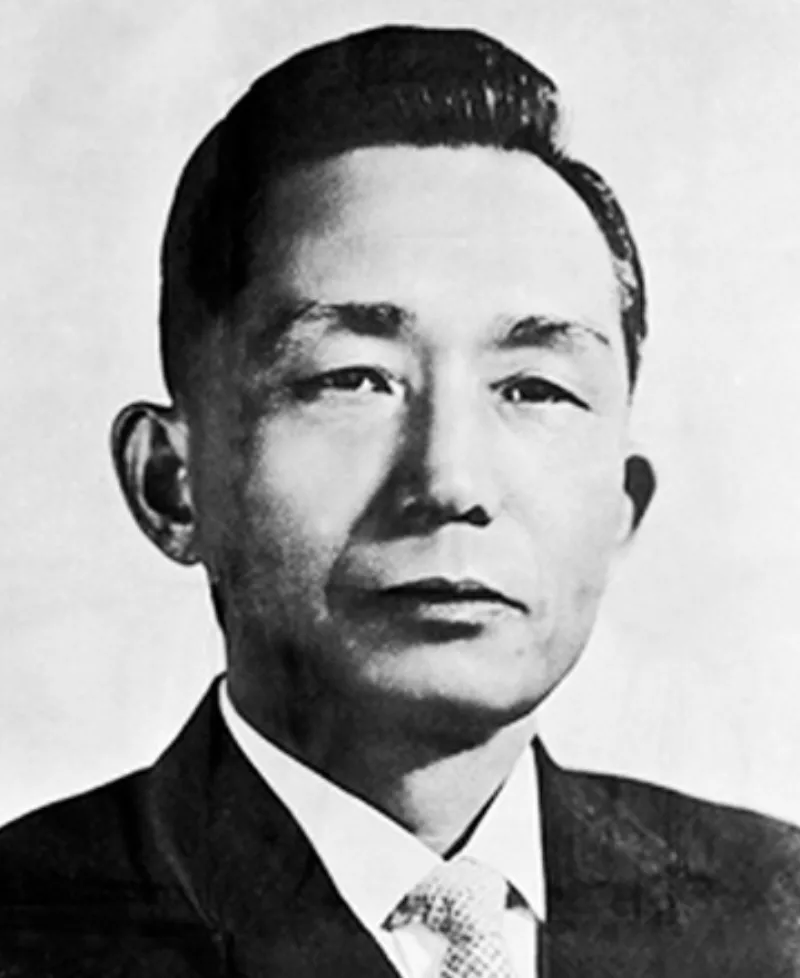
That biography matters because it explains the man. Park was not an ideologue. He had been a Japanese soldier, a communist sympathizer, and an anti-communist military officer all before turning forty. What stayed constant was a fixation on national strength and a belief that a poor, weak country needed discipline more than freedom. He carried rural poverty with him the way some leaders carry ideology: it defined what he thought the country needed.
Building an economy by command
On May 16, 1961, Park led a group of officers in a coup against the elected government. He ran the country through a military council for two years, then won a presidential election in 1963 under rules his own junta had written. From the start, he treated the economy the way a general treats a campaign.
His instrument was the Five-Year Plan, borrowed from the model of Japan and, further back, the Soviet Union. The first plan, covering 1962 to 1967, focused on light industry: textiles, plywood, wigs, shoes. These were things a poor country with cheap labor could make and sell abroad. Park's government picked the companies it wanted to lead each sector, gave them low-interest loans from state-controlled banks, protected them from foreign competition, and demanded that they meet export targets. Companies that hit their numbers got more loans. Companies that missed them were cut off or replaced.
The companies that grew under this system became the chaebols, the family-run conglomerates that still dominate the South Korean economy. Samsung, Hyundai, LG, and Daewoo all expanded in this period, not because the free market rewarded them but because the government selected them and gave them the resources to grow. In exchange, the chaebols did what they were told. Park held monthly export meetings where he personally reviewed the numbers.
The second Five-Year Plan, from 1967 to 1972, pushed into heavier industry. Park wanted steel, chemicals, and shipbuilding, the sectors that separated rich countries from poor ones. Western advisors, including the World Bank, told him South Korea lacked the capital, the technology, and the market to justify a steel industry. Park went ahead anyway.
Steel no one thought they could make, ships no one thought they could build
In 1968, the government created the Pohang Iron and Steel Company, known today as POSCO. Park appointed a retired general named Park Tae-joon to run it. When Western lenders refused to finance the project, Japan stepped in with $119 million in government loans and grants, plus technical help from Nippon Steel. The first blast furnace at Pohang fired in 1973. By the 1980s POSCO was one of the most efficient steelmakers in the world. Today it is among the largest.
The shipbuilding story is even more unlikely. Chung Ju-yung, the founder of Hyundai, was the son of a farming family who had run away from home multiple times as a boy before eventually building a construction company. In the early 1970s, Park's government told the chaebols to enter shipbuilding. Chung had no experience, no shipyard, and no ships. He flew to London and, according to company lore, persuaded a Greek shipping magnate named George Livanos to order two 260,000-ton oil tankers by showing him a picture of a sixteenth-century Korean turtle ship printed on a banknote and an empty stretch of beach at Ulsan where the shipyard did not yet exist. Livanos placed the order. Chung then built the shipyard and the two ships at the same time, completing both in twenty-seven months. South Korea is now the world's largest shipbuilder.
Samsung's path followed the same logic. The government pushed the chaebols to enter electronics and semiconductors in the late 1970s and early 1980s. Samsung, originally a trading company that sold dried fish and noodles, built its first semiconductor plant in 1983. The company lost money on chips for years. The government kept the loans flowing. By the 1990s Samsung was one of the world's largest chipmakers. Today it is the biggest.
The cost of the miracle
None of this was gentle. Park's economic growth depended on cheap labor, and cheap labor depended on keeping workers from organizing. Unions were suppressed. Strikes were broken by police. In the garment sweatshops of Seoul's Peace Market, teenage girls worked fifteen- and sixteen-hour days in unventilated rooms. On November 13, 1970, a twenty-two-year-old garment worker named Chun Tae-il set himself on fire in the market to protest working conditions. His last words were reported as "We are not machines." His death became a founding moment of the South Korean labor movement, but conditions in the factories did not change for years.
Park grew more authoritarian as the 1970s went on. In 1972 he declared martial law and rewrote the constitution under a system called Yushin, which gave him the power to appoint a third of the National Assembly and to be re-elected without limit. Political opponents were arrested, censored, or worse. In 1974, a North Korean sympathizer tried to assassinate Park during a speech at the National Theatre. The bullet missed Park but hit his wife, Yuk Young-soo, who died that afternoon. Park finished his speech before he was told.
Five years later, on the evening of October 26, 1979, Park was at dinner at a Korean Central Intelligence Agency safe house near the presidential residence. His dinner companions included the KCIA director, Kim Jae-gyu, and his chief bodyguard, Cha Ji-chul. Over the meal, an argument broke out about how to handle a growing wave of protests. Kim pulled a pistol and shot Park, then shot the bodyguard. Park died at the scene. He had ruled South Korea for eighteen years.
What the dictator left behind
Park's assassination did not end military rule. General Chun Doo-hwan seized power weeks later. In May 1980 his troops killed hundreds of protesters in the city of Gwangju. South Korea did not hold a genuinely free presidential election until 1987, eight years after Park's death. But the economic machine Park built kept running. Growth rates stayed high through the 1980s and into the 1990s. When the Asian financial crisis hit in 1997 and South Korea had to accept a $57 billion IMF bailout, the economy recovered within two years.
Park's own family carried the contradiction forward. His daughter, Park Geun-hye, was elected president in 2012 and impeached in 2017 over a corruption scandal involving the same chaebols her father had created.
The question that still divides South Korea is whether the dictatorship was necessary for the development. Park's defenders say no democracy could have forced a country that poor to save, invest, and export at the pace he demanded. His critics say the same growth happened in Taiwan under less repression, and that the price in lives and freedom was not Park's to set. Both sides have a case.
What is not in question is the scale of what happened. A country where women searched rubble for fuel in 1950 now builds the world's most advanced memory chips, the world's largest ships, and more cars than France. South Korea's GDP per person passed $37,000 in 2026. In a single lifetime, it went from receiving foreign aid to giving it. Park Chung-hee did not do all of that. But he built the machine that did, and the machine outlasted him.