
Why BRICS Still Isn't a Real Bloc
In May 2026, BRICS foreign ministers could not agree on a joint statement about a war involving one of their own members. It was never built to be one.
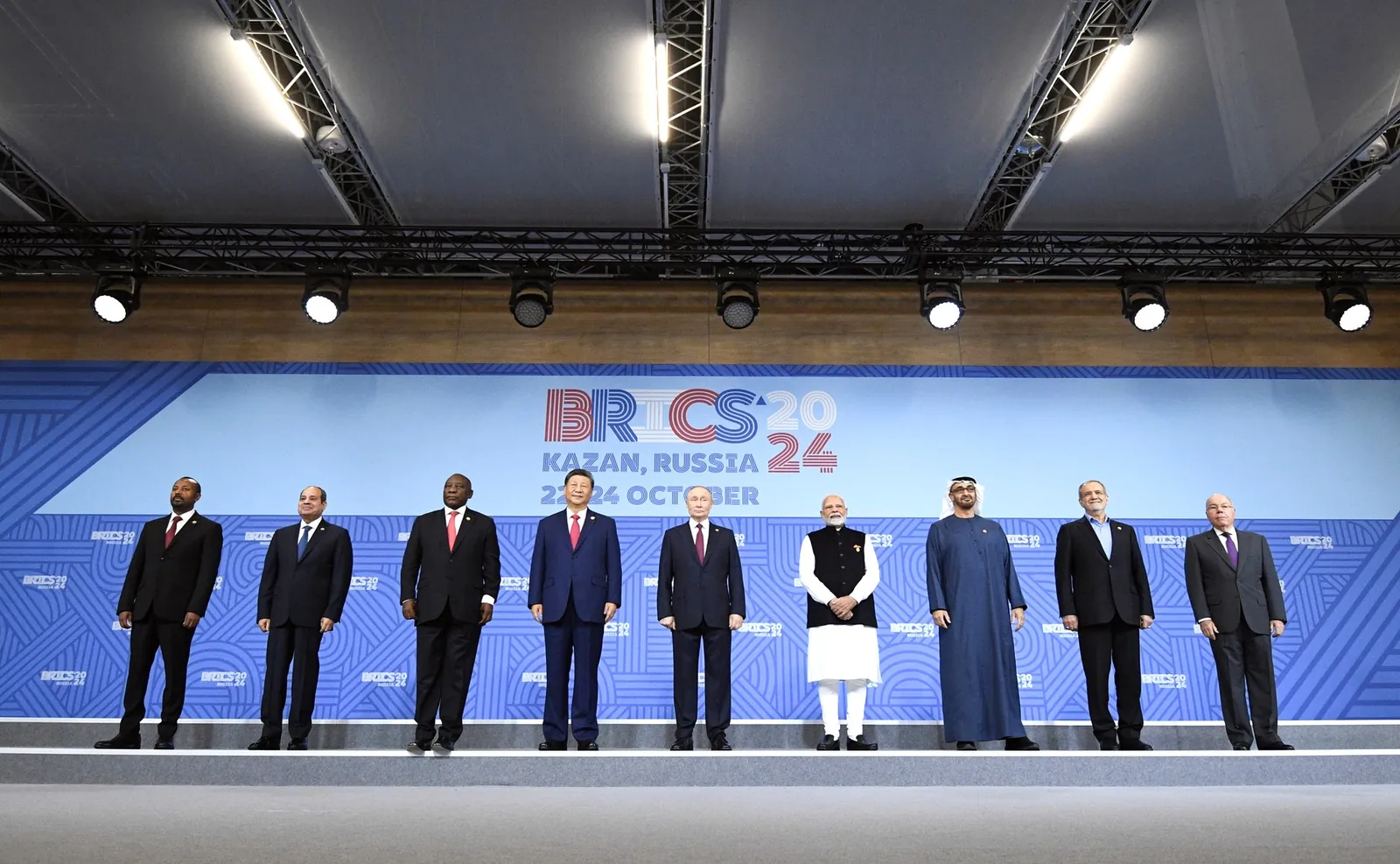
On May 15, 2026, India's foreign minister, Subrahmanyam Jaishankar, closed a BRICS foreign ministers' meeting in New Delhi without the one thing every previous meeting had produced: a joint statement. The reason was sitting in the room. Iran's foreign minister, Abbas Araghchi, accused the United Arab Emirates of being "directly involved in the aggression against my country," after weeks of Iranian missile and drone strikes on Emirati territory. The UAE's minister of state, Khalifa Shaheen Al Marar, rejected the charge and called Iran's strikes "unjustified attacks" on civilian infrastructure. Russia's foreign minister, Sergey Lavrov, sat between two partners with nothing left to agree on, and India issued a bland "Chair's Statement" instead of a declaration. India was not exactly neutral either: the day after, Modi flew to Abu Dhabi and told the UAE's president he had "reiterated our strongest condemnation of the attacks on the UAE," naming an aggressor less than a day after the chair he ran could not.
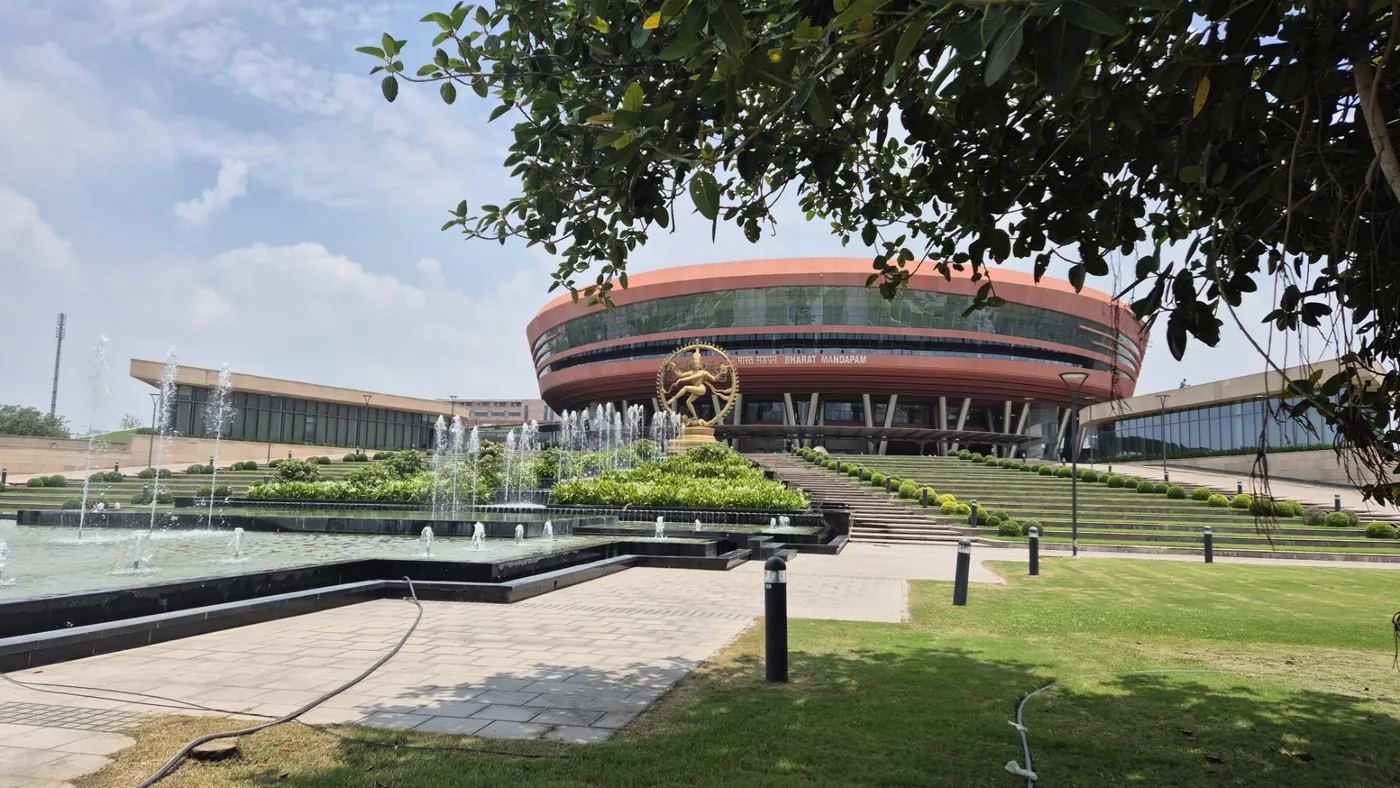
BRICS gets described constantly as the emerging counterweight to the US-led world order, a group that speaks for 45 percent of humanity and, by one measure, about 40 percent of global economic output. But a bloc whose own foreign ministers cannot agree on one sentence about a war involving one of their own members is not really a bloc. It is a meeting.
How BRICS got its name
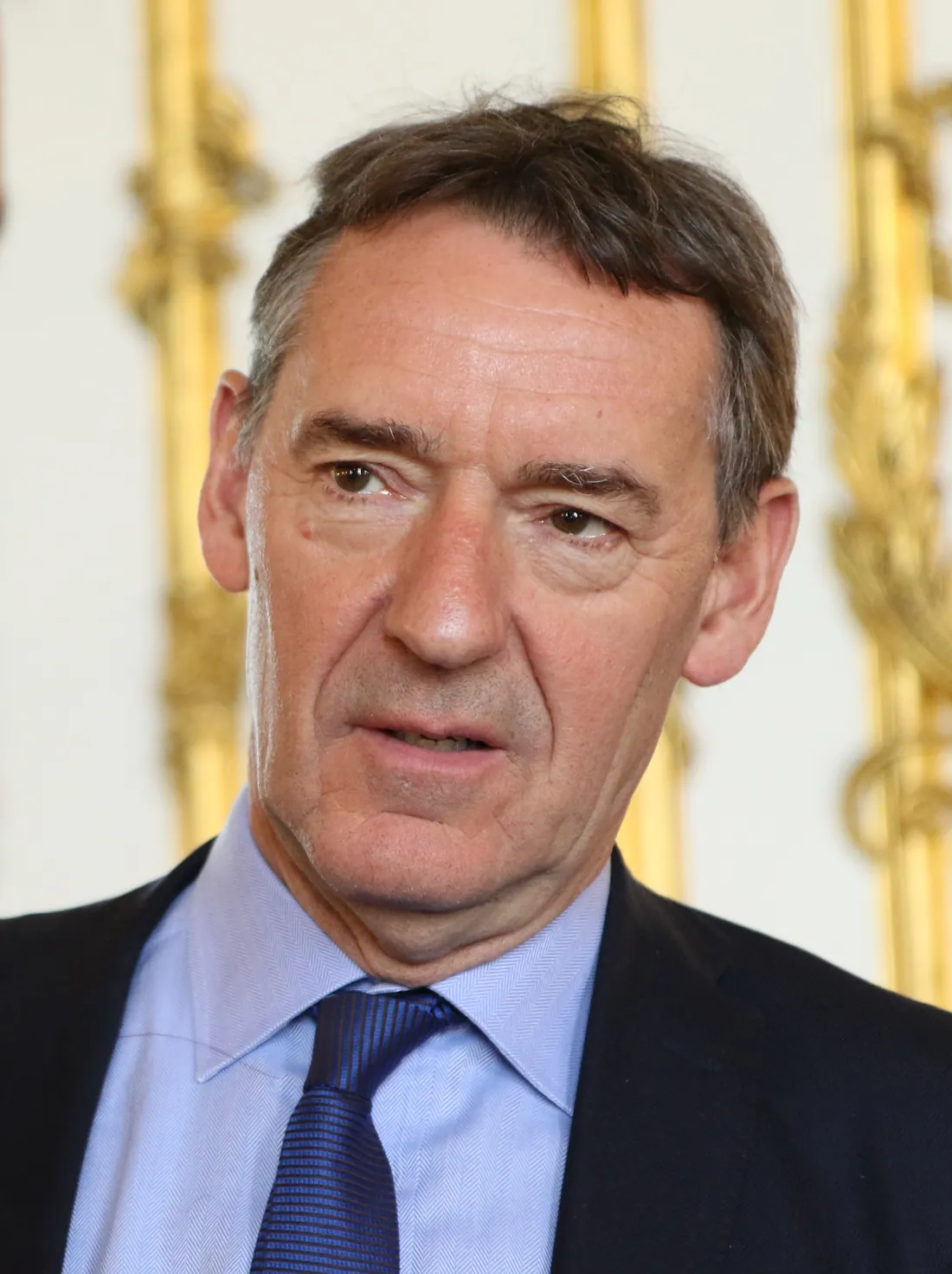
BRICS did not start as a political project. In 2001, a Goldman Sachs economist named Jim O'Neill published a research paper arguing that Brazil, Russia, India, and China would soon drive a growing share of global growth, and that investors should think of them as a group. O'Neill was writing an investment thesis, not a foreign policy blueprint: he wanted fund managers to buy stocks in these four economies, not their governments to hold summits together. The countries ran with the acronym anyway. Their foreign ministers first met on the sidelines of the UN General Assembly in 2006, the leaders held their first summit in Yekaterinburg, Russia, in 2009, and South Africa joined a year later, turning BRIC into BRICS.
What never got built is the part that makes an alliance an alliance. NATO exists because of a signed treaty whose Article 5 commits every member to treat an attack on one as an attack on all, backed by an integrated command structure and decades of joint military planning. BRICS has none of that: no founding treaty, no secretariat with power to decide anything, no joint military planning, and nothing that binds a member to act against its own interests. Every summit ends in a joint declaration, and every declaration is a wish list, not an obligation. O'Neill, who later served as a UK Treasury minister overseeing the same emerging economies he had once bundled together for stock pickers, said as much himself in 2024: the grouping, he wrote, "serves no real purpose beyond generating symbolic gestures and lofty rhetoric."
The border dispute between BRICS's two biggest members
The clearest fracture inside BRICS runs between its two founding giants, and it has nothing to do with currency policy. India and China have spent most of the last two decades in a territorial dispute along their shared Himalayan border, and it has turned deadly. In June 2020, their soldiers fought hand to hand with clubs and rocks in the Galwan Valley, leaving twenty dead. A disengagement deal in October 2024 has not fully held, with patrols still facing off along the border as recently as August 2026.
None of that stopped Narendra Modi and Xi Jinping from sitting down together at the 2024 Kazan summit for their first bilateral meeting in five years. That is what BRICS is useful for: a room where rivals who do not trust each other enough for normal diplomacy can meet without it looking like a concession. It is not evidence they have become allies. India also belongs to the Quad, a security dialogue with the United States, Japan, and Australia built to balance Chinese power in Asia, meaning one BRICS founder spends part of its foreign policy organizing against another.
The war that tested the bloc
BRICS faced its sharpest test on February 28, 2026, when the United States and Israel struck Iran, a full BRICS member since January 2024. A real alliance responds when one of its own is attacked; NATO's treaty exists for exactly that moment. What Iran got from its fellow BRICS members was rhetoric, plus a windfall for someone else's treasury.
Russia's foreign ministry condemned the strikes as "premeditated and unprovoked acts of armed aggression against a sovereign and independent UN member state" and shared satellite intelligence with Tehran, but sent no troops, no aircraft, and no air-defense systems beyond what it had already delivered before the war. It also profited: the fighting spiked oil prices, and by late March, Russian oil and gas revenue had reportedly reached about $760 million a day, roughly double its prewar pace. China's foreign ministry likewise "condemns the unilateral military actions of the United States and Israel... against the Islamic Republic of Iran," then moved within ten days to a mediator's role instead. By March 20, Xi Jinping had personally told President Trump, "China will not provide military equipment to Iran," and separately agreed with Washington that the Strait of Hormuz, the waterway Iran was using its own war to threaten, needed to stay open. Iran absorbed the costs of that war alone. Russia got richer from it, and China spent it positioning itself as a mediator rather than an ally.
No shared money, no shared vote, no shared system
BRICS cannot even close its own membership list. Saudi Arabia accepted an invitation to join at the 2023 Johannesburg summit, and three years later it still has not formally completed accession, describing itself as still "assessing" the decision. Riyadh's own officials say the holdup has nothing to do with economics: fully joining risks its relationship with Washington, the country that guarantees its security.
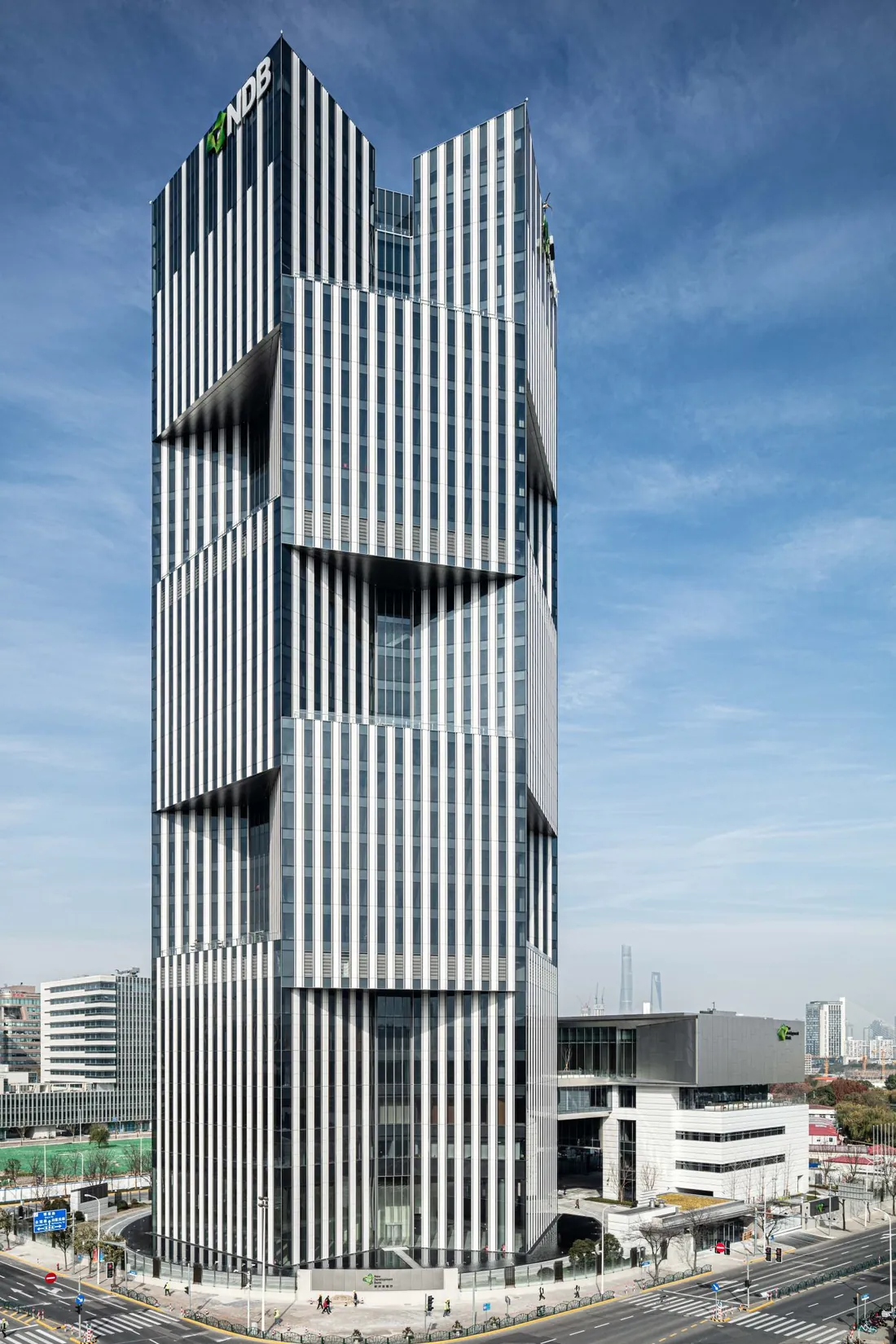
The one institution BRICS actually built confirms the same point on a smaller scale. The New Development Bank opened in Shanghai in 2015, now run by former Brazilian president Dilma Rousseff, and in more than a decade it has lent about $39 billion across 120 projects. The World Bank alone committed $118.5 billion in 2025, in a single year. BRICS's flagship financial institution is a minor lender wearing a much bigger one's ambitions.
What is missing underneath all of this is any shared political system to bind the group the way NATO's members are bound by being democracies, or the way the Warsaw Pact's members were bound by communism. BRICS runs a one-party state, the world's largest democracy, a Gulf monarchy, and a Shia theocracy through the same summit process, deciding everything by consensus, which means any single government can block anything it dislikes. A group that agrees on almost nothing except that it resents being told what to do by Washington was never going to produce much more than that.
What BRICS is actually good for
India hosts the next BRICS summit in New Delhi on September 12 and 13, 2026. It will be Xi Jinping's first visit to India since 2019. Vladimir Putin and Iran's president, Masoud Pezeshkian, are both expected. The same Iran-UAE rift that wrecked the May meeting has not gone away, and India will again have to find language vague enough to paper over it.
That vagueness is the whole point. BRICS was never built to act like NATO, with a treaty committing members to fight for each other, or like the European Union, which pools sovereignty over trade and law. It is a room where countries mostly shut out of the institutions built after 1945 can meet once a year and agree on the narrow things they do share: that the old order under-represents them, and that a development bank or a payment workaround is worth building on the side. Everything else, including whether India trusts China or whether Iran and the UAE trust each other at all, gets negotiated bilaterally, war by war, border clash by border clash, exactly as it would if BRICS did not exist.
Test what you learned
6 questions on this article. About two minutes, no signup.