Why is the yen carry trade unwinding again?
Japan and the US just made their first joint currency intervention since 2011 to defend the yen. Why the carry trade keeps unwinding into market chaos.

On August 5, 2024, Japan's stock market had its worst day since 1987. The Nikkei 225 fell 12.4 percent in a single session, and the reason had almost nothing to do with Japan's economy. In the three weeks before that day, the dollar had fallen from 161 yen to 141.70 yen. It was one of the sharpest currency moves in decades, and it forced traders out of a bet worth hundreds of billions of dollars.
That bet is called the yen carry trade. It is one of the largest and least visible forces in global finance, and in September 2026 it is unwinding again. This time the US Treasury Secretary is publicly pushing Japan's central bank to make it happen faster.
What the yen carry trade actually is
For most of the last three decades, Japan's interest rates sat at or near zero. That made the yen the cheapest major currency in the world to borrow. An investor could take out a loan in yen, pay almost nothing in interest, convert the money into dollars, and buy something that paid a real return: US Treasury bonds, US stocks, or a higher-yielding currency like the Mexican peso. The investor keeps the difference between what the yen loan costs and what the dollar investment pays. That difference is called the carry, and the strategy is the carry trade.
Banks and hedge funds run this trade with borrowed money, often ten or twenty times the size of their own cash, which multiplies the profit and the risk together. Japanese retail investors run a smaller version of the same trade, and traders have a nickname for them: Mrs. Watanabe, after one of the most common surnames in Japan. It is not a real person. It is shorthand for the ordinary Japanese saver borrowing cheap yen to chase a better return abroad, a habit that grew out of Japan's tradition of wives managing the household's money.
The trade only works as long as two things hold: Japan's interest rate stays low, and the yen stays weak or steady. When either one moves fast, the trade turns from reliable income into a forced, painful exit.
The August 2024 unwind
Japan held its interest rate near zero, and for several years below zero, through most of the 2010s. The country was still digging out from a property and stock market crash in 1990 that left decades of weak growth and falling prices behind it. The rest of the world did not stand still. When inflation surged after the pandemic, the US Federal Reserve raised its own rate above 5 percent, and the gap between Japanese and American interest rates became the widest it had been in decades. Borrowing in yen to buy US Treasury bonds turned into one of the most reliable trades in finance, and money poured in from hedge funds, banks, and retail traders around the world.
In March 2024 the Bank of Japan ended eight years of negative interest rates, its first hike in 17 years. On July 31, it raised its rate again, to 0.25 percent. Two days later, a weak US jobs report showed employers had added only 114,000 jobs in July, far below the 175,000 economists expected. That raised the odds that the Federal Reserve would soon start cutting rates. Both events pointed the same way: the gap that funded the carry trade was about to shrink.
Traders who had borrowed yen rushed to close their positions, which meant buying yen back and selling the dollar assets they had bought with it. That buying pushed the yen higher, which forced more traders to close their positions at a loss, which pushed the yen higher still. In three weeks, the dollar fell from 161 yen, its highest level since 1986, to 141.70 yen. On August 5, the Nikkei 225 fell 12.4 percent, its worst day since the Black Monday crash of 1987, and the S&P 500 fell 3 percent the same day as the panic reached Wall Street. Within two weeks the panic passed, and the carry trade started rebuilding almost immediately. It never really went away.
Why it is unwinding again in 2026
The Bank of Japan kept raising rates through 2025 and 2026, from near zero up to 1 percent by June, the highest level since 1995. That closed part of the gap that funds the carry trade, but the Federal Reserve's rate stayed near 3.5 to 3.75 percent, so the gap was still wide enough to keep the trade profitable. Morgan Stanley estimated roughly 500 billion dollars in yen carry positions were still open in 2026.
The yen kept weakening anyway, because currency traders bet on where rates are going, not just where they are, and many expected the Fed to cut before the Bank of Japan closed the gap. By late June 2026 the dollar had climbed past 162 yen, its weakest level since December 1986, the same mark it had touched right before the 2024 crash. Japan tried to defend the currency alone that spring, and failed.
In August, Japan and the US stepped in together, buying yen directly, about 85 billion dollars over two days. It was the first time the two countries had intervened together since 2011, when they acted to calm markets after Japan's earthquake and tsunami. The yen jumped 1.4 percent on the news, and Tokyo said it would act again if needed.
Why the US wants Japan to raise rates
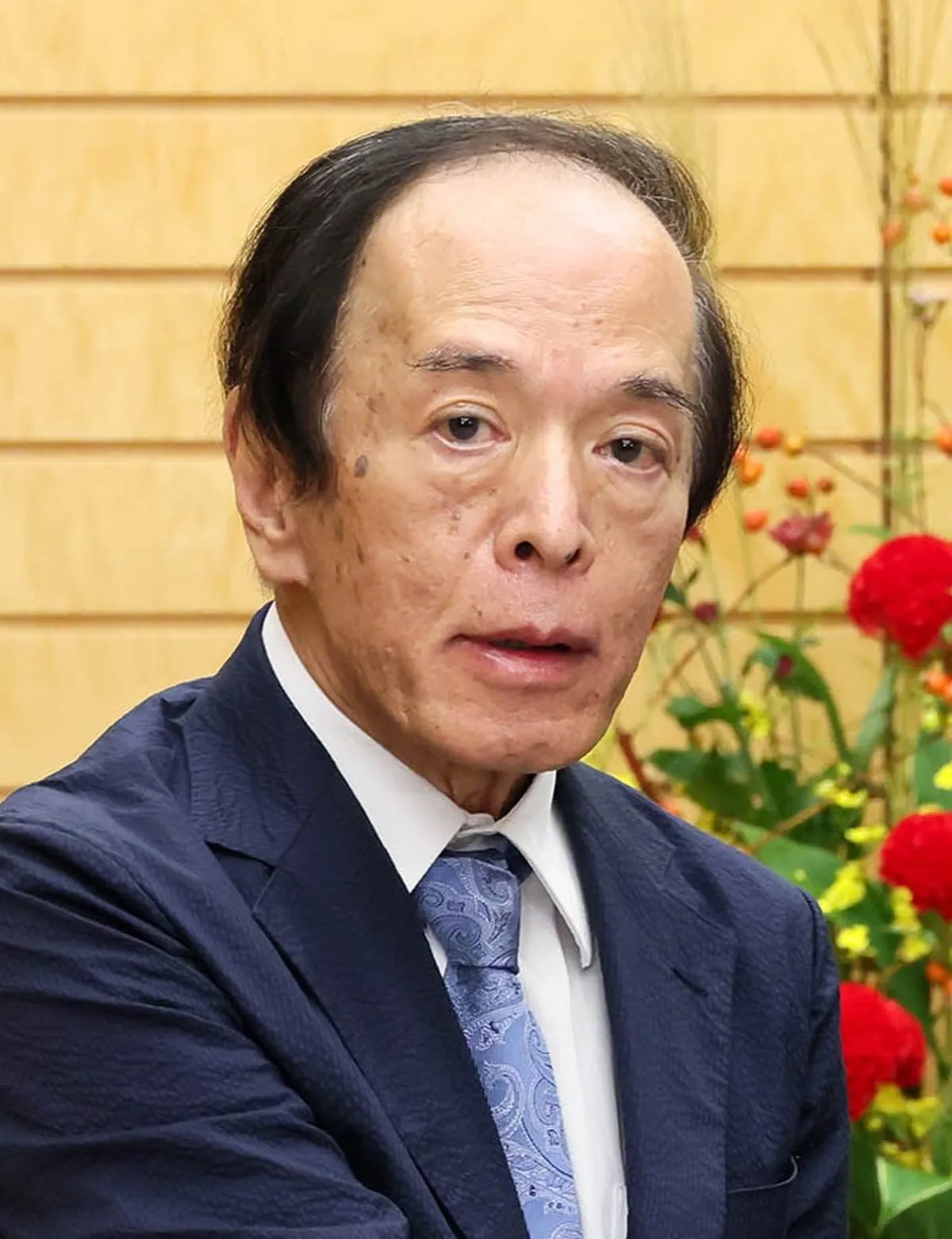
The strangest part of the 2026 story is who is pushing hardest for the Bank of Japan to act: the United States. On September 1, Treasury Secretary Scott Bessent met the Bank of Japan's governor, Kazuo Ueda, at a G20 meeting in North Carolina and called for "decisive" monetary steps to fix the weak yen. His comments helped convince traders that a rate hike was coming at the Bank of Japan's next meeting, on September 17 and 18. By early September, markets were pricing that hike as close to certain.
That is not the position Washington usually takes. A weak yen has quietly worked in America's favor for years. It fed cheap, yen-borrowed money into US Treasury bonds and the stock market. Bessent's worry is what happens if the yen keeps falling and Japan keeps having to defend it. Japan is the largest foreign holder of US government debt. Every dollar Japan spends buying yen in an emergency is a dollar it is not holding in Treasury bonds. A rushed sale of Japanese-held Treasuries would push up US borrowing costs at a moment when the US bond market is already under strain. Bessent's calculation is that it is better for the Bank of Japan to raise rates on its own timetable and let the yen strengthen gradually. The alternative is letting the pressure build until Japan is forced to sell Treasuries and the carry trade unwinds all at once, the way it did in August 2024.
What happens at the next Bank of Japan meeting
By the first week of September 2026, traders were already closing yen-funded positions ahead of the September 17-18 decision, and the yen had climbed to a one-month high against the dollar. That is a small, controlled version of the same unwind that crashed markets in 2024, happening slowly instead of all at once.
Whether it stays controlled depends on how fast the Bank of Japan moves and how much of the trade is left to close. The pattern is familiar by now: Japan holds rates near zero for years while the rest of the world does not, and every Bank of Japan meeting becomes a test of how much borrowed money can come home without breaking something on the way. Nothing about the trade itself has changed since 2024. What has changed is how many people, from Tokyo to Washington, are watching Japan's central bank to find out.
Test what you learned
6 questions on this article. About two minutes, no signup.
Orbis teaches the history behind the news
Orbis covers the mechanics of global money lesson by lesson, from the 1985 Plaza Accord to the 2024 yen carry trade unwind.