
Comfort Women
Comfort women were women and girls forced into sexual slavery by the Imperial Japanese Army before and during World War II.
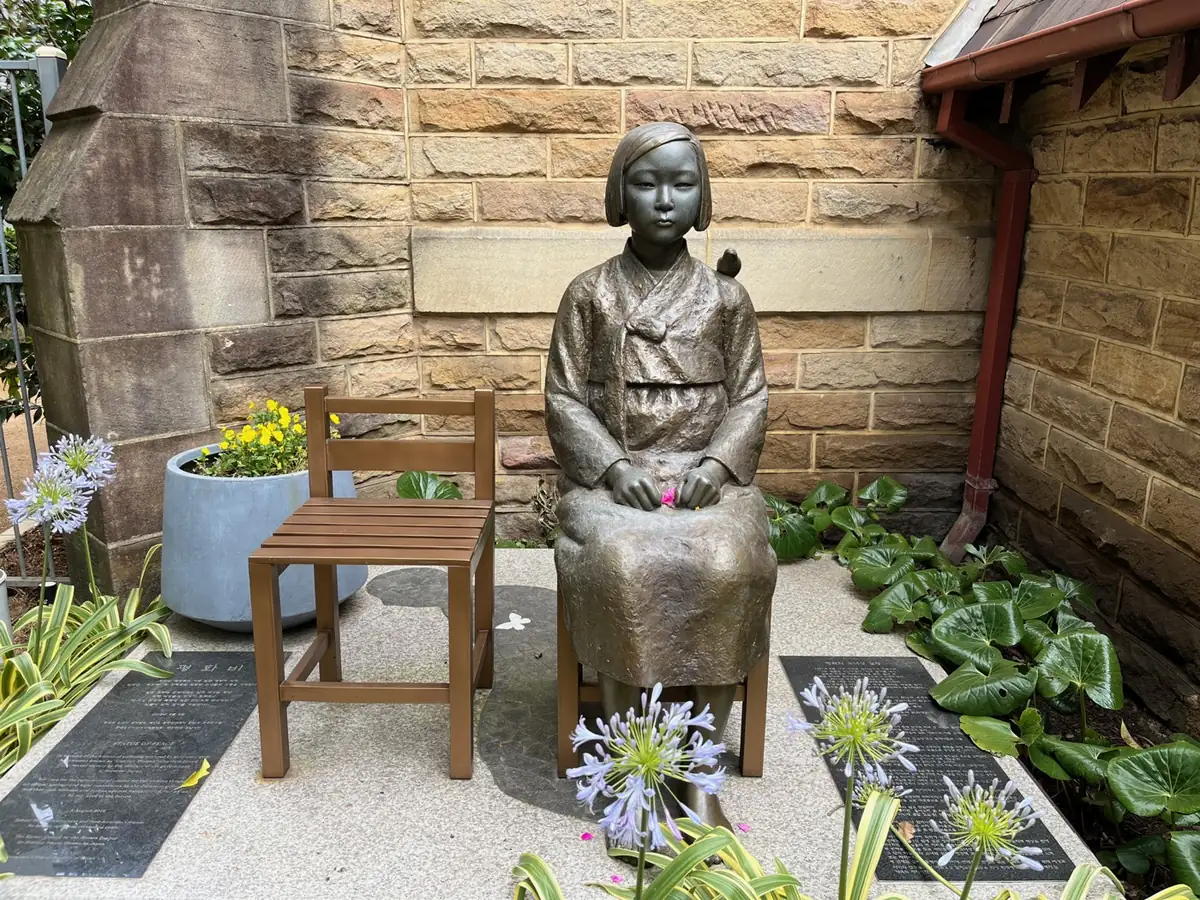
"Comfort women" is the term for women and girls who were forced into sexual slavery by the Imperial Japanese Army between 1932 and 1945. The name is an English translation of the Japanese euphemism ianfu. By many estimates, the Japanese military held as many as 200,000 women in brothels across Asia. Most were Korean. Korea had been a Japanese colony since 1910, and recruiters targeted young Korean women with false promises of work in factories or hospitals. Others came from China, Taiwan, the Philippines, and the occupied Dutch East Indies. A large number were in their teens. It was among the largest systems of organized sexual slavery run by any government in the twentieth century. After the war, Japan destroyed records of the system, and survivors were silenced by social shame. The subject did not draw wide public attention until 1991, when a Korean survivor gave the first open testimony.
How the comfort women system operated
The first comfort stations opened in Shanghai in 1932, after Japanese soldiers committed mass rapes of Chinese women during the Shanghai Incident. A senior officer, Yasuji Okamura, arranged the army's first stations. The military's official justification was that organized brothels would reduce rape, curb venereal disease, and maintain order among the troops. As Japan's army advanced across China and Southeast Asia through the 1930s and into World War II, the network of stations expanded with it.
Recruiters deceived women by advertising jobs in factories or hospitals. Some were simply abducted. Once inside, the military assigned the women Japanese names, confined them, and forced them to serve soldiers daily. Many did not survive.
After Japan surrendered in 1945, the military burned its records of the system, and the stations closed. Japan became a close Western ally after the war, and governments on all sides preferred to leave the subject behind. In the societies survivors returned to, public stigma fell on the women themselves, not on their captors. Most survivors told no one what had happened, in some cases not even their families. Nearly fifty years of silence followed.
How comfort women survivors broke their silence
The public silence ended in August 1991. Kim Hak-sun, a Korean survivor, came forward on August 14 to testify publicly about what she had experienced. Kim had been taken to a comfort station in China when she was seventeen. She was the first former comfort woman to identify herself openly. "I am almost 70 years old, and I am not afraid of anything," she said. "I will say what I have to say." In December 1991, she filed a class-action lawsuit against the Japanese government.
Other survivors came forward after her. On January 8, 1992, survivors and activists began holding weekly protests in front of Japan's embassy in Seoul, ahead of a visit by Japan's prime minister. The protests, called the Wednesday Demonstrations, have continued almost every week since. They are one of the longest-running demonstrations in the world.
Has Japan apologized for comfort women?
Japan has made several official statements about the comfort women system, but none has fully settled the question for survivors. The most significant is the 1993 Kono Statement, issued by Chief Cabinet Secretary Yohei Kono. Kono acknowledged that the Japanese military had been "directly or indirectly involved" in running the comfort stations and moving the women to them. He offered "sincere apologies and remorse."
In 2015, Japan and South Korea reached an agreement intended to resolve the issue "finally and irreversibly." Japan contributed one billion yen, about $8.3 million, to a fund for survivors. But many survivors rejected the agreement. Critics in South Korea said it had been negotiated between the two governments without input from the victims themselves. By 2019, the agreement had been effectively abandoned.
What survivors have consistently asked for is not money but a full, unambiguous, official admission that the state forced women into sexual slavery, one that would place the history beyond dispute rather than leave it as an ongoing diplomatic argument.
Comfort women memorials and survivors today
Statues called the Statue of Peace have been installed across from Japan's embassy in Seoul and in dozens of other cities worldwide. The Seoul statue, also known as Sonyeosang, depicts a seated young girl wearing a Korean hanbok, with her fists clenched in her lap and a small bird on her shoulder. An empty bronze chair stands beside her.
Of the 240 Korean women who officially registered as survivors with the South Korean government, only five were still alive as of March 2026. Survivors from China, the Philippines, Indonesia, and the Netherlands have also died in large numbers. South Korea designated August 14, the anniversary of Kim Hak-sun's testimony, as a national memorial day for comfort women.
The comfort women issue remains unresolved between Japan and South Korea. Survivors and their advocates continue to call for a clear, official acknowledgment from the Japanese government that the women were coerced into sexual slavery by the state.