
Disputed territory · East Asia
Kuril Islands
Frozen: no talks since 2022Updated October 12, 2026
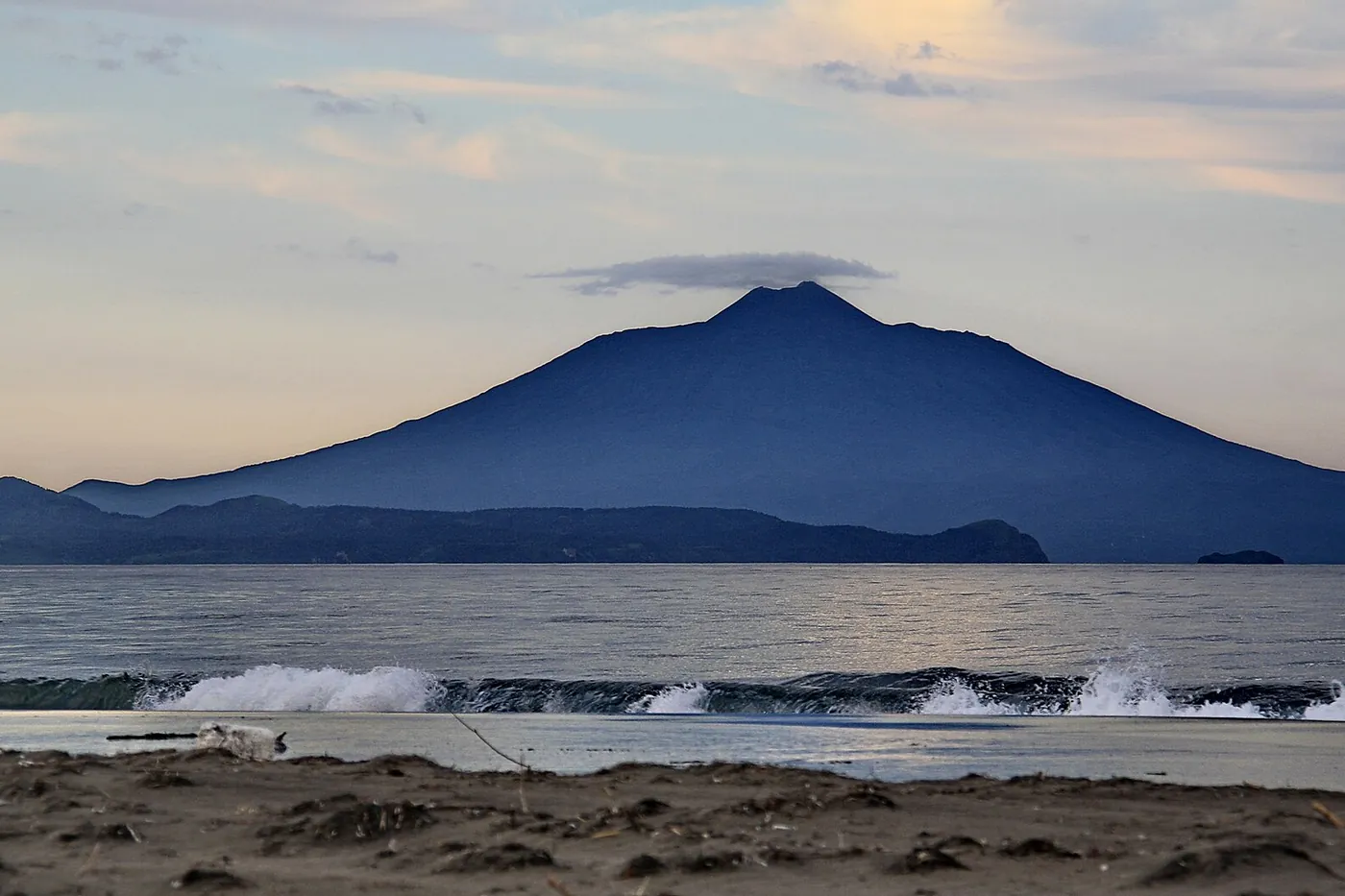
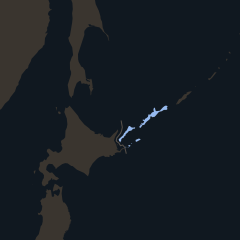
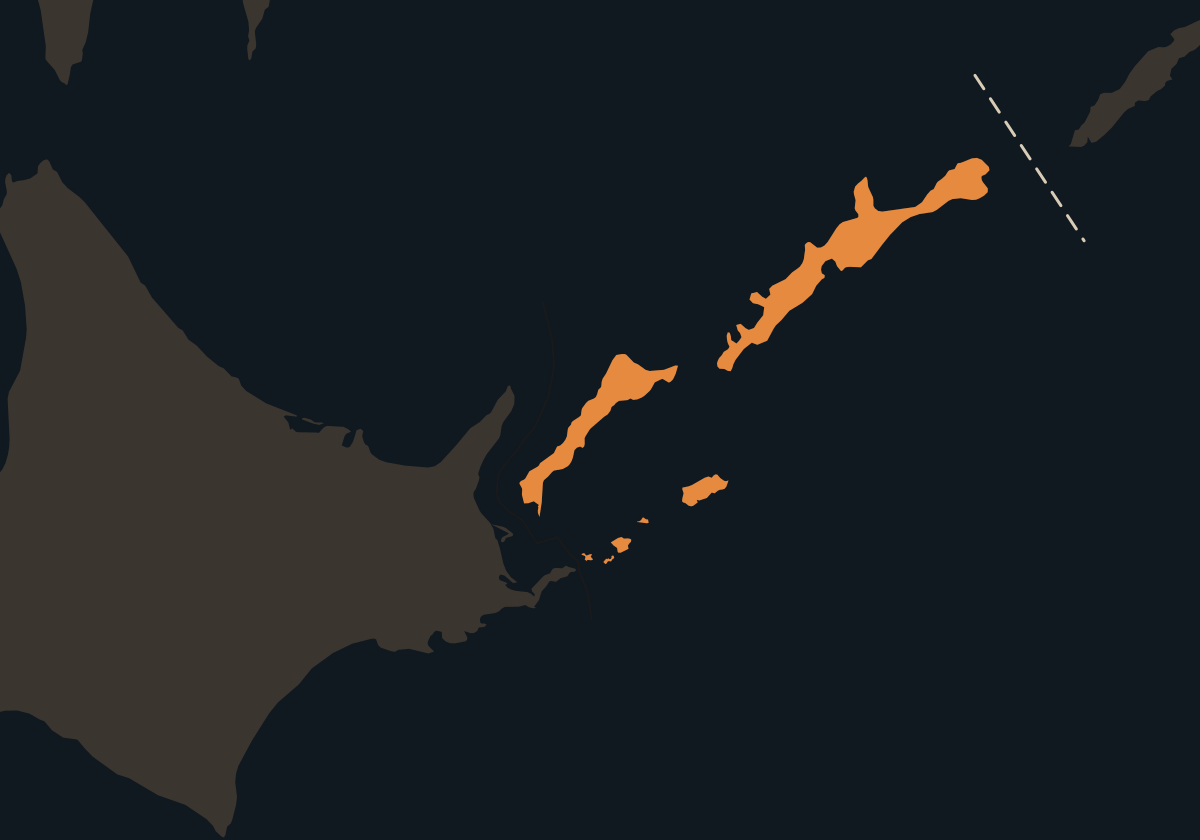
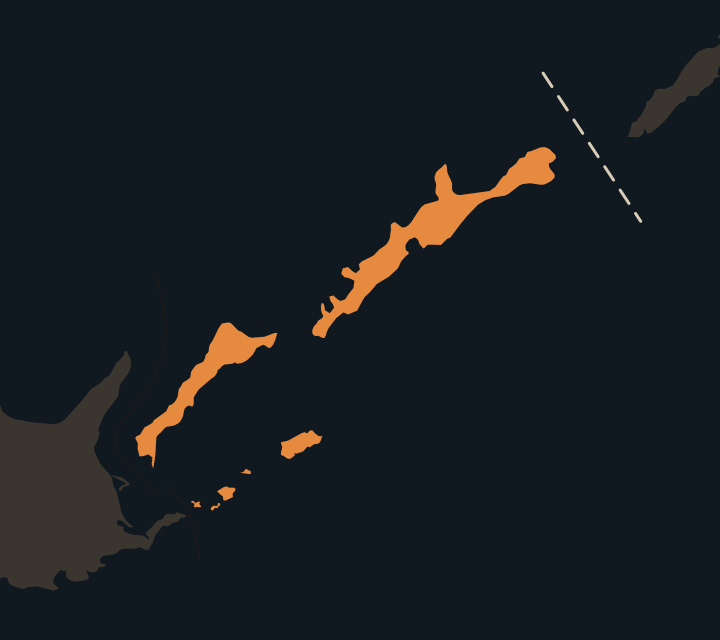
Russia holds the four southernmost Kuril Islands, off the northeast tip of Japan's Hokkaido, and Japan claims them as its Northern Territories. Soviet troops seized the islands in August and September 1945, after Japan announced its surrender. Of the 17,291 Japanese who lived there, those who had not fled were deported to Japan in 1947-49. Because of the dispute, Japan and Russia have never signed a peace treaty. Russia ended talks in March 2022 after Japan joined sanctions over Russia's invasion of Ukraine. Vladimir Putin's first visit to the islands, in August 2026, drew a protest from Japan.
- Held by Russia since
- 1945
- seized in August and September 1945
- Area
- 5,003 km²
- the four islands, by Japan's 2023 survey
- People
- About 18,600
- Russians in 2025 (17,291 Japanese in 1945)
- Closest point
- 3.7 km
- from Hokkaido to the nearest islet
 Russia
 Japan
JapanKuril Islands in 30 seconds
- Russia holds the whole Kuril chain between Hokkaido and Kamchatka. Japan claims the four southern islands: Etorofu (Iturup), Kunashiri (Kunashir), Shikotan and the Habomai islets.
- The Soviet Union took the islands in August and September 1945, after Japan announced its surrender. 17,291 Japanese lived there. Soviet authorities deported those who had stayed to Japan in 1947-49.
- In 1956 the Soviet Union agreed to hand over Shikotan and the Habomai islets after a peace treaty. Japan wanted all four, and no treaty has been signed.
- Russia ended talks in 2022. It has kept missiles on the islands since 2016 and fighter jets since 2018. Putin's first visit, in August 2026, drew a formal protest from Japan.
Who owns the Kuril Islands?
Russia holds all the Kuril Islands, a chain of volcanic islands between Japan's Hokkaido and Russia's Kamchatka peninsula. Japan claims the four southernmost islands, about 5,003 km² in total, and calls them the Northern Territories. Russia calls them the South Kurils. In the 1951 San Francisco peace treaty, Japan renounced "all right, title and claim to the Kurile Islands." Japan says the four southern islands were never part of the Kurils it renounced. The Soviet Union did not sign that treaty.
Russia says the islands became Russian legally as a result of World War II. Japan says they are its "inherent territory" under "illegal occupation." About 18,600 Russians live on the islands as of 2025. About 7,000 live on Iturup and about 11,600 on Kunashir and Shikotan together. Only border guards are posted on the Habomai islets. The nearest islet is 3.7 km from Hokkaido.
The four islands Japan claims (km²)
 JAPAN
Hokkaido
RUSSIA
Sea of Okhotsk
Pacific Ocean
Iturup
JAPAN
Hokkaido
RUSSIA
Sea of Okhotsk
Pacific Ocean
Iturup(Etorofu) Kunashir
(Kunashiri) Shikotan Habomai
islets Urup Yuzhno-Kurilsk Kurilsk Nemuro Kushiro Border of 1855
 JAPAN
RUSSIA
Sea of Okhotsk
Pacific Ocean
Iturup
JAPAN
RUSSIA
Sea of Okhotsk
Pacific Ocean
Iturup(Etorofu) Kunashir
(Kunashiri) Shikotan Habomai
islets Yuzhno-Kurilsk Nemuro Border of 1855
How did Russia take the Kuril Islands?
The 1855 Treaty of Shimoda drew the first border between Japan and Russia, placing it between Etorofu and Urup. The four southern islands belonged to Japan. Japan marks February 7, the date of that treaty, as Northern Territories Day. In 1875 Japan gave up its claim to Sakhalin in exchange for the rest of the Kuril chain, the 18 islands from Urup to Shumshu.
At Yalta in February 1945, Roosevelt, Churchill and Stalin secretly agreed that "the Kuril islands shall be handed over to the Soviet Union." The Soviet Union entered the war against Japan on August 9, 1945. Japan announced its surrender on August 15. Soviet troops fought the Battle of Shumshu in the north from August 18 to 23 and landed on the four southern islands between August 28 and September 5.
A total of 17,291 Japanese lived on the four islands. Soviet authorities deported those who had stayed to Japan in 1947-49. Japan says the seizure after its surrender was illegal. Russia says it was a lawful result of the war.
How the border moved
- 1855First border leaves the four islands to Japan
- 1875Japan trades its Sakhalin claim for the rest of the chain
- 1945Soviet troops seize the islands after Japan announces its surrender
- 1949Last Japanese islanders are deported to Japan
- 1951Japan renounces the Kurils at San Francisco. The Soviets do not sign
- 1956The state of war ends. Shikotan and the Habomai islets are promised after a treaty
Why have Japan and Russia never signed a peace treaty?
The Soviet-Japanese Joint Declaration of October 19, 1956 ended the state of war and restored diplomatic relations. The Soviet Union agreed to hand over Shikotan and the Habomai islets, about 7% of the disputed land, once a peace treaty was signed. Japan wanted all four islands, so no treaty followed.
In April 1991 Mikhail Gorbachev became the first Soviet leader to acknowledge in writing that there was a territorial problem. In 1993 Boris Yeltsin signed a declaration naming all four islands. Japan's prime minister Shinzo Abe met Vladimir Putin 27 times. In November 2018 in Singapore they agreed to speed up talks on the basis of the 1956 declaration.
In 2020 Russia changed its constitution to ban giving away any Russian territory, with an exception for border delimitation and demarcation with neighbors. On March 21, 2022, after Japan joined sanctions over Russia's invasion of Ukraine, Russia withdrew from peace treaty talks. In February 2026 the Kremlin said there is "no dialogue."
Shinzo Abe and Vladimir Putin
27
Meetings, and no deal
In December 2016 Abe hosted Putin in Nagato, Abe's hometown and a hot-spring resort. Putin joked that the only hot spring he had "touched" was a local sake called Eastern Beauty.
In May 2025, almost three years after Abe was killed, Putin received Abe's widow, Akie, at the Kremlin. He said Abe's dream had been a peace treaty. He lent her his limousine to go to the Bolshoi ballet.
What has changed since 2022?
Russia ended visa-free visits by Japanese, including former islanders, in 2022. In June 2022 it also suspended a 1998 deal that let Japanese boats fish near the islands. Russia made the islands a tax-free zone in March 2022, and 50 companies had joined it by February 2026. Russia has had Bastion coastal missiles on Iturup and Bal coastal missiles on Kunashir since 2016 and Su-35S fighter jets on Iturup since 2018. In August 2026 Russia held drills around the islands with Bastion missiles, the cruiser Varyag and a nuclear submarine.
On August 13, 2026, Putin made his first visit to the islands in 26 years in power. On Iturup he toured a fish plant, a hospital and a school. Prime Minister Sanae Takaichi called the visit "absolutely unacceptable," and Japan summoned Russia's ambassador. Russia's foreign minister, Sergei Lavrov, said Japan had "crossed the line of decency." On October 5, 2026, Takaichi told Japan's parliament that Japan would hold to its aim of settling the dispute and signing a peace treaty.
Since 2022
- Mar 2022Russia quits peace talks and opens a tax-free zone on the islands
- 2023The first year since 1998 with no Japanese fishing there
- Jul 2026Russia's Geographical Society plans to name an islet after Richard Sorge, a Soviet spy in wartime Japan
- Aug 2026Putin visits Iturup, and Russia holds missile and naval drills
Who lived on the islands before 1945?
In 1945, 17,291 Japanese lived on the four islands, most of them fishing families. Those who did not flee to Hokkaido lived alongside Soviet settlers until they were deported in 1947-49. Fewer than 5,000 former islanders were alive at the end of 2024. Their average age is now over 90.
From 1964 former islanders were allowed to visit family graves on the islands. From 1992 Japanese could visit without visas in organized exchanges. The grave visits stopped in 2020 because of COVID-19, and Russia ended the visa-free deal in 2022. Former islanders now hold memorial services on boats off the islands. Japan has planned memorial flights from Nakashibetsu airport for October 31 and November 7, 2026. Prime Minister Takaichi has called resuming the grave visits a top priority.
1945
17,291
Japanese islanders
That was the population of the four islands when Soviet troops landed in August and September 1945. Fewer than 5,000 were still alive at the end of 2024. The Hokkaido Shimbun reports that their average age is now over 90.
What is at stake in the Kuril Islands?
Submarines
The Kuril Islands close off the Sea of Okhotsk, where Russia's ballistic missile submarines patrol. The straits on either side of Iturup are among the main deep-water passages between that sea and the Pacific.
Fish
The waters around the islands are rich fishing grounds. From 1998 Japanese boats fished there for a fee under a deal with Russia. Russia suspended the deal in 2022. Hokkaido now pays support to fishers who lost those catches.
Former islanders
Fewer than 5,000 Japanese who lived on the islands are still alive, with an average age over 90. They have not been able to visit their family graves on the islands since 2020. Memorial flights are planned for October 31 and November 7, 2026.
Questions about the Kuril Islands
Are the Kuril Islands part of Russia or Japan?
Russia governs all of the Kuril Islands as part of its Sakhalin region. Japan gave up the northern and central Kurils in 1951 and does not claim them, but says the four southern islands are Japanese territory under illegal Russian occupation. Russia says its sovereignty is "absolutely unshakable." Since 2020 Russia's constitution has banned giving away territory, except through border delimitation with neighbors.
Are Japan and Russia still at war?
No. The Joint Declaration of 1956 formally ended the state of war between Japan and the Soviet Union and restored diplomatic relations. But Japan and Russia have never signed a peace treaty, because they cannot agree on where the border runs.
What are the Northern Territories?
The Northern Territories is Japan's name for the four islands it claims: Etorofu, Kunashiri, Shikotan and the Habomai islets. Russia calls them the South Kurils. Japan holds a national rally every February 7, Northern Territories Day. Japan is planning a new museum about the islands.
Can Japanese people visit the Kuril Islands?
Not freely. Former islanders were allowed to visit family graves from 1964, and from 1992 Japanese could visit without visas in organized exchanges. The grave visits stopped in 2020 because of COVID-19, and Russia ended the visa-free deal in 2022. Japan tells its citizens not to travel there on Russian visas, since, Japan says, that would imply accepting Russian jurisdiction. Former islanders hold memorial services from boats, and memorial flights are planned for October 31 and November 7, 2026.