
Emancipation Proclamation
The Emancipation Proclamation was President Lincoln's 1863 executive order declaring enslaved people in Confederate states free.
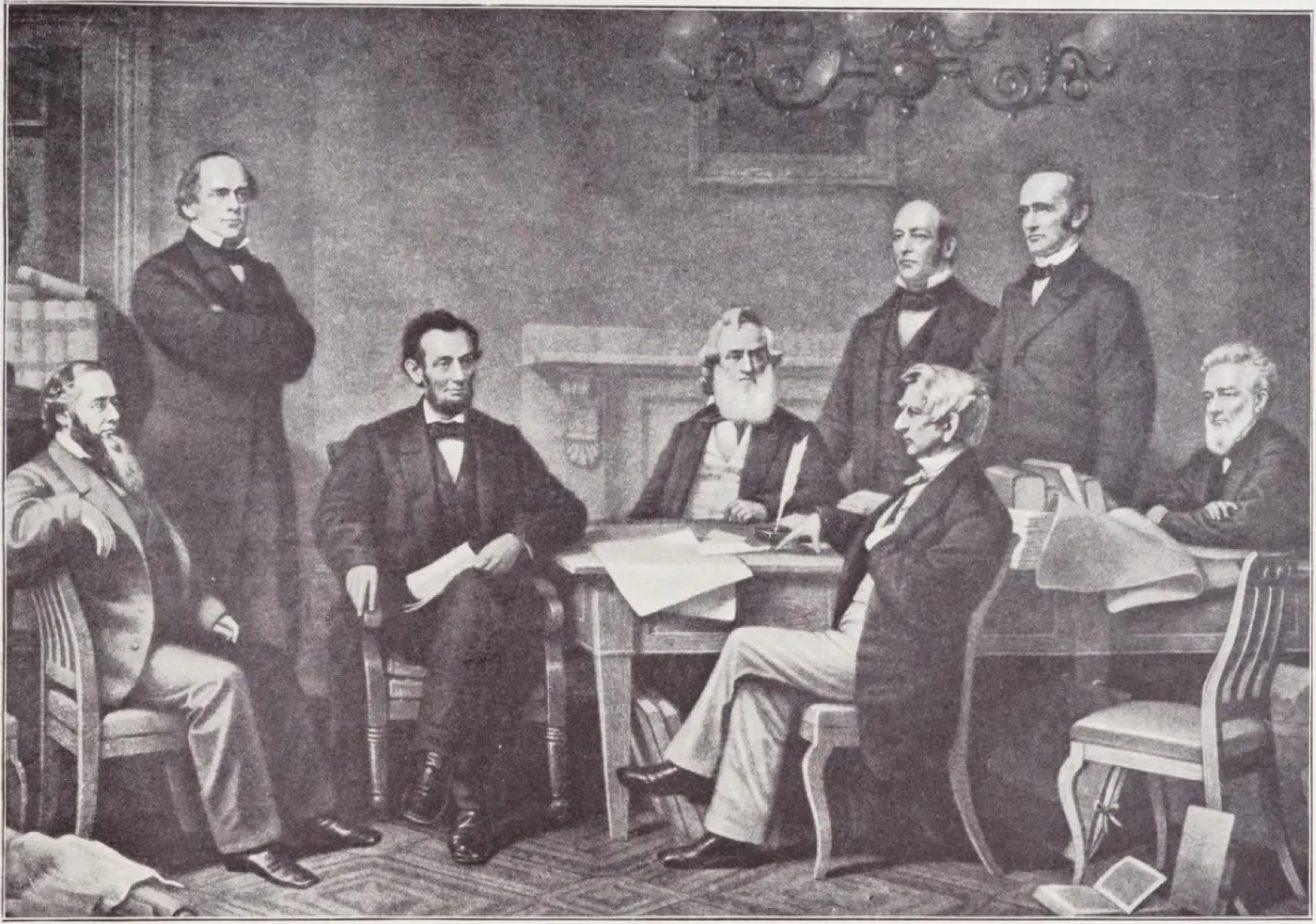
The Emancipation Proclamation was an executive order signed by President Abraham Lincoln that took effect on January 1, 1863. It declared enslaved people in the Confederate states "forever free." Lincoln issued the order as a military measure under his authority as commander in chief. On the day it took effect, it freed relatively few people in practice, because the federal government could not enforce it in territory the Confederacy controlled. But as Union armies advanced, every area they captured became a place where enslaved people were legally free. The proclamation changed the purpose of the Civil War from preserving the Union to ending slavery, and it opened the Union military to Black soldiers.
How Lincoln came to issue the Emancipation Proclamation
By the summer of 1862, the Civil War had been going for over a year, and the Union was losing. Lincoln believed that freeing enslaved people in the Confederacy would weaken it in two ways: it would pull laborers away from the Southern war effort, and it would keep Britain and France from supporting the Confederate government. Both countries had abolished slavery, and a war fought to end it would make foreign aid to the Confederacy politically impossible.
On July 22, 1862, Lincoln read a draft of the proclamation to his cabinet. Most members supported it, but Secretary of State William Seward raised a concern. Union armies had just lost a string of battles in Virginia, and Seward argued that issuing the proclamation after those defeats would look like an act of desperation. He urged Lincoln to wait for a military victory.
Lincoln agreed and held the draft for two months. The moment came on September 17, 1862, when Union forces fought the Confederate army to a standstill at the Battle of Antietam in Maryland. It was the bloodiest single day of the war, with about 23,000 casualties on both sides. The Confederate army retreated south, and Lincoln took it as victory enough. Five days later, on September 22, Lincoln issued the preliminary Emancipation Proclamation. It gave the Confederate states one hundred days to return to the Union. If they did not, their enslaved people would be declared free on January 1, 1863. None of the Confederate states accepted.
How the Emancipation Proclamation changed the Civil War
Before the proclamation, the Union's official war aim was to restore the country as it had been, slavery included. After it, every Union advance became an act of liberation. Enslaved people in captured territory were legally free, and tens of thousands left plantations and headed for Union lines.
The proclamation also opened military service to Black men. By the end of the war, about 179,000 Black men had served as soldiers in the United States Army, and another 19,000 had served in the Navy. Together they made up roughly ten percent of the Union's total fighting force. One of the most famous units was the 54th Massachusetts Infantry, a regiment of free Black men from the North led by Robert Gould Shaw, a 25-year-old colonel from a Boston abolitionist family. Shaw was killed leading an assault on Fort Wagner in South Carolina in July 1863, and the regiment's bravery helped change Northern attitudes about Black soldiers. Former enslaved people were now armed participants in winning their own freedom, and the North gained a source of troops the Confederacy could not match.
The diplomatic effect was just as large. Before the proclamation, both Britain and France had considered recognizing the Confederacy as an independent nation, which would have given it access to European loans, weapons, and political support. Once Lincoln made the war about ending slavery, neither country could side with the Confederacy without facing public outrage at home. The proclamation closed off the Confederacy's best chance of getting foreign help.
Did the Emancipation Proclamation free all slaves?
No. The Emancipation Proclamation applied only to the states in rebellion against the United States. It deliberately left slavery untouched in the four border states that had stayed loyal to the Union: Missouri, Kentucky, Maryland, and Delaware. Lincoln needed those states on his side and could not risk pushing them toward the Confederacy. The proclamation also exempted Tennessee, which was largely back under Union control, and specific parishes in Louisiana and counties in Virginia where federal authority had already been restored.
Critics pointed out the contradiction: the proclamation freed enslaved people where the government could not enforce it and kept them in bondage where it could. But this was the legal logic Lincoln needed. He issued the proclamation as a war measure against enemy territory, not as a general act of abolition. He did not believe the president had the constitutional authority to end slavery everywhere by executive order alone.
Lincoln understood that an executive order issued in wartime had no guarantee of lasting. Future courts might rule it unconstitutional, or a new president could simply cancel it. For that reason, he pressed Congress to pass a constitutional amendment abolishing slavery permanently. The Thirteenth Amendment passed the Senate in April 1864, cleared the House in January 1865, and was ratified on December 6, 1865. It abolished slavery across the entire country, covering the border states that the proclamation had deliberately excluded. Within about three years of the proclamation, nearly four million people were freed.