
Five Eyes
Five Eyes is the intelligence alliance of the United States, United Kingdom, Canada, Australia, and New Zealand.
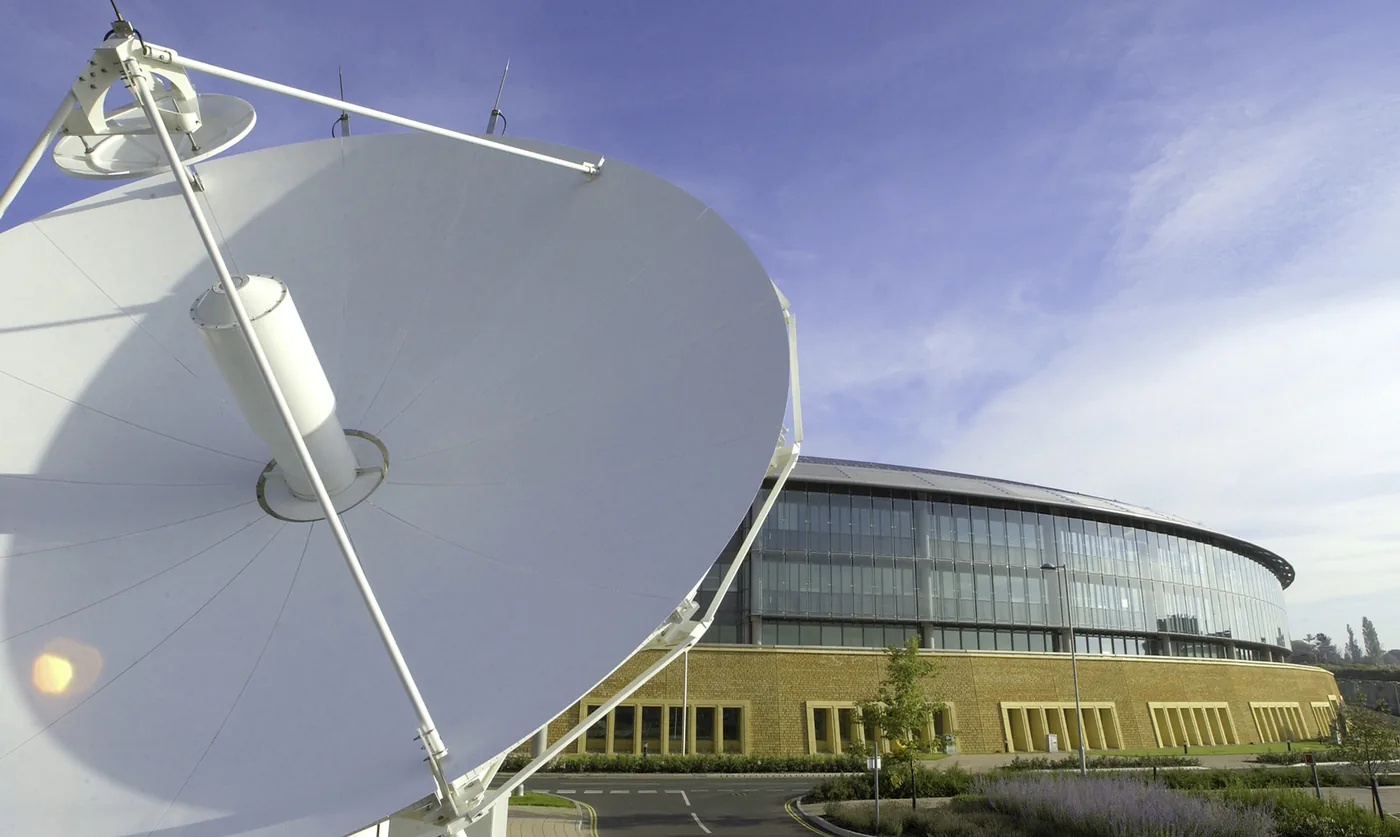
Five Eyes is an intelligence alliance of the United States, the United Kingdom, Canada, Australia, and New Zealand. The five countries share signals intelligence, the product of intercepting electronic communications, almost without reservation. Five agencies handle the collection: America's NSA, Britain's GCHQ, Canada's CSE, Australia's ASD, and New Zealand's GCSB. No other group of countries trusts each other with secrets to this degree. The origins of Five Eyes lie in World War II, when codebreakers in the two countries started pooling what they learned from intercepted enemy messages. They formalized their partnership in a secret agreement in 1946 that stayed classified for more than sixty years.
How the Five Eyes alliance formed
The partnership began during World War II. British codebreakers at Bletchley Park had broken the German Enigma machine, and American codebreakers had cracked Japanese naval codes. Both sides knew the other was intercepting enemy communications, but their cooperation stayed limited until 1943. That spring, a delegation of American codebreakers visited Bletchley Park and saw the full scope of the British operation. The visit led to the BRUSA Agreement, signed on May 17, 1943, which committed both countries to sharing their codebreaking results and the methods behind them.
After the war, neither side wanted to give up what it had built. On March 5, 1946, Colonel Patrick Marr-Johnson signed for Britain and Lieutenant General Hoyt Vandenberg signed for the United States. Their document, the UKUSA Agreement, committed both countries to sharing signals intelligence in peacetime. It was ten pages long and classified top secret. Canada joined the agreement in 1949. Australia and New Zealand joined in 1956, completing the five.
Britain and the United States did not confirm the agreement existed until June 2010, when the NSA and GCHQ declassified the full text and released it publicly.
How Five Eyes divides the world
The five agencies split the work by geography. Britain monitors Europe, Africa, and western Russia from its network of listening posts. Australia and New Zealand are responsible for the Asia-Pacific region. Canada focuses on northern latitudes. The United States handles most of the rest.
Each member collects signals in its own region and sends the take to the others through a shared system. An intercept collected in New Zealand can reach an American analyst within hours. The arrangement gives each country a global intelligence reach that none of them could afford on its own.
Why is it called Five Eyes?
The name comes from a classification stamp on secret documents. Material cleared for all five countries was marked "AUS/CAN/NZ/UK/US EYES ONLY," meaning only personnel from those five nations could read it. Intelligence officers shortened this to "Five Eyes," and the abbreviation FVEY became standard on classified material. The name appeared only inside intelligence channels for decades and entered public use after journalists began reporting on the alliance.
Five Eyes and the Snowden leaks
In June 2013, Edward Snowden, a 29-year-old former NSA contractor, gave thousands of classified documents to journalists. The documents revealed the scale of the Five Eyes surveillance network. The NSA's PRISM program collected data from the servers of major technology companies, including Google, Apple, and Microsoft. GCHQ's Tempora program tapped undersea fiber-optic cables carrying internet traffic across the Atlantic. Together, the five agencies were collecting metadata from billions of telephone calls and monitoring internet communications worldwide. A separate leak that year showed that the NSA had monitored the personal phone of German Chancellor Angela Merkel.
The leaks also brought attention to a long-standing concern. Each Five Eyes government faces legal limits on spying on its own citizens. Critics argue that the partners get around those restrictions by having a partner country collect the data and share it back, a practice sometimes called surveillance by proxy. The five governments deny doing this. The political fallout was significant, but the alliance itself endured. None of the five members reduced its cooperation.
Five Eyes today
In recent years, Five Eyes has acted as a diplomatic group, not just an intelligence one. All five members banned or restricted equipment from the Chinese telecom company Huawei in their 5G networks, citing concerns that the equipment could give Beijing a way to intercept communications. The group has issued joint public statements on Russian cyber operations and Chinese espionage.
There has been discussion of expanding the alliance. Japan is the most frequently mentioned candidate. Some former officials in Washington have used the phrase "Six Eyes." But the trust that holds Five Eyes together developed over eighty years of shared language, law, and habit. Widening the circle would change its character. Wider intelligence-sharing groups already exist. The Nine Eyes adds Denmark, France, the Netherlands, and Norway. The Fourteen Eyes adds Germany, Belgium, Italy, Sweden, and Spain. These groups share some intelligence, but at a lower level of access. The Five Eyes alliance remains the closest intelligence partnership in the world.