
The East India Company: the corporation that ruled with its own army
The East India Company was chartered to trade spices and tea. It ended up ruling India with a private army twice the size of Britain's own.
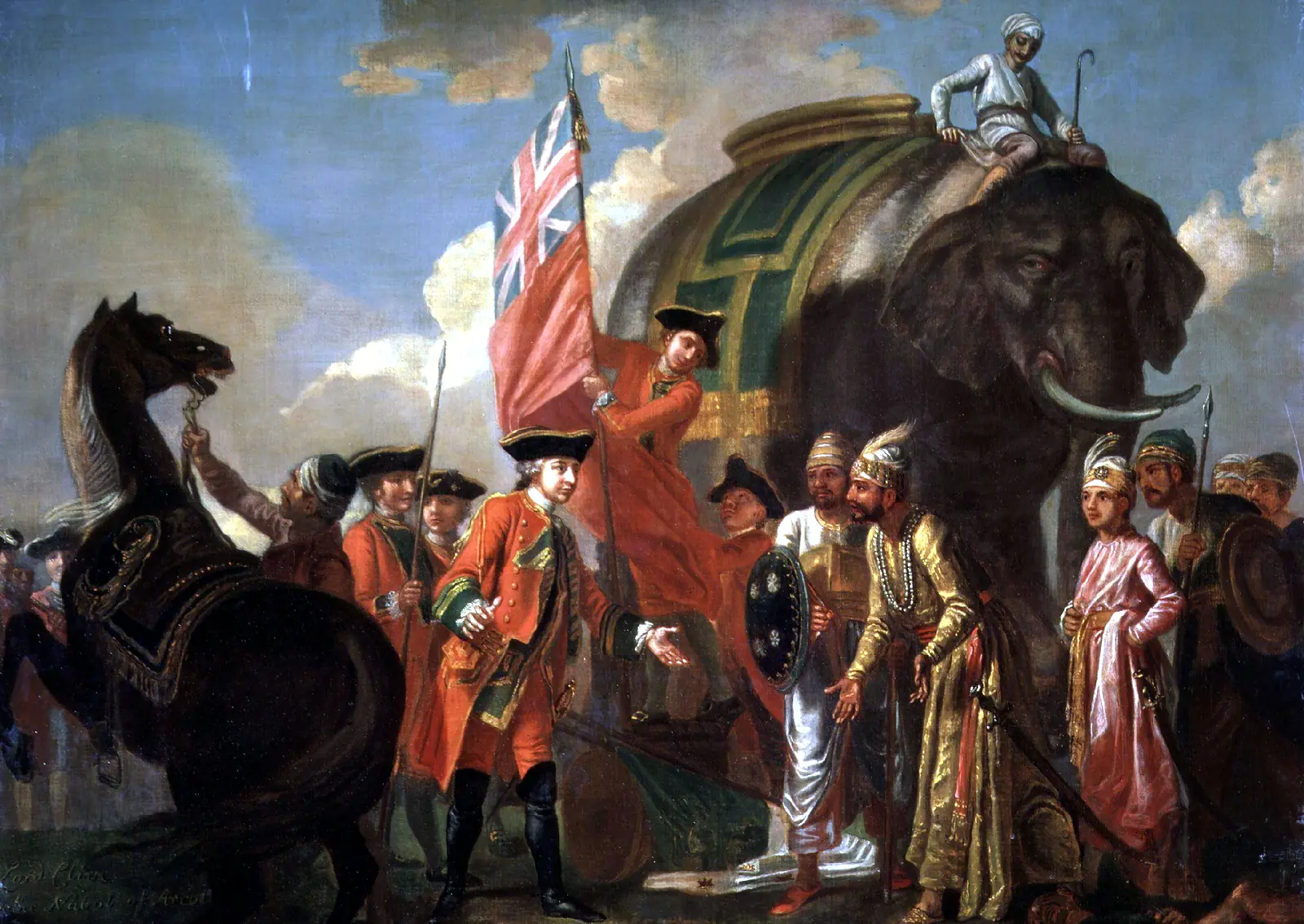
By 1800, one corporation commanded roughly 260,000 soldiers, about twice the size of the British Army. It minted its own coins, ran its own courts, and could sign treaties and declare war without asking London first. That corporation was the East India Company, and for close to a century it acted less like a business than like a country, with shareholders instead of citizens and a stock price instead of a vote.
It started as something much smaller: a monopoly handed to a group of London merchants who wanted a share of the spice trade. What happened between that charter and the private army is the real story of the Company, and of how far a corporation can go before anyone stops it.
How a spice trading company ended up ruling Bengal
Queen Elizabeth I chartered the Company on the last day of 1600, giving English merchants a monopoly on trade with Asia. For the first century and a half, it was exactly what the charter described: traders, not conquerors. Company ships carried home spices, cotton, silk, and tea, and the Company built fortified trading posts, called factories, at Surat, Madras, Bombay, and Calcutta to protect the business.
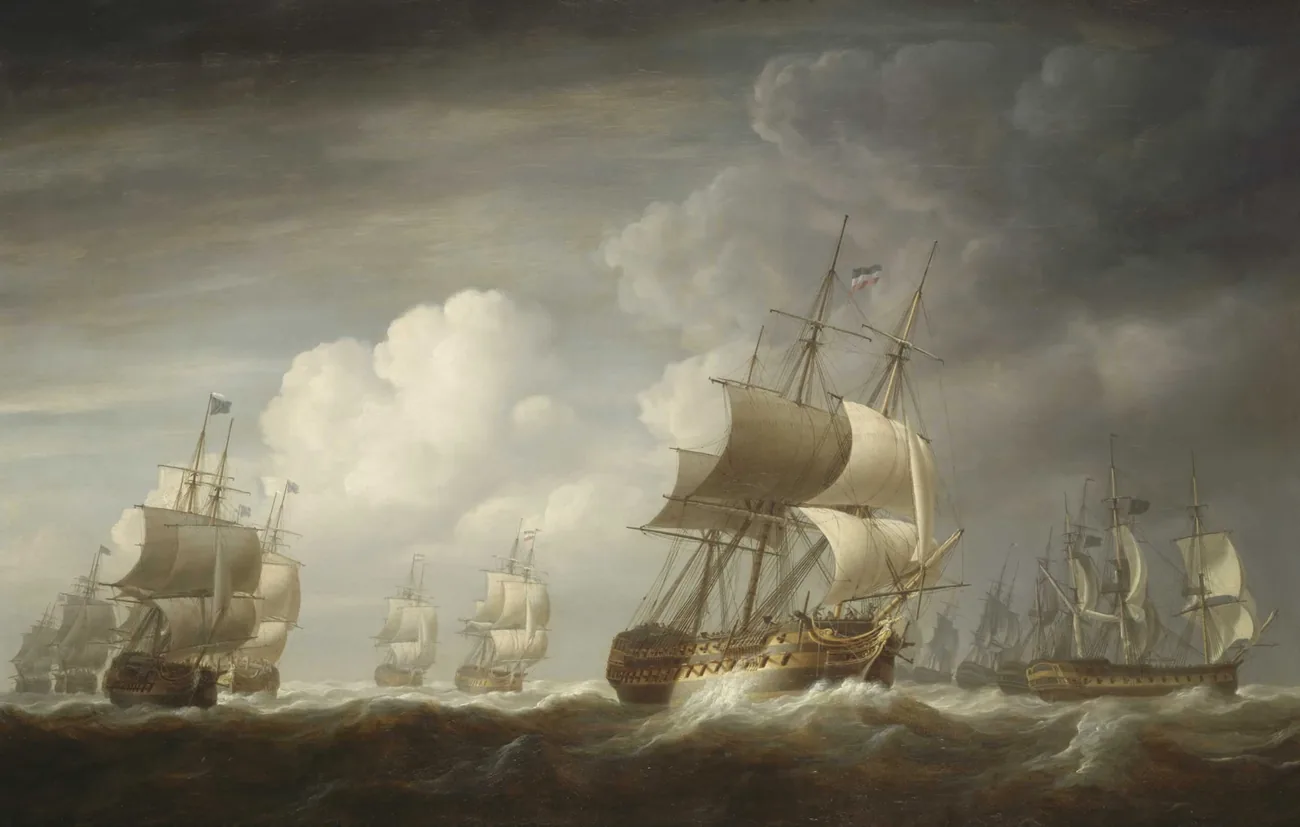
The turn came in Bengal, India's richest province. In 1757, a Company army led by Robert Clive defeated the region's ruler at the Battle of Plassey. Clive won less by fighting than by bribery. He had secretly paid off the ruler's own army commander before the battle started, so the bulk of the enemy force simply stood aside and watched. Eight years later, Clive negotiated the right to collect taxes across Bengal, Bihar, and Orissa directly from the Mughal emperor, on paper still the region's overlord. A trading company had just become a tax collector for tens of millions of people, and it never gave the job back.
What it actually meant for a company to run a country
Winning Bengal's tax rights gave the Company more money than it knew what to do with, and it spent much of it building the tools of a government. It raised its own army of sepoys, Indian soldiers led mostly by British officers, which grew to roughly 260,000 men by the early 1800s. It ran its own navy, the Bombay Marine, and its own courts for criminal and civil cases. It minted its own coins, first stamped with the Mughal emperor's name and later with the Company's own crest, at mints scattered from Calcutta to Madras.
None of this needed permission from London. The Company negotiated its own treaties and fought its own wars, answering mainly to its shareholders and a court of directors on Leadenhall Street.
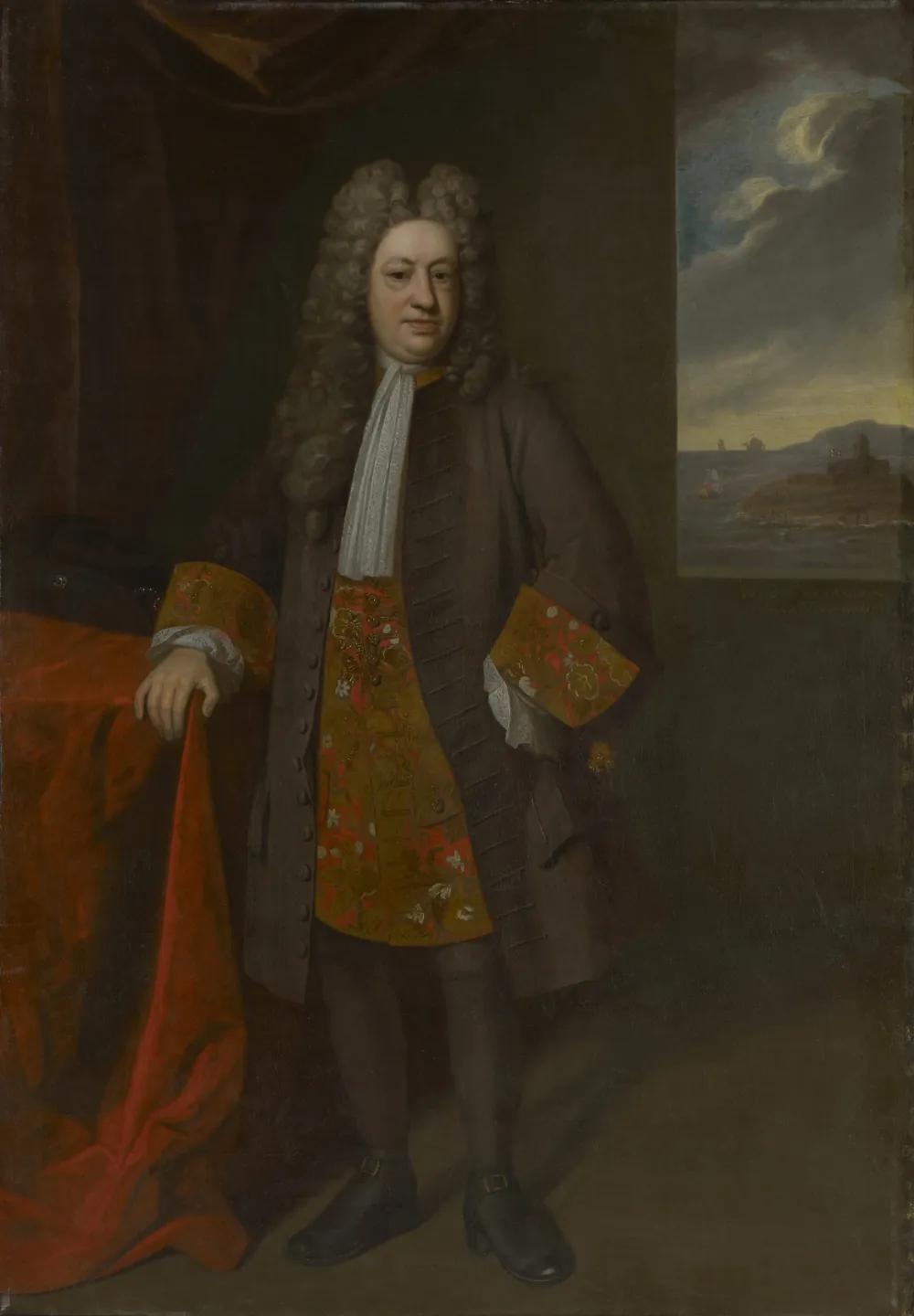
The men who ran this system on the ground could get rich fast, and not always honestly. One of them was Elihu Yale, who joined the Company as a young clerk in 1671 and worked his way up to governor of Fort St. George, the Company's base at Madras, by 1687. Five years later the Company removed him from the post, accusing him of enriching himself through private trading in diamonds, textiles, and slaves. Yale still left India a wealthy man. Decades later, a Puritan minister named Cotton Mather asked him for a donation to a struggling Connecticut college, hoping a big enough gift would earn it his name. Yale sent a shipment that sold for about 800 pounds. In 1718 the school renamed itself Yale College in his honor. It's Yale University today, partly funded by a man the East India Company fired for corruption.
The bailout that led to the Boston Tea Party
By the early 1770s, the Company's finances were a mess. A famine in Bengal had cut deep into its tax revenue, and corrupt officials kept skimming private fortunes out of the business. The Company was also sitting on about 17 million pounds of unsold tea rotting in London warehouses. In 1772 it asked the British government for a rescue loan of 1.5 million pounds, and Parliament granted it the following year. The historian William Dalrymple called it one of history's first mega-bailouts, a company too big to fail two centuries before the phrase existed.
The loan alone did not solve the tea problem, so Parliament passed the Tea Act of 1773. It is remembered today as a tax on the American colonies, but it was really a rescue plan for a company Britain could not afford to let collapse. The act let the Company ship tea straight to the colonies instead of through London middlemen, and refunded taxes it had already paid in Britain. Even after the American import duty that remained, Company tea would undercut the smuggled Dutch tea colonists had been drinking for years. Parliament was not trying to squeeze the colonies for money. It was trying to save a corporation by handing it a monopoly.
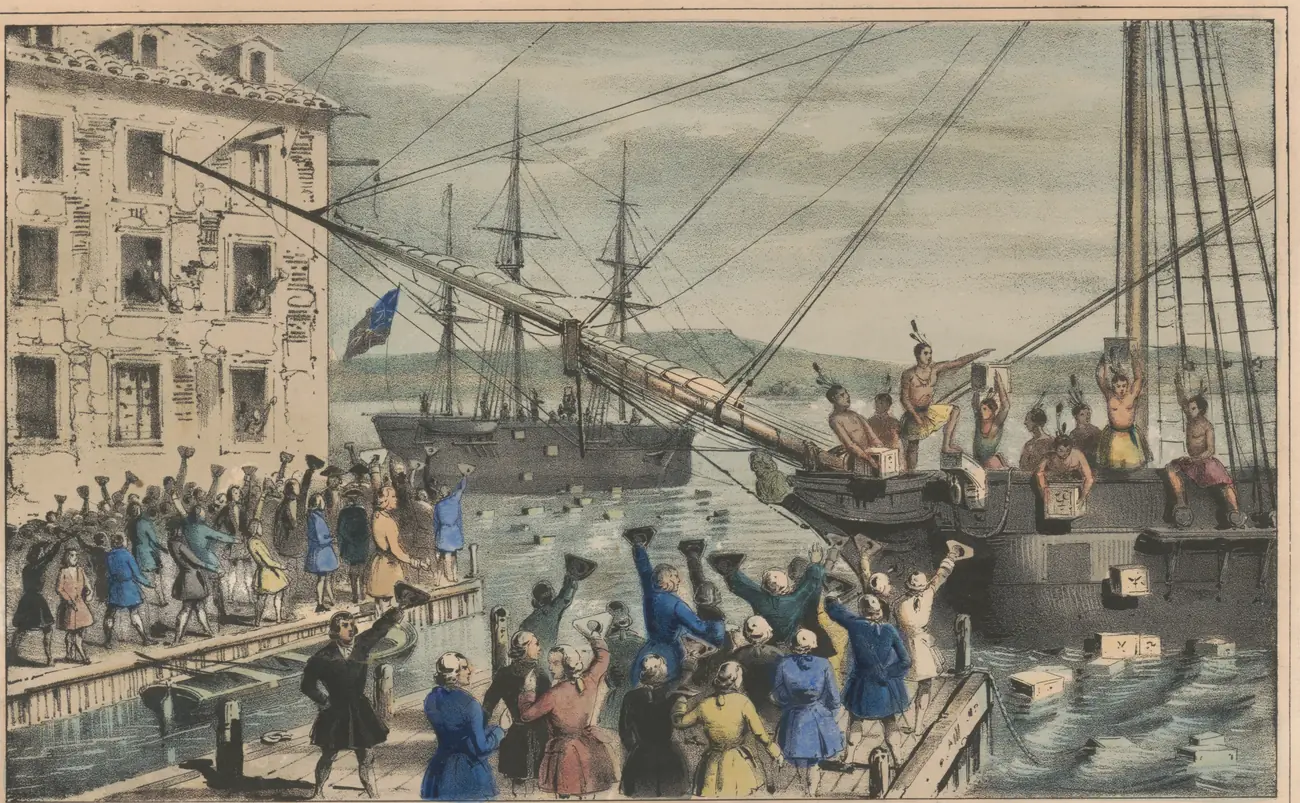
American colonists read it as exactly that: a government-backed monopoly aimed at crushing local merchants and smugglers alike. On the night of December 16, 1773, a group of Bostonians boarded three Company ships in the harbor and dumped 342 chests of tea, about 92,000 pounds of it, into the water.
Why Britain finally took the country away from the company
The 1773 loan came with strings attached. The Regulating Act of 1773 gave Parliament its first real oversight of the Company, appointing a governor-general in India and requiring reports back to London. It was the start of a slow transfer of power the Company spent the next eighty years resisting.
The underlying problems never went away. In 1770, only a few years after taking Bengal's taxes, the province suffered a famine that killed as many as 10 million people, and the Company kept collecting taxes straight through it. To pay for the tea Britain wanted from China, the Company grew opium in India and sold it there, a trade that helped trigger the Opium Wars decades later.
The end came from the army the Company had built to rule India. In 1857, Indian soldiers in the Company's own service rose up in what the British called the Sepoy Mutiny, a revolt sparked by rumors that new rifle cartridges were greased with cow and pig fat, offensive to Hindu and Muslim soldiers alike. Troops loyal to Britain crushed the uprising, but it convinced Parliament that a corporation had no business running a country. The Government of India Act of 1858 stripped the Company of its territory and handed India directly to the British Crown. The Company itself was formally dissolved in 1874, its offices closed and its shares bought out, 274 years after Elizabeth I signed its first charter.
The Company's real legacy
Contemporaries saw the danger before the worst of it happened. Adam Smith spent part of The Wealth of Nations in 1776 attacking the Company by name, calling it "military and despotical" and blaming the "wretched spirit of monopoly" for high prices and a merchant class whose interests ran opposite the public's. It became one of economics' founding arguments against monopoly, one still made today.
The Company had already built a defense against exactly that argument. Company officers sat in Parliament, MPs held Company stock, and from the 1670s onward the Company routinely paid the Crown to protect its charter. Historians consider it one of the first sustained corporate lobbying operations in British politics, a playbook regulated industries still follow.
The bill for all of it landed on India. In 1700, before the Company's conquests began, India accounted for roughly a quarter of the world's economic output. By 1950, three years after independence, that share had collapsed to about 4 percent. It took most of a century to climb back: only in 2025 did India pass Japan to become the world's fourth-largest economy, still with a far smaller share of world output than before the Company arrived.
Test what you learned
6 questions on this article. About two minutes, no signup.