
How cheap drones broke the economics of war
A $500 drone can destroy a $3 million tank. Three wars in five years proved it, and no military has found a cheap defense.
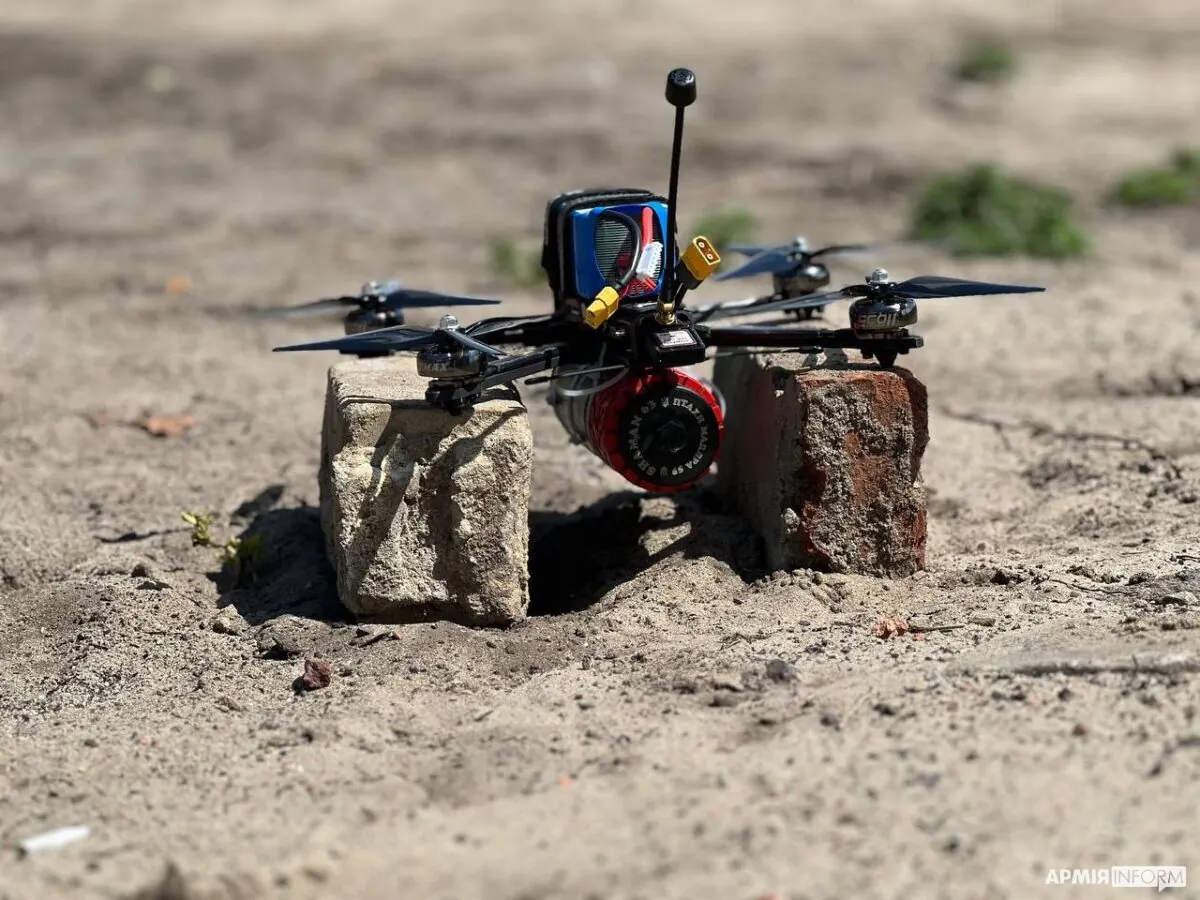
A first-person-view drone costs about $500 to build. Its parts come from consumer electronics: a camera, a radio receiver, a flight controller, a battery, and four small motors. A soldier can put one together in a few hours. The finished drone weighs a few kilograms, flies at about 150 kilometers per hour, and carries a warhead roughly the size of a grenade. A pilot wearing goggles sees what the drone sees and steers it into the target.
In Ukraine, drones like these are destroying Russian tanks, armored vehicles, and artillery pieces every day. By early 2025, FPV drones accounted for roughly two-thirds of all Russian tank losses, according to NATO estimates. A T-72 tank costs about $3 million. The drone that destroys it costs $500. Few weapons in modern history have gone from novelty to dominant battlefield tool this fast.
The 44 days that proved it first
The first war where drones were clearly the decisive weapon was the 2020 conflict over Nagorno-Karabakh, a mountainous territory in the South Caucasus that Armenia had controlled since the early 1990s.
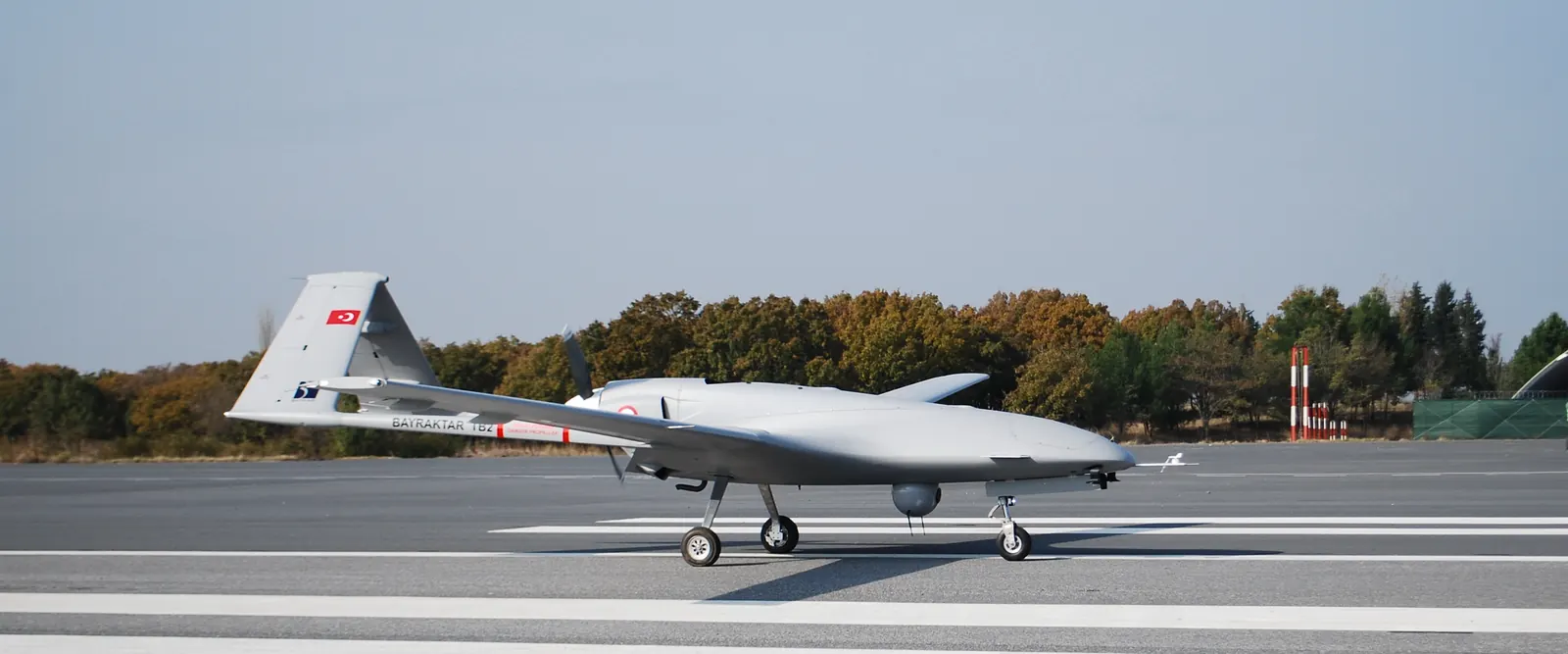
Azerbaijan deployed Turkish-made Bayraktar TB2 drones and Israeli-made Harop loitering munitions against Armenian armor, artillery, and air defense systems. Armenia had plenty of Soviet-era equipment but almost nothing that could detect or hit a drone flying at altitude. Azerbaijan released hundreds of strike videos during the fighting: tanks exploding from above, anti-aircraft batteries destroyed before they could fire, supply trucks burning on mountain roads. The war lasted 44 days. Armenia lost the territory it had held for nearly three decades.
The TB2 was designed by Selçuk Bayraktar, a Turkish engineer who studied aerospace at MIT, started a PhD at Georgia Tech, then dropped out to return to Istanbul and build drones at his family's company, Baykar. In 2016 he married Sümeyye Erdoğan, the daughter of Turkish President Recep Tayyip Erdoğan. Each TB2 cost an estimated $1 million to $5 million, a fraction of the American MQ-9 Reaper at $30 million. After the war, orders poured in from dozens of countries. A mid-sized country had built a weapon that changed a war, at a price most defense budgets could absorb.
Ukraine turned it into an industry
When Russia invaded Ukraine in February 2022, TB2s struck Russian convoys in the opening weeks and became so popular that Ukrainian musicians wrote a hit song about them. But the TB2 was still a relatively expensive platform designed for high-altitude strikes. The real change came from below.
By 2023, Ukrainian soldiers, volunteer workshops, and private manufacturers were mass-producing FPV drones, cheap and fast enough to treat as disposable. By early 2025, Ukrainian production had reached about 200,000 drones per month, and the government planned to build 7 million in 2026. A single infantry brigade burns through roughly 2,500 FPV drones per month. Russia answered with its own drone programs, mass-producing Iranian-designed Shahed attack drones at a factory in Tatarstan at rates approaching 100 per day.
Analysts estimated it takes about 10 FPV drones to reliably destroy one tank, given a hit rate of roughly 50 percent. At $500 per drone, that is $5,000 in hardware to destroy a vehicle worth $3 million, a cost ratio of about 600 to 1. A crew of two or three soldiers with a crate of drones can destroy more equipment in a week than a traditional artillery battery, at a fraction of the cost.
The result is a battlefield where anything moving in the open is likely to be destroyed. Both sides have learned this. Tanks advance in small groups or not at all. Supply trucks move at night. Infantry stays underground. The front line in eastern Ukraine in 2025 looks less like a modern war and more like 1916: trenches, bunkers, and soldiers afraid to cross open ground, because the sky is full of cameras that cost $500 each.
Shooting them down costs more than building them
FPV drones attacking ground targets are one problem. Cheap drones flying at ships and cities create a different one, because the weapons designed to shoot them down cost far more than the drones themselves.
In January 2024, Houthi militants in Yemen began firing anti-ship missiles and cheap drones at commercial shipping in the Red Sea. The US Navy sent carrier strike groups to respond. Over the following months, American destroyers fired hundreds of interceptor missiles at incoming Houthi weapons. A Standard Missile-2, the Navy's primary air defense interceptor, costs about $2.1 million per shot. Some of the drones it was shooting down cost less than $2,000. A Pentagon official told reporters that "the cost offset is not on our side."
By one estimate, the Navy spent roughly $780 million on interceptors in the Red Sea in 2024. The Houthis kept launching. Iran, which supplied most of their weapons, also produces the Shahed-136, a one-way attack drone that Russia fires by the thousands at Ukrainian cities. Each Shahed costs roughly $20,000 to $50,000 to build. The Patriot missiles that Ukraine sometimes uses to intercept them cost about $4 million each. Ukraine cannot afford a Patriot for every incoming Shahed, so it has turned to cheaper alternatives: anti-aircraft guns, electronic jamming, and interceptor drones that cost a fraction of a guided missile.
The pattern is the same in every case: the offense has become cheaper than the defense. Countries can build attacking drones faster and more cheaply than the other side can build the weapons to stop them.
What this means for the next war
Every major military is now trying to adapt. The Pentagon launched the Replicator program in 2023, committing to mass-produce thousands of autonomous drones, though the effort has struggled with the pace of American defense procurement. China is further ahead: it already has the world's largest commercial drone industry and the manufacturing base to scale military production quickly. Turkey, Iran, Israel, and dozens of smaller countries are building drone programs of their own, because the cost of entry is low enough that nearly any country can afford one.
The next step is autonomy. Current FPV drones need a human pilot for every flight, but both Ukraine and Russia are testing drones that identify and strike targets on their own using machine vision. If that technology matures, the pilot bottleneck disappears, and drone warfare scales even faster.
The deeper question is what cheap drones mean for the weapons that came before them. Aircraft carriers worth $13 billion face drones and missiles that cost a thousandth as much. Tanks that survived every major war since 1939 are being destroyed by a weapon one soldier can carry. Fighter jets that take a decade to develop face the prospect of swarms manufactured in weeks.
For most of modern history, the side with the more expensive military usually won. Better tanks, better aircraft, better ships. The wars of the 2020s have introduced a different logic: the side that can produce the most disposable weapons the fastest may have the edge, no matter how much the other side spent on the equipment those weapons destroy. That math favors countries with large, fast manufacturing bases. It is less kind to countries that spent decades building small numbers of expensive, irreplaceable platforms. The most powerful military in the world is still trying to figure out how to shoot down a $500 drone without spending $2 million to do it.
Test what you learned
5 questions on this article. About two minutes, no signup.