
Who are the Houthis, and why are they attacking ships again?
Yemen's Houthis went from mountain summer camps to choking world shipping. Who they are, who arms them, and why they are hitting Saudi tankers in 2026.
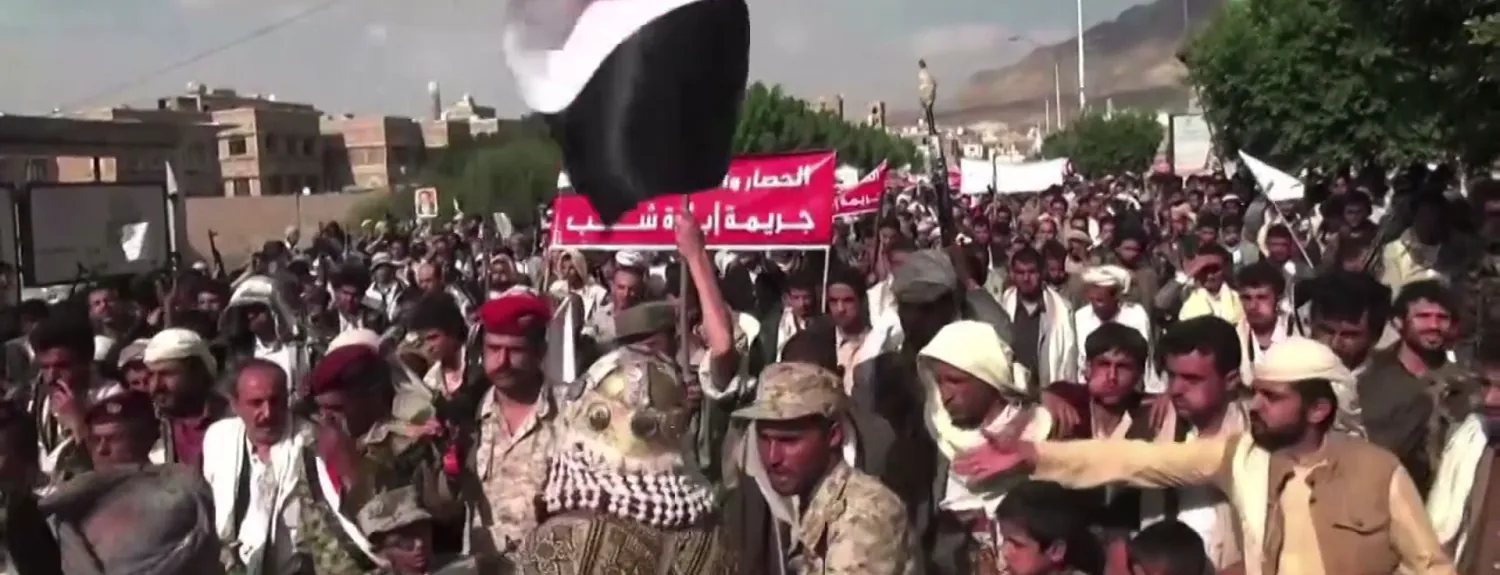
On July 20, 2026, a spokesman for Yemen's Houthis announced that any ship serving a Saudi port was banned from the Red Sea. Within three weeks, eight Saudi oil tankers had been targeted with missiles and exploding drone boats, one of Saudi Arabia's biggest refineries was on fire, war insurance for Saudi-linked voyages had risen as much as tenfold, and oil briefly traded back above $100 a barrel. The movement that did all this has no navy, no air force, and no seat at the United Nations, and it rules the highlands of one of the poorest countries on Earth. Thirty years ago it was a network of religious summer camps.
Where the Houthis come from
The Houthis are Zaydis, followers of a branch of Shia Islam that survives almost nowhere else. For roughly a thousand years, on and off, a Zaydi religious ruler called an imam governed the mountains of northern Yemen, until a revolution abolished the imamate in 1962.
In the early 1990s, Saudi-funded preachers began spreading their own austere version of Sunni Islam through those same mountains. Zaydi teachers answered with a revival movement called the Believing Youth, built around summer camps and study circles in the far-northern province of Saada. By the mid-1990s, some 15,000 to 20,000 students had passed through them.
In 1999, a former member of parliament named Hussein al-Houthi took charge of the movement and turned it political. In January 2002 his followers began chanting the slogan the movement still shouts today: "God is great, death to America, death to Israel, a curse upon the Jews, victory to Islam." America had almost no presence in Yemen at the time; the real audience was Yemen's own government, which had just joined Washington's war on terror. It took the chant as a challenge, and in 2004 it sent the army into Saada to arrest Hussein. That September, soldiers killed him. His youngest brother, Abdul-Malik al-Houthi, took over and leads the movement to this day. The government went on to fight the family's followers six times between 2004 and 2010, and never beat them. Officially the movement calls itself Ansar Allah, "supporters of God." The rest of the world names it after the family that leads it.
How the Houthis took Yemen's capital
The Houthis took the capital with help from the man who had spent a decade trying to crush them. Ali Abdullah Saleh had ruled Yemen for 33 years and ordered every one of the six campaigns against them. The Arab Spring forced him from office in 2012, and he wanted back in. So in 2014 he quietly allied with the movement he had spent a decade fighting, and army units still loyal to him stood aside as Houthi fighters entered Sanaa that September. The capital fell almost without a fight. Saleh switched sides once more in December 2017, offering to open a new page with the Saudis. Houthi fighters killed him two days later as he fled the city.
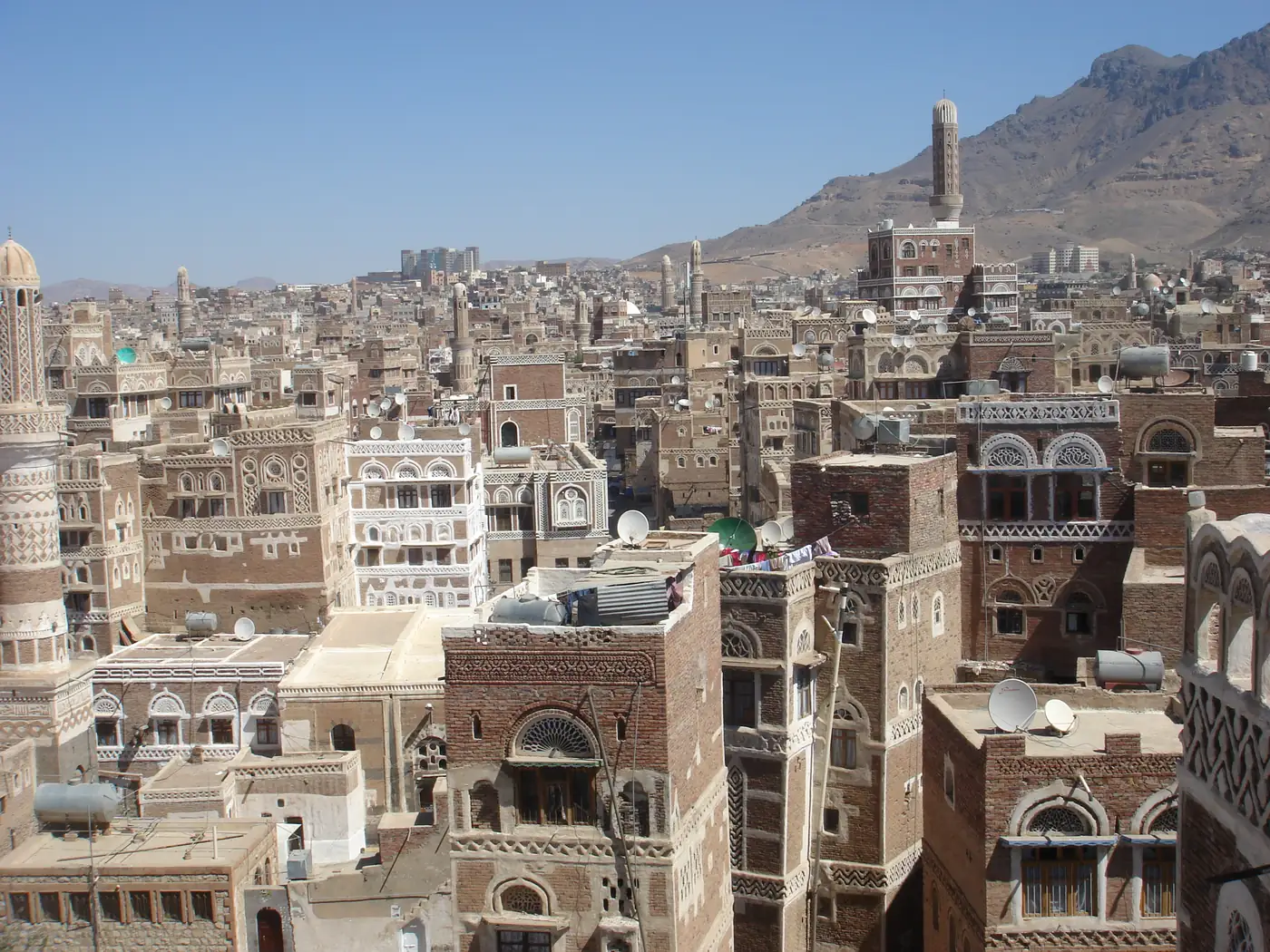
Saudi Arabia could not accept an armed Shia movement ruling its southern neighbor. In March 2015 its young defense minister, Mohammed bin Salman, launched a bombing campaign meant to reverse the takeover within weeks. Seven years of airstrikes later, Riyadh settled for a truce, and the declared goal, restoring the recognized government to Sanaa, was never achieved. The Houthis still rule the crowded northwestern highlands, home to roughly 70 to 80 percent of Yemen's 40 million people.
The cost landed on ordinary Yemenis. The UN estimated 377,000 dead by the end of 2021, about 60 percent of them killed not by weapons but by hunger and disease in a country that imported 90 percent of its food. Yemen also produced the largest cholera outbreak ever recorded: more than 2.5 million suspected cases between 2016 and 2020.
Are the Houthis controlled by Iran?
The Houthis are usually described as "Iran-backed," and they are. Since around 2015, Iran has supplied the drones, anti-ship missiles, and ballistic missile technology that turned mountain guerrillas into a force that can hit ships and cities. Tehran counts them in its Axis of Resistance alongside Hezbollah and Hamas.
But backed is not the same as controlled, and the Houthis are the clearest proof. They fought and survived six wars before Iran was meaningfully involved; the scholar Thomas Juneau describes the early links as marginal. When Iran reportedly advised them not to seize Sanaa in 2014, they seized it anyway. And when Israel tore the axis apart in 2024, killing Hezbollah's leader and watching Assad's Syria collapse in eleven days, the Houthis were the one piece that kept functioning.
They also pay their own way. Through port customs, fuel taxes, and a revived religious levy that flows to the ruling family, the Houthis collect around $2 billion a year by US and UN estimates, more than Yemen's recognized government manages. The clearest scoreboard is the currency: the same riyal is worth about three times more in Houthi-run Sanaa than in government-held Aden. Iran arms the Houthis. It does not command them, which is why years of sanctions and military strikes on Iran have never stopped a Houthi campaign. There is no switch in Tehran that turns them off.
How cheap drones shut down the Red Sea
On November 19, 2023, six weeks into the Gaza war, Houthi commandos rappelled from a helicopter onto the deck of a car carrier called the Galaxy Leader, part-owned by an Israeli shipping businessman, and sailed it to Yemen, filming the whole operation. The 25 crew members, most of them Filipino sailors, were held for 14 months. It was the opening move of a campaign, declared in solidarity with Gaza, that went on to target more than 100 merchant ships, sinking four and killing at least eight sailors.
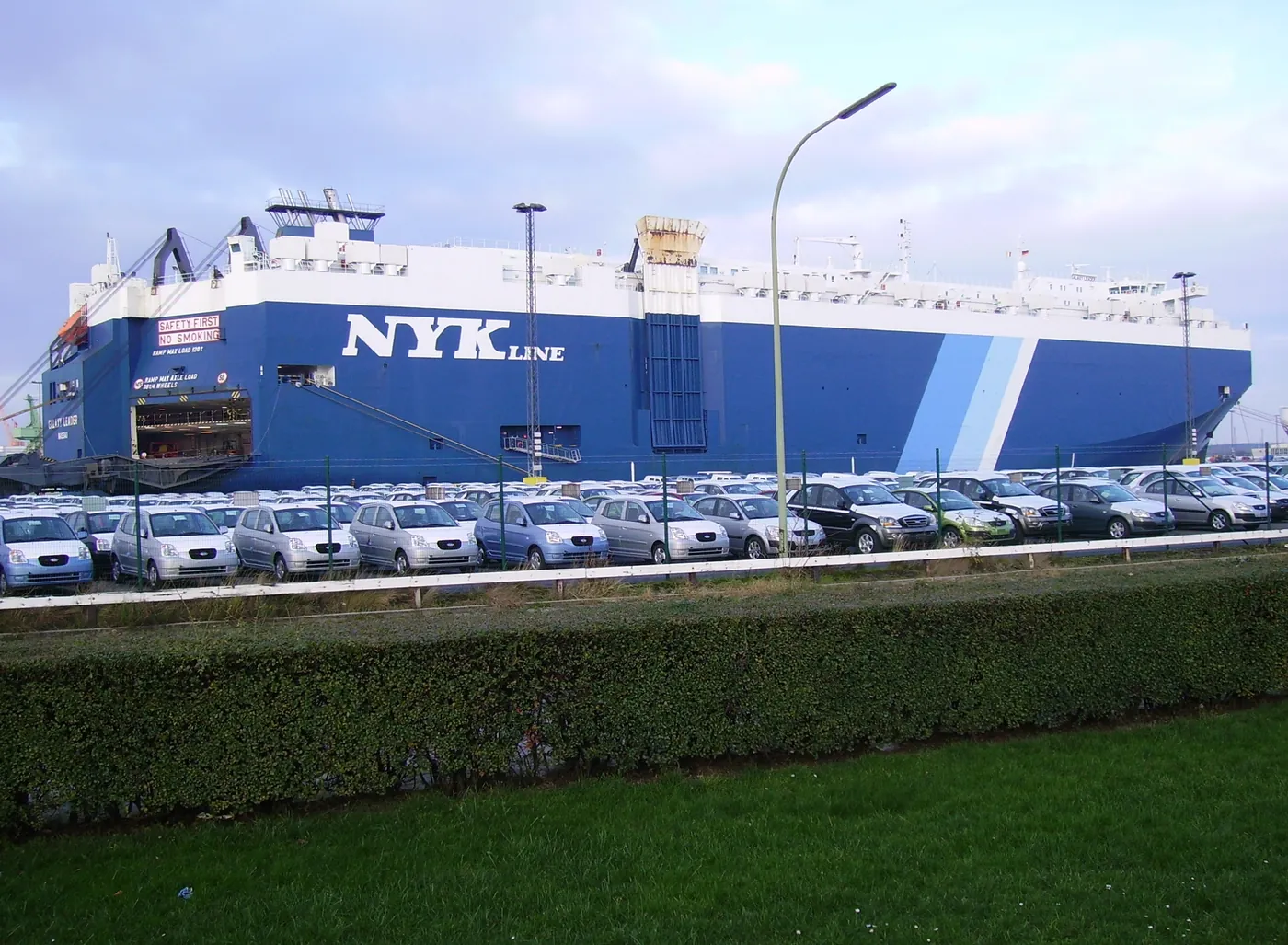
Shipping lines did not wait to be hit. They rerouted around Africa, adding ten days or more to every voyage, and traffic through the Suez Canal collapsed. It has never fully recovered. What made the campaign so hard to defeat was arithmetic. A Houthi attack drone costs a few thousand dollars. The interceptor missiles the US Navy fired to stop them cost roughly $2 million to $4 million each. In the spring of 2025, the United States bombed Houthi positions across Yemen for seven weeks, spending more than $1 billion in the first month, before President Trump called the campaign off with the words: "They just don't want to fight, and we will honor that. And they have capitulated." The Houthis denied capitulating and kept firing at Israel. That August, an Israeli airstrike killed the prime minister of the Houthis' own government in Sanaa, along with roughly half of its cabinet, as the men watched a televised speech. The movement named replacements and carried on.
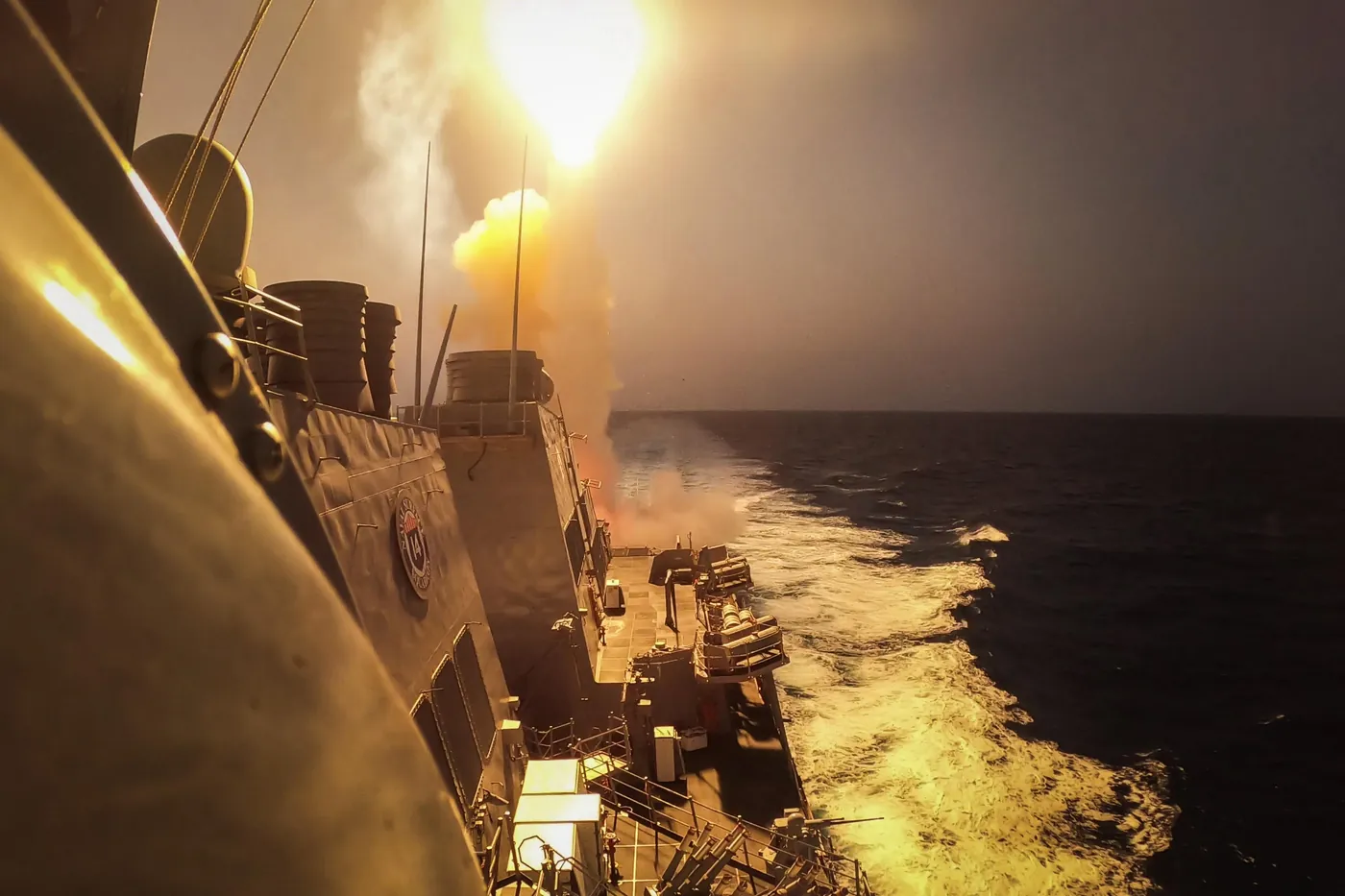
The attacks on shipping stopped only in October 2025, when the Gaza ceasefire took effect. They ended on the Houthis' schedule, not their enemies'.
Why the Houthis are attacking Saudi Arabia now
On July 13, 2026, explosions cratered the runway of Sanaa's airport minutes before a plane carrying a senior Houthi delegation was due to land. The delegation was flying home from Tehran, from the funeral of Iran's supreme leader, Ali Khamenei, killed in the American and Israeli strikes on Iran earlier this year. Yemen's recognized government claimed the strike; the Houthis blamed Saudi Arabia, and many analysts doubt the government owns weapons that could have done it. Either way, the Houthis declared their four-year-old truce with Riyadh dead, fired missiles at a Saudi airport the same day, and on July 20 announced the shipping ban.
The timing could hardly be worse for Saudi Arabia. With the Strait of Hormuz disrupted since March, the kingdom had rerouted most of its oil exports through Yanbu, its Red Sea port, directly into missile range. By early August, tanker traffic through the Bab el-Mandeb strait had fallen by more than 40 percent. Houthi drones set fire to the Jazan refinery and reached Abqaiq, the giant processing plant whose 2019 attack briefly knocked out half of Saudi oil production. Riyadh assembled a 13-country naval coalition in response; the United States, its navy already stretched by the Iran crisis, declined to join.
Gaza has nothing to do with any of this. The new campaign grew out of a purely Yemeni-Saudi feud over unpaid salaries, a decade-old blockade, and a cratered runway. In 2023 the Houthis attacked shipping over a war in Palestine; in 2026 they are doing it over a quarrel with Riyadh; next time it can be whatever grievance they hold.
Why nobody has been able to stop them
Everything has been tried. A decade of Saudi bombing with Western weapons. An American air campaign. An Israeli strike that wiped out half a cabinet. Each time, the Houthis absorbed the blow, promoted replacements, and resumed. Now Saudi Arabia is reported to be weighing support for a Yemeni ground offensive, and, by other reports it officially denies, negotiating with the Houthis through Oman. The reported Houthi price for calm: Riyadh pays the salaries of civil servants in the Houthi-run north and lifts all restrictions on their territory. In other words, Saudi Arabia would fund the movement it went to war to remove.
The lesson travels well beyond Yemen. The Bab el-Mandeb strait is 26 kilometers wide, and before the crisis it carried roughly an eighth of the world's seaborne oil. Whoever holds its shore holds a valve on world trade, whatever their GDP. Sea power used to mean building a navy. The Houthis have shown it can mean holding a beach within drone range of a shipping lane, and that is a discovery other movements, on other straits, will not forget.
Test what you learned
6 questions on this article. About two minutes, no signup.