
What happens when a country defaults on its debt
At least a dozen countries have defaulted since 2020. The pattern is the same every time, and it starts long before the announcement.
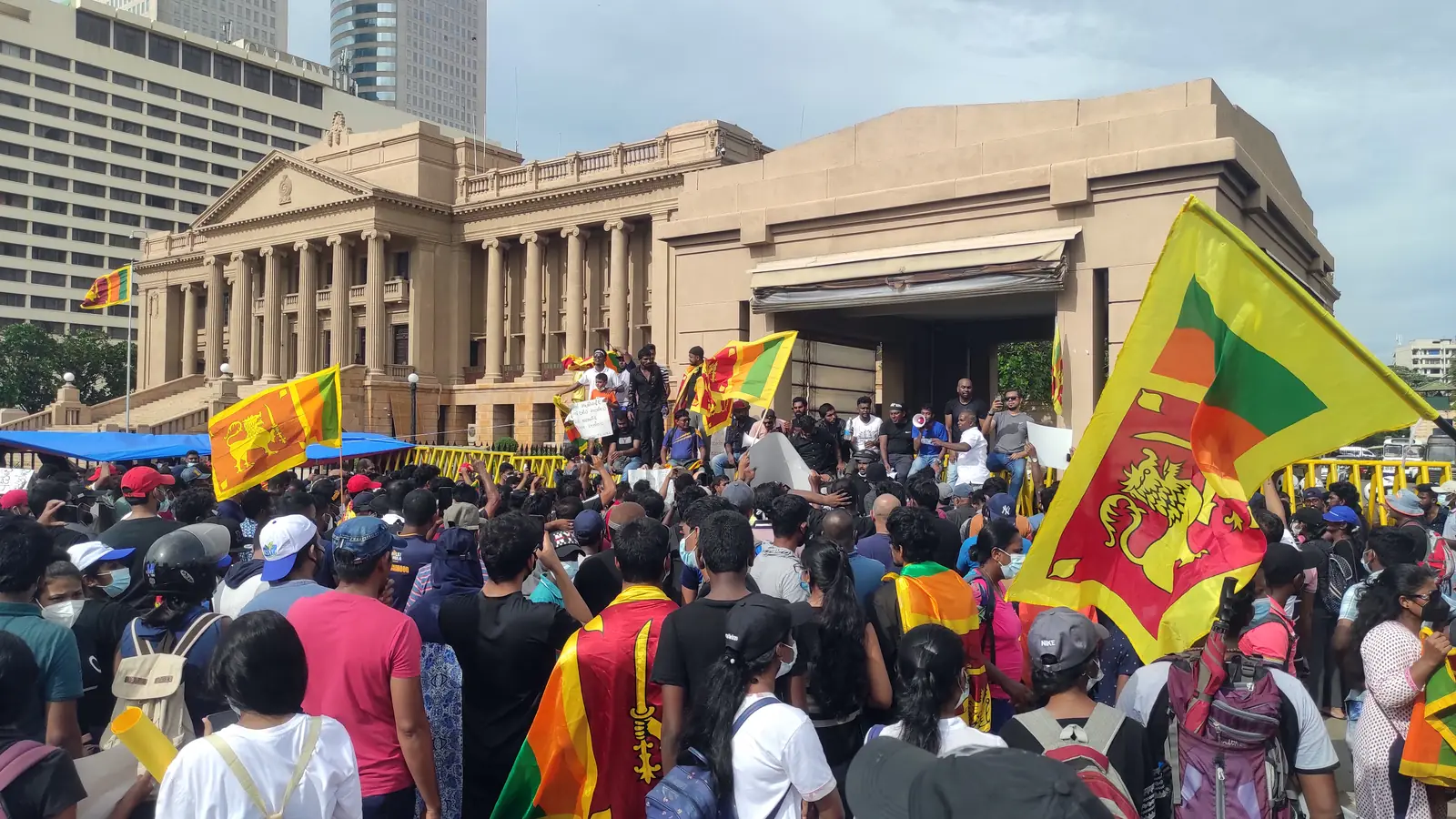
By May 2022, Sri Lanka had roughly $50 million of usable foreign reserves. The country needed about $75 million a day to cover its imports. Fuel stations ran dry. Hospitals ran out of medicine. Power cuts lasted twelve hours a day. Lines for cooking gas stretched for kilometers, and some people waited days. On May 19, Sri Lanka missed a payment on its dollar bonds, the first sovereign default in its history since independence in 1948. Within two months, protesters had stormed the presidential palace in Colombo and President Gotabaya Rajapaksa had fled the country.
Sri Lanka was not alone. Since 2020, at least a dozen countries have defaulted on their sovereign debt, from Argentina and Ecuador to Ghana, Zambia, and Lebanon, the most in any comparable stretch since the 1980s. The causes vary. The pattern that follows does not.
How the money runs out
A country does not wake up one morning unable to pay its debts. The process takes months or years. It almost always begins with a government borrowing more than it can sustain, in a currency it cannot print.
Most developing countries borrow in US dollars. They issue bonds on international markets denominated in dollars, because that is what investors will buy. The interest payments come due in dollars. To get those dollars, the country needs exports, tourism, or foreign investment. When any of those shrink, reserves start to drain.
Sri Lanka lost most of its tourist income during COVID-19, about $4 billion a year. A round of tax cuts in 2019 reduced government revenue by roughly 30 percent. The central bank spent down its reserves trying to defend the currency instead of letting it fall. By early 2022, the reserves were nearly gone, and the gap between what the government owed and what it could earn had become impossible to close.
Lebanon's central bank had been using new dollar deposits to pay interest on old ones, a structure economists later compared to a Ponzi scheme. When the inflows slowed in 2019, the arrangement collapsed and the government defaulted in March 2020.
What happens on the ground
For ordinary people, the crisis does not begin on the day the government misses a bond payment. It begins weeks or months earlier, when the government starts rationing whatever dollars it has left.
Import-dependent goods disappear first. In Sri Lanka, fuel ran out before the formal default. The government restricted diesel to essential services and banned private vehicles from the roads on certain days. Schools closed. The prime minister said petrol stocks covered a single day. In Lebanon, the currency lost 95 percent of its value within two years, and the price of bread rose tenfold.
Banks move next. Argentina imposed what became known as the corralito in December 2001, capping cash withdrawals at 250 pesos per week. Savers who held deposits in dollars watched the government convert them to pesos at an artificial rate, then devalue the peso. A dollar deposit worth $10,000 on Monday was worth about $2,500 by the end of the week. Lebanon's banks locked depositors out of their dollar accounts entirely. As of 2026, most of that money, roughly $80 billion, has still not been returned.
The economic contraction is fast and severe. Argentina's GDP fell roughly 11 percent in 2002. Sri Lanka's economy shrank 7.8 percent in 2022. Lebanon's GDP dropped from $55 billion in 2018 to about $20 billion by 2021, a decline of more than 60 percent. In Argentina, the poverty rate hit 57 percent. The people who suffer the most are the ones who had nothing to do with the borrowing.
The negotiation nobody can force
A company that cannot pay its debts goes to bankruptcy court. A country that cannot pay its debts goes to a conference room. There is no international bankruptcy court for nations. No one can seize a government's territory or repossess its roads. Default always leads to negotiation, and the negotiation is voluntary.
The process is called restructuring. The government, its creditors, and usually the IMF sit down and argue over new terms. Creditors agree to accept less than they are owed, a discount called a haircut. In return, the government commits to reforms: spending cuts, tax increases, or both. The IMF provides emergency loans to keep the country running while the deal is worked out. Greece's private creditors took a 53 percent loss on their bonds in 2012. Ghana's domestic bondholders lost about 30 percent. Argentina's 2005 restructuring offered creditors roughly 35 cents on the dollar, and some of them refused to accept it for over a decade.
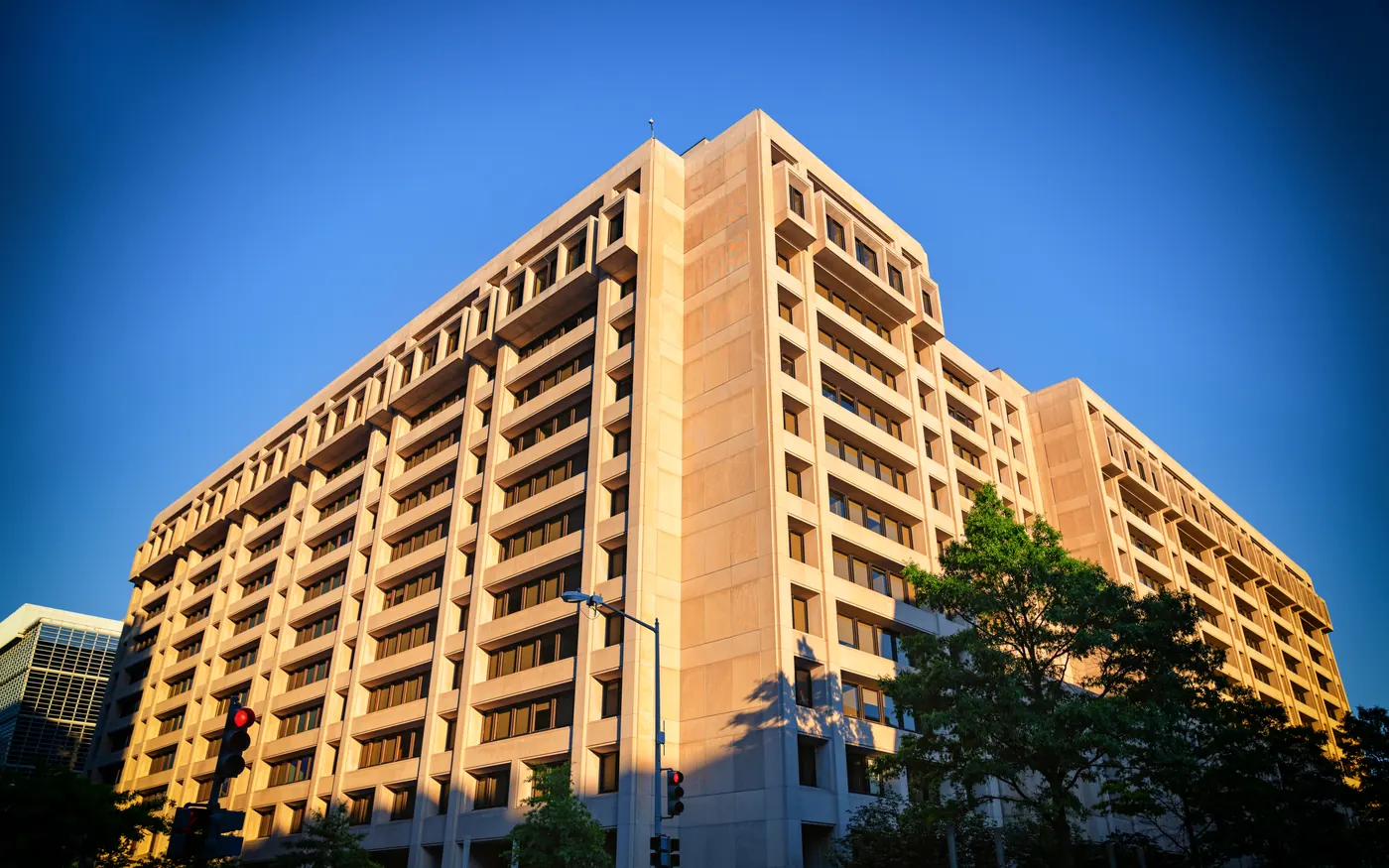
This process has always been slow. It has gotten slower. During the 2000s and 2010s, China lent hundreds of billions through its Belt and Road Initiative to governments across Africa, Asia, and Latin America. When those governments defaulted, China joined the creditor table alongside Western bondholders and the Paris Club of wealthy-country lenders, and the three groups could not agree on who should take the bigger loss. Zambia defaulted in November 2020. Its restructuring with official creditors was not agreed until June 2023, and the commercial creditor deals dragged into 2024. Sri Lanka's restructuring took more than two years. The G20 created the Common Framework in 2020 to speed things up, but each case since has taken longer than the one before. With global interest rates at their highest in two decades, the list of countries approaching the same cliff is growing.
Why anyone lends to them again
The strangest part of sovereign default is what happens afterward. Countries default, restructure, and borrow again, often within a few years.
Argentina has defaulted at least nine times since it first issued bonds in 1824, roughly once every twenty years. Each time, within a few years of restructuring, investors buy Argentine bonds again. The interest rate is higher, reflecting the risk, but the money flows. The logic is straightforward: a government that has just written off most of its debt is, for the moment, one of the least indebted borrowers on the market. Its balance sheet is clean. And sovereign debt has no collateral. Lenders cannot seize anything if the borrower defaults again. The entire arrangement runs on the expectation that the borrower would rather pay than be cut off from future lending.
The recovery can be surprisingly fast. Argentina's economy grew roughly 9 percent in 2003, one year after its worst contraction. The peso devaluation made exports cheap, and the country rode a commodity boom for five years. But the pattern repeated. Argentina defaulted again in 2014, and again in 2020.
Not every country recovers. Lebanon defaulted in 2020 and as of 2026 has still not restructured or restored depositors' access to their savings. Argentina, for all its dysfunction, has institutions that can negotiate with the IMF and eventually reach a deal. Lebanon's sectarian political system has blocked every reform required. Default without restructuring is not a fresh start. It is a grinding decline with no end in sight.
Test what you learned
5 questions on this article. About two minutes, no signup.