China's Belt and Road Initiative in 2026: did it work?
Everyone called it dead by 2020. In 2025 it lent more than ever. The story of China's trillion-dollar bid to rewire the world, and what it was really for.
In September 2013, in a lecture hall at a university in Kazakhstan, Xi Jinping proposed building a "Silk Road economic belt" across Central Asia. A month later, speaking to Indonesia's parliament, he added a "21st Century Maritime Silk Road" of ports and sea lanes. The two ideas fused into the Belt and Road Initiative, and over the next decade it became the largest development program any single country has ever attempted. Around 150 nations signed on. Chinese banks and firms committed nearly $1.4 trillion across Asia, Africa, Latin America, and the edges of Europe. Then, by about 2020, most Western analysts had written its obituary. The lending had collapsed, the loans were going bad, and China looked like a landlord stuck with unpaid tenants. They were wrong. In 2025, the Belt and Road lent and built more than in any year of its history.
The speech that launched a trillion dollars
The official story is simple and appealing: China would help the developing world build the roads, railways, ports, and power plants it desperately needed, and everyone would grow rich together. Beijing calls it "win-win cooperation." Xi called it the "project of the century."
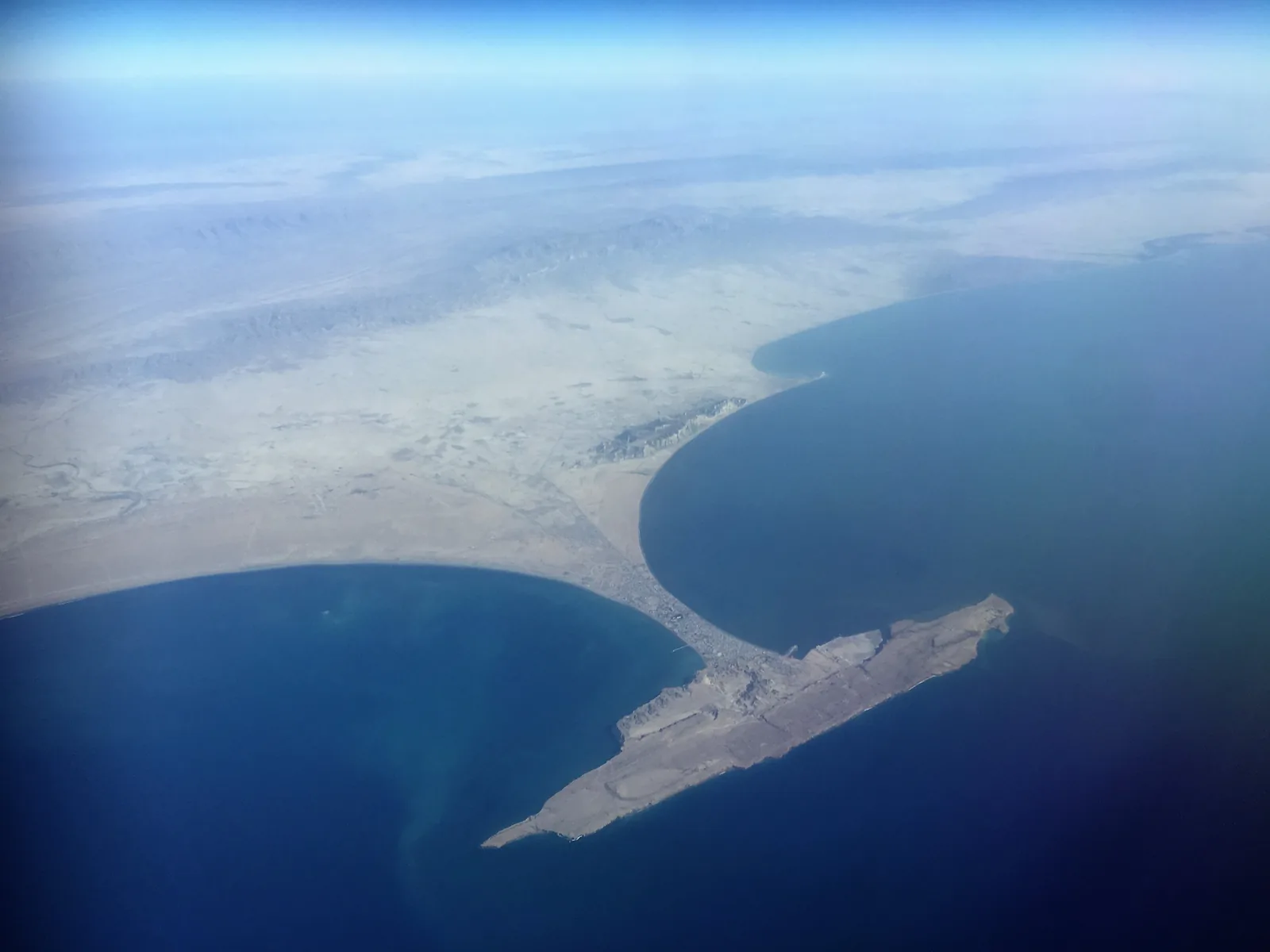
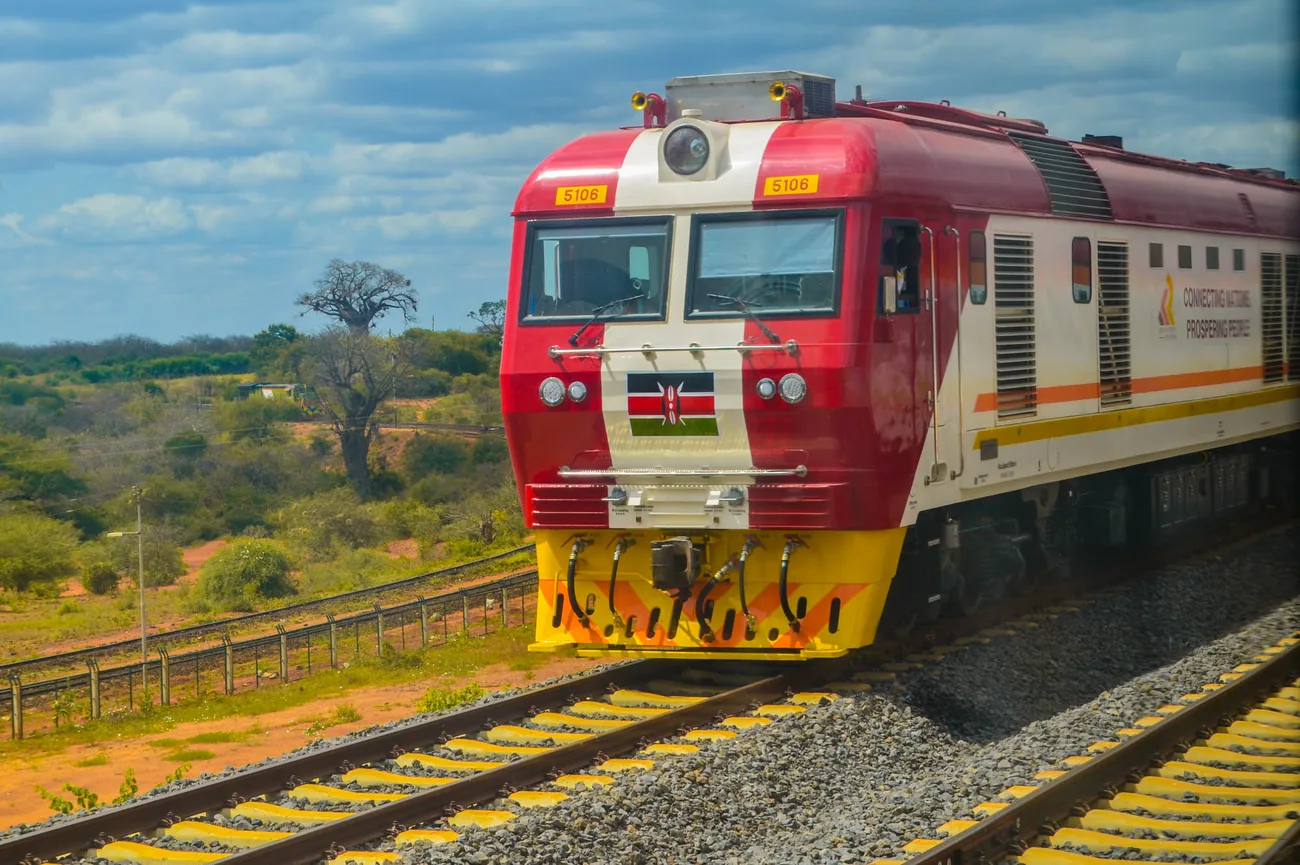
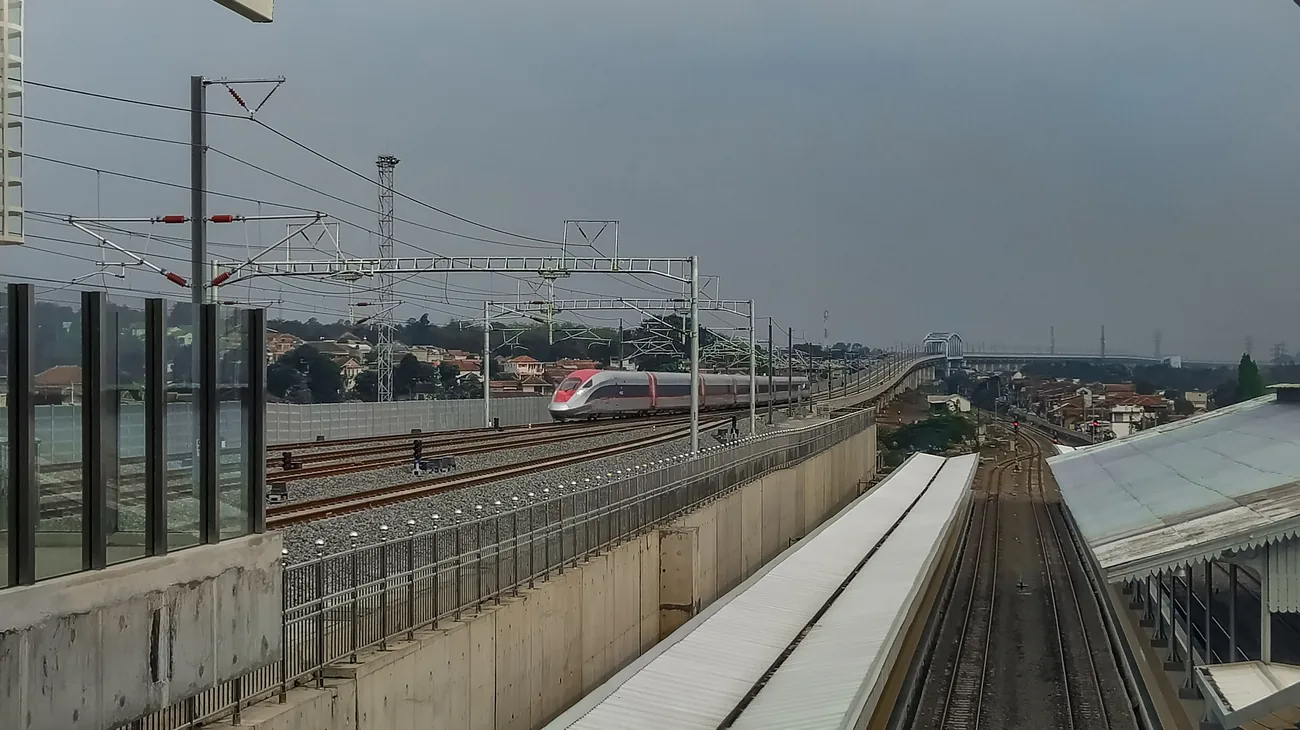
The scale was real. The China-built Mombasa-Nairobi railway cut a journey across Kenya from ten hours to under five. A Chinese-financed line now runs high-speed trains between Jakarta and Bandung, and another connects landlocked Laos to the Chinese border. Ports rose at Gwadar in Pakistan, Hambantota in Sri Lanka, and Piraeus in Greece. For countries that had waited decades for infrastructure the World Bank kept declining to fund, China showed up with money, engineers, and no lectures about human rights attached.
By the numbers, according to the Green Finance and Development Center at Fudan University, cumulative Belt and Road engagement since 2013 has reached about $1.4 trillion, split between roughly $837 billion of construction contracts and $561 billion of direct investment. For comparison, the Marshall Plan that rebuilt Western Europe after World War II was worth around $150 billion in today's money. The Belt and Road is nearly ten times larger.
What China was really building
Read the map instead of the press releases, and a different design appears. The Belt and Road solved several of China's own problems at once, and connectivity for its partners was only one of them.
The first was oil. Roughly 80 percent of China's imported crude passes through the Strait of Malacca, a narrow channel between Malaysia and Indonesia that the US Navy could close in a crisis. Chinese strategists have called this the "Malacca dilemma" for two decades. The Belt and Road is, in part, an attempt to escape it: pipelines and a deep-water port at Gwadar give China a route from the Persian Gulf to its western provinces that skips the strait entirely. The China-Pakistan Economic Corridor built to serve it swelled to a pledged $62 billion, equal to about a fifth of Pakistan's entire economy.
The second problem was concrete, literally. After 2008, China had built out colossal capacity in steel, cement, and heavy construction, far more than its own slowing economy could absorb. The Belt and Road exported the surplus. By 2016, nearly 60 percent of China's iron and steel exports were going to Belt and Road countries, and Chinese state construction firms found decades of work abroad. The third problem was strategic: a string of ports and a web of grateful, indebted governments gave Beijing influence across regions the West had long treated as its own backyard.
The debt trap that mostly wasn't
The most famous charge against the Belt and Road is "debt-trap diplomacy": the idea that China deliberately lends countries more than they can repay, then seizes the strategic asset when they default. The go-to example is Hambantota, the Sri Lankan port handed to a Chinese company on a 99-year lease in 2017.
The story is largely a myth, and the details matter. Sri Lanka's government solicited the port, not China. The 2017 deal was a lease worth $1.12 billion, not a seizure, and the money went into Sri Lanka's foreign reserves rather than to repay the construction loans. When the country's finances later collapsed in 2022, Chinese debt was a fraction of the problem: most of Sri Lanka's borrowing was owed to Western bondholders and multilateral lenders. The same pattern holds across Africa. When Zambia became the continent's first pandemic-era sovereign defaulter in 2020, China held about a third of its debt, but across Africa as a whole, Chinese loans make up only around 12 percent of external debt. Eurobonds, not Beijing, are the bigger burden.
The counter-intuitive truth is that China was often a careless lender rather than a scheming one: it handed out enormous loans with weak due diligence, and got stuck holding bad debt when commodity prices fell and borrowers ran out of money. The strategic footprint is real. The master plan to engineer it usually was not.
The morning after
For all the ambition, the first decade ended in a hangover. New lending from China's two big policy banks collapsed from a peak of about $75 billion in 2016 to roughly $4 billion by 2019, even before COVID. Too many projects turned into white elephants. Gwadar, the jewel of the Pakistan corridor, still handles almost no commercial traffic and sits behind razor wire against a local insurgency. Pakistan itself got a decade of construction but no lasting growth, and needed repeated IMF bailouts. Montenegro borrowed for a highway to nowhere. Across the map, a wave of defaults and restructurings turned China into the world's largest official debt collector, an awkward role for a country that had cast itself as the generous alternative to Western finance.
So Beijing changed the pitch. Around 2021 it began talking about "small and beautiful" projects: smaller, greener, lower-risk investments instead of vanity megaprojects. Solar farms and fiber-optic cables would replace coal plants and stranded ports. For a few years, the numbers shrank and the language softened, and the world assumed the Belt and Road was quietly winding down into something modest.
The Belt and Road in 2026
It was not winding down. It was reloading. In 2025, Belt and Road engagement hit an all-time record of about $213.5 billion across roughly 350 deals in 89 countries, with both construction and investment up more than 60 percent on the year before. The Fudan researchers who track it declared the "small and beautiful" era effectively "bygone." The megaprojects are back, and the average deal is bigger than ever.
Look at where the money now goes, and you see what the Belt and Road has become. Energy was 43 percent of 2025 engagement, and despite a decade of green branding, fossil fuels made up 74 percent of it, the highest share since 2014. The other big mover was metals and mining, the second-largest sector after energy, led by a surge of Chinese money into resource-rich Kazakhstan. China is no longer mostly financing other people's roads. It is buying and operating the mines, refineries, and factories that supply the copper, lithium, and rare earths its electric-vehicle and chip industries run on. The Belt and Road has matured from a lending spree into a machine for locking down the raw materials of the next century.
That is the version the West is now racing to counter, with the EU's Global Gateway and the G7's stalled infrastructure plans, both launched explicitly to give poorer countries an alternative. Neither comes close to China's scale. Thirteen years after a speech in Kazakhstan, the honest verdict is mixed: the Belt and Road left behind bad debts, broken promises, and a trail of unused ports, and it also gave China ground-level presence on six continents and a grip on critical supply chains that no rival can match. It was never really about the road. The road was how China bought a seat at every table that matters.
Test what you learned
5 questions on this article. About two minutes, no signup.
Orbis teaches the history behind the news
Orbis covers China's rise and the contest it has set off in five-minute lessons, from the Malacca dilemma to the scramble for critical minerals.