
Why Switzerland has been neutral for 500 years
Swiss soldiers were once the most feared infantry in Europe. Then they lost a battle in 1515 and stopped fighting. Five centuries of neutrality followed.
On September 27, 2026, Swiss voters went to the polls to decide how neutral their country should be. A right-wing initiative backed by the Swiss People's Party would have locked strict neutrality into the constitution, banned the government from imposing sanctions on countries at war, and ended cooperation with NATO. The voters rejected it decisively. Foreign Minister Ignazio Cassis said the result was "not a vote against neutrality," but a confirmation that Switzerland defines neutrality for itself.
Switzerland has avoided fighting in a foreign war for more than five centuries. It sat out both world wars. It belongs to no military alliance. To understand how a small country in the center of Europe managed this, you have to start with a battle it lost.
How a military defeat became a national policy
In the late Middle Ages, Swiss soldiers were the most feared infantry in Europe. The cantons of the Old Swiss Confederacy had won their independence from the Habsburgs through wars in the 1300s and 1400s, and Swiss pikemen became so effective that kings across the continent paid fortunes to hire them.
That reputation died at Marignano. On September 13, 1515, a French army under King Francis I met a Swiss force south of Milan. The battle lasted about 16 hours and roughly 10,000 Swiss soldiers were killed, about half the force sent. Switzerland signed a permanent peace with France the following year and never again tried to expand by force.
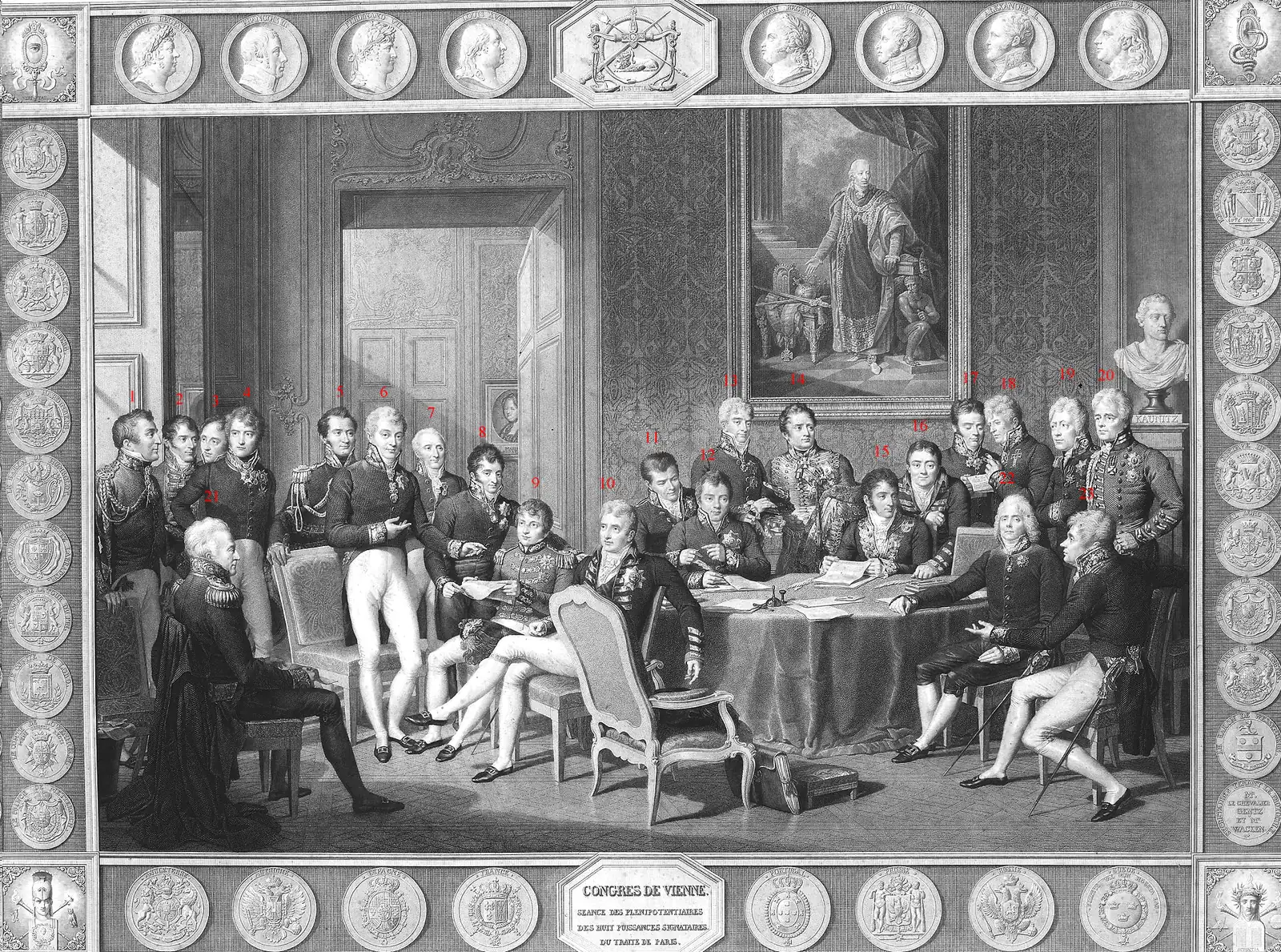
For the next three centuries, neutrality was more habit than policy. The cantons still exported mercenaries to foreign armies, a practice not fully banned until 1859. But the Confederacy itself stayed out of the wars that kept tearing Europe apart. After Napoleon's defeat, the great powers met at the Congress of Vienna in 1815 and made it official: they declared Switzerland's neutrality "perpetual."
The decision was not generosity. Austria, Prussia, Russia, and Britain wanted a buffer state between France and the Habsburg lands to the east, and Switzerland's Alps made the country expensive to invade. The great powers guaranteed Swiss neutrality because a neutral Switzerland served their own interests.
Armed neutrality through the world wars
Swiss leaders understood from the start that neutrality without a credible military was just an invitation. So they armed for it. When World War I began in August 1914, the Swiss Federal Council mobilized 220,000 soldiers within a week and deployed them along the borders. Both the German and French general staffs had drawn up plans to march through Swiss territory, and Switzerland's rapid mobilization helped persuade both that the cost was not worth it.
The harder test came in World War II. After France fell in June 1940, Switzerland was surrounded on all sides by Axis powers or Axis-aligned states. General Henri Guisan, a reserved, practical career officer from a farm near Lausanne, gathered 650 senior officers at the Rutli meadow on July 25, 1940, and laid out his plan. Switzerland would not try to hold its borders against a full German invasion. Instead, the army would fall back into the Alps, into a network of fortified tunnels, bunkers, and artillery positions known as the National Redoubt. The bridges and railway tunnels that Germany needed to move troops and supplies between Germany and Italy would be destroyed on the way in.
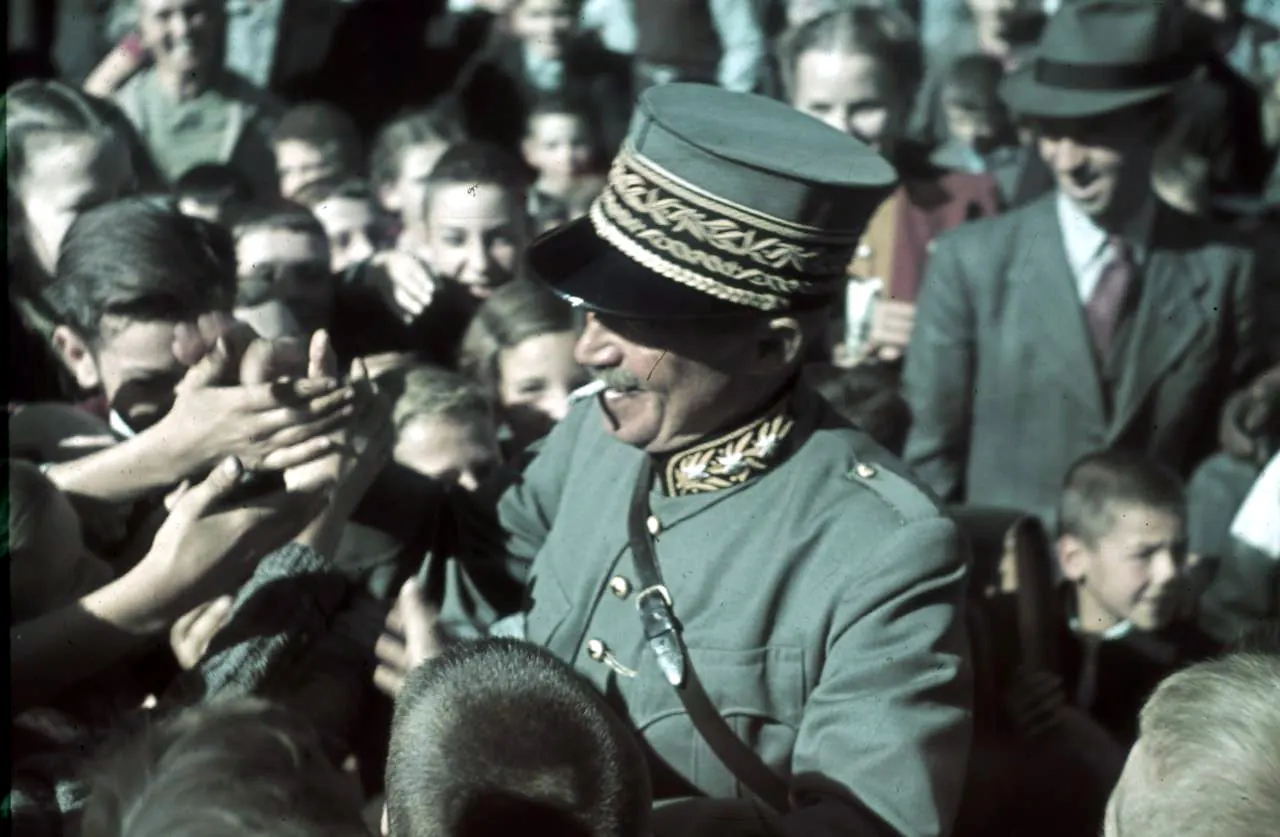
Germany drew up invasion plans for Switzerland, code-named Operation Tannenbaum. They were never carried out. The most common explanation is the one Guisan intended: taking Switzerland's mountain territory while losing the rail tunnels the Wehrmacht actually needed was a bad trade.
What neutrality built
Staying out of wars did more than keep Switzerland safe. It made the country useful to everyone else.
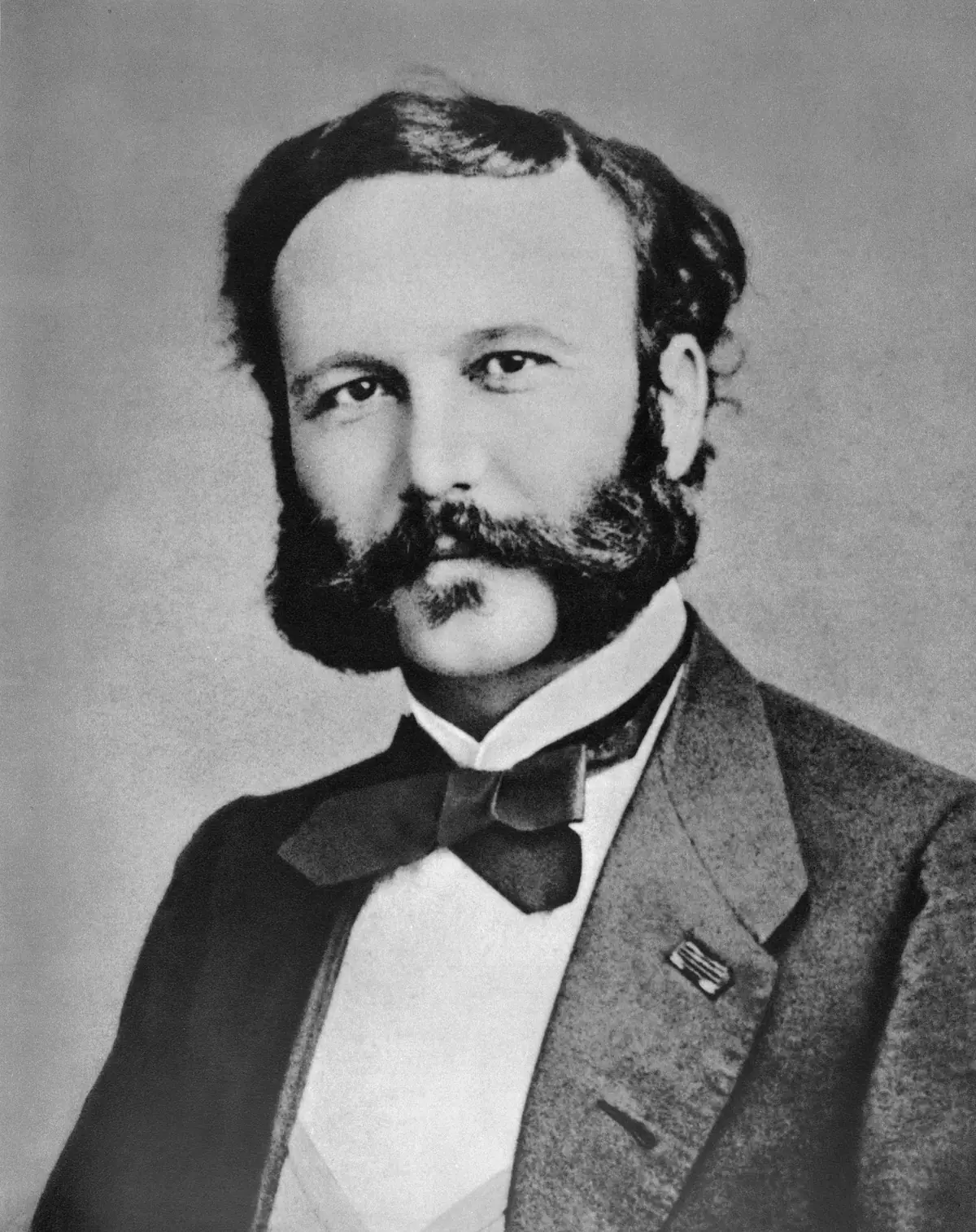
In 1863, a Geneva businessman named Henry Dunant published a book about the Battle of Solferino, where French and Austrian armies had left roughly 40,000 soldiers dead or wounded on the field with almost no medical care. Dunant proposed that every country create a volunteer society to help the wounded in wartime, and that medical workers be treated as neutral on the battlefield. The Swiss government hosted a diplomatic conference the following year that produced the first Geneva Convention. The organization Dunant helped create, the International Committee of the Red Cross, is still headquartered in Geneva.
Geneva kept accumulating institutions: the League of Nations in 1920, the United Nations' European headquarters after that, and today the World Health Organization, the World Trade Organization, and dozens of other international bodies. A country of nine million people hosts more international organizations than any other, and neutrality is the reason most of them chose it.
Banking followed the same logic. Swiss banking secrecy was written into federal law in 1934, making it a criminal offense for a banker to reveal client information. Combined with political stability and the assurance that Switzerland would not be pulled into a war, this made Swiss banks the default destination for wealth from around the world. Swiss banks today manage roughly a quarter of the world's cross-border private wealth.
The price of neutrality in World War II
Neutrality had a darker side, and during World War II, Switzerland paid for its survival in ways that took fifty years to confront.
The Swiss National Bank bought approximately $440 million in gold from Nazi Germany during the war. Some of that gold had been looted from the central banks of occupied countries. Some had been taken from Holocaust victims. In exchange, Switzerland provided Germany with Swiss francs and manufactured goods. Swiss officials argued, then and later, that economic cooperation was the price of survival for a country surrounded on every side by Axis territory and cut off from other trading partners. Critics respond that the scale went well beyond what survival required.
The refugee record was damaging too. In 1938, Swiss authorities requested that German passports held by Jewish citizens be stamped with a red "J" so border guards could identify and turn them away. The reckoning came in the 1990s, when revelations about dormant bank accounts belonging to Holocaust victims forced Swiss banks into a $1.25 billion settlement. The Bergier Commission, a government-appointed panel, concluded that Switzerland's refugee policy was driven in part by antisemitism and dismantled the story the country had told itself for half a century. Switzerland was militarily neutral during the war. Whether it was morally neutral is a question the Swiss have not fully settled.
Why neutrality is being tested now
For most of the postwar era, Swiss neutrality was comfortable. Switzerland sat in the middle of a peaceful, integrated Europe, traded freely with its neighbors, and avoided the political commitments that came with EU or NATO membership.
Russia's full-scale invasion of Ukraine in February 2022 changed that. Within days, the Swiss Federal Council adopted the European Union's sanctions against Russia, freezing more than 13 billion Swiss francs in Russian assets, including reserves belonging to Russia's central bank. President Ignazio Cassis called it "a unique and difficult step" and added: "Playing into the hands of an aggressor is not neutral."
The decision provoked a backlash. The Swiss People's Party, led by billionaire Christoph Blocher, argued that sanctions violated the neutrality that had protected Switzerland for centuries and collected enough signatures to force a national referendum. If the initiative had passed, Switzerland would have been barred from imposing sanctions on any country at war and from cooperating with NATO even in peacetime.
On September 27, 2026, 70 percent of voters said no, in every one of the country's 26 cantons. The margin settled the immediate question, but the larger shift is harder to undo. Switzerland now cooperates with NATO on training, shares intelligence with Western allies, and sanctions aggressors. Each step is a small departure from the strict neutrality of the past, and each one has been taken deliberately.
What has not changed is the calculation that has held since 1515: a small country surrounded by larger powers survives by making itself too costly to invade and too useful to exclude.
Test what you learned
5 questions on this article. About two minutes, no signup.