
Why the Middle East Depends on Ukrainian Grain
Egypt imports 13 million tonnes of wheat a year, and most of it crosses the Black Sea. When that route closes, the price of bread rises within weeks.
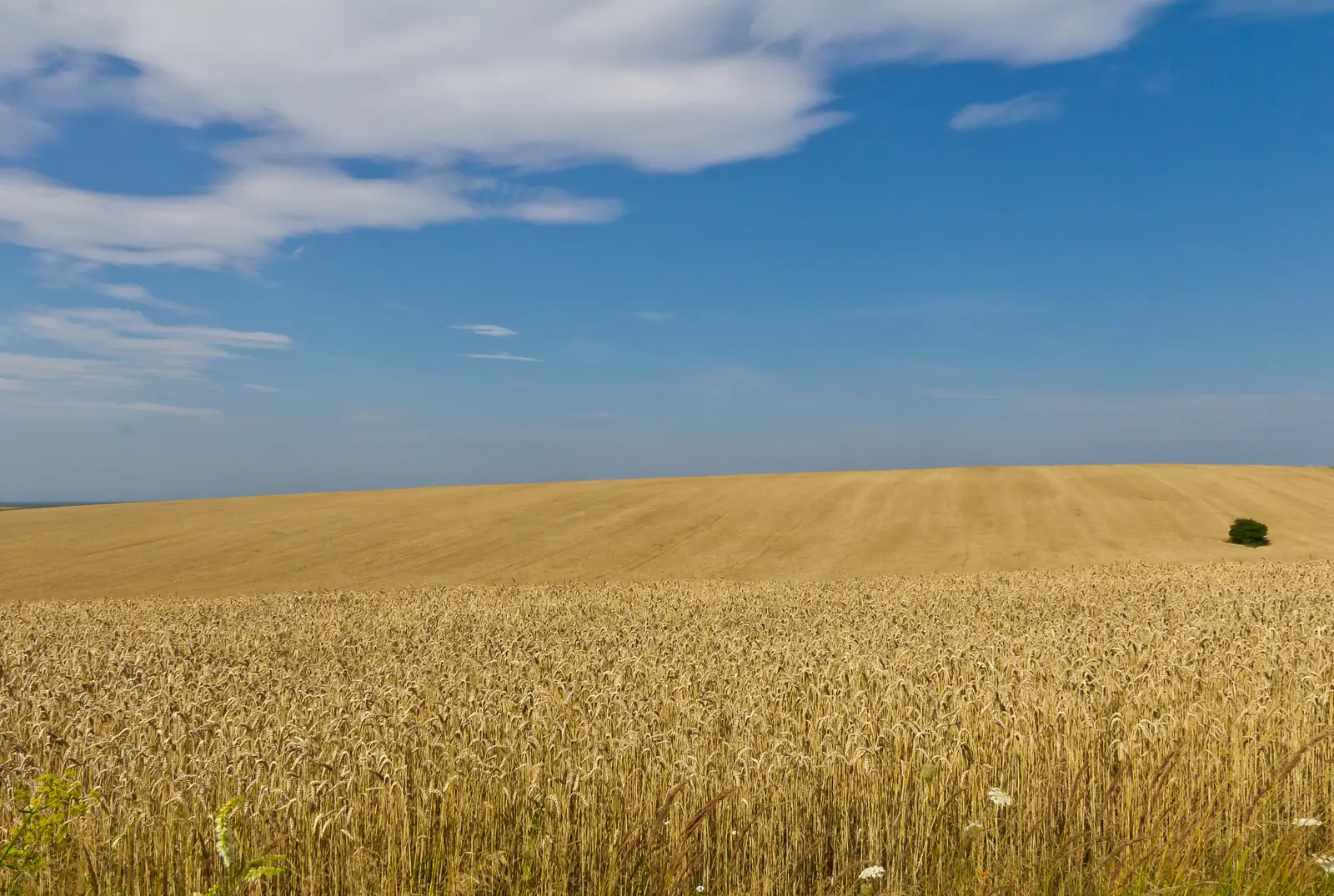
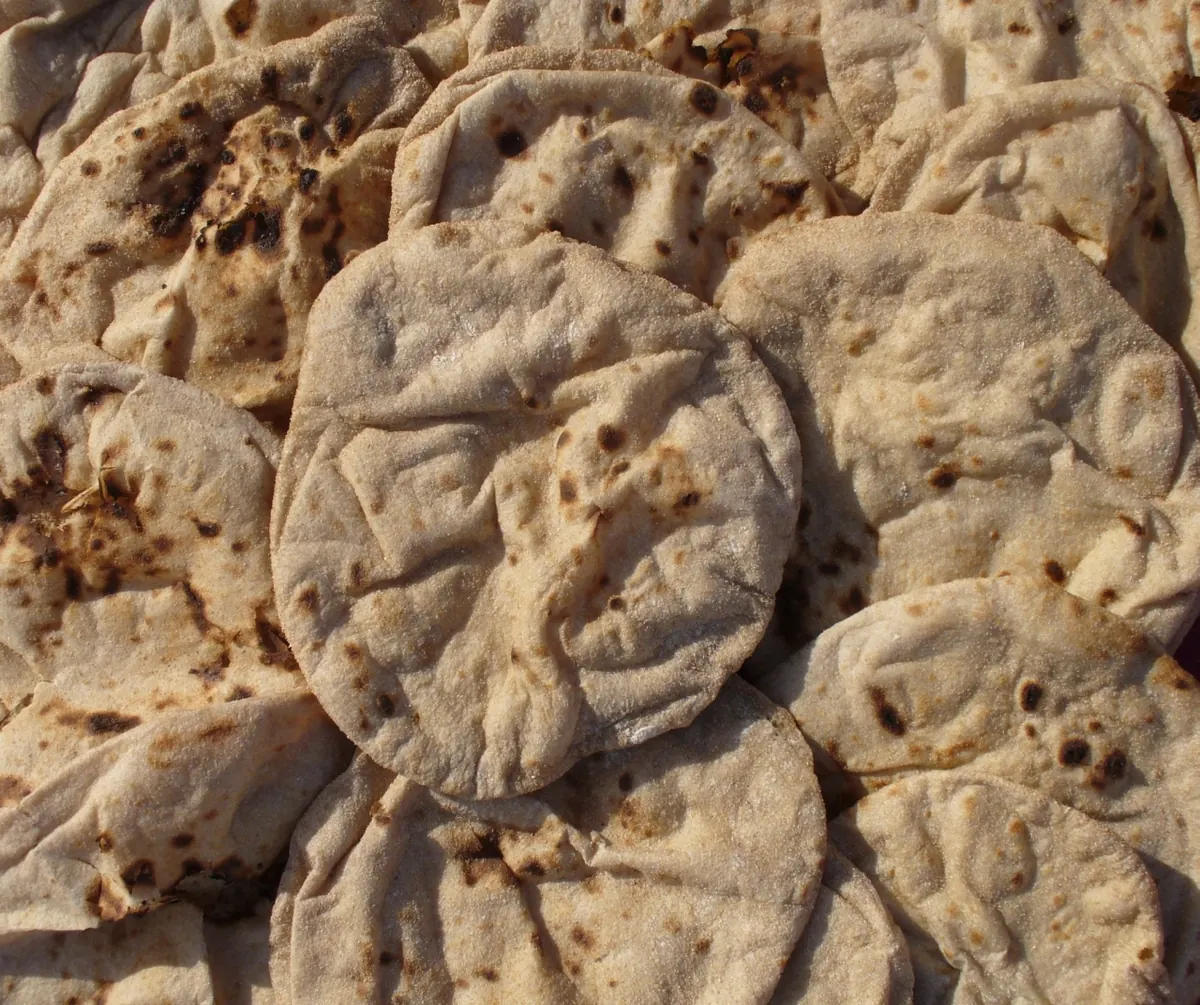
The word for bread in Egyptian Arabic is "aish." It means life. That is not poetic exaggeration. Egypt is the world's largest wheat importer: about 13 million tonnes a year, most of it turned into flat, round loaves called baladi that the government subsidizes and that roughly 70 million Egyptians eat every day. Before Russia invaded Ukraine in February 2022, about 80% of that wheat came from two countries, Russia and Ukraine, both shipping from the same body of water: the Black Sea.
When the Black Sea closes, the Middle East feels it first.
Where the grain grows
About a quarter of the world's chernozem lies inside Ukraine's borders. Chernozem is a deep black soil so fertile that occupying armies have literally carted it away: Nazi Germany shipped Ukrainian topsoil by the trainload during the Second World War, and the soil they took is still producing crops in German test plots today. In 2021, the last full year before the invasion, Ukraine harvested 86 million tonnes of grain and oilseeds. It was the world's fifth-largest wheat exporter, its second-largest corn exporter, and the source of roughly 42% of all sunflower oil traded globally.
Russia, just across the sea, is the world's largest wheat exporter: about 44 million tonnes in the 2024-25 season, roughly a fifth of all the wheat that crossed a border. Together, Russia and Ukraine accounted for about 30% of global wheat exports before the war.
Nearly all of it left the same way: by ship, from ports around Odesa and Chornomorsk, across the Black Sea, through the Bosphorus, and into the Mediterranean. Over 90% of Ukraine's grain exports went through those ports. The rail connections westward to Poland and Romania could handle only a fraction of the volume, and the Danube River ports were too small.
Who eats it
Egypt is the biggest buyer, but not the only one. Before the war, Lebanon imported about 75% of its wheat from Russia and Ukraine. Wheat makes up 38% of Lebanon's calorie intake, and the country had an additional problem: the explosion at Beirut's port in August 2020 destroyed the main grain silos, 120,000 tonnes of storage capacity gone. They were never fully rebuilt. When the war cut supply lines two years later, Lebanon had less than a month's worth of grain in reserve.
Tunisia bought roughly half its wheat from Ukraine. Yemen, already deep in a humanitarian crisis, sourced about 45% of its wheat from Russia and Ukraine. Across the Middle East and North Africa, the pattern repeated: country after country depending on grain from the Black Sea, with thin reserves and no quick alternative. In total, about 50 countries relied on Russia and Ukraine for at least 30% of their wheat imports. Most of them were in the Middle East and Africa.
What happened when Russia shut the sea
In February 2022, Russian warships closed Ukraine's Black Sea ports. More than 20 million tonnes of grain sat in silos with no way out. That March, the United Nations food price index hit 159.3, the highest level since the index began in 1990: up 12.6% from one month earlier, and a third above the year before. Global wheat prices rose nearly 20% in a single month. Egypt capped unsubsidized bread prices. Iraq and Sudan saw protests.
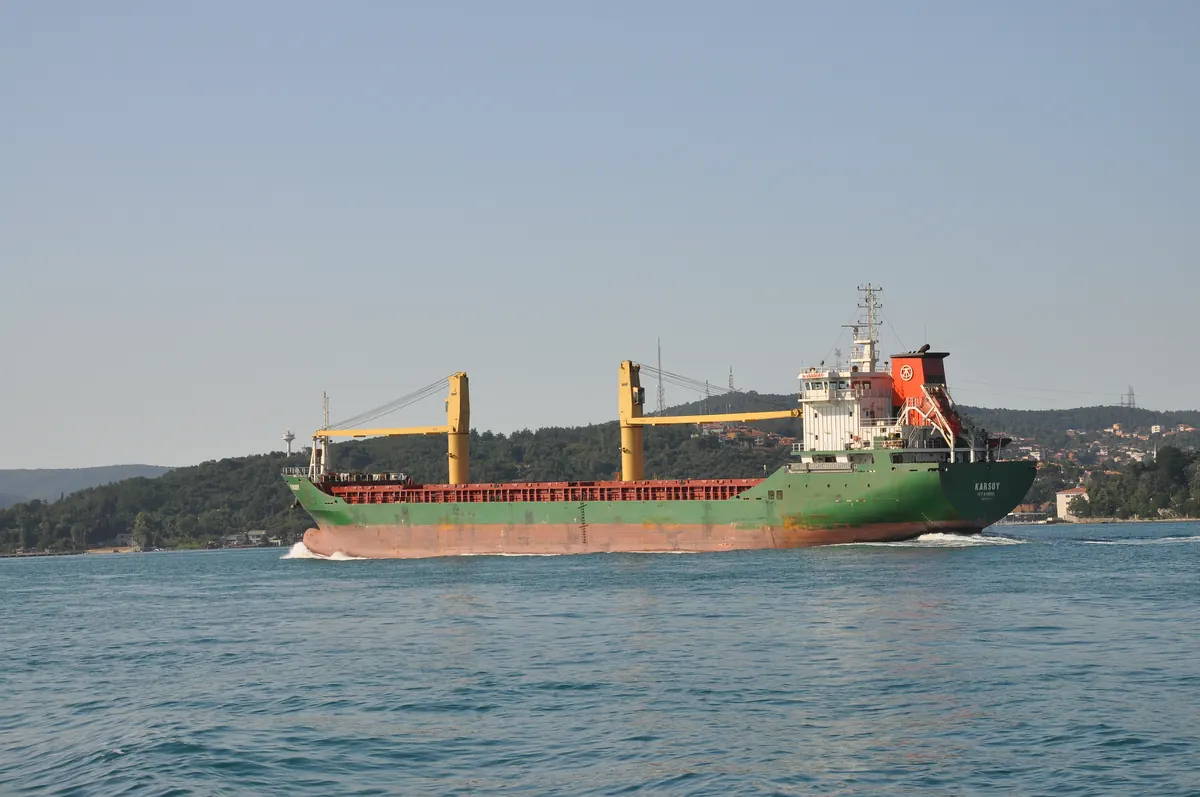
The deal that followed was called the Black Sea Grain Initiative. The UN and Turkey brokered it, and it was signed in Istanbul on July 22, 2022. It reopened three Ukrainian ports and created a safe corridor for grain ships, with inspections by a joint coordination center in Istanbul. On August 1, the first ship sailed out of Odesa under the deal: the MV Razoni, carrying about 26,000 tonnes of corn, bound for Tripoli, Lebanon. Over the next year the corridor moved about 33 million tonnes to 45 countries, the largest single customer being China.
Russia pulled out on July 17, 2023. Moscow said Western sanctions still blocked its own food and fertilizer exports, and that the grain was going to wealthy countries instead of poor ones. The more straightforward explanation, analysts noted at the time, was that disrupting the market raised grain prices, and higher prices benefited Russia as the world's largest wheat exporter.
The corridor Ukraine built without permission
After Russia tore up the deal, Ukraine opened its own shipping corridor in August 2023. The route hugged the western Black Sea coast, running through Romanian and Bulgarian territorial waters, inside NATO's borders, with no agreement from Russia and no UN involvement. Ukrainian missiles had already driven most of the Russian Black Sea Fleet out of its base in Crimea, and Ukraine's navy escorted the convoys through what remained.
Ukraine's grain exports in the year after the deal collapsed were higher than during the year the deal was in effect. By July 2026, the corridor had moved about 124 million tonnes of grain, and the Ukrainian navy had escorted more than 9,000 vessels through it in 2024 alone.
Then Russia changed its approach. Instead of trying to close the sea with a blockade, it started sinking what was on it. On July 19, 2026, a Russian strike hit the grain carrier Golden Leo off Odesa, killing ten crew members. Maersk and Hapag-Lloyd, two of the world's largest shipping companies, stopped sending vessels to Chornomorsk. World wheat prices rose about 20% in a month. Ukraine's grain exports in August 2026 fell to roughly a third of what they had been a year earlier.
Why the price of bread is a political question
The dependency runs deeper than trade numbers suggest, because in this part of the world, the price of bread is a political question with a specific history.
In January 1977, Egyptian President Anwar Sadat cut bread subsidies. Riots broke out within hours and the army had to restore order. The subsidies were reinstated immediately. After that, no Egyptian government touched the price for decades. The last adjustment before 2024 came under Hosni Mubarak in 1988 or 1989. In June 2024, facing annual subsidy costs of roughly 120 billion Egyptian pounds (about $2.5 billion), the government finally raised the price of a subsidized loaf from 5 piastres to 20 piastres, the first increase in more than 35 years.
The structural problem has not changed. Half a dozen countries in the Middle East and North Africa get a large share of their calories from grain that crosses one body of water, through ports that sit within range of one country's missiles. Ukraine's grain exports are still below prewar levels, and the US Department of Agriculture projects they will not recover this decade.
The Arab Spring did not begin with a political speech. In 2010, a Russian heatwave destroyed the wheat harvest and Moscow banned exports. Global wheat prices doubled. There were bread riots in Mozambique, and months later the president of Tunisia fled. The connection between a failed harvest on the Black Sea and a revolution on the Mediterranean is not a theory. It has already happened once.
Test what you learned
5 quick questions on this article. No signup, just you against the text.