
GATT
GATT was a 1947 trade agreement among 23 countries that cut tariffs through negotiating rounds until the WTO replaced it in 1995.
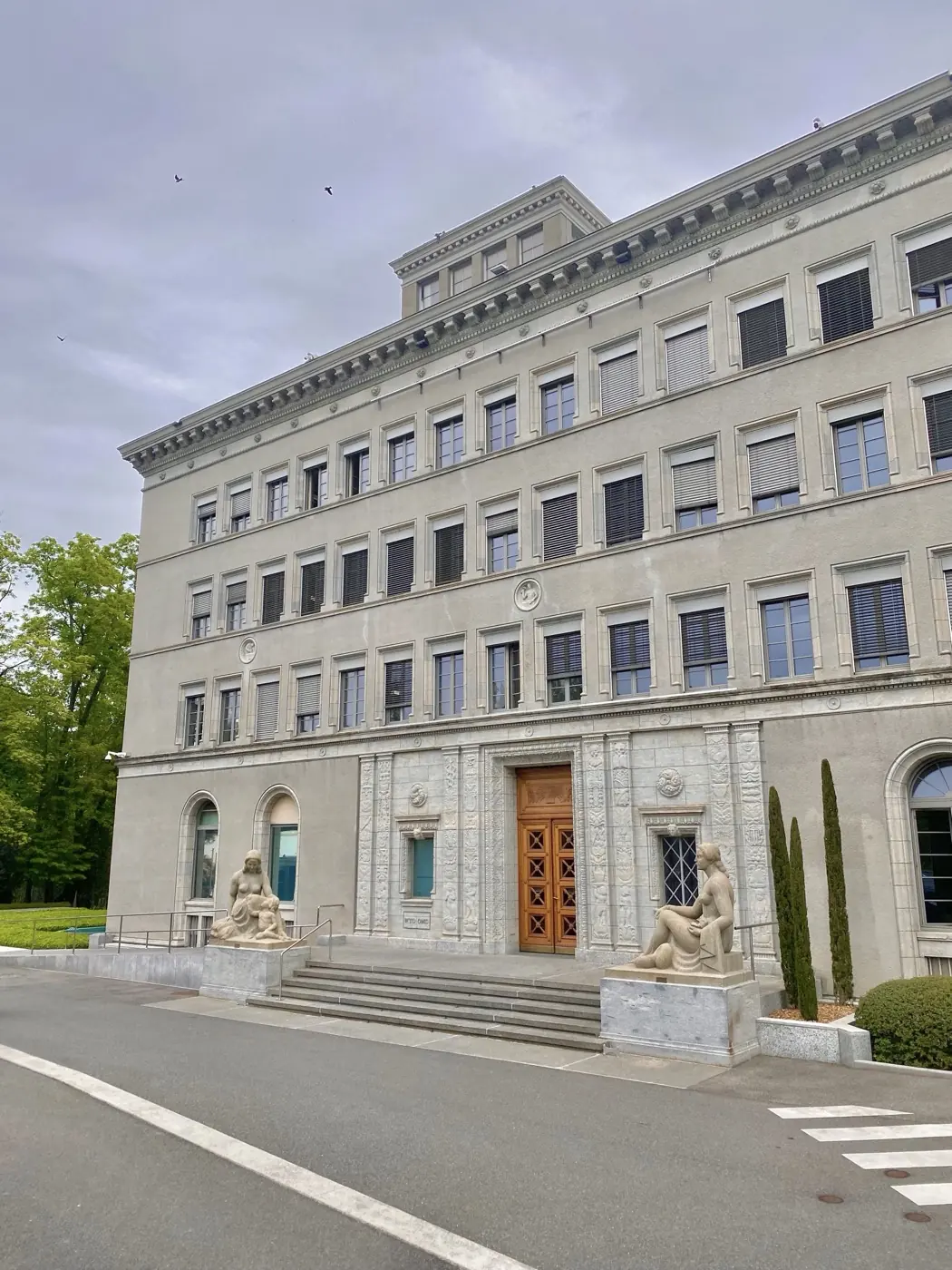
The General Agreement on Tariffs and Trade, known as GATT, was a treaty signed by 23 countries in Geneva on October 30, 1947. Its purpose was to lower the tariffs that governments charge on imports, so that trade between countries could grow. It was supposed to last only a few years. Instead, it governed most of the world's trade for nearly half a century. Over eight rounds of negotiations, GATT members brought average tariffs among industrial economies from about 22 percent to under 5 percent. For decades, global trade expanded more quickly than the world economy itself, and GATT became one of the economic foundations of the postwar order, alongside the Bretton Woods monetary system. The World Trade Organization took over from GATT on January 1, 1995.
How the 1930s trade wars led to GATT
In 1930, the United States passed the Smoot-Hawley Act, which raised tariffs on thousands of imported goods. Other countries retaliated with tariffs of their own. By 1934, world trade had fallen by roughly two-thirds. The collapse deepened the Great Depression and, in the view of the planners who rebuilt the world economy after the war, helped set the conditions for it.
The idea behind GATT came largely from Cordell Hull, who served as U.S. Secretary of State under Franklin Roosevelt from 1933 to 1944, longer than anyone else in the job before or since. Hull believed that open trade reduced the risk of war, and in 1934 he pushed Congress to pass the Reciprocal Trade Agreements Act, which let the president negotiate tariff cuts with individual countries. That law became the template for what GATT would do on a global scale.
After World War II, the Allied governments drew up plans for an International Trade Organization that would set trade rules worldwide, just as the International Monetary Fund would manage exchange rates and the World Bank would finance development. But the ITO charter was too ambitious for Washington. Members of Congress worried that such a large international body would have too much authority over American trade policy, and the Truman administration withdrew the charter rather than watch it fail. GATT was supposed to be the temporary arrangement that kept tariffs falling while the ITO got started. When the ITO died, the temporary arrangement became permanent.
How GATT cut tariffs through negotiating rounds
GATT had no parliament or executive. It was a set of rules and a process for negotiating new ones. A small secretariat in Geneva, housed from 1977 in a building called the Centre William Rappard, kept it running. But the real work happened in negotiating rounds, where member countries sat across from each other and traded tariff cuts: you lower your duty on our textiles, we lower ours on your steel.
The system ran on one central rule called the most-favored-nation principle. Any tariff cut a member gave to one trading partner had to be extended to every other member. A deal between the United States and France on wine tariffs became, automatically, a deal between the United States and every other GATT country. This meant concessions spread through the whole system, and the overall level of tariffs kept falling with each round.
The early rounds focused on cutting tariffs product by product. The Kennedy Round, from 1964 to 1967, changed the approach. Instead of negotiating each product separately, 62 countries agreed to cut industrial tariffs across the board by about 35 percent. The Tokyo Round, from 1973 to 1979, went further and began tackling non-tariff barriers like subsidies and technical standards that countries used to block imports even when tariffs were low.
The most ambitious round was the last. The Uruguay Round ran from 1986 to 1994, involved 123 countries, and extended trade rules into areas GATT had never covered: agriculture, textiles, services, and intellectual property. It also created the permanent institution that would replace GATT itself.
What is the difference between GATT and WTO?
GATT was a treaty with no formal institutional structure. The World Trade Organization, which took its place on January 1, 1995, is a permanent international organization with 166 members.
The biggest practical difference is enforcement. Under GATT, a country that lost a trade dispute could block the ruling from taking effect. The WTO created a binding dispute-settlement system with an appeals court, called the Appellate Body, whose decisions members could not simply veto. For the first time, international trade rules had real enforcement behind them.
The WTO also covers more ground. GATT applied only to trade in physical goods. The WTO agreements added rules on services, intellectual property, and investment measures.
In legal terms, the original GATT text is still in force as part of the WTO framework. Trade lawyers sometimes write "GATT/WTO" as shorthand for the rules-based trading system that has governed international commerce since 1947.
The trading system GATT built
GATT and the WTO together brought tariffs to historic lows and helped world trade grow to many times its 1947 level. The system is often described, alongside the IMF and the World Bank, as one of the economic pillars of the American-led postwar order.
That system is now under pressure. The WTO's negotiating function has been largely stalled since the Doha Round of talks collapsed without an agreement. The Appellate Body has not heard a case since 2019, after the United States blocked the appointment of new judges. Major economies increasingly impose tariffs on each other's goods, sometimes citing national security, in ways the original system was designed to prevent.
The agreements GATT negotiated between 1947 and 1994 still form the legal foundation of international trade.