
Lee Teng-hui
Lee Teng-hui was the president who democratized Taiwan and won its first direct presidential election in 1996.
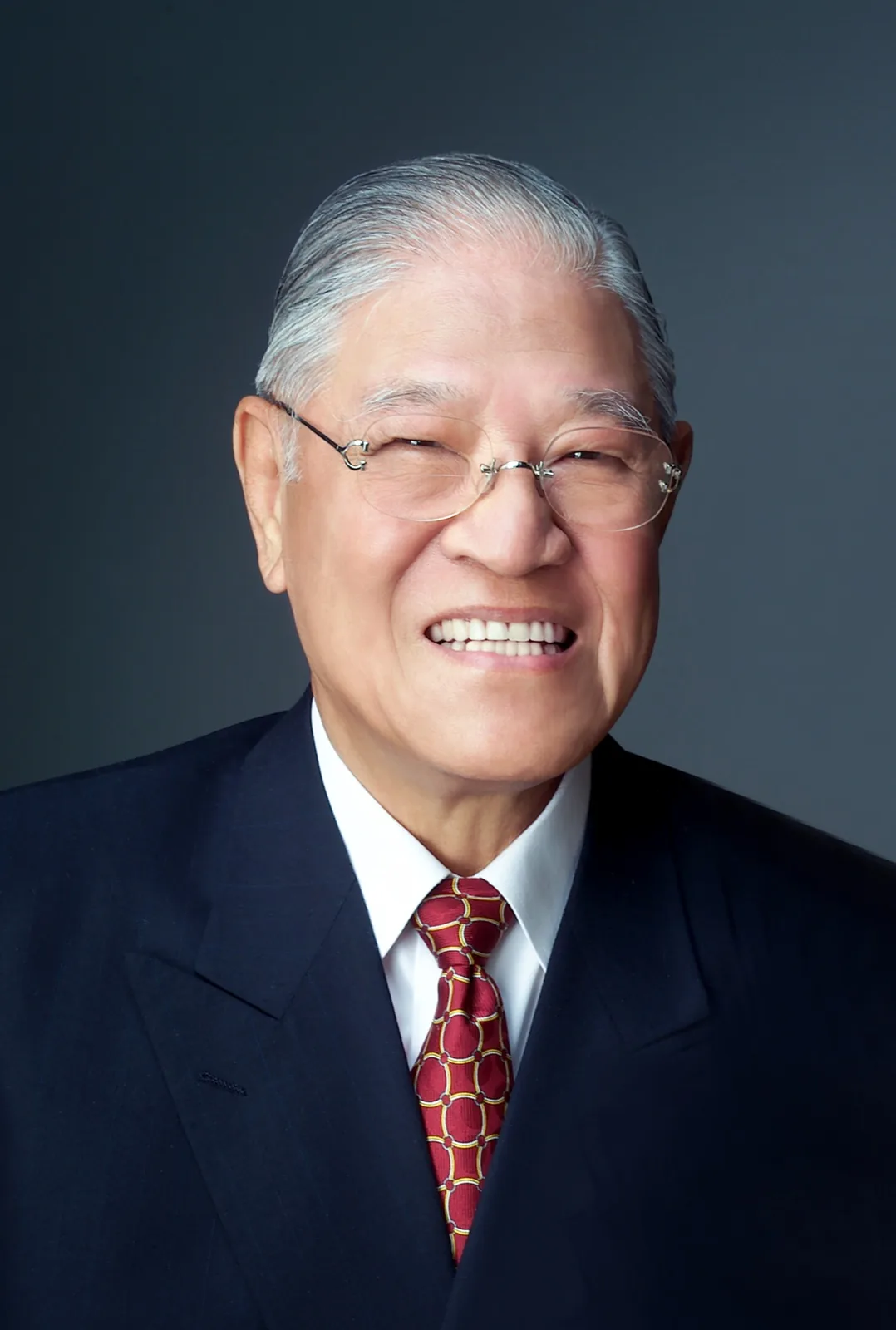
Lee Teng-hui was the president of Taiwan from 1988 to 2000 and the person most responsible for turning the island from a one-party dictatorship into a democracy. He was born in 1923 when Taiwan was a Japanese colony, studied agricultural economics, and received his doctorate from Cornell. In 1996 he won Taiwan's first direct presidential election with 54 percent of the vote, while China fired missiles into nearby waters to try to frighten voters into rejecting him. When he stepped down in 2000, the presidency passed peacefully to the opposition for the first time in Taiwan's history. Supporters called him "Mr. Democracy." Beijing called him a separatist. Both names pointed at the same thing he did.
How Lee Teng-hui rose through the KMT
Lee was born on January 15, 1923, in Sanzhi, a farming village near Taipei. Taiwan was a Japanese colony, and Lee grew up speaking Japanese and Hokkien before he learned Mandarin. His Japanese name was Iwasato Masao. He practiced kendo as a student, collected books all his life, and eventually spoke four languages. He studied agriculture at Kyoto Imperial University and served briefly as a second lieutenant in the Japanese army during World War II. After the war he earned a master's degree at Iowa State University in 1953 and a doctorate at Cornell in 1968. His Cornell dissertation, on capital flows in Taiwan's economic development, won an award for the best in its field in the United States.
He returned to Taiwan and entered government as a technocrat. The Kuomintang had ruled Taiwan since Chiang Kai-shek brought it from the mainland in 1949. Its leaders were mainlanders who had fled the communist victory. Lee was the first native-born Taiwanese to rise to the top of the party. He served as mayor of Taipei from 1978 to 1981, then as governor of Taiwan Province, and in 1984 he became vice president under Chiang Ching-kuo. Chiang was the son of Chiang Kai-shek and had continued his father's authoritarian rule. By every appearance, Lee was a quiet, bookish agricultural economist who posed no threat to the party's grip on power.
Chiang Ching-kuo died on January 13, 1988, and Lee succeeded him as president. Within a few years it became clear that the quiet technocrat intended to remake the system from within.
How Lee Teng-hui democratized Taiwan
Lee moved quickly. He repealed the wartime constitutional provisions that had kept democratic politics suspended since the late 1940s. He legalized opposition parties and freed the press. He forced the aging legislators who had held their seats since 1948 to retire. They still claimed to represent districts on the mainland they had not visited in decades. He encouraged a separate Taiwanese identity, bringing local languages and history into schools and public life. For decades the KMT had insisted Taiwan was simply a Chinese province in waiting. Lee rejected that framing.
In the early 1990s, Lee steered constitutional amendments through that created a direct vote for president. Then he ran in the election he had created. On March 23, 1996, Lee won Taiwan's first direct presidential election with 54 percent of the vote. China had been firing missiles into waters near Taiwan for months to intimidate voters, but the threats only seemed to strengthen his support.
The confrontation with Beijing had started the year before. In June 1995, Lee visited Cornell University, his alma mater, and gave a speech about Taiwan's path to democracy. Beijing saw the visit as a step toward formal independence and responded with missile tests and military exercises that escalated into the Third Taiwan Strait Crisis. In 1999, Lee pushed further. In an interview with Deutsche Welle, he described cross-strait relations as a "special state-to-state relationship." Beijing read the wording as a claim to separate statehood.
When Lee stepped down in 2000, the presidency passed peacefully to Chen Shui-bian of the opposition Democratic Progressive Party. It was the first time a ruling party in any Chinese-speaking society had handed power to the opposition through a democratic vote. In about twelve years, Lee had taken a one-party dictatorship and turned it into a functioning democracy.
Why is Lee Teng-hui called Mr. Democracy?
The nickname came from the scale of what he accomplished. Lee did not inherit a democracy or defend one. He built one from inside the authoritarian party that had given him power, then dismantled that party's control over the state.
After leaving office, Lee argued openly for formal Taiwanese independence, a position he had only hinted at as president. The KMT expelled him in September 2001. He spent his remaining years as a private citizen who no longer hid what he believed. He died on July 30, 2020, at the age of 97.
The democracy Lee built has held. Taiwan has transferred the presidency between rival parties three times since 2000. In 2026, Freedom House ranked the island as the second-freest country in Asia, behind only Japan. Taiwan is also at the center of the world's most volatile territorial dispute, because the insistence on self-governance that Lee championed is the thing China considers unacceptable. Lee never tried to separate those two facts. He believed the democracy was worth the risk, and he said so for the rest of his life.