
Thucydides
Thucydides was an Athenian general and historian who wrote the History of the Peloponnesian War.
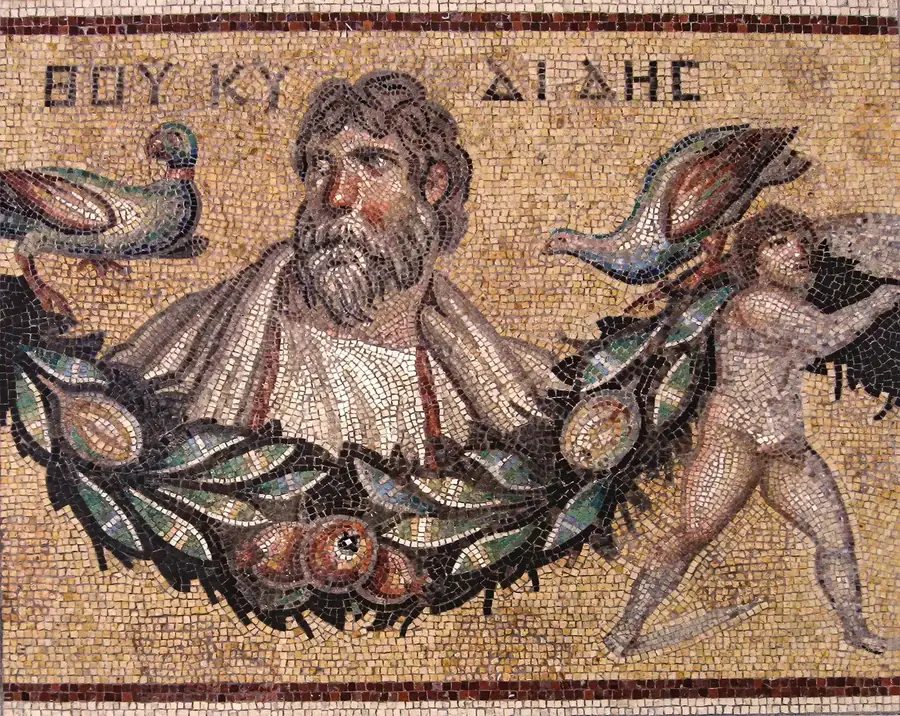
Thucydides was an Athenian general and historian who lived from about 460 to about 400 BC. He wrote the History of the Peloponnesian War, the account of the 27-year war between Athens and Sparta that ended Athenian dominance in Greece. The book is unfinished, breaking off in 411 BC, seven years before the war ended. Thucydides is widely considered the first historian to take a scientific approach to his subject. Herodotus, who wrote a generation before him, attributed events to oracles, prophetic dreams, and the jealousy of the gods. Thucydides dropped all of that. He looked for causes in the decisions of leaders and the situations states found themselves in, and that method shaped how people have studied war and politics ever since.
Why was Thucydides exiled?
Thucydides was born around 460 BC into an aristocratic family with roots in Thrace, the region north of the Aegean. His father was named Olorus. Thucydides owned gold mines at Scapte Hyle on the Thracian coast, and his wealth and connections in the area later got him a military command there.
In 424 BC, the Spartan general Brasidas marched on Amphipolis, an important Athenian colony in Thrace. Thucydides was stationed at Thasos, about half a day's sail away, with a small fleet. He sailed immediately but arrived too late. Amphipolis surrendered. Athens blamed Thucydides for the loss and exiled him for twenty years.
The exile gave Thucydides something no other historian of the war had: access to both sides. Barred from Athens but free to travel, he spent the rest of the war interviewing Athenian and Spartan commanders, diplomats, and soldiers. He said he was writing for readers who would face similar situations in the future, since people in similar positions tend to act in similar ways.
His description of the plague that struck Athens in 430 BC shows the method. Thucydides lists the symptoms in order, from fever to skin lesions, and notes that he caught the disease himself and survived. He records that neither prayer nor medicine did any good against it. He does not blame the gods or speculate about divine punishment. He describes what happened and what it did to the city.
What Thucydides argued about the causes of war
Both sides gave reasons for fighting. The Spartans and Athenians argued over the island of Corcyra, over the colony of Potidaea, and over a trade embargo against Megara. Thucydides sets out these grievances in detail and then calls them pretexts. The real cause, he argues, was the one nobody wanted to say openly: Sparta watched Athens grow stronger year after year and concluded that fighting sooner was better than fighting later.
That argument became one of the most influential ideas ever put forward about why wars start. It separated what leaders said from the structural pressures pushing them toward conflict. Hans Morgenthau and Kenneth Waltz, the two most important realist thinkers of the twentieth century, both built on it. Graham Allison borrowed the idea, gave it the name "Thucydides Trap" in 2012, and applied it to competition between Beijing and Washington in his 2017 book Destined for War. Scholars disagree about whether the pattern repeats reliably. Thucydides was explaining one particular conflict, not proposing a universal rule. The Orbis blog covers the Thucydides Trap and the Peloponnesian War in detail.
Thucydides' Melian Dialogue
In 416 BC, Athens sent representatives to Melos, a small neutral island in the Aegean that Athens intended to absorb into its empire. Thucydides presents the exchange between Athens' representatives and the council of Melos as a dialogue, the most famous passage in the History.
The Melians appealed to fairness, to the gods, and to their kinship with Sparta, hoping the Spartans would come to their aid. The Athenians told the Melians there was no point discussing fairness. In their view, questions of right and wrong only arise between states of equal strength. States with power use it, and states without power accept what is done to them.
The Melians refused to submit. Athens besieged the island, took it, killed every man old enough to fight, and enslaved the women and children. Thucydides does not state his own opinion of what Athens did. Realists have read the passage as an honest account of how power works between states. Others see it as a condemnation, because in the very next book of the History Athens launched the Sicilian expedition. That campaign cost the city most of its fleet and tens of thousands of soldiers, and set Athens on the path to losing the war. Thucydides shows the logic of power and its consequences and leaves the reader to decide.
Why Thucydides still matters
Thomas Hobbes published the first English translation of Thucydides made directly from the Greek in 1629. The History has not gone out of use since. Military academies and international relations programs still assign it for the analytical habits it teaches. Examine the position a country is in rather than its public statements. Treat the official explanation as incomplete. Record what each side actually said in its own words. That approach to understanding politics between states started with Thucydides.