
U-2 Incident
The U-2 incident was the 1960 shootdown of an American spy plane over the Soviet Union that exposed CIA overflights and wrecked a superpower summit.
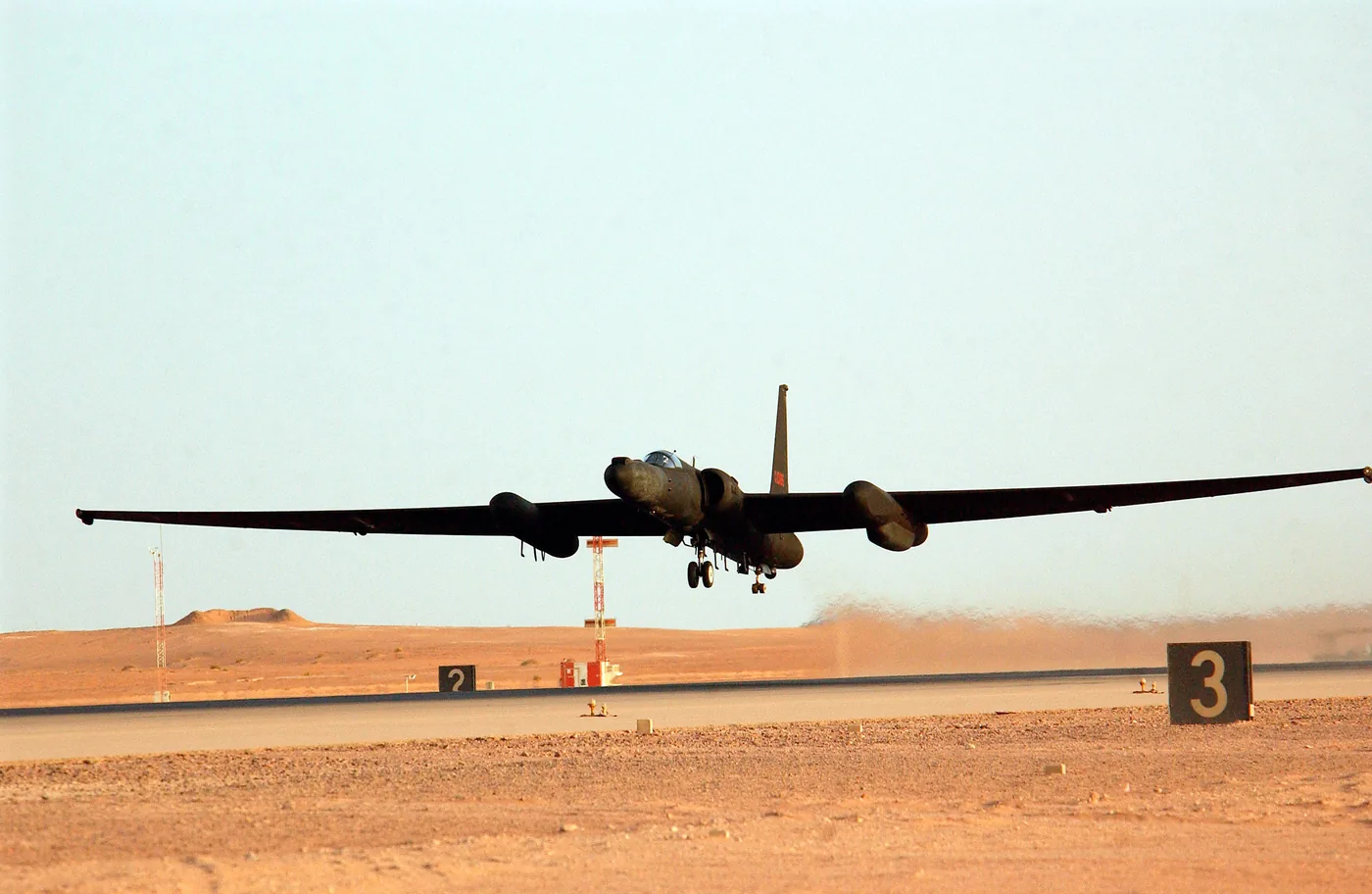
On May 1, 1960, a Soviet missile shot down an American U-2 spy plane flying more than twelve miles above Soviet territory. The pilot, Francis Gary Powers, survived and was captured. For four years the CIA had been sending U-2s over the Soviet Union to photograph missile sites, airfields, and weapons factories. The Soviets knew the planes were there but could not reach them. When they finally brought one down, the United States was caught lying about the flights, a summit between the superpowers collapsed, and the Cold War grew more dangerous at the moment it had seemed ready to ease.
How the CIA built the U-2 spy plane
In the early 1950s the United States had almost no way to see inside the Soviet Union. The country was enormous, closed to outsiders, and protected by radar and fighters that could intercept any conventional aircraft. The CIA asked Lockheed engineer Clarence "Kelly" Johnson to solve the problem. Working at Lockheed's secret Skunk Works facility in Burbank, California, Johnson designed a plane built entirely for altitude. The U-2 was a jet-powered glider with unusually long wings, stripped of armor, weapons, and every ounce of unnecessary weight. It could reach about 70,000 feet, higher than any Soviet fighter or anti-aircraft missile could reach at the time. Its cameras were powerful enough to photograph individual buildings from that height.
The first U-2 flew in August 1955, and by mid-1956 the CIA was sending them over the Soviet Union. The flights gave Washington its first clear look at Soviet military strength: launch pads, bomber bases, submarine yards. The plane was fragile, difficult to handle, and had no weapons or armor. Its only protection was altitude, and the CIA believed that would be enough.
How the U-2 was shot down over the Soviet Union
On the morning of May 1, 1960, Powers took off from Peshawar, Pakistan, on a route that would cross the entire Soviet Union and land at Bodø, Norway. Near the city of Sverdlovsk (now Yekaterinburg), a Soviet S-75 surface-to-air missile battery fired on the U-2. At least one missile detonated close enough to cripple the aircraft, and Powers bailed out and parachuted to the ground. He was captured immediately. In the same engagement, another Soviet missile battery accidentally shot down a Soviet MiG-19 fighter that had scrambled to intercept the U-2. Its pilot, Sergei Safronov, was killed.
Officials in Washington believed Powers had been killed and the aircraft destroyed. The government issued a false explanation: NASA told reporters that a "weather research" plane based near Adana, Turkey, had drifted off its planned route when the pilot's oxygen equipment failed. Nikita Khrushchev, the Soviet leader, waited. He let the Americans repeat the story for several days. Then on May 7 he told the Supreme Soviet that the pilot was alive, that the Soviets held the wreckage and its cameras, and that the cover story was a lie. President Eisenhower was left having told the world something that was not true.
Two weeks later, on May 16, Eisenhower, Khrushchev, and the leaders of Britain and France gathered in Paris for a summit meant to ease tensions over Berlin. Before any discussions began, Khrushchev demanded that Eisenhower apologize for the flights. Eisenhower refused. Khrushchev's delegation left the room, and the meeting fell apart after a single day.
What happened to Francis Gary Powers?
In August 1960, a Soviet court found Powers guilty of espionage and gave him a ten-year sentence, split between three years in prison and seven years of hard labor. He served fewer than two years. On February 10, 1962, Powers was exchanged for Rudolf Abel, a Soviet intelligence officer the FBI had caught running a spy network out of Brooklyn in 1957. The swap took place on the Glienicke Bridge between West Berlin and Potsdam. The bridge became known as the "Bridge of Spies." As part of the same deal, East Germany released Frederic Pryor, an American economics student.
Back in the United States, Powers faced suspicion from people who questioned whether he should have destroyed the plane rather than let himself be captured. The CIA cleared him after a debriefing, and he went to work as a test pilot at Lockheed. He later became a helicopter pilot for KNBC television in Los Angeles, reporting on traffic. On August 1, 1977, his helicopter ran out of fuel and crashed in Encino, California, killing Powers and his cameraman. He was 47. In 2012, more than fifty years after the shootdown, the Air Force posthumously awarded him the Silver Star for the courage he showed during nearly two years of Soviet captivity.
The U-2 program continued after the shootdown. In October 1962, a U-2 spotted Soviet nuclear missile sites under construction in Cuba, and that discovery triggered the Cuban Missile Crisis. The incident that ended a chance to ease Cold War tensions came from the same reconnaissance program that helped prevent a nuclear war two years later.