
Unit 731
Unit 731 was a secret Japanese army unit that conducted biological warfare experiments on prisoners in occupied Manchuria during World War II.
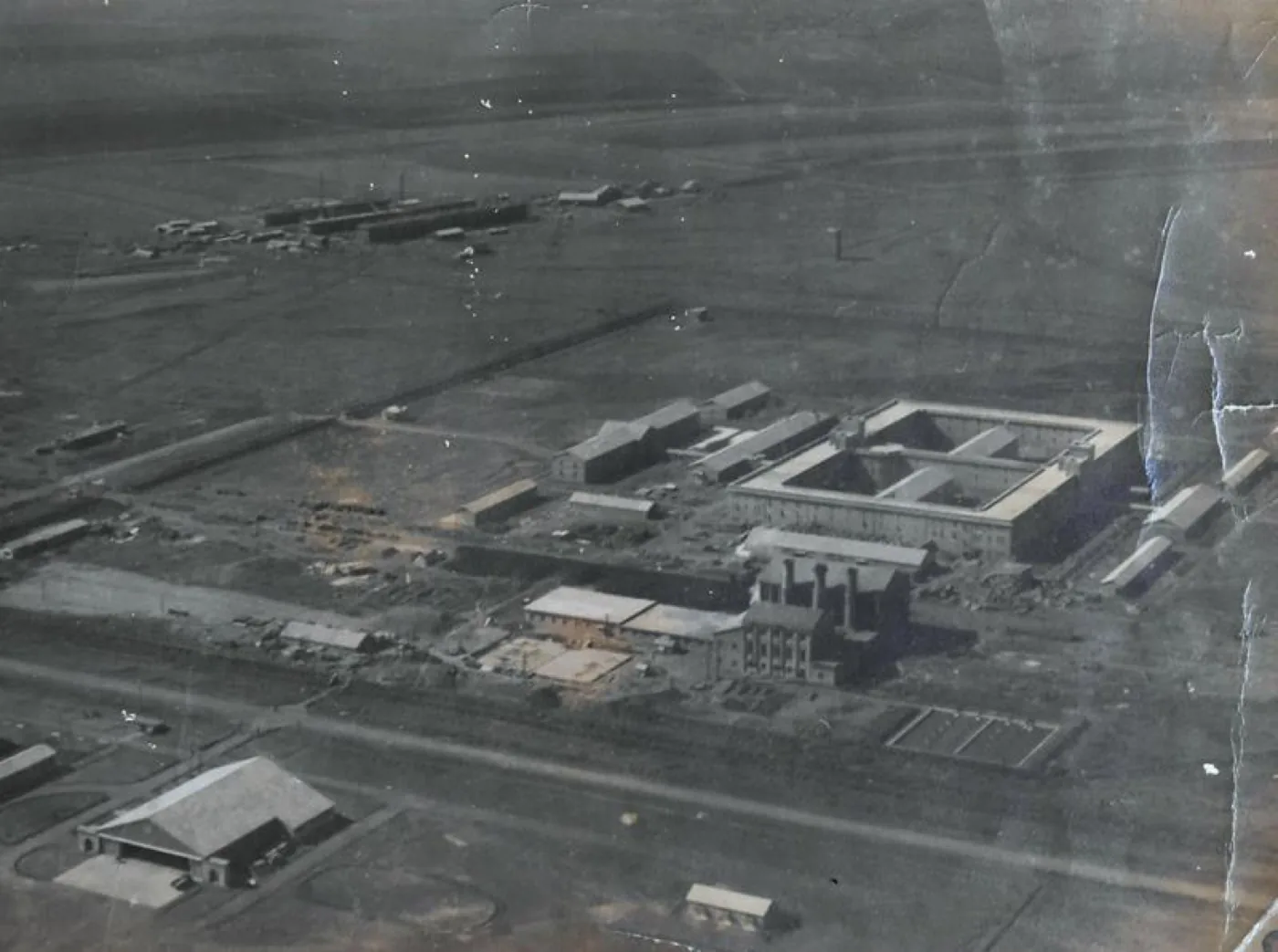
Unit 731 was a secret biological warfare unit of the Japanese army that operated from 1936 to 1945 in Manchuria, the Japanese-occupied region of northeast China. It appeared in Kwantung Army records as the Epidemic Prevention and Water Purification Department, and its stated purpose was purifying water for troops. In reality, it developed plague, anthrax, and cholera as weapons and tested them on living prisoners. The unit was led by Shiro Ishii, a military doctor who argued that Japan should build germ weapons precisely because other countries had agreed to ban them. At least 3,000 prisoners died inside the unit's compound near Harbin, and the total death toll from Japan's biological warfare program is estimated in the hundreds of thousands. After the war, the United States granted Ishii and his senior staff immunity from war crimes charges in return for access to their research.
How Shiro Ishii built Unit 731
Ishii was born in 1892 in Chiba Prefecture, east of Tokyo, and studied medicine at Kyoto Imperial University. He joined the army as a surgeon, toured Western laboratories in the late 1920s, and returned convinced that biological weapons could give resource-poor Japan a decisive military advantage. He began small-scale research in the early 1930s and by 1936 had begun building a large walled compound in the Pingfang district outside Harbin. The compound held laboratories, animal pens, a prison, and a crematorium, all staffed by about 300 physicians and scientists working under heavy military secrecy. Ishii commanded the unit until 1942, when Masaji Kitano replaced him. Ishii took command again in March 1945 and kept it until August, when Soviet troops advanced into Manchuria and the staff destroyed the compound's buildings and records.
The unit mass-produced pathogens, primarily plague, anthrax, and cholera, and deployed them against civilian populations. Japanese aircraft released plague-carrying fleas over cities in China, including Ningbo in 1940 and Changde in 1941, causing outbreaks of bubonic plague. Similar units operated elsewhere in China. Estimates of deaths from Japan's entire biological warfare campaign range from 200,000 to 300,000, though the true number is unknown because the Japanese military destroyed most of its records.
What did Unit 731 do to its prisoners?
The prisoners held at Pingfang were Chinese, Russian, Korean, and Mongolian civilians and soldiers. The staff referred to them as "maruta," the Japanese word for logs. Unit 731 infected prisoners with plague, cholera, typhoid, and other diseases, then documented how the infections progressed. Doctors performed surgery on living subjects without anesthesia to observe how diseases damaged internal organs. Other experiments tested the effects of frostbite, extreme pressure, and weapons on the human body. The results were recorded in detailed, systematic reports.
An estimated 3,000 or more people died inside the compound. Some historians put the number higher, at 10,000 or more.
Why was no one from Unit 731 punished?
After Japan's surrender in August 1945, General Douglas MacArthur's occupation government made a secret deal with Ishii and his senior colleagues. In exchange for handing over their biological warfare research, the men received immunity from war crimes charges. They were never indicted at the Tokyo tribunal. The research they handed over turned out to add little to what American biological warfare programs already knew.
In December 1949, a Soviet court in Khabarovsk tried twelve Japanese servicemen, including members of Unit 731, and sentenced them to labor camps. The Western powers dismissed the proceedings as propaganda.
Most of the men who ran Unit 731 returned to ordinary lives in Japan. Several built prominent postwar careers. Ryoichi Naito, a former army doctor from the unit, co-founded the Japan Blood Bank in 1950. The company later became Green Cross Corporation, one of Japan's largest pharmaceutical companies. Masaji Kitano, who had commanded the unit from 1942 to 1945, became a director of the same company. Ishii faced no consequences. He died of throat cancer in Tokyo on October 9, 1959, at 67.
Unit 731 today
The Japanese government has never issued a formal apology for the unit's actions. In 2002, a Tokyo district court ruled for the first time that the Imperial Army had used biological weapons in China, but dismissed compensation claims from Chinese victims. The American immunity deal remained classified for decades and became public only as United States government records were declassified and Japanese journalists and scholars reconstructed the history.
The site of the Pingfang compound is now a museum. Its former headquarters building reopened to the public in December 2024. The episode remains a lasting source of tension between China and Japan, part of a broader disagreement over how Japan's wartime conduct should be remembered and whether Japan has adequately accounted for it.