
Winter War
The Winter War was the 105-day Soviet invasion of Finland in 1939-1940 that cost Finland a tenth of its territory but not its independence.
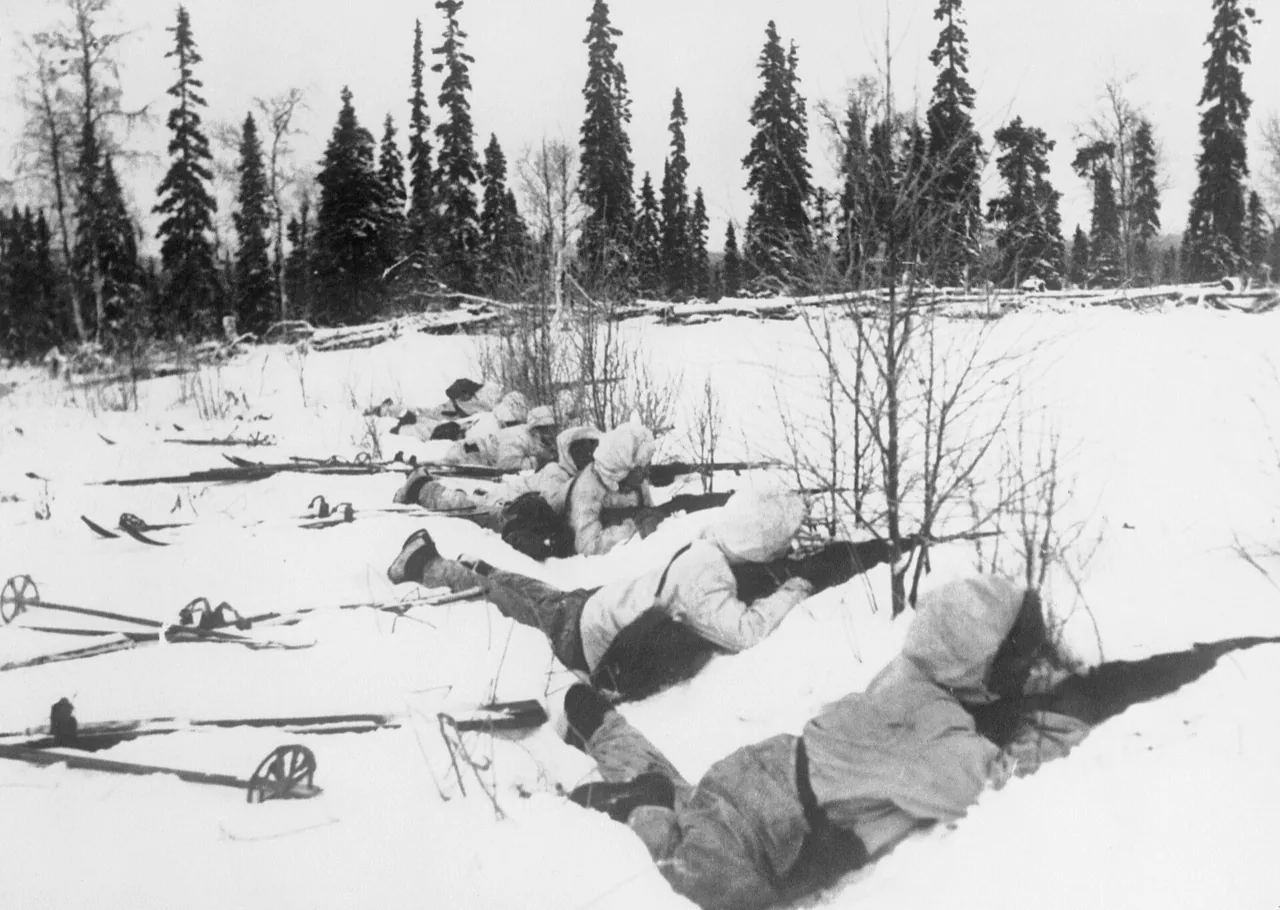
The Winter War was a 105-day war between the Soviet Union and Finland, fought from November 30, 1939, to March 13, 1940. The Soviet Union invaded with an army several times larger than anything Finland could field and expected to win in about two weeks. Finland held out for more than three months. The Red Army suffered about 127,000 killed and missing. Finland lost about 26,000. In the peace settlement, Finland gave up about a tenth of its territory, including its second-largest city, but kept its independence. Adolf Hitler watched the war closely and concluded that the Soviet military was weak. That judgment was one factor in his decision to invade the Soviet Union eighteen months later.
Why the Soviet Union invaded Finland
The war's origin was the Molotov-Ribbentrop Pact of August 1939. A secret protocol in the pact assigned Finland to the Soviet sphere of influence. That fall, the Soviet government insisted that Finland push its Karelian frontier further from Leningrad. The city sat only about 20 miles from Finnish territory. Moscow also demanded several islands in the Gulf of Finland and a 30-year lease on the Hanko peninsula for a naval base. In exchange, it offered Finland a larger but less useful stretch of forest in Karelia. Finland refused.
On November 26, 1939, Soviet artillery shelled the Soviet village of Mainila near the Finnish border. Moscow blamed Finland for the attack. Four days later, the Red Army crossed the border.
How Finland fought the Soviet Union
Finland's commander-in-chief was Carl Gustaf Emil Mannerheim, 72 years old. He had spent 30 years as an officer in the Russian Imperial Army, including a two-year intelligence mission on horseback across Central Asia for the Tsar. In 1918, he led the White forces in Finland's civil war. He came from a Swedish-speaking noble family and spoke Finnish as a second language.
The Soviet officer corps had recently been through Stalin's purges. Soviet columns pushed down the few available forest roads in long formations, vehicles packed nose to tail. Temperatures dropped to 40 degrees below zero. Finnish ski troops, dressed in white camouflage, split the Soviet columns into isolated pockets, blocked escape in both directions, and wiped them out one at a time. The Finns called this tactic "motti," a Finnish word for a cubic meter of chopped firewood.
In the battles at Suomussalmi in December 1939 and along the Raate Road the following month, Finnish forces destroyed two Soviet divisions that badly outnumbered them. The Finns were short of equipment, especially anti-tank weapons, and made do with fuel-filled bottles they threw at Soviet tanks. They named these "Molotov cocktails" after Soviet foreign minister Vyacheslav Molotov. Molotov had said on the radio that Soviet planes over Helsinki were dropping food to the Finnish people. The planes were dropping bombs.
The most famous Finnish fighter was Simo Hayha, a five-foot-three farmer from near the Soviet border who served as a sniper in white camouflage. He used iron sights instead of a telescopic scope, because a scope would catch the light and raise his head above the snow. Finnish military records credit him with over 500 kills during the war's hundred days. A week before the war ended, an explosive bullet hit him in the face and shattered his jaw. He survived and lived to 96.
In February 1940, the Soviet command gave up on maneuvering through the forests. They concentrated their artillery on the Karelian Isthmus and broke through the Finnish defensive line with sustained bombardment. Finland's army was exhausted and running out of men. Finland asked for peace.
How did the Winter War end?
Finland and the Soviet Union signed the Moscow Peace Treaty on March 12, 1940. Finland gave up about 35,000 square kilometers, roughly a tenth of the country. The lost territory included the entire Karelian Isthmus, Finland's second city Viipuri (now Vyborg, Russia), the town of Salla, and several islands. Finland also gave the Soviet Union a 30-year lease on the Hanko peninsula.
About 400,000 Karelians fled their homes and settled elsewhere in Finland. Hardly any chose to remain under Soviet rule.
The war cost the Red Army about 127,000 killed and missing. Finland lost roughly 26,000, from a population of fewer than four million.
The Winter War's legacy for Finland
From 1941 to 1944, Finland fought a second war, this time alongside Germany. Finns call it the Continuation War, and Finland lost it too. The 1947 peace settlement upheld the borders set in 1940 and imposed reparations on Finland.
In 1948, Finland agreed to a friendship and cooperation treaty with Moscow. Under its terms, Finland promised to defend against any military move on the Soviet Union that crossed Finnish soil and to avoid joining alliances that Moscow opposed. In return, Finland kept control of its domestic affairs. This arrangement became known as "Finlandization."
Because of the Winter War, Finland kept universal conscription, a large reserve force, and one of Europe's biggest artillery parks for its size through the Cold War and beyond.
Finland stayed out of military alliances until Russia's invasion of Ukraine in February 2022. Before the invasion, less than a third of Finns supported joining NATO. By spring 2022, more than three-quarters did. Finland joined NATO on April 4, 2023, more than doubling NATO's land border with Russia.