
Quraysh
The Quraysh were the Arab tribe that controlled Mecca, produced Muhammad, and supplied the rulers of the Muslim world for six centuries.
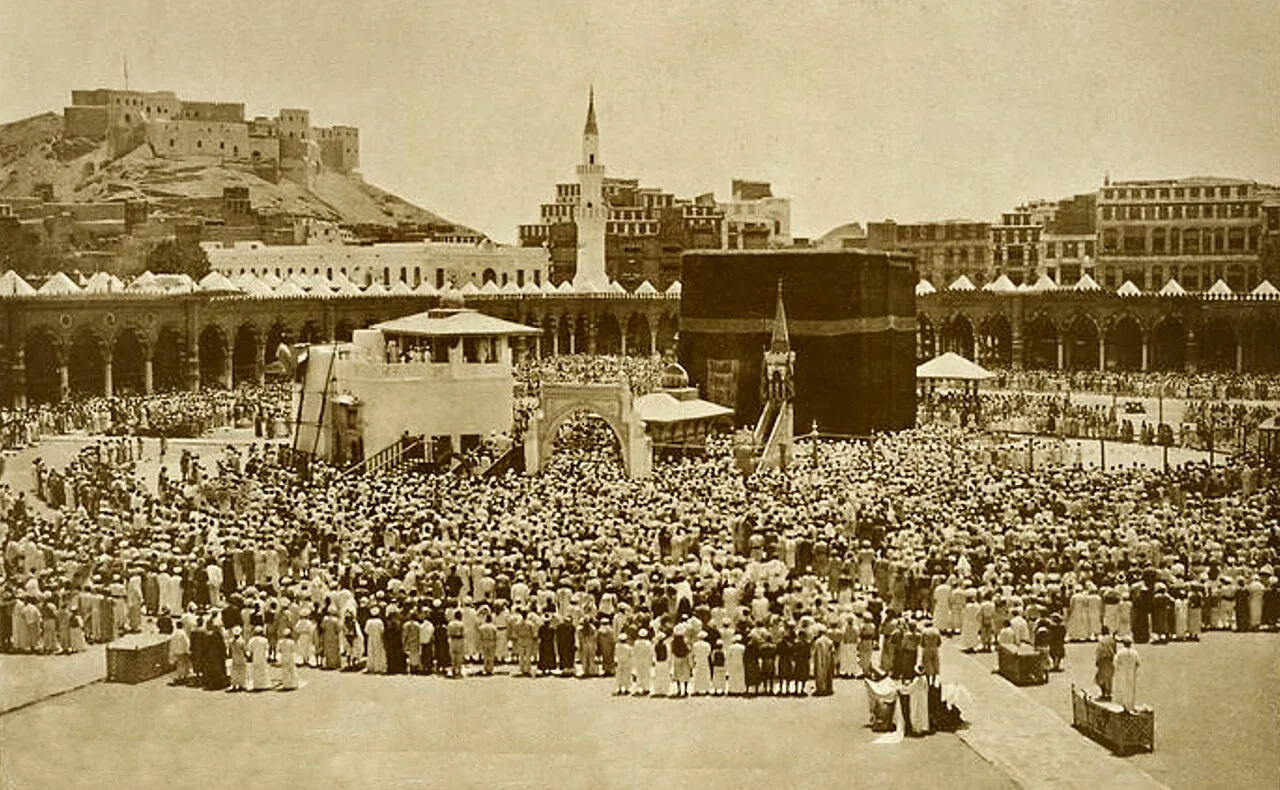
The Quraysh were the Arab tribe that controlled Mecca and its sacred shrine, the Kaaba, in the centuries before Islam began. Muhammad came from the Quraysh. So were his first followers, his fiercest opponents, and the men who ruled the Muslim world after him. Two clans within the tribe mattered most: the Banu Hashim, Muhammad's own clan, and the Banu Umayya, the wealthiest family in Mecca. The rivalry between these two branches produced nearly every caliph for six hundred years. It runs through nearly every power struggle in the first centuries of Islam, from the Sunni-Shia split to the shift of power from Damascus to Baghdad.
How the Quraysh came to control Mecca
By tradition, a leader named Qusayy ibn Kilab gathered the Quraysh and settled them in Mecca around the mid-fifth century. Qusayy took control of the Kaaba, a shrine that had drawn pilgrims from all over Arabia for generations. Neighboring tribes kept their gods in the sanctuary, and violence was forbidden inside it. This gave the Quraysh religious authority as the guardians of the shrine.
The annual pilgrimages and the truce that protected them turned Mecca into a natural market. Quraysh traders sent caravans to Syria in the north and Yemen in the south, and the tribe grew wealthy. Within the tribe, power was not evenly spread. The Banu Umayya were the richest and most influential clan. The Banu Hashim were respected but not wealthy. That gap between Muhammad's clan and the clan that would later rule in his name runs through everything that followed.
Muhammad's war with the Quraysh
Around 610, Muhammad, a member of the Banu Hashim, began preaching that there was only one God. The Quraysh leaders resisted him, and their reasons were as much about money as about belief. Declaring the idols in the Kaaba worthless threatened the shrine's appeal to pilgrims, the trade that pilgrimage supported, and the social order that kept Mecca's ruling families in charge.
The Quraysh boycotted Muhammad's clan, harassed his followers, and drove him out of Mecca to Medina in 622. From Medina, Muhammad's community fought his own tribe for eight years. The major battles included Badr in 624, Uhud in 625, and the siege of Medina in 627. Abu Sufyan of the Banu Umayya led the Quraysh forces at Uhud and the siege, after the previous Quraysh commander was killed at Badr.
In 630, Muhammad returned to Mecca with an army and took the city. Rather than punishing the families that had fought him for two decades, he declared a general amnesty. The Quraysh elite converted to Islam and joined the new Muslim leadership at high rank. Abu Sufyan's son Muawiya was one of the few literate men in the tribe, and Muhammad appointed him as a scribe.
How the Quraysh shaped the caliphate
The amnesty brought the old Quraysh leadership into Islam, but it also created a lasting resentment. Early converts who had suffered years of persecution in Mecca saw Muhammad's old opponents receive the wealthiest provinces in the growing empire. Within thirty years of the amnesty, the families that had resisted Islam the hardest held its most powerful positions.
That anger helped cause the assassination of the caliph Uthman in 656. Uthman was from the Banu Umayya, and his assassination set off the first civil war in Islamic history. When the war ended, Muawiya, who had served as governor of Syria for twenty years, took power as the founder of the Umayyad dynasty. The Umayyads ruled from Damascus for nearly a century as members of the Banu Umayya.
In 750, the Abbasids overthrew the Umayyads. The Abbasids were also Quraysh, but of the Banu Hashim. They were descended from Abbas, an uncle of Muhammad, and they made that descent the center of their claim to rule. The Abbasids governed from Baghdad for five centuries.
Sunni scholars taught that only a member of the Quraysh could be caliph, citing a hadith attributed to the Prophet. Shia Muslims applied a stricter version of this rule. Only descendants of Ali and Fatima, both of the Banu Hashim, could lead the Muslim community. These competing claims about which branch of one family had the right to rule shaped the politics of the Muslim world for centuries.
Does the Quraysh tribe still exist?
Yes. Millions of people across the Muslim world trace their ancestry to the Quraysh today. The most prominent are the Hashemites, descendants of the Banu Hashim. The Hashemite royal family of Jordan takes its name and much of its standing from descent from Muhammad's clan. The Hashemite dynasty ruled Iraq as well until the monarchy was overthrown in 1958. Morocco's royal family also claims descent from the Prophet through the Banu Hashim.
The old Sunni doctrine that the caliph must be a Qurayshi has never been formally repealed. The Ottoman sultans had no Qurayshi lineage at all. When they took the title of caliph, their jurists spent generations constructing arguments around the requirement. In 2014, the Islamic State declared a caliphate in Iraq and Syria and gave its leader the title al-Qurashi, asserting Qurayshi descent because the classical rule still carried weight.
A tribal identity that predates Islam by centuries still carries political weight today.