
Sharia
Sharia is the moral and legal framework of Islam, derived from the Quran and the example of the Prophet Muhammad.
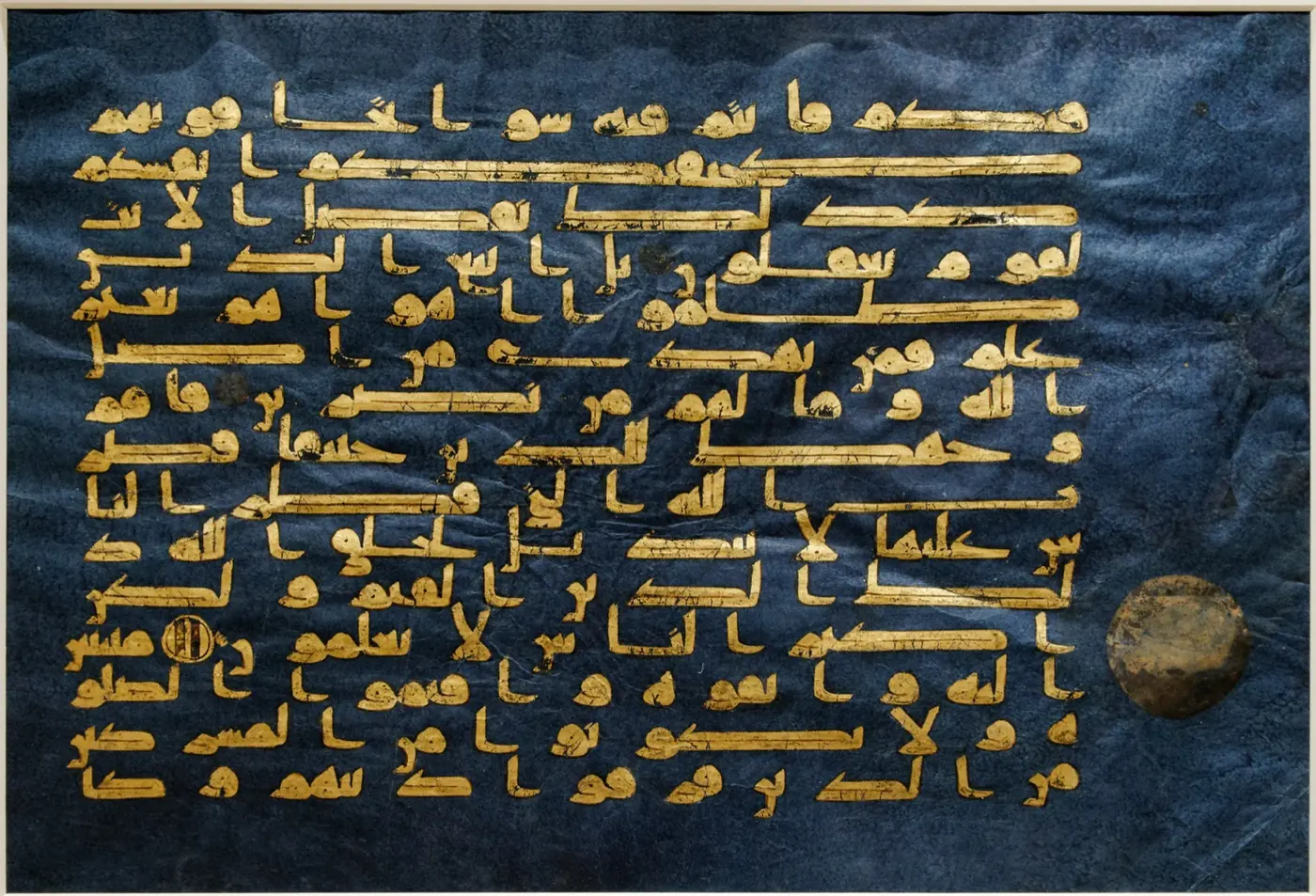
Sharia is the Arabic word for the path God intends for Muslim life. In Arabic the word first referred to a trail leading to water, the kind of path a desert community depends on. Over time it took on a broader meaning: the way God wants Muslims to live and act, as set out in the Quran and the example of the Prophet Muhammad. It is often translated as "Islamic law," but sharia is broader than a legal code. It covers how to pray, fast, give charity, marry, divorce, inherit property, conduct business, and treat other people. Muslims have spent 1,400 years working out what sharia requires in practice, and that effort has produced not one system of rules but several, with disagreements as old as Islam itself.
How scholars built Islamic law
A central idea in Islamic thought is what scholars call the distinction between sharia and fiqh. Sharia is the complete divine plan for how people should live. Only God knows it in full. Fiqh, a word that translates as "understanding," is what human scholars produce when they try to determine what God intended. The rulings in law books and the opinions that scholars issue are fiqh, not sharia itself. Muslim jurists have always acknowledged that their conclusions are educated guesses, not the thing itself.
Jurists work from four main sources when building fiqh. The first is the Quran. The second is the Sunna, Muhammad's words and actions as collected in the hadith. Where the Quran and Sunna are silent, jurists use qiyas: applying a principle from a settled ruling to a situation the texts do not address. They also rely on ijma, broad agreement among recognized jurists.
Because scholars reasoned differently, several schools of law took shape between the eighth and tenth centuries. Each was founded by a major jurist and named after him. The Hanafi school, founded by Abu Hanifa (died 767), is dominant today in South Asia, Turkey, and Central Asia. The Maliki school, founded by Malik ibn Anas (died 795), is dominant in North and West Africa. The Shafii school, founded by Muhammad ibn Idris al-Shafii (died 820), is dominant in Southeast Asia and East Africa. The Hanbali school, founded by Ahmad ibn Hanbal (died 855), is dominant in Saudi Arabia and Qatar. Twelver Shia Muslims follow the Jafari school. The dispute over who should lead Islam after Muhammad's death produced not only separate political communities but separate legal traditions. All of these schools disagree on countless details, and Islam has no pope or central authority that can declare one school correct. Most Muslims regard each school as a valid reading of the same divine source.
What does sharia actually cover?
In Western discussions, sharia is often reduced to a handful of harsh punishments called the hudud: amputation for theft, stoning for adultery, flogging for drinking alcohol. These penalties appear in classical legal writing. But classical jurists set the standards of proof so high that the penalties were rarely carried out. A conviction for adultery, for example, requires the testimony of four eyewitnesses who personally observed the act. A confession must be voluntary, and many jurists required it to be repeated four times in separate sessions before it could lead to punishment. The principle behind these rules is that an unjust punishment is a worse outcome than letting a guilty person go free.
The hudud make up a tiny fraction of sharia. Far more of it covers everyday worship and the details of daily life. Sharia addresses the five daily prayers, the Ramadan fast, the rules for charitable giving, and dietary rules about what may be eaten. It also provides detailed guidance on how families are formed and dissolved, how property passes between generations, how contracts should be written, and how lending can work without charging interest. For centuries, this was how most Muslims encountered sharia, as moral and practical guidance from scholars and local judges, not as something a government imposed.
How is sharia applied today?
States did not enforce sharia for most of Islamic history. It belonged to scholars, who studied it in religious colleges and applied it as judges in their own courts. Rulers had separate courts for criminal and political matters. That arrangement ended with the rise of the modern state, which demanded uniform written laws.
Today, applying sharia means very different things in different places. Saudi judges for decades ruled directly from classical fiqh texts, with no formal code to guide them. In 2021, Crown Prince Mohammed bin Salman announced a codification program, and in 2023 Saudi Arabia enacted a formal Civil Transactions Law for the first time, converting what had been scholars' opinions into written statutes. Iran took a different path. After the 1979 revolution, Ayatollah Khomeini built a theocratic system called velayat-e faqih, the guardianship of the jurist, in which the supreme leader holds final authority over both religious and political life. Indonesia, the country with the largest Muslim population at about 251 million, runs a largely secular court system but applies sharia to questions of marriage, divorce, and inheritance. The province of Aceh is an exception: the Indonesian government granted it the right to apply a broader version of sharia in 2001, as part of an effort to end a separatist conflict.
Across the Muslim world, the range runs from countries where sharia shapes the entire legal system to countries where it plays no formal legal role at all. The debate today is less about whether sharia applies to Muslim life and more about who has the authority to say what it requires.