
Zaibatsu
The zaibatsu were Japan's family-controlled industrial empires, dominant from the Meiji era through World War II.
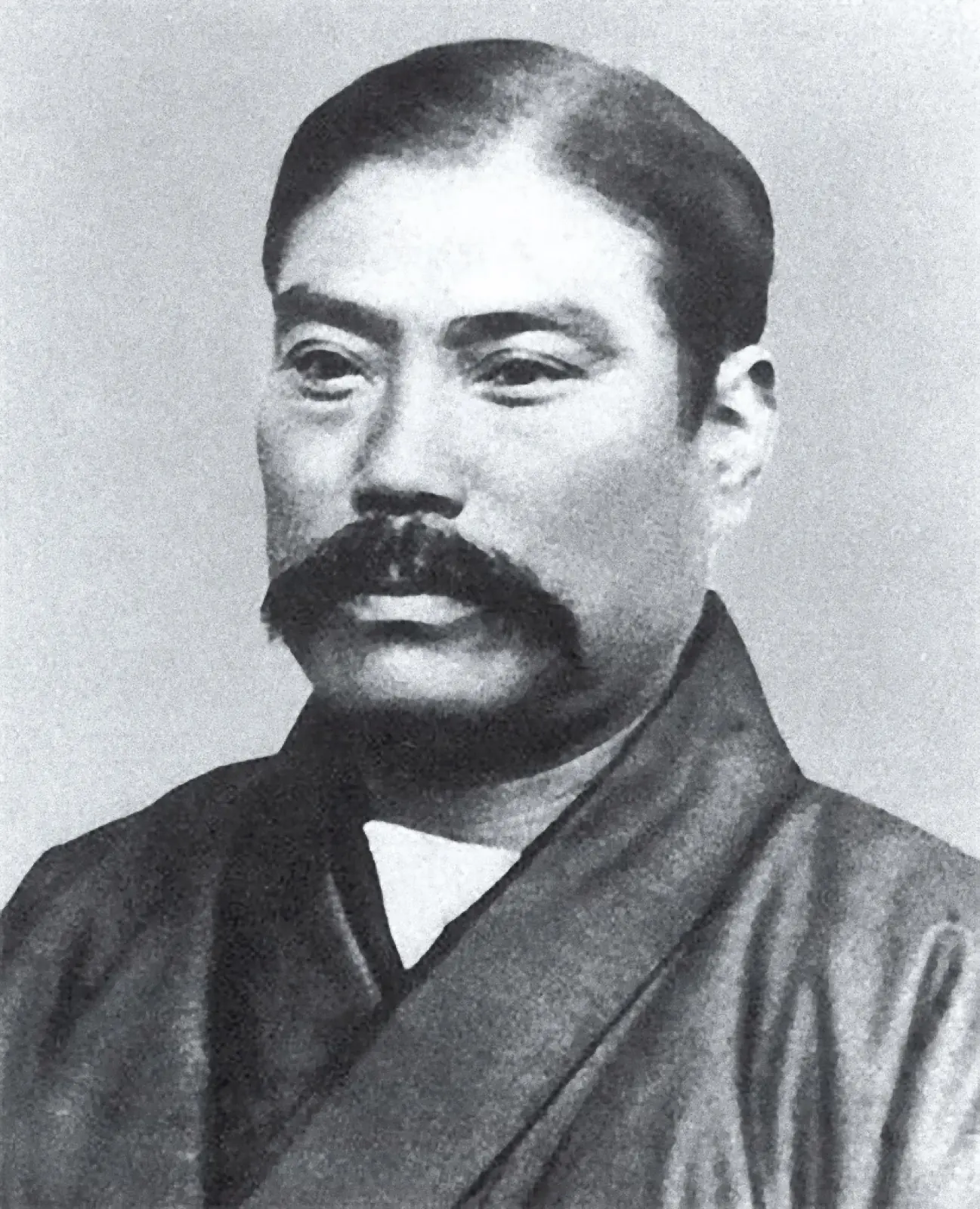
The zaibatsu were Japan's family-controlled industrial combines, dominant from the Meiji era of the late 1800s through the end of World War II. Each one spanned banking, mining, shipping, trading, and heavy industry, all ultimately owned by a single founding family. The word means "financial cliques" in Japanese. Four families dominated: Mitsui, Mitsubishi, Sumitomo, and Yasuda, known as the "Big Four." By the 1920s, three of them held about 28 percent of the combined assets among Japan's top hundred firms. The Japanese government helped the zaibatsu grow, and the zaibatsu built the industrial base that turned Japan into a great power. After Japan's defeat in 1945, the United States tried to break them apart, but the old names survive today in some of the world's largest companies.
How the zaibatsu grew with the Meiji government
Two of the Big Four were centuries old when modern Japan began. In 1673, a merchant named Mitsui Takatoshi opened a kimono shop called Echigoya in Edo (now Tokyo) and introduced fixed-price cash sales. Most merchants at the time haggled over prices and sold on credit. Mitsui's system was so unusual, and so profitable, that it made him one of the richest merchants in Japan. The business expanded into moneylending, and the Mitsui family became official purveyors to the Tokugawa shogunate. Sumitomo's fortune came from copper. In 1691, the Sumitomo family opened the Besshi copper mine on the island of Shikoku. By the late 1690s, Besshi produced about a quarter of all the copper mined in Japan.
Mitsubishi and Yasuda were products of the upheaval that ended the old order. Iwasaki Yataro founded Mitsubishi in 1870. Iwasaki came from a family of fallen samurai whose great-grandfather had sold the family's warrior status to cover debts. Before becoming a businessman, Iwasaki had been imprisoned for seven months for accusing a local magistrate of corruption. After the Meiji Restoration of 1868, Iwasaki won government shipping contracts during the new government's military campaigns and used the profits to expand into shipbuilding, mining, and banking. Yasuda Zenjiro also came from humble beginnings. Yasuda ran away from home as a young man, went to Edo, and started as a shop assistant before working his way into moneylending. Yasuda handled public funds for the new Meiji government and built a financial empire around Yasuda Bank. In 1921, an ultranationalist assassinated Yasuda after he refused to give the man money.
The Meiji government that took power in 1868 needed to industrialize Japan quickly. It built model factories and mines with the help of foreign engineers, then ran short of money to operate them. In the 1880s, the government sold most of these state enterprises cheaply to trusted business families. Each zaibatsu was organized around a central bank that directed family money into whichever industry offered the best returns. This structure let the zaibatsu expand faster than independent firms and shut competitors out of credit. The arrangement served both sides. The government got an industrial economy without having to run it. The zaibatsu got factories, mines, and protected markets at bargain prices.
How the zaibatsu armed Japan's empire
As Japan grew more militarist in the early twentieth century, the partnership between the zaibatsu and the government deepened. The zaibatsu produced warships, planes, and weapons for the Japanese military. The zaibatsu financed the armed forces and profited from Japan's conquests in Korea, Manchuria, and Southeast Asia. The relationship ran both ways: the military opened new territories for zaibatsu investment, and the zaibatsu supplied the industrial output the military required. By the time Japan entered the Pacific War, the Big Four were so entangled with the state that American occupation officials later treated them as part of the war machine. By 1945, those families still held about 25 percent of total Japanese corporate capital through layered holding companies.
What happened to the zaibatsu after World War II?
After Japan's surrender in 1945, the American occupation under General Douglas MacArthur ordered the zaibatsu dissolved. Occupation reformers blamed the families for financing the war and wanted to prevent anyone from ever again controlling that much of the Japanese economy. In 1947, Japan passed an antimonopoly law that banned holding companies and restricted the concentration of corporate ownership. Hundreds of zaibatsu-linked companies were placed on a list to be broken up.
The breakup was real but partial. As the Cold War intensified, American priorities changed. Washington now wanted Japan as a partner against the Soviet Union, not a country to be dismantled. Enforcement of the dissolution eased. In the end, only 11 companies on the list were broken up.
The old combines regrouped in the 1950s and 1960s as looser networks called keiretsu. A keiretsu was a cluster of independent companies linked by mutual stock ownership and a common bank, not by a founding family. No single person controlled the group. But the names endured. Mitsui, Mitsubishi, and Sumitomo went back to their original names. The Yasuda zaibatsu became the Fuyo group, centered on Fuji Bank. For decades after the war, these keiretsu groups formed the backbone of Japan's rapid economic growth. South Korea later built its own version of family-controlled industrial groups, the chaebol.
Mitsubishi, Mitsui, and Sumitomo remain among the largest corporate groups on Earth. The founding families are gone from the boardrooms, but the industrial networks the Meiji government helped create more than 150 years ago are still in operation.