
Economic Sanctions
Economic sanctions are restrictions on trade, finance, or technology used to pressure a government into changing its policies.
Economic sanctions are restrictions on trade, finance, technology, or travel that governments impose to force another government to change its behavior. They are more serious than a diplomatic protest but less costly than a military operation. Governments reach for sanctions because they look like decisive action and cost the imposing country very little. The modern sanctions system runs mostly through the American financial system, giving the United States more power to impose and enforce them than any other country. A major study of sanctions cases over several decades found that they succeeded roughly a third of the time.
How economic sanctions became a tool of statecraft
The modern idea of sanctions grew out of the League of Nations after World War I. In 1919, Woodrow Wilson described sanctions as a "peaceful, silent, deadly remedy," arguing they could take the place of armed conflict. Article 16 of the League's Covenant committed member states to cutting off trade with any country that started a war. The first serious test came in 1935, when Italy invaded Ethiopia. The League banned arms sales and imports from Italy but left oil off the list of restricted goods. Without an oil ban, the sanctions did nothing to slow Italy's military, and Italy completed its conquest within months.
For decades after that, sanctions often meant total embargoes: cutting a country off from trade entirely. The case that discredited that approach was Iraq. After Iraq invaded Kuwait in 1990, the United Nations imposed a trade ban that stayed in place through the 1990s. The ban wrecked Iraq's civilian economy. It also produced the oil-for-food program, which was meant to let Iraq sell oil to buy food and medicine but became riddled with corruption. Saddam Hussein's government skimmed billions in illicit payments from it. Yet the embargo did not loosen his grip on power. By the early 2000s, governments moved to a more precise approach called targeted sanctions. Instead of embargoing entire economies, they froze the bank accounts of named officials, denied specific firms access to global markets, and restricted trade in certain technologies.
How the American dollar makes sanctions work
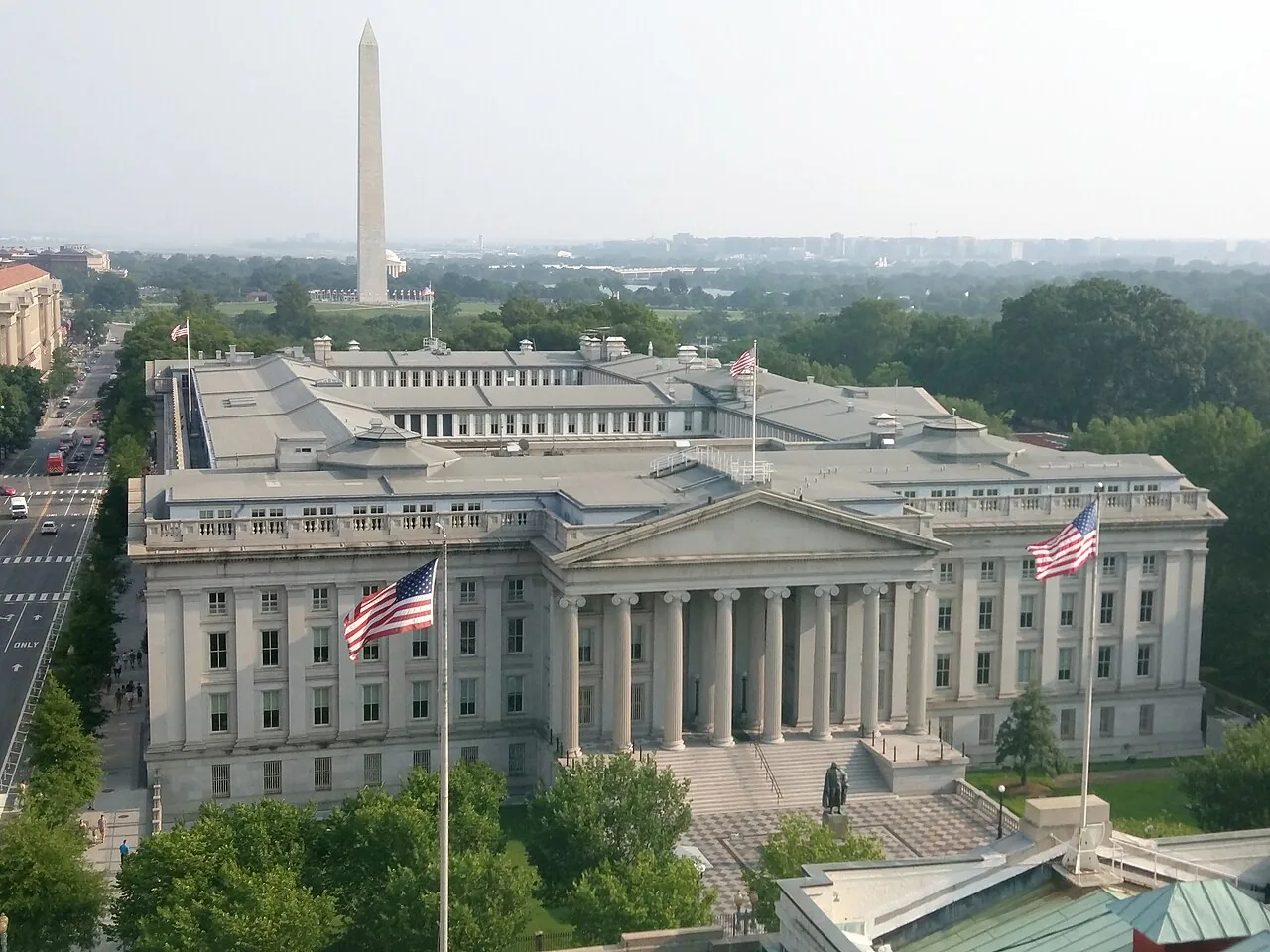
The system behind modern sanctions is mostly American. The Office of Foreign Assets Control, known as OFAC, sits inside the US Treasury and maintains the Specially Designated Nationals list, a register of people and companies that Americans are banned from doing business with.
The reach goes far beyond American borders. Nearly every international dollar payment clears through correspondent banks in New York. That means almost any cross-border transaction in dollars passes through American jurisdiction, even when neither party is American. In 2014, the French bank BNP Paribas paid $8.9 billion for processing dollar payments on behalf of Sudan, Iran, and Cuba, all of which were under American sanctions. That penalty taught global banks to screen their transactions carefully and avoid any dealings with sanctioned countries.
Secondary sanctions extend the system further. They threaten penalties against foreign companies that deal with a sanctioned target, even when no American party is involved in the transaction. Washington can effectively regulate other countries' trade this way. Other tools work on the same principle of controlling a single point that everyone passes through: removing a country's banks from the SWIFT network, or blocking exports of advanced semiconductors that only a few companies in the world can make.
Do economic sanctions work?
The most widely cited study of sanctions is by Gary Hufbauer, Jeffrey Schott, and Kimberly Ann Elliott at the Peterson Institute for International Economics. It reviewed over 200 cases from 1914 to 2000 and found that sanctions achieved at least partial success about 34 percent of the time. The cases that worked tended to share two features: a limited objective and measures imposed all at once rather than added gradually.
Sanctions rarely topple a government or compel it to abandon a policy it sees as vital to staying in power. In most cases, the economic damage falls hardest on ordinary citizens, while the officials and black-market traders who arrange ways around the restrictions tend to profit from them. Sanctions also give the targeted government someone to blame for public suffering, which can rally domestic support for the regime rather than erode it.
Economic sanctions against Russia after 2022
The sanctions imposed on Russia after its full-scale invasion of Ukraine in February 2022 are the largest such program ever directed at a large, industrialized country. Western governments froze about $300 billion of the Russian central bank's foreign reserves and removed major Russian banks from the SWIFT network. They imposed a price cap on Russian oil exports, initially set at $60 per barrel, and placed thousands of individuals and companies on sanctions lists. The program imposed real costs on Russia, but it did not stop the war.
Russia adapted by shifting its trade to countries that refused to join the sanctions, including China, India, Turkey, and the United Arab Emirates. Russian oil continued to flow, sometimes through intermediaries who blended or relabeled it before re-export. The price cap was widely evaded.
The Russia sanctions also deepened a longer-term problem for the United States. Each time Washington uses control of the financial system to punish a country, it gives the rest of the world a stronger incentive to find alternatives. Since 2022, central banks have been stockpiling gold as a reserve asset outside the dollar system. China has set up its own network for cross-border payments. Russia and its trading partners now conduct much of their business in other currencies. The power of sanctions depends on the world's reliance on the dollar. The more frequently that reliance is turned into a tool of coercion, the faster other countries work to reduce it.