
Wahhabism
Wahhabism is a strict reform movement within Sunni Islam, founded in 1744 in Arabia, that became Saudi Arabia's official creed.
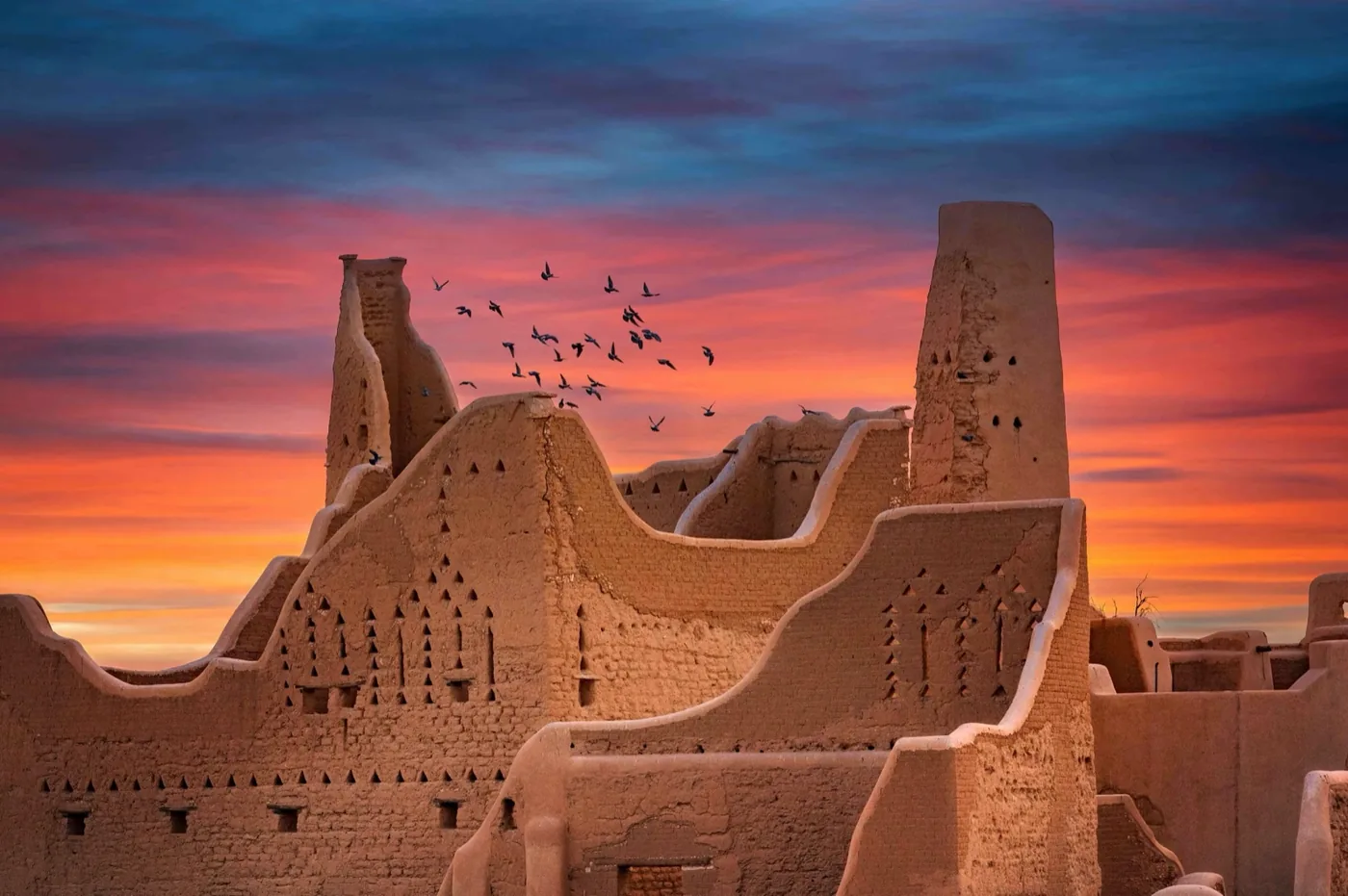
Wahhabism is a strict reform movement within Sunni Islam that began in 1744 in the Arabian Peninsula. Its founder, Muhammad ibn Abd al-Wahhab, taught that Muslims had strayed from true monotheism by praying at saints' tombs, venerating holy men, and hanging charms for luck. He called these practices shirk, the sin of associating partners with God, and called for going back to what he considered the original faith of Islam's first generations. In 1744, ibn Abd al-Wahhab made a pact with Muhammad ibn Saud, the ruler of a small oasis town called Diriyah. Ibn Saud would provide military power, and ibn Abd al-Wahhab would provide the religious doctrine. That agreement is the origin of Saudi Arabia. Followers of the movement dislike the label "Wahhabism" and call themselves muwahhidun, meaning "those who affirm God's oneness."
How Muhammad ibn Abd al-Wahhab started the Wahhabi movement
Muhammad ibn Abd al-Wahhab was born in 1703 in Uyayna, a small town in the Najd region of central Arabia. He came from a family of Hanbali scholars, the most conservative of Sunni Islam's four main legal schools, and studied theology under his father. His central idea, laid out in his book Kitab al-Tawhid ("The Book of Monotheism"), was that any act of devotion directed at anything other than God was idolatry. He grouped practices like praying at tombs and asking saints to intercede under shirk, and rejected centuries of accumulated religious tradition, including celebrating the Prophet Muhammad's birthday, as bid'a, forbidden innovation.
After years of travel and study, ibn Abd al-Wahhab returned to Uyayna around 1740 and began putting his ideas into practice. He ordered a companion's tomb leveled and had an adulteress stoned to death. A more powerful regional chief objected and forced him out. He fled to the neighboring town of Diriyah, where Muhammad ibn Saud took him in.
The pact they made in 1744 gave each man what he needed. Ibn Saud gained a religious cause that could unite the tribes of central Arabia. Ibn Abd al-Wahhab gained an army to enforce his doctrine. Under the Saudi banner, Wahhabi fighters conquered much of the peninsula and took Mecca from its sharifs in 1803. The Ottoman Empire sent an Egyptian army that invaded Arabia and razed the Saudi capital of Diriyah in 1818. A second Saudi state rose and collapsed by 1891. The third began in 1902 when Abdulaziz ibn Saud retook Riyadh. In the mid-1920s, Abdulaziz's forces conquered Mecca again and demolished the tombs at the Jannat al-Baqi cemetery in Medina, including tombs of the Prophet Muhammad's family, because the Wahhabi clerics saw them as encouraging idol worship. In 1932, Abdulaziz declared the Kingdom of Saudi Arabia, with the Wahhabi religious establishment as its spiritual foundation.
How Saudi Arabia exported Wahhabism worldwide
For about two centuries, Wahhabism was a local Arabian creed. That changed after the 1973 oil embargo, when petrodollars flowed into Saudi Arabia. The kingdom spent heavily over the following decades to spread Wahhabi doctrine abroad, building mosques and religious schools, printing Qurans, and offering scholarships across the Muslim world, from South Asia to the Balkans to Western Europe. Estimates of the total spending range from $70 billion to more than $100 billion.
The motives were partly religious and partly strategic. Saudi Arabia wanted to counter secular Arab nationalism and, after Iran's 1979 revolution, to push back against revolutionary Shia Islam. The result was a measurable shift in Sunni practice in countries like Indonesia and Bangladesh and across parts of Africa, as relaxed local customs were replaced by the stricter Gulf version of the faith.
What is the difference between Wahhabism and Salafism?
The two terms are often used as if they mean the same thing, but they do not. Salafism is the broader movement within Sunni Islam that takes the salaf, the earliest generations of Muslims, as its model and seeks to strip away later additions to the faith. Wahhabism is the specifically Saudi strain of Salafism, rooted in the teachings of Muhammad ibn Abd al-Wahhab and tied to the Saudi state since 1744.
Most Salafis and most Wahhabis are quietist, focused on personal piety rather than politics or violence. Jihadism, the ideology of groups like al-Qaeda and the Islamic State, draws on Wahhabism's literal reading of scripture and on takfir, the practice of declaring other Muslims to be apostates. But jihadists direct that charge against the Saudi state itself, which they see as corrupt. Saudi Arabia has both funded the spread of Wahhabi doctrine worldwide and been attacked by the most violent groups that doctrine helped inspire.
Wahhabism in Saudi Arabia today
Since becoming crown prince in 2017, Mohammed bin Salman has worked to reduce the clerics' influence over Saudi society. The government has reopened cinemas, allowed women to drive, restricted the powers of the religious police, and permitted mixed-gender public events. Mohammed bin Salman has spoken publicly about returning Saudi Arabia to "moderate Islam" and now presents the 1744 pact as a piece of history, not a governing framework, part of a broader reshaping of Saudi Arabia's place in the world.
Critics argue that Mohammed bin Salman has concentrated control over religion in the monarchy instead of reforming the theology, and that political dissent is still harshly punished. The clerics who once shared power over Saudi society have been sidelined, but the state's control over religious life has grown, not shrunk.
Wahhabism shaped how millions of Muslims worship, helped build the Saudi state, and influenced Sunni practice across the world.