
Safavid Empire
The Safavid Empire ruled Iran from 1501 to 1722 and converted it from a mostly Sunni land to the Shia state it remains today.
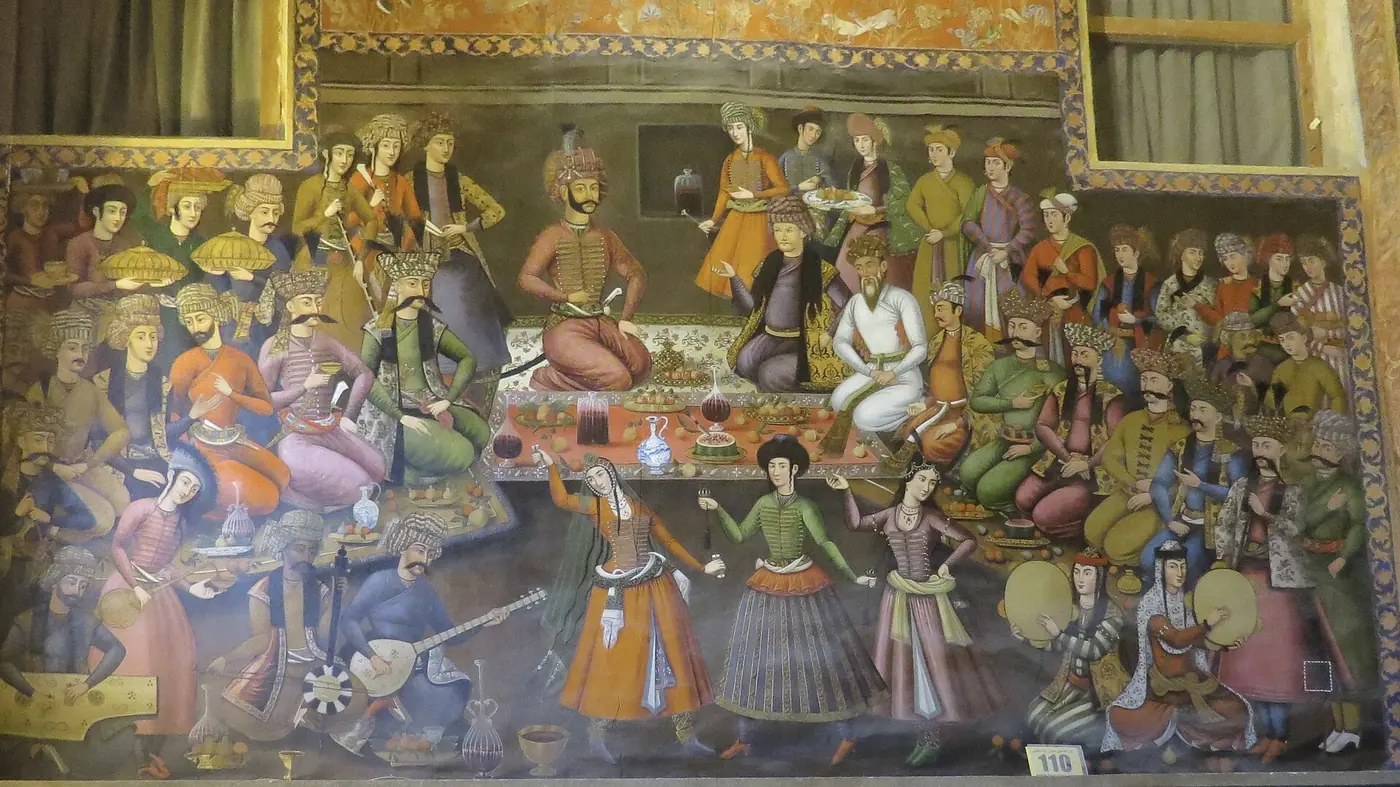
The Safavid Empire ruled Iran from 1501 to 1722. It began when Ismail, a fourteen-year-old leader of a Sufi religious order, marched on Tabriz with a tribal army and seized the city. He declared himself shah and made Twelver Shia Islam the official religion of a land that was mostly Sunni. Over two centuries of forced conversion, the Safavids turned Iran into a Shia country, which it has been ever since. To carry out the conversion, they imported scholars and built a professional Shia clerical class. That class outlived every dynasty that came after the Safavids, and in 1979, it seized control of the Iranian state. The line dividing Sunni and Shia populations across the Middle East today runs roughly where the Safavid armies stopped.
How a Sufi order conquered Iran
The Safavid movement started as a Sufi religious order based in Ardabil, a city in what is now northwestern Iran. Ismail was its hereditary leader. His followers were Turkic nomads from Anatolia and Azerbaijan, known as the Qizilbash, a Turkish word meaning "redheads," for the distinctive red caps they wore. The Qizilbash saw Ismail as something close to divine. Ismail himself wrote poetry in Turkish in which he claimed to be divine.
By 1501, Ismail had united the Qizilbash and led them to take Tabriz. He declared himself shah and ordered the entire population to adopt Twelver Shia Islam. Resistance was met with execution. Iran at the time lacked the Shia scholars needed to lead the conversion, so the Safavids brought in clergy from Lebanon's Jabal Amil region and from Bahrain. They gave these scholars land, courts, and salaries, creating a professional Shia clerical class that had never existed in Iran before.
The conversion alarmed the Ottoman Empire, which was Sunni. In 1514, Ottoman Sultan Selim I marched east and met Ismail at the Battle of Chaldiran in northwestern Iran. Selim's army had janissary infantry and field artillery. The Qizilbash, who fought as cavalry and had no cannons, charged straight into the Ottoman guns. They were destroyed. Ismail survived but never commanded troops in battle again. He reportedly spent his last decade drinking heavily and died in 1524 at the age of thirty-six.
Shah Abbas I and Isfahan
The empire reached its peak under Shah Abbas I, who held power from 1588 to 1629. When Abbas took the throne, the Qizilbash tribal chiefs still controlled most of the military. Abbas broke them by raising a new standing force of ghulams, slave-soldiers taken from Georgia, Armenia, and Circassia who were converted to Islam and owed allegiance only to the crown. The approach mirrored the Ottoman devshirme system of levying Christian boys. Abbas eventually had about 40,000 standing troops, including musketeers and artillery units.
Abbas relocated the capital to Isfahan in 1598 and transformed it, centering the city on a grand public square. Isfahan grew so admired that it earned the Persian saying "nesf-e jahan," meaning "half the world." Abbas placed the silk trade under state monopoly and traded directly with English and Dutch companies, routing commerce around Ottoman territory. Under Abbas, the Safavid Empire stretched from the Tigris River into Afghanistan and ranked alongside the Ottomans and the Mughals as one of the three great Islamic empires of its era.
Why did the Safavid Empire fall?
After Shah Abbas I, the dynasty declined over the next century. Later Safavid shahs grew up in the harem rather than in the provinces and had little training in governance or war. The army weakened, and the empire struggled to hold its borders.
In 1722, Afghan fighters from Kandahar under Mahmud Hotaki marched on Isfahan. They defeated a larger Safavid force at the Battle of Gulnabad and besieged the capital. The siege lasted six months. The city starved. Shah Sultan Husayn came out and handed over his crown in October 1722.
The dynasty survived fourteen more years in name only. Nader Shah, a military commander from Khorasan, drove out the Afghans and governed using Safavid princes as nominal rulers before taking the throne himself in 1736. That ended Safavid rule.
The Safavid clergy and modern Iran
The Safavids' most lasting act was converting Iran to Shia Islam. The professional Shia clerical class they created developed its own hierarchy and its own claim to religious authority. In Twelver Shia theology, the clergy serve as representatives of the Hidden Imam until his return. That gave the scholars a source of legitimacy that no shah could take away.
The clerical establishment outlived every dynasty that followed the Safavids. When Mohammad Reza Shah fell in 1979, the clergy did not just survive. Under Ayatollah Khomeini, it claimed political power for itself. Iran remains the only nation whose official state religion is Twelver Shia Islam. The conversion that the Safavids imposed in 1501 still defines the country.