
Resource · Battery metal
Lithium
Lithium is the light metal in rechargeable batteries. Batteries took 88% of world lithium in 2025. Australia mines the most at 32%, mostly from hard rock. China refines 70% of the world's lithium chemicals and makes over 80% of battery cells. Most lithium passes through Chinese refineries on its way to battery factories worldwide.
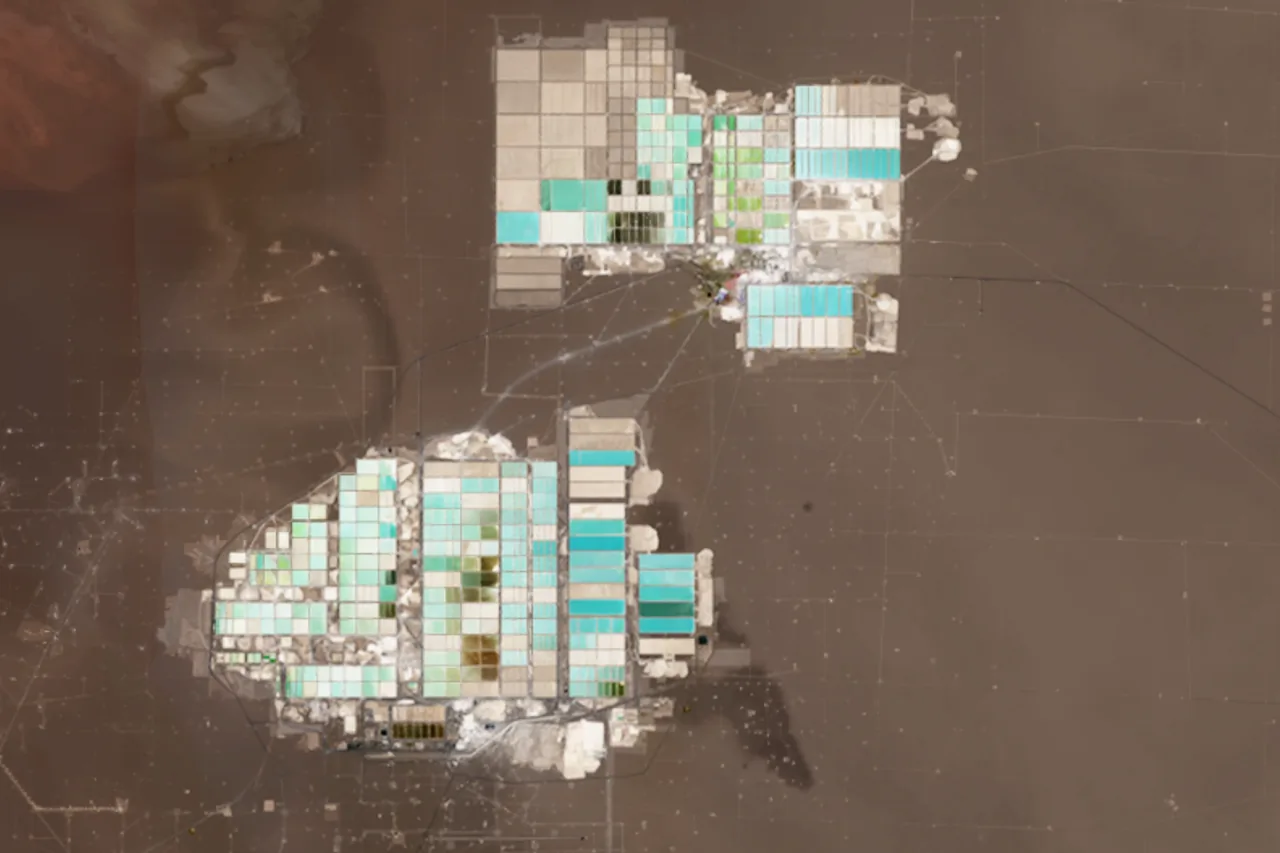
- Mined in 2025
- 290,000 t
- of lithium, up 31% in a year
- Largest producer
 32%
32%- 92,000 tonnes
- Refined in China
 70%
70%- of lithium chemicals, 2024
- Battery cells
- 80%+
- made in China, 2025
- Into batteries
- 88%
- of lithium used, 2025
Which countries produce the most lithium?
Australia mined the most lithium in 2025, producing 31.7% of world output from hard-rock spodumene mines in Western Australia. China followed at 21.4% and Chile at 19.3%. Chile extracts lithium from brine pumped out of the Salar de Atacama salt flat.
Argentina's output jumped from 13,800 tonnes in 2024 to 23,000 tonnes in 2025. The USGS withholds US output to protect company data.
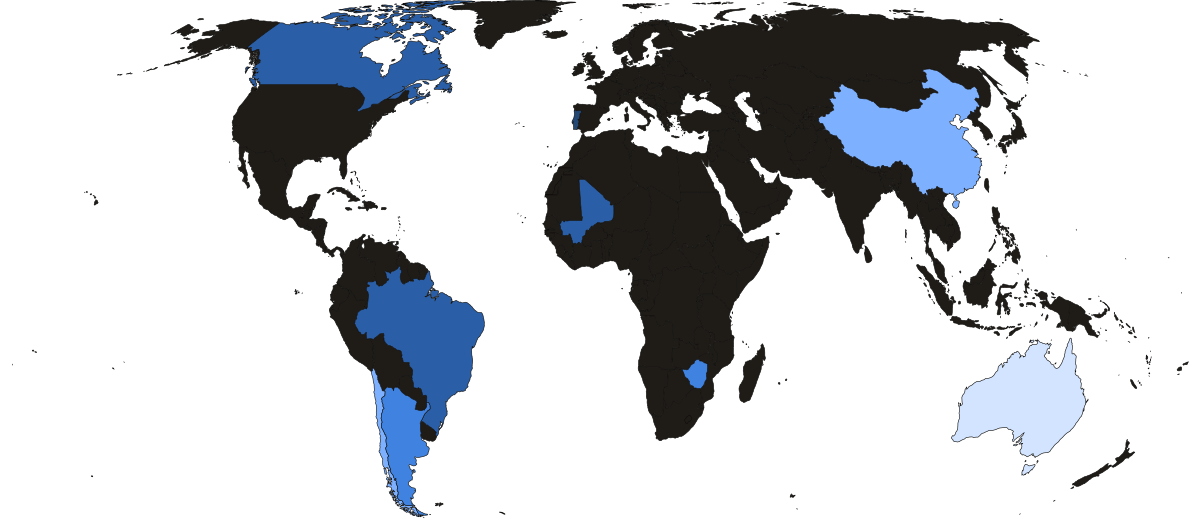
Share of world mine output, 2025
Critical minerals by country →- Under 1%
- 1%–5%
- 5%–10%
- 10%–25%
- Over 25%
- No production
Who refines lithium?
China refined 70% of the world's lithium chemicals in 2024. Australia ships most of its lithium as raw spodumene concentrate. In the first half of 2025, 94% of Australia's concentrate exports went to China for conversion into battery chemicals.
In February 2026, Albemarle idled its Kemerton lithium hydroxide plant in Western Australia, saying costs were too high for Western hard-rock conversion. China also makes over 80% of the world's battery cells. In July 2025, China's government began requiring a license to export lithium refining technology.
From mine to battery
Share of the world at each step
China 21%Australia 32% Chile 19%
 Zimbabwe 9.7%
 Argentina 7.9%China 70%Chile 20%Argentina 6%China 80%
 United States 6.5%European Union 6.5%
What is lithium used for?
Batteries consumed 88% of the world's lithium in 2025, up from 23% in 2008. Electric vehicles and energy storage systems drive the growth. A typical EV battery holds about 8.9 kg of lithium.
The remaining lithium goes into ceramics, glass, lubricating greases and medicine. World lithium consumption reached 263,000 tonnes in 2025, up 20% from 220,000 tonnes the year before.
What the world's lithium goes into
Share of use, 2025
- Batteries88%
- Ceramics and glass4%
- Greases2%
- Other6%
How much goes into one
- 8.9 kgof lithium in a typical electric car battery
- 23% → 88%batteries' share of lithium use, 2008 to 2025
- 5.3 tof lithium carbonate hold one tonne of lithium
- 94%of Australia's lithium concentrate exports went to China, early 2025
What happened to lithium prices?
Battery-grade lithium carbonate in China hit a record 575,000 yuan a tonne in December 2022. The price fell roughly 90% to about 59,900 yuan by June 2025 as new supply outpaced demand. In Australia, Mineral Resources idled its Bald Hill mine in November 2024.
Prices recovered in 2026 after supply tightened. CATL's Jianxiawo mine in Jiangxi shut in August 2025 when its mining permit expired. Zimbabwe suspended lithium concentrate exports in February 2026. Lithium carbonate stood at 122,800 yuan on September 30, 2026.
Lithium carbonate price in China
Yuan a tonne
Which country has the most lithium reserves?
Chile holds the most lithium reserves, with 25% of the world total. In April 2023, Chilean President Gabriel Boric announced a national lithium strategy requiring state-controlled companies to hold majority control of lithium projects on strategic salt flats. In late December 2025, the Codelco-SQM joint venture NovaAndino Litio took over lithium in the Salar de Atacama until 2060.
Bolivia has 23 million tonnes of lithium resources, the world's second-largest, but the USGS lists no Bolivian reserves or mine production.
Reserves against mining
Share of reservesShare of mining- Chile25%19%
- Australia23%32%
- China12%21%
- Argentina12%7.9%
 Canada4.3%1.9%
 Brazil1.5%4.1%
- Zimbabwe1.4%9.7%
Other resources
All 11 resources →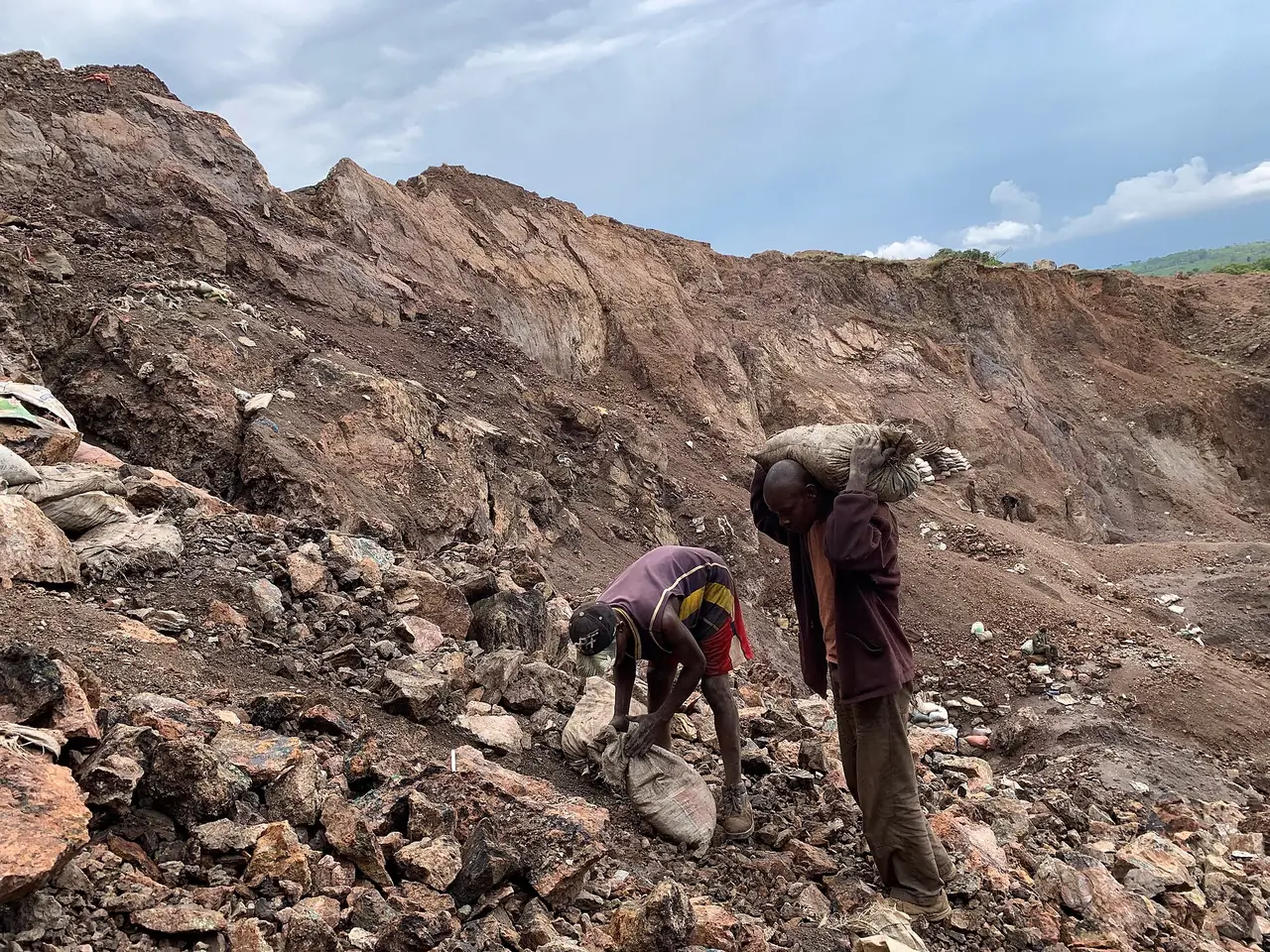
 DR Congo 74%
Battery metal
Cobalt
China refines 79% of the world's cobalt but mines less than 1%.
DR Congo 74%
Battery metal
Cobalt
China refines 79% of the world's cobalt but mines less than 1%.
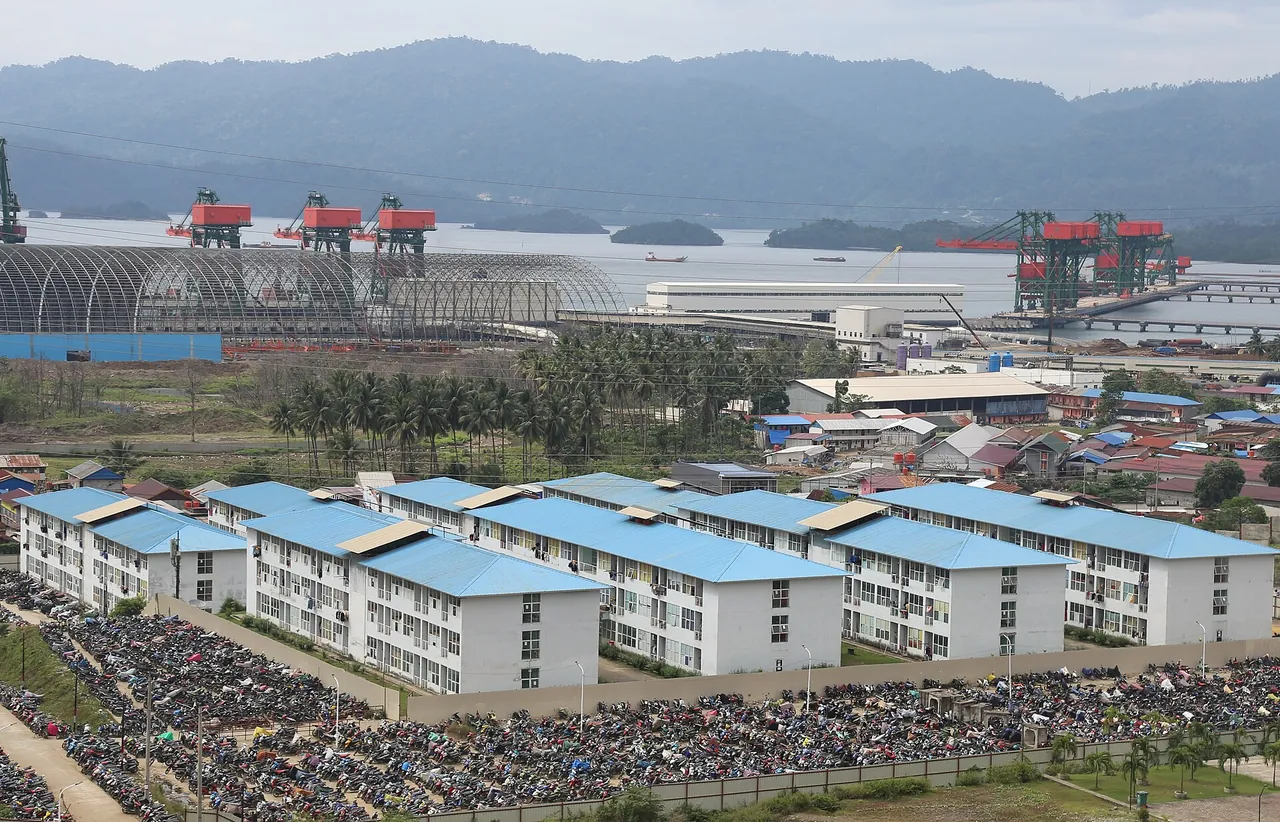
 Indonesia 67%
Battery metal
Nickel
Indonesia mines 67% of the world's nickel; Chinese firms run 75% of its smelters.
Indonesia 67%
Battery metal
Nickel
Indonesia mines 67% of the world's nickel; Chinese firms run 75% of its smelters.
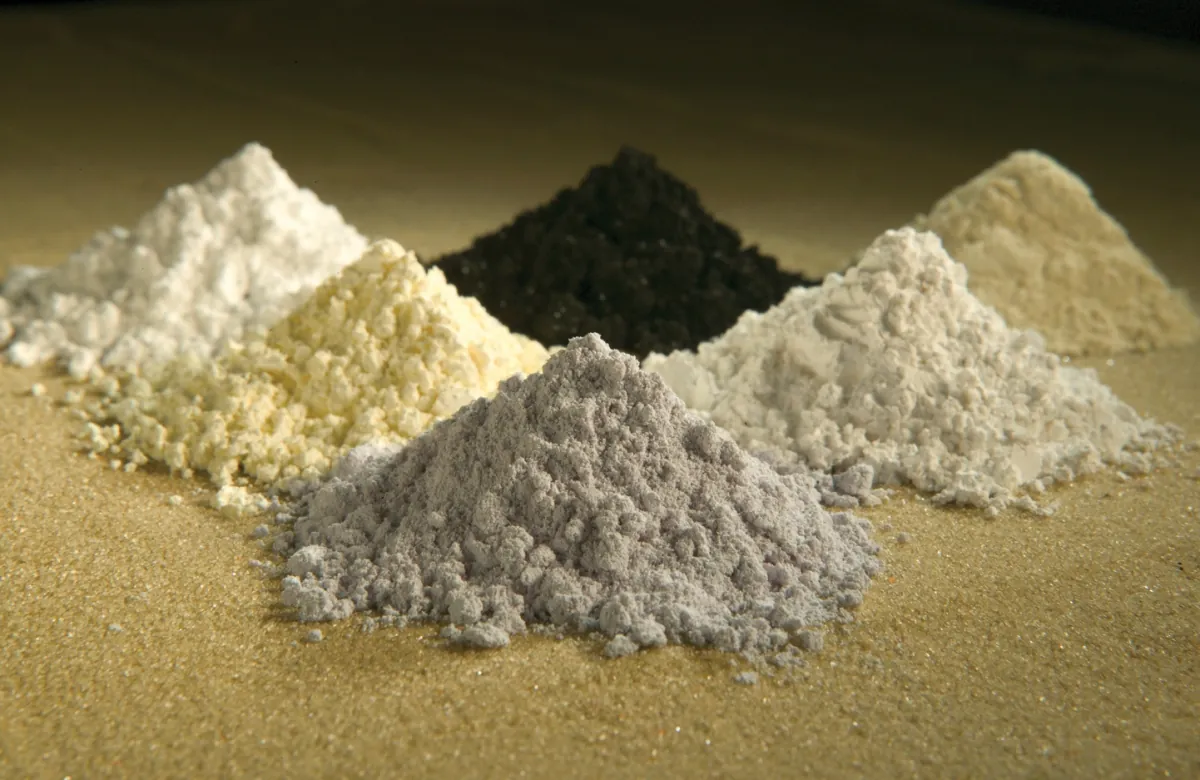 China 69%
Critical mineral
Rare earths
China mines 69% of rare earths, refines 85% and makes 94% of the magnets.
China 69%
Critical mineral
Rare earths
China mines 69% of rare earths, refines 85% and makes 94% of the magnets.