Resource · Battery metal
Nickel
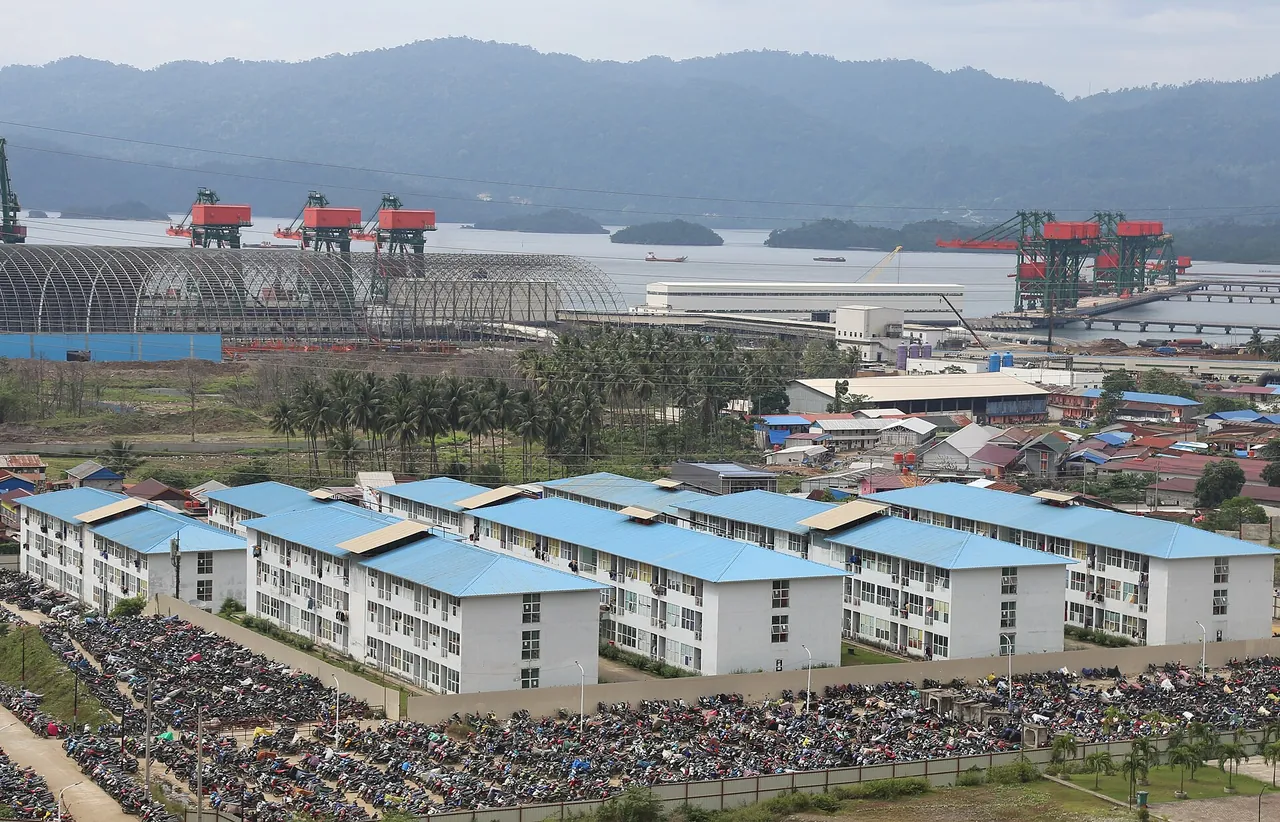
Nickel goes mostly into stainless steel (65%) and increasingly into batteries (17%). Indonesia mines two thirds of the world's nickel after banning raw ore exports in 2020. Chinese companies control about 75% of Indonesia's smelting capacity. China consumes more than 65% of the world's primary nickel.
- Mined in 2025
- 3.9 million t
- of nickel
- Largest producer
 67%
- 2.6 million tonnes
- Indonesia's smelters
- 75%
- controlled by Chinese firms (2023)
- Used in China
 65%+
- of primary nickel, 2025
- Main use
- Stainless steel
- 65% of nickel, 2023
Which country produces the most nickel?
Indonesia mined 67% of the world's nickel in 2025, up from 62% in 2024. Indonesia banned all raw ore exports on January 1, 2020, two years ahead of schedule, to force miners to build smelters at home.
In early 2026, Indonesia cut its mining quota from 379 million to 260-270 million wet tonnes. Nickel prices jumped from about $14,000 to over $17,000 a tonne by February. On October 29, 2026, Indonesia's mining ministry said the quota for 2027 would be lower still, citing a global surplus. The Philippines ranks second at 6.9% and still exports raw ore.
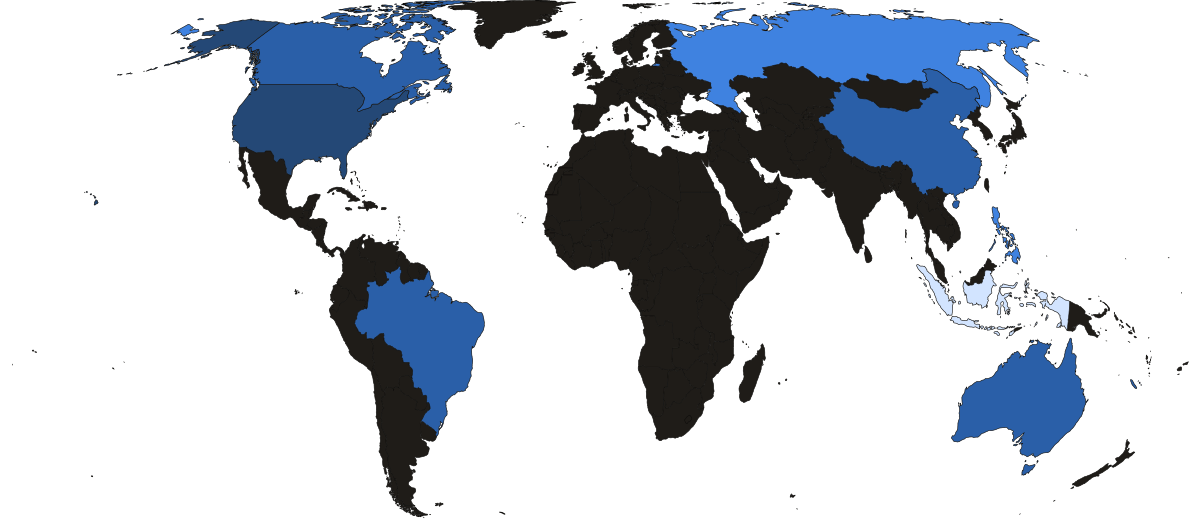
Share of world mine output, 2025
- Indonesia66.7%
 Philippines6.9%
 Russia5.1%
 New Caledonia3.6%
 Canada3.6%
- China3.1%
- Everyone else11.0%
- Under 1%
- 1%–5%
- 5%–10%
- 10%–25%
- Over 25%
- No production
Who refines nickel?
Indonesia and China together smelted about 73% of the world's nickel in 2024. China mines only 3% of the world's ore but processes 29% of refined output.
Chinese companies, led by Tsingshan at the Morowali industrial park in Sulawesi, control about 75% of Indonesia's smelting capacity. The EU challenged Indonesia's export ban at the WTO and won a panel ruling in November 2022. Indonesia appealed, and the ban stayed in place.
From mine to metal
Share of world nickel at each step
Indonesia 67%China 3.1%Philippines 6.9%Russia 5.1%China 29%Indonesia 45%China 29%Russia 4.3%Canada 3.1%China 65%What is nickel used for?
Stainless steel takes 65% of the world's nickel. Batteries are the fastest-growing use at 17%, driven by high-nickel cathodes in electric vehicles.
On March 8, 2022, nickel briefly doubled to over $101,000 a tonne on the London Metal Exchange, squeezing Tsingshan's short position. Cheap Indonesian supply then pushed prices from about $25,800 a tonne in 2022 to about $15,000 in 2025. BHP suspended its Western Australia nickel business in October 2024, and riots shut most of New Caledonia's mines.
What the world's nickel goes into
Share of first use, 2023
- Stainless steel65%
- Batteries17%
- Alloys9%
- Plating5%
- Other4%
How much goes into one
- 8%of common 18/8 stainless steel is nickel
- 40 kgof nickel in a 60 kWh high-nickel car battery
- 25%of a US five-cent "nickel" is nickel; the rest is copper
- 4% → 17%batteries' share of nickel use, 2016 to 2023
Which country has the most nickel reserves?
Indonesia holds about 44% of known nickel reserves. Australia has the second-largest reserves at 18% but mined only 1.2% in 2025. Australian output fell about 54% that year as mines went into care and maintenance.
Brazil holds 11% of reserves and produces just 1.8% of output. New Caledonia, a French overseas territory, holds 5% of reserves and mined 3.6% in 2025.
Reserves against mining
Share of reservesShare of mining- Indonesia44%67%
 Australia18%1.2%
 Brazil11%1.8%
- Russia5.9%5.1%
- New Caledonia5.1%3.6%
- Philippines3.4%6.9%
- China3.1%3.1%
- Canada1.6%3.6%
History
How France leased convicts to mine New Caledonia's nickel
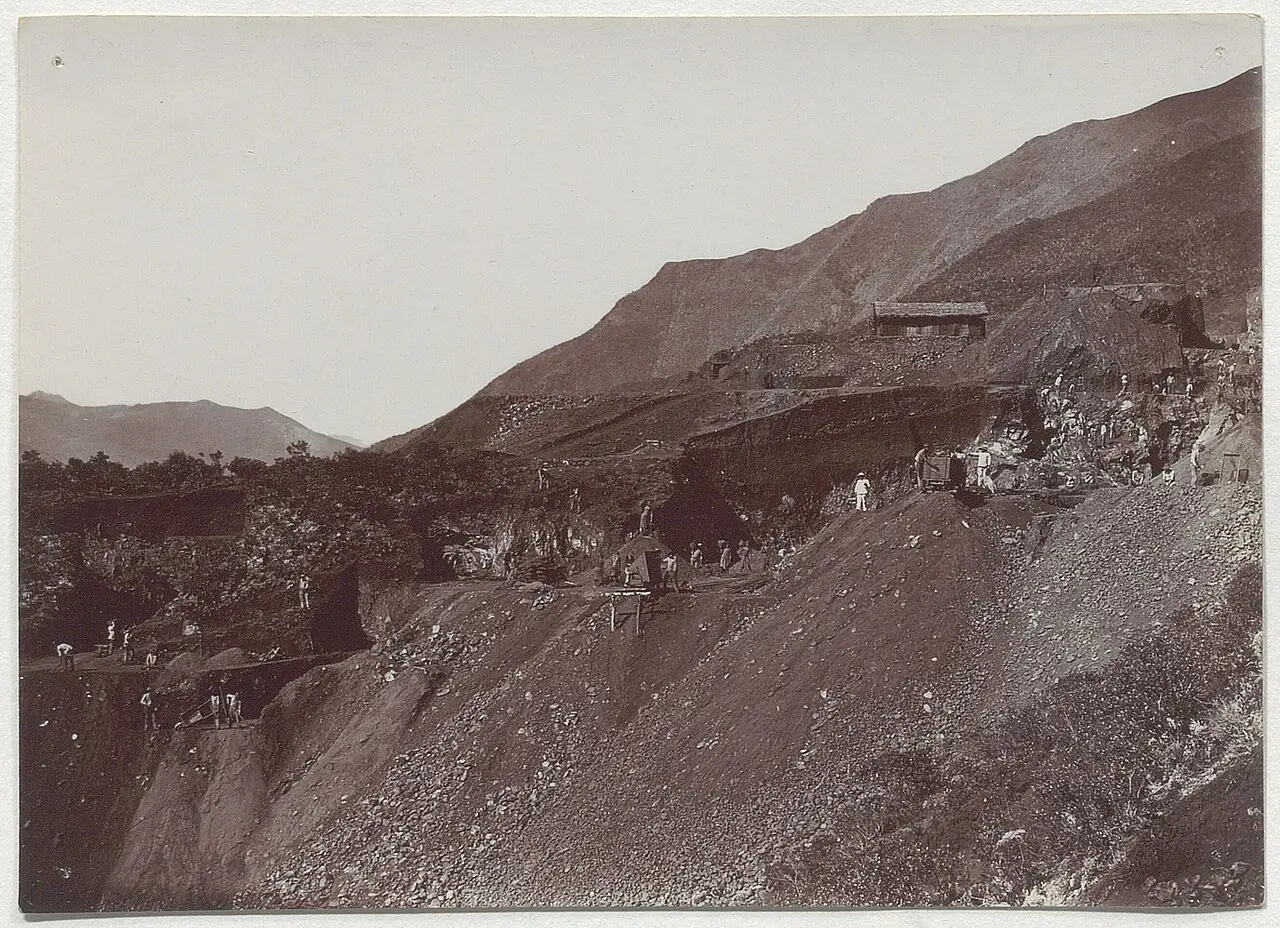
In the mid-1860s a French mining engineer, Jules Garnier, found a green nickel ore near Nouméa. The mineral is still called garnierite after him. France had annexed New Caledonia in 1853 and made it a penal colony. Mining began around 1875, and by the end of the 1880s New Caledonia produced more than 70% of the world's nickel.
The Société Le Nickel (SLN), founded in Paris in 1880, came under Rothschild control in 1883, after the bank sent an engineer to report on the convict workforce. SLN used more than a thousand convicts at a time, leased from the penal administration under contracts of 10 to 20 years. Critics called them "human flesh contracts." In 1889 the leases were challenged in the Chamber of Deputies. The under-secretary for the colonies, Eugène Étienne, defended them by citing the advantages for France, and for the War Ministry, of working the nickel mines. The convict leases ended in 1901.
History
Which country mined the most nickel before World War I?
Canada mined about 69% of the world's nickel in 1913, and New Caledonia about 25%. Canada's output grew with naval demand for armor plate. In 1883 a Canadian Pacific Railway blacksmith, Thomas Flanagan, noticed copper-bearing rock in a cut near Sudbury, Ontario. The deposits were first worked for copper, and nickel was an unwanted by-product.
An Ohio businessman, Samuel J. Ritchie, persuaded the US Navy to test nickel-steel armor. In September 1890 at Annapolis, the Navy fired at three armor plates and ranked the nickel-steel plate first, though it was the thinnest. Navies switched to nickel steel. Ritchie was pushed out by his directors in 1891 and lost his fortune. In 1902 J. P. Morgan's bankers merged the Sudbury producers into the International Nickel Company (Inco). World output rose about sevenfold between 1895 and 1913, mainly because of nickel steel. In 1919 Inco reported that about 60% of nickel went into nickel steel, largely armor plate.
Share of world nickel output
19132025- Canada69%3.6%
- New Caledonia25%3.6%
- Indonesia0%67%
- Philippines0%6.9%
History
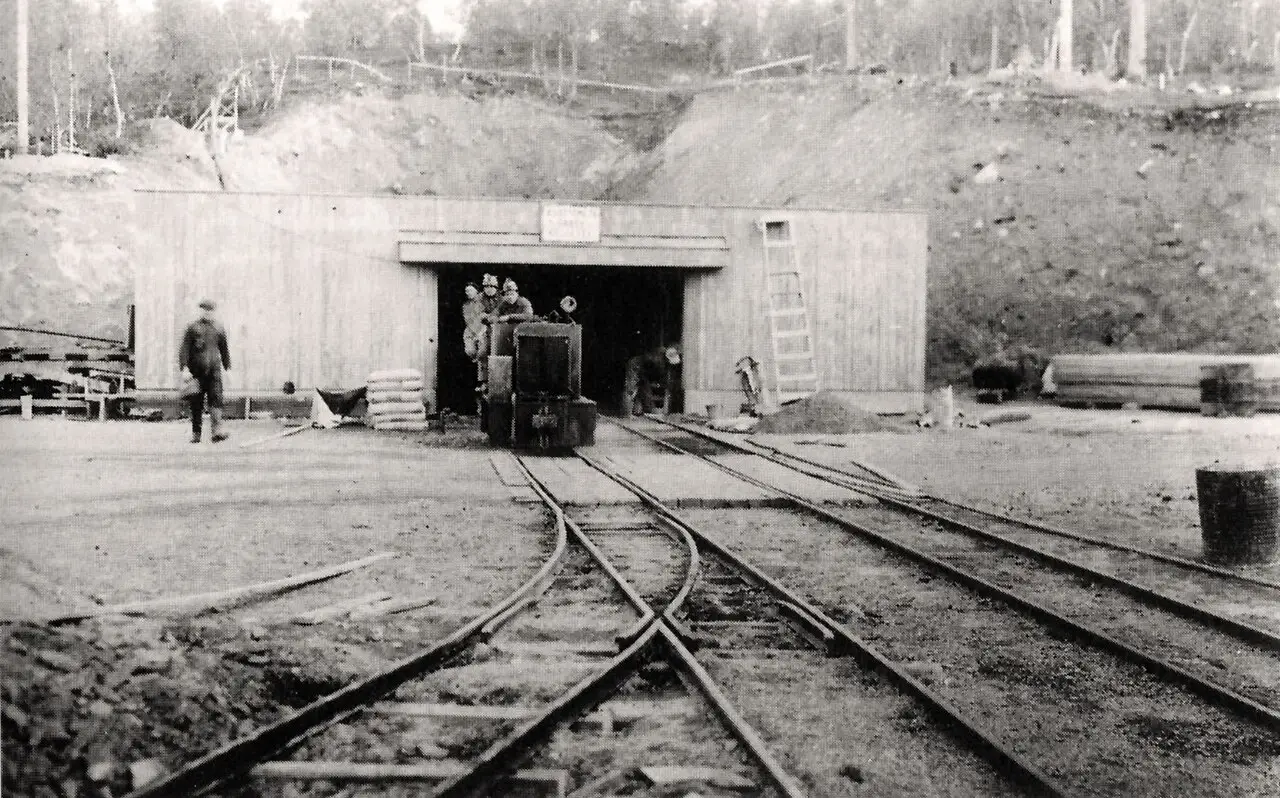
How Petsamo nickel moved Finland's border
The Soviet Union wanted Petsamo's nickel, and in 1944 it took the area, Finland's only Arctic coast. Finland had gained Petsamo from Soviet Russia in the 1920 Treaty of Tartu. Finnish geologists found nickel there in 1921. In 1934 Finland leased the deposit to the Mond Nickel Company, the British subsidiary of Inco. During the Winter War the Red Army took Petsamo, but the March 1940 peace returned most of it to Finland.
On June 23, 1940, the Soviet foreign minister, Vyacheslav Molotov, told Finland's envoy that Moscow was interested in the Petsamo nickel. Finland instead agreed to sell Germany 60% of the output. In Berlin that November, Hitler told Molotov that Germany needed Finnish nickel and opposed a new Soviet war on Finland. In 1943 Petsamo supplied 73% of the nickel Germany used. The Moscow armistice of September 19, 1944 gave Petsamo to the Soviet Union. Moscow agreed to pay Inco $20 million, about $370 million in 2025 dollars.
Other resources
All 33 resources →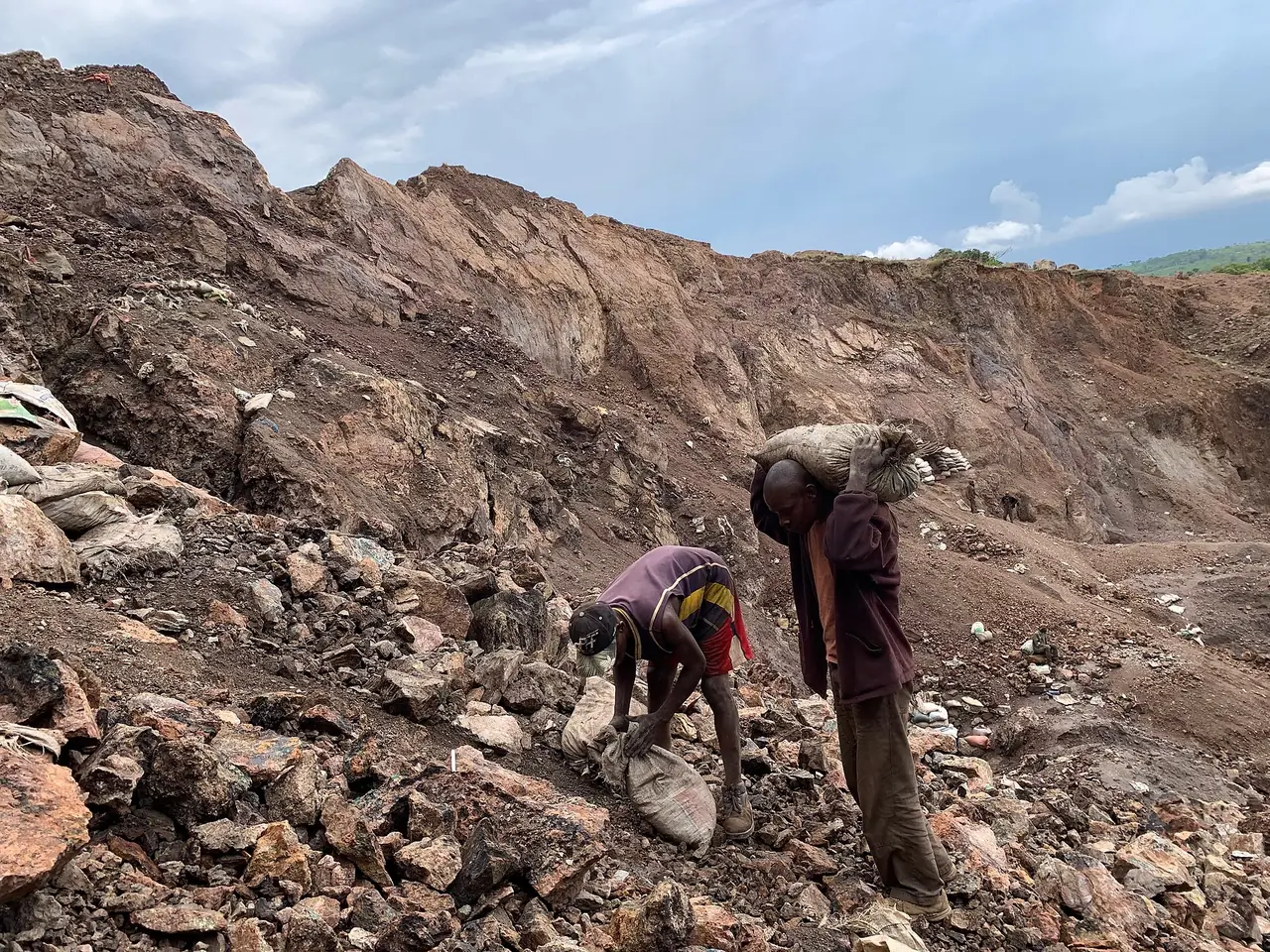
 DR Congo 74%
Battery metal
Cobalt
China refines 79% of the world's cobalt but mines less than 1%.
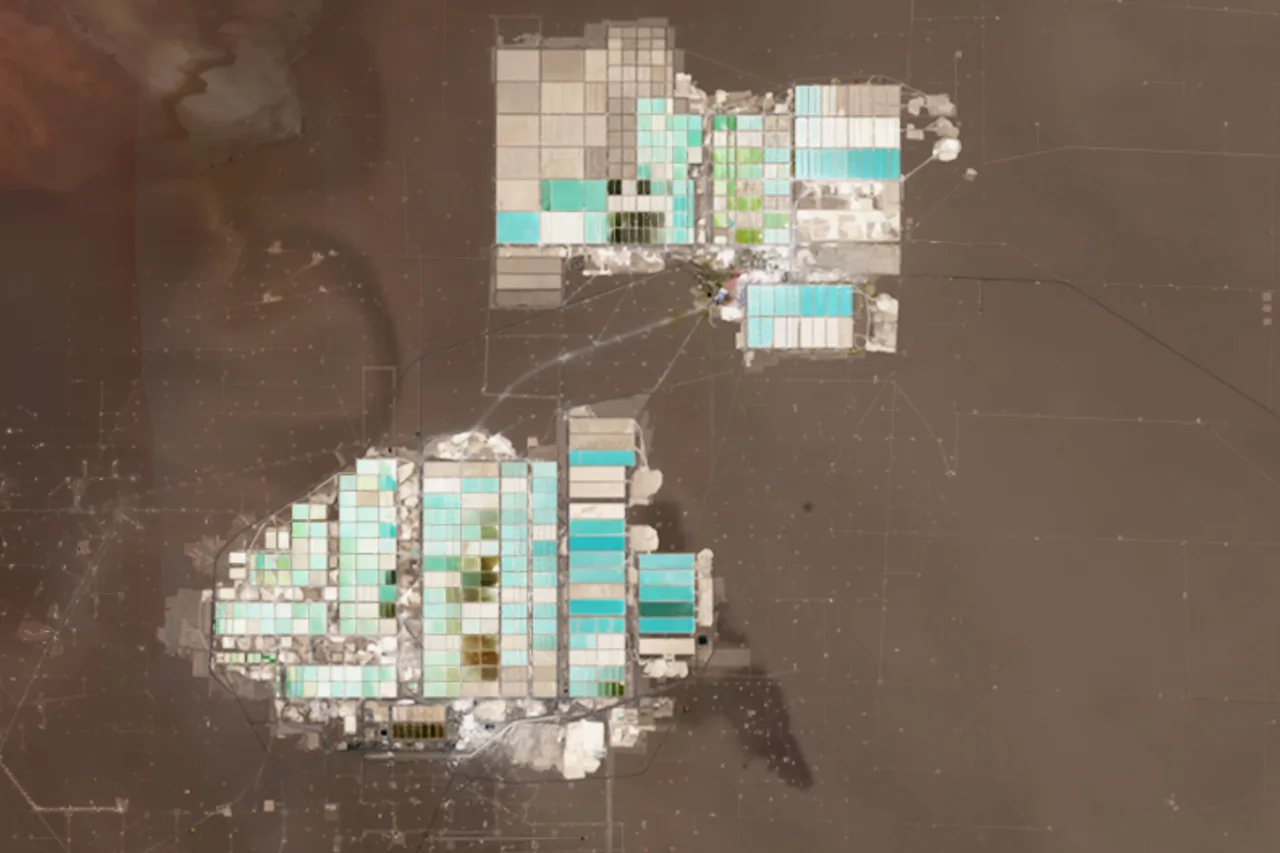 Australia 32%
Battery metal
Lithium
China mines 21% of lithium but refines 70% and makes 80% of battery cells.
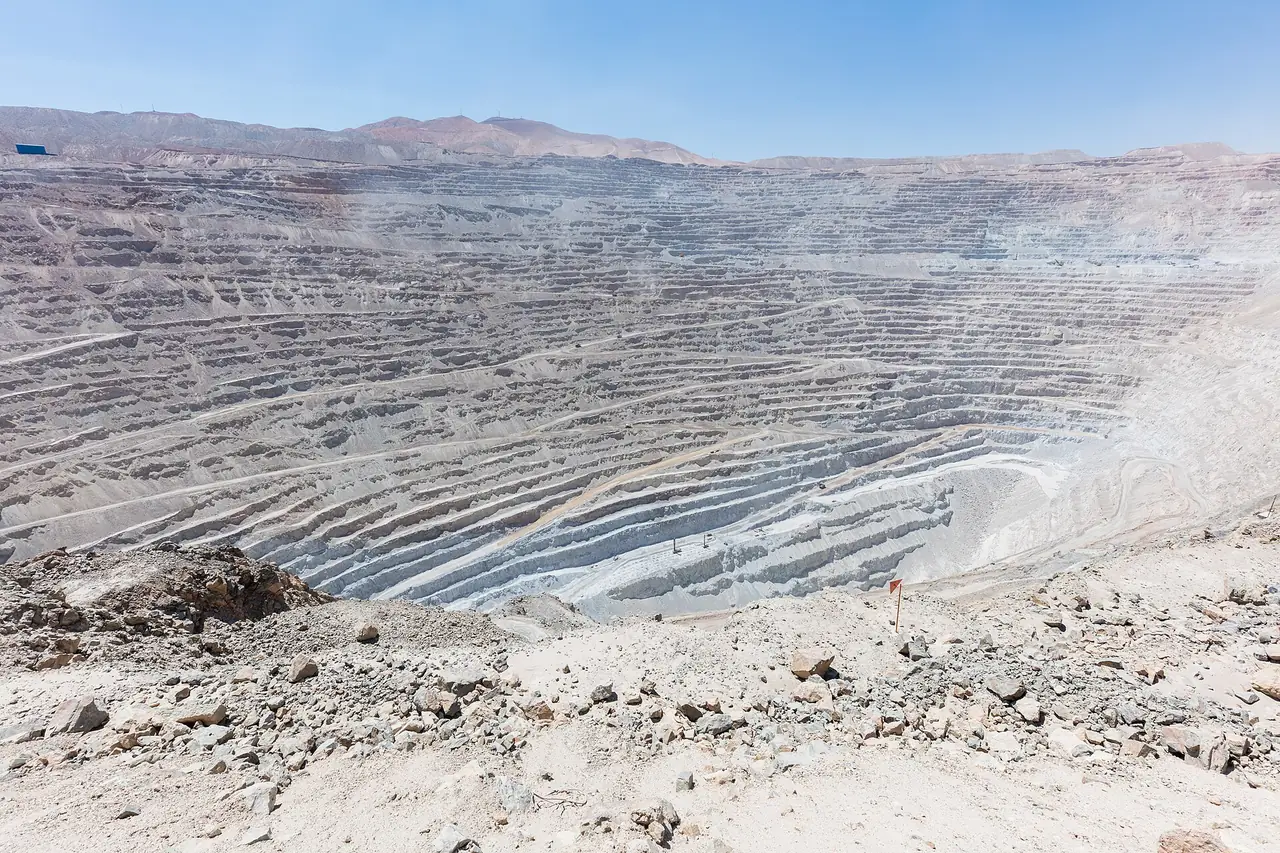
 Chile 23%
Industrial metal
Copper
China refines 48% of the world's copper but mines only 8%.