Ranking · Energy and resources
Critical minerals by country
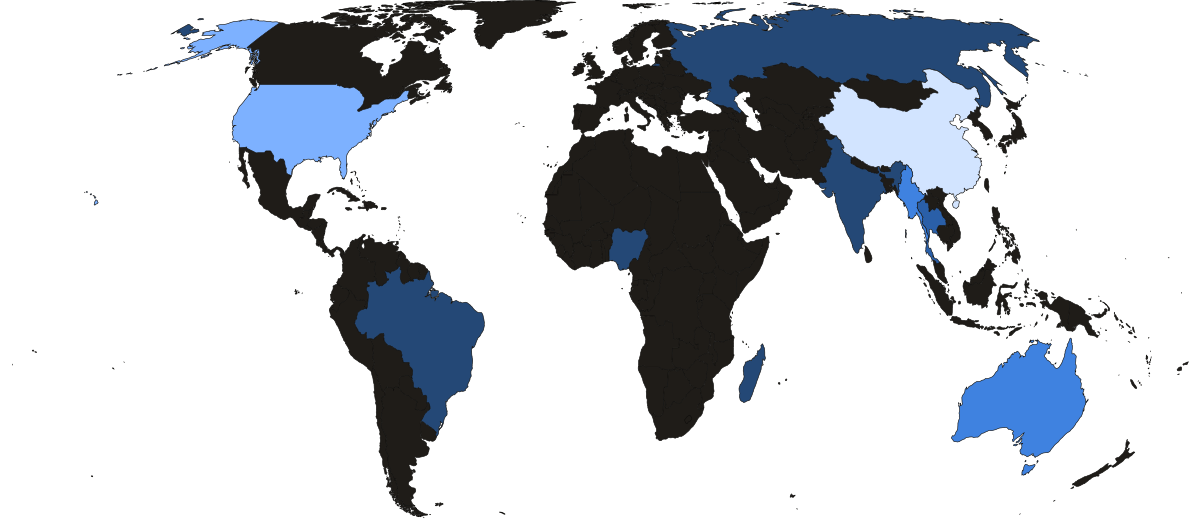
China mines 69% of the world's rare earths and 78% of its natural graphite. Other critical minerals are concentrated in other countries: DR Congo mines 74% of the world's cobalt and Indonesia 67% of its nickel. Australia mines 32% of the world's lithium and Chile 23% of its copper.
Where the world's rare earths are mined
Share of world rare earth mine production, 2025
 China 69%
 13%
7%
6%
13%
7%
6%
- China 69.2%
- United States 13.1%
- Australia 7.4%
- Myanmar 5.6%
- Everyone else 4.7%
- Under 1%
- 1%–5%
- 5%–10%
- 10%–25%
- Over 25%
- Not in this ranking
- Under 1%
- 1%–5%
- 5%–10%
- 10%–25%
- Over 25%
- Not in this ranking
- Under 1%
- 1%–5%
- 5%–10%
- 10%–25%
- Over 25%
- Not in this ranking
- Under 1%
- 1%–5%
- 5%–10%
- 10%–25%
- Over 25%
- Not in this ranking
- Under 1%
- 1%–5%
- 5%–10%
- 10%–25%
- Over 25%
- Not in this ranking
- Under 1%
- 1%–5%
- 5%–10%
- 10%–25%
- Over 25%
- Not in this ranking
| # | Country | Rare earths | Lithium | Cobalt | Nickel | Graphite | Copper |
|---|---|---|---|---|---|---|---|
| 1 | China |
69.2% | 21.4% | 0.6% | 3.1% | 77.8% | 7.8% |
| 2 | United States |
13.1% | · | 0.1% | 0.3% | · | 4.3% |
| 3 |  Australia Australia |
7.4% | 31.7% | 1.2% | 1.2% | · | 3.2% |
| 4 |  Myanmar Myanmar |
5.6% | · | · | · | · | · |
| 5 |  Thailand Thailand |
1.2% | · | · | · | · | · |
| 6 |  Russia Russia |
0.7% | · | 2.5% | 5.1% | 1.4% | 5.7% |
| 7 |  Madagascar Madagascar |
0.7% | · | 1.3% | · | 4.4% | · |
| 8 |  India India |
0.7% | · | · | · | 0.9% | 0.1% |
| 9 |  Brazil Brazil |
0.5% | 4.1% | · | 1.8% | 3.6% | · |
| 10 |  Nigeria Nigeria |
0.4% | · | · | · | · | · |
| # | Country | Lithium | Rare earths | Cobalt | Nickel | Graphite | Copper |
|---|---|---|---|---|---|---|---|
| 1 | Australia |
31.7% | 7.4% | 1.2% | 1.2% | · | 3.2% |
| 2 | China |
21.4% | 69.2% | 0.6% | 3.1% | 77.8% | 7.8% |
| 3 |  Chile Chile |
19.3% | · | · | · | · | 23.0% |
| 4 |  Zimbabwe Zimbabwe |
9.7% | · | · | · | · | · |
| 5 |  Argentina Argentina |
7.9% | · | · | · | · | · |
| 6 | Brazil |
4.1% | 0.5% | · | 1.8% | 3.6% | · |
| 7 |  Mali Mali |
3.2% | · | · | · | · | · |
| 8 |  Canada Canada |
1.9% | · | 1.1% | 3.6% | 0.4% | 2.2% |
| 9 |  Portugal Portugal |
0.1% | · | · | · | · | · |
| # | Country | Cobalt | Rare earths | Lithium | Nickel | Graphite | Copper |
|---|---|---|---|---|---|---|---|
| 1 |  DR Congo DR Congo |
74.2% | · | · | · | · | 13.9% |
| 2 |  Indonesia Indonesia |
14.2% | · | · | 66.7% | · | 3.1% |
| 3 | Russia |
2.5% | 0.7% | · | 5.1% | 1.4% | 5.7% |
| 4 | Madagascar |
1.3% | 0.7% | · | · | 4.4% | · |
| 5 | Australia |
1.2% | 7.4% | 31.7% | 1.2% | · | 3.2% |
| 6 |  Philippines Philippines |
1.2% | · | · | 6.9% | · | · |
| 7 | Canada |
1.1% | · | 1.9% | 3.6% | 0.4% | 2.2% |
| 8 |  Papua New Guinea Papua New Guinea |
0.9% | · | · | · | · | · |
| 9 | China |
0.6% | 69.2% | 21.4% | 3.1% | 77.8% | 7.8% |
| 10 |  Cuba Cuba |
0.6% | · | · | · | · | · |
| 11 |  Turkey Turkey |
0.6% | · | · | · | 0.1% | · |
| 12 | United States |
0.1% | 13.1% | · | 0.3% | · | 4.3% |
| # | Country | Nickel | Rare earths | Lithium | Cobalt | Graphite | Copper |
|---|---|---|---|---|---|---|---|
| 1 | Indonesia |
66.7% | · | · | 14.2% | · | 3.1% |
| 2 | Philippines |
6.9% | · | · | 1.2% | · | · |
| 3 | Russia |
5.1% | 0.7% | · | 2.5% | 1.4% | 5.7% |
| 4 | Canada |
3.6% | · | 1.9% | 1.1% | 0.4% | 2.2% |
| 5 | China |
3.1% | 69.2% | 21.4% | 0.6% | 77.8% | 7.8% |
| 6 | Brazil |
1.8% | 0.5% | 4.1% | · | 3.6% | · |
| 7 | Australia |
1.2% | 7.4% | 31.7% | 1.2% | · | 3.2% |
| 8 | United States |
0.3% | 13.1% | · | 0.1% | · | 4.3% |
| # | Country | Graphite | Rare earths | Lithium | Cobalt | Nickel | Copper |
|---|---|---|---|---|---|---|---|
| 1 | China |
77.8% | 69.2% | 21.4% | 0.6% | 3.1% | 7.8% |
| 2 | Madagascar |
4.4% | 0.7% | · | 1.3% | · | · |
| 3 |  Tanzania Tanzania |
4.2% | · | · | · | · | · |
| 4 | Brazil |
3.6% | 0.5% | 4.1% | · | 1.8% | · |
| 5 |  Mozambique Mozambique |
3.3% | · | · | · | · | · |
| 6 | Russia |
1.4% | 0.7% | · | 2.5% | 5.1% | 5.7% |
| 7 | India |
0.9% | 0.7% | · | · | · | 0.1% |
| 8 | Canada |
0.4% | · | 1.9% | 1.1% | 3.6% | 2.2% |
| 9 |  North Korea North Korea |
0.4% | · | · | · | · | · |
| 10 |  Norway Norway |
0.4% | · | · | · | · | · |
| 11 |  Sri Lanka Sri Lanka |
0.2% | · | · | · | · | · |
| 12 | Turkey |
0.1% | · | · | 0.6% | · | · |
| # | Country | Copper | Rare earths | Lithium | Cobalt | Nickel | Graphite |
|---|---|---|---|---|---|---|---|
| 1 | Chile |
23.0% | · | 19.3% | · | · | · |
| 2 | DR Congo |
13.9% | · | · | 74.2% | · | · |
| 3 |  Peru Peru |
11.7% | · | · | · | · | · |
| 4 | China |
7.8% | 69.2% | 21.4% | 0.6% | 3.1% | 77.8% |
| 5 | Russia |
5.7% | 0.7% | · | 2.5% | 5.1% | 1.4% |
| 6 | United States |
4.3% | 13.1% | · | 0.1% | 0.3% | · |
| 7 |  Zambia Zambia |
4.1% | · | · | · | · | · |
| 8 | Australia |
3.2% | 7.4% | 31.7% | 1.2% | 1.2% | · |
| 9 | Indonesia |
3.1% | · | · | 14.2% | 66.7% | · |
| 10 |  Kazakhstan Kazakhstan |
3.1% | · | · | · | · | · |
| 11 |  Mexico Mexico |
3.0% | · | · | · | · | · |
| 12 | Canada |
2.2% | · | 1.9% | 1.1% | 3.6% | 0.4% |
| 13 |  Poland Poland |
1.8% | · | · | · | · | · |
| 14 | India |
0.1% | 0.7% | · | · | · | 0.9% |
Why they rank where they do
-
China
China refines almost half of the world's copper, far more than it mines. China has also required export permits for graphite since December 2023.
-
United States
US rare earth mining comes almost entirely from one mine, Mountain Pass in California, run by MP Materials. The Pentagon took a stake of roughly 15% in MP Materials in July 2025, and China put the company on its export control list in June 2026.
-
Australia
Australia's rare earths come mainly from one company, Lynas. Most Australian lithium is hard rock ore shipped to China to be refined.
-
Myanmar
Most of Myanmar's rare earth ore comes from unregulated mines in Kachin State, near the Chinese border, and goes to Chinese refineries. In October 2024 the Kachin Independence Army, an ethnic armed group, seized the main mining area.
-
DR Congo
Chinese companies run many of DR Congo's biggest copper and cobalt mines. DR Congo mines more copper than any country except Chile.
-
Indonesia
Indonesia banned exports of raw nickel ore in January 2020 to force companies to process it at home, and Chinese companies built most of the smelters. The flood of Indonesian nickel pushed down prices and closed mines in Australia and New Caledonia.
-
Chile
Copper earns about half of Chile's export income. Chile also has the world's largest lithium reserves, pumped as brine from the Atacama Desert.
-
Peru
More Peruvian copper now leaves through Chancay, a port built by the Chinese state shipping company COSCO that opened in November 2024.
-
Zimbabwe
Zimbabwe became Africa's largest lithium producer after Chinese companies bought its hard-rock mines. Zimbabwe banned exports of raw lithium ore in December 2022 to force more processing at home.
What are critical minerals?
Critical minerals are minerals that a government considers essential to its economy or national security and whose supply could be cut off. Different governments keep different lists. In November 2025 the US government published a new list that added copper, silver, uranium, potash, lead and metallurgical coal, among others. This page covers six minerals that matter most for batteries, magnets and power grids: rare earths, lithium, cobalt, nickel, graphite and copper.
Why does China control rare earths?
China mines 69% of the world's rare earths and refines about 90%, including almost all of the heavy rare earths used in the strongest magnets. Those magnets go into phones, electric car motors, wind turbines, missiles and fighter jets. In April 2025 China put seven heavy rare earths and the magnets made from them under export licenses, and the delays briefly halted some car production in the United States and Europe. China also has the largest reserves, 44 million tons. Brazil has the second largest, 11 million tons, but mined only 2,000 tons in 2025.
China69.2%
The next nine countries together30.3%
United States, Australia, Myanmar, Thailand, Russia, Madagascar, India, Brazil and Nigeria
Which country produces the most cobalt?
DR Congo produces 74% of the world's cobalt, about 230,000 tons in 2025. Indonesia is second with 44,000 tons, up from 35,000 in 2024. Most cobalt is a by-product of copper mining in DR Congo and of nickel mining in Indonesia. DR Congo suspended cobalt exports in February 2025 to push up prices, then replaced the ban with export quotas in October 2025. Battery makers in China are shifting to cobalt-free designs based on iron and phosphate.
- DR Congo74.2%
- Indonesia14.2%
- Russia2.5%
- Madagascar1.3%
- Australia1.2%
- Philippines1.2%
Which countries produce the most lithium?
Australia produces 32% of the world's lithium, followed by China at 21% and Chile at 19%. World output rose 31% in 2025, to 290,000 tons. Argentina, Chile and Bolivia share the lithium triangle, a region of high-altitude salt flats where lithium is pumped out as brine. Bolivia has 23 million tons of lithium resources but mines almost none. Mali's output jumped from 770 tons in 2024 to 9,400 tons in 2025 after two new mines opened. The USGS withholds US lithium production to protect company data.
- Australia31.7%
- China21.4%
- Chile19.3%
- Zimbabwe9.7%
- Argentina7.9%
- Brazil4.1%
- Mali3.2%
- Canada1.9%
Read more
-
 Blog
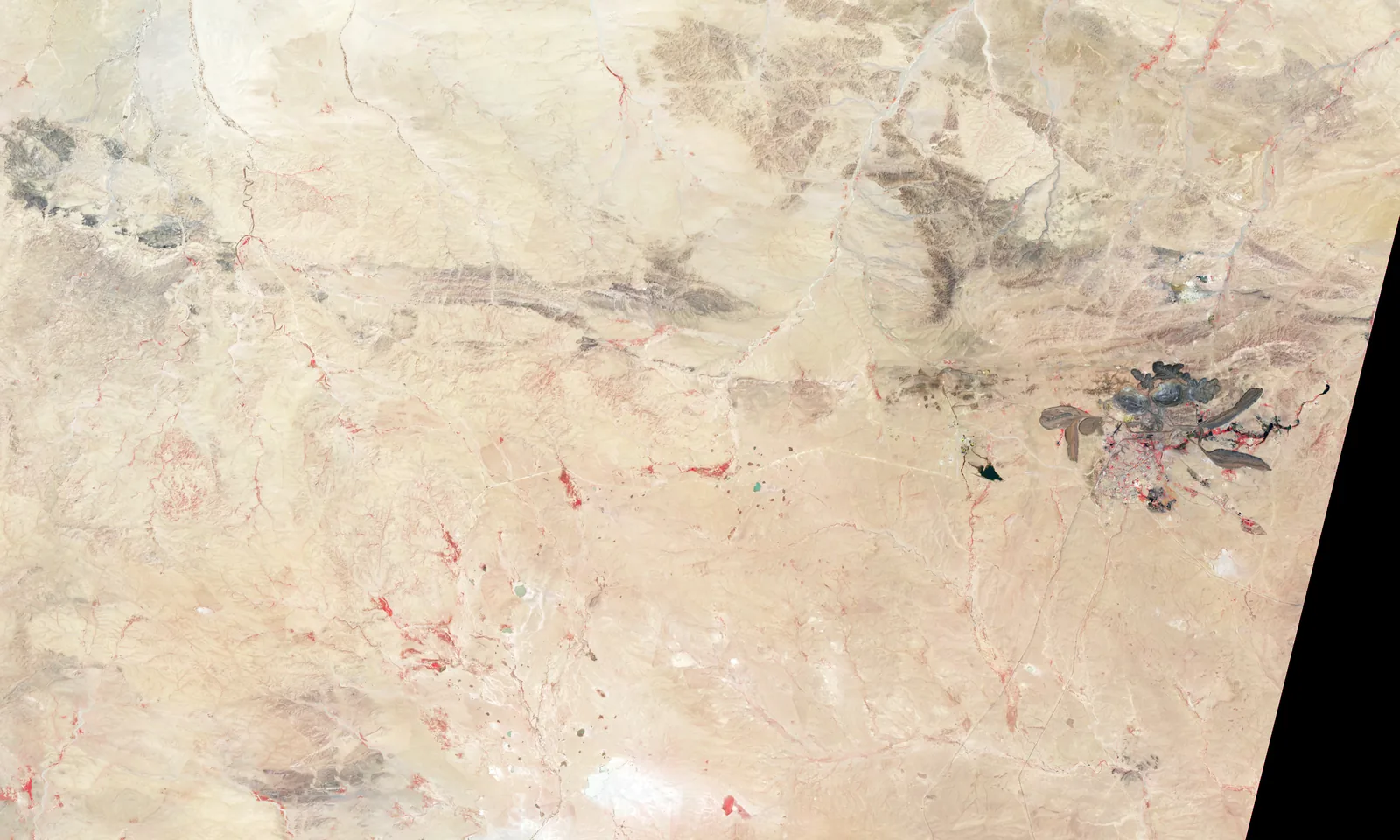
Why does China control the world's rare earth metals?
China refines about 90 percent of the world's rare earth metals, the magnets inside every phone, EV, and fighter jet. In 2025 it made them a weapon.
Blog
Why does China control the world's rare earth metals?
China refines about 90 percent of the world's rare earth metals, the magnets inside every phone, EV, and fighter jet. In 2025 it made them a weapon.
-
 Blog
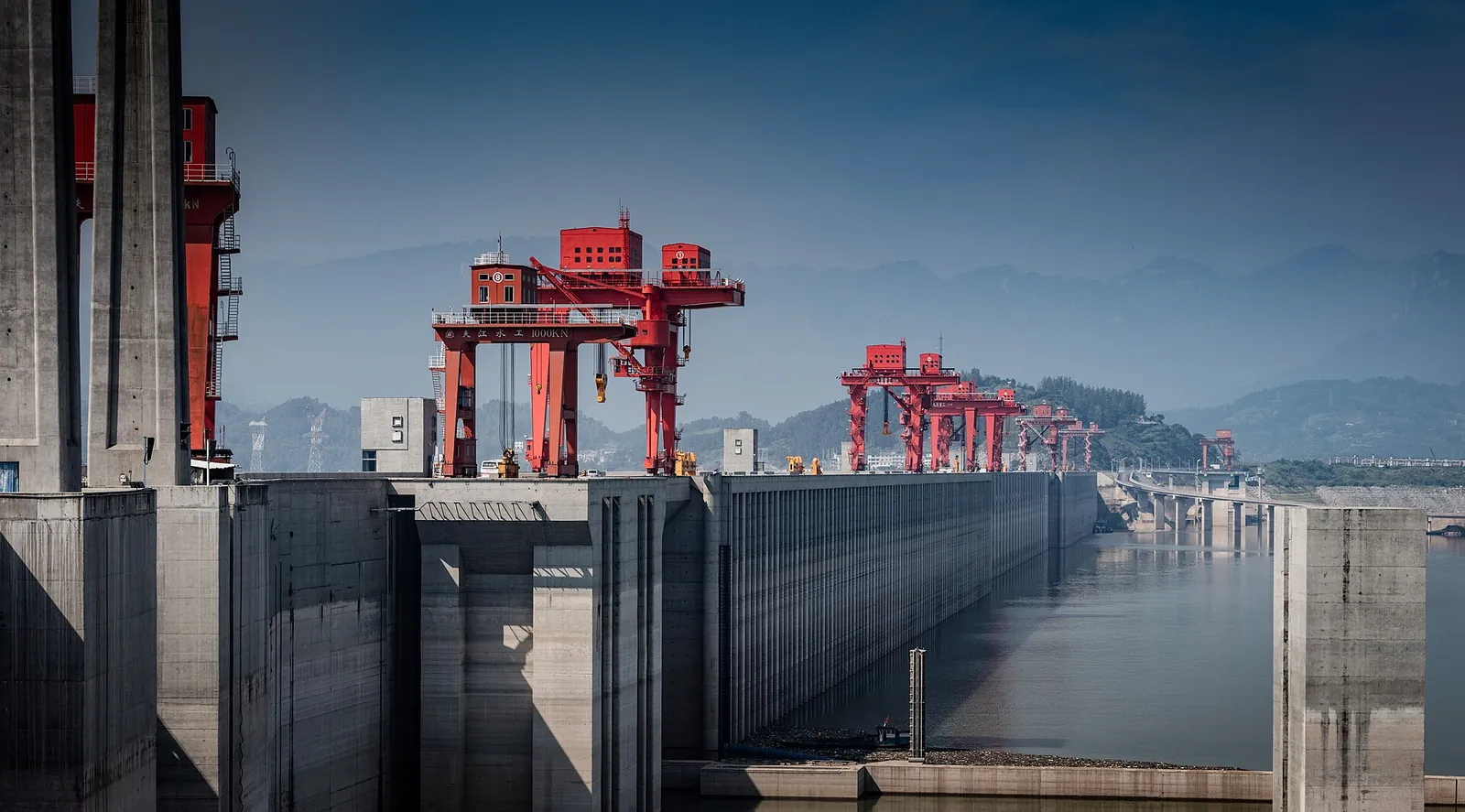
How far ahead is China in energy?
China generates more electricity than the US, EU, and India combined. It makes 85 percent of the world's solar panels and nearly half its new nuclear reactors.
Blog
How far ahead is China in energy?
China generates more electricity than the US, EU, and India combined. It makes 85 percent of the world's solar panels and nearly half its new nuclear reactors.

