
Resource · Battery metal
Cobalt
Cobalt is a metal used mostly in batteries, produced as a by-product of copper and nickel mining. DR Congo mined 74% of the world's cobalt in 2025, much of that from Chinese-owned mines. China refines 79% of global output. DR Congo's export ban and quotas in 2025 sent cobalt hydroxide prices up 328%.
- Mined in 2025
- 310,000 t
- of cobalt
- Largest producer
 74%
74%- 230,000 tonnes
- Refined in China
 79%
79%- of refined cobalt, 2025
- Chinese-owned
- 72%
- of DR Congo's output, 2025
- Into batteries
- 77%
- of cobalt used, 2025
Where does cobalt come from?
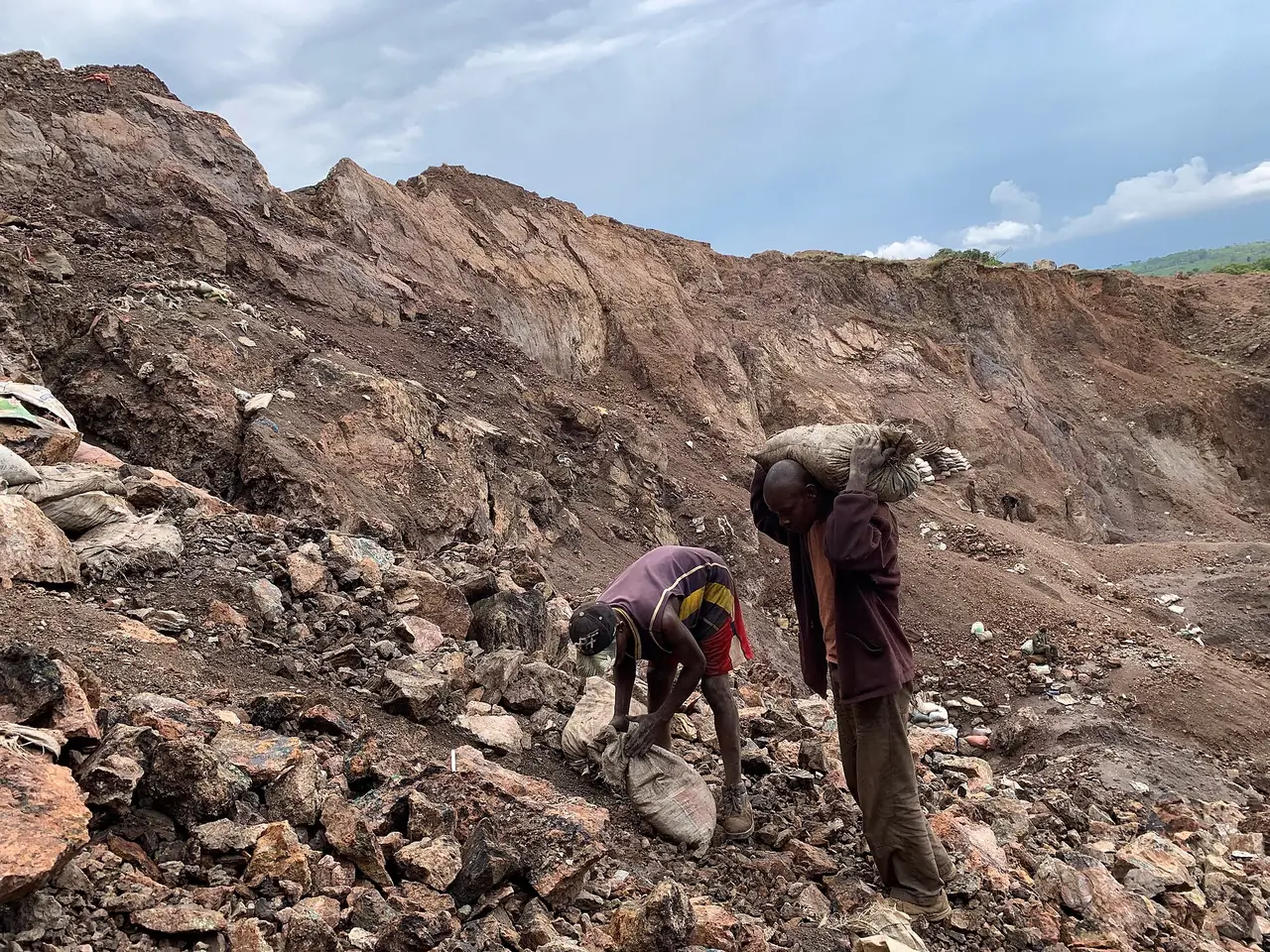
DR Congo mined 74% of the world's cobalt in 2025, mostly from copper mines. Chinese companies majority-owned the operations that yielded 72% of DR Congo's output. CMOC alone produced about 117,500 tonnes at Tenke Fungurume and Kisanfu. Indonesia was second at 14%, extracting cobalt as a by-product of nickel processing.
Hand-dug artisanal mining has declined but persists. The US Labor Department lists cobalt ore from DR Congo as produced with child labor and forced labor.
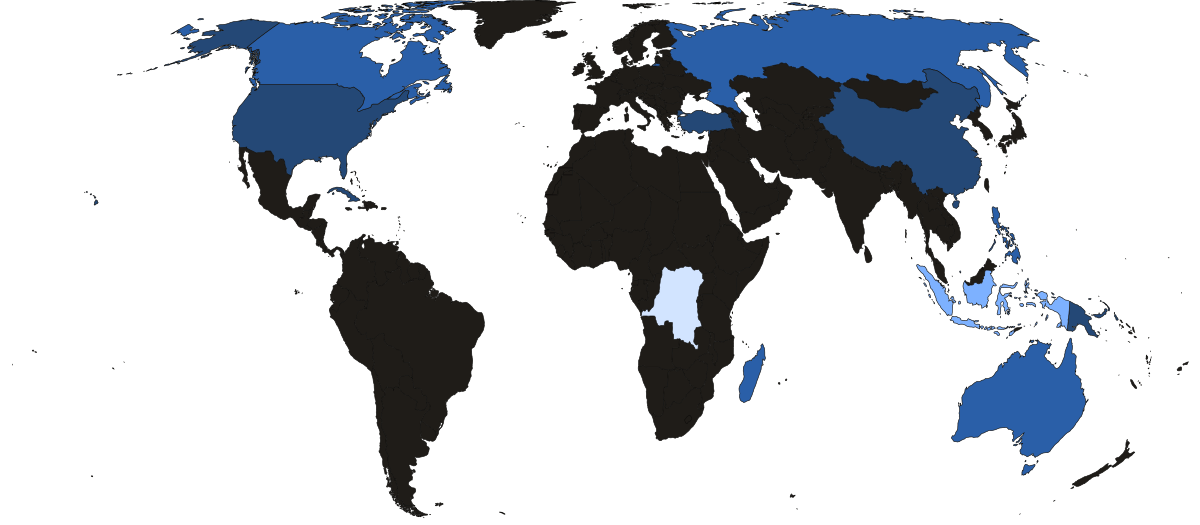
Share of world mine output, 2025
- DR Congo74.2%
 Indonesia14.2%
 Russia2.5%
 Madagascar1.3%
 Australia1.2%
 Philippines1.2%
- Everyone else5.4%
- Under 1%
- 1%–5%
- 5%–10%
- 10%–25%
- Over 25%
- No production
Who refines cobalt?
China refined 79% of the world's cobalt in 2025, despite mining just 0.6%. Finland was a distant second, and Indonesia rose to third with new refineries built with Chinese involvement.
Chinese gigafactories also used about 71% of cobalt consumed at the battery-cell stage. Most of those batteries ended up in cars and devices sold in Europe, North America and the rest of Asia.
From mine to battery
Share of world cobalt at each step
DR Congo 74%China 0.6%Indonesia 14%Russia 2.5%China 79% Finland 6.6%Indonesia 3.2%China 71%Rest of Asia 15%
What is cobalt used for?
Batteries consumed 77% of the world's cobalt in 2025. Electric vehicle batteries were the single largest use, followed by portable electronics batteries. Superalloys for jet engines and cutting tools accounted for most of the rest.
Cobalt-free LFP batteries are spreading. Nickel-cobalt chemistries made up 44% of EV batteries sold in 2025, down 8 percentage points in a year.
What the world's cobalt goes into
Share of use, 2025
- Electric car batteries41%
- Phone and laptop batteries34%
- Jet engine alloys7%
- Cutting tools3%
- Catalysts2%
- Other13%
How much goes into one
- 12 kgof cobalt in a 55 kWh NMC 622 car battery; an LFP battery has none
- 5–10 gof cobalt in a smartphone battery
- 50–60 kgof cobalt in one large jet engine
- 77%of the world's cobalt went into batteries in 2025
Why did cobalt prices jump in 2025?
DR Congo banned all cobalt exports on February 22, 2025, after cobalt hydroxide fell to about $5.60 a pound. DR Congo extended the ban in June and replaced the ban with export quotas in October 2025, capping exports at 96,600 tonnes a year for 2026 and 2027. That quota is about 43% of what DR Congo mined in 2024.
Cobalt hydroxide prices rose 328% over 2025. In June 2026, DR Congo's regulator moved unused quotas into a state strategic reserve.
How much cobalt prices rose in 2025
Change over the year
Which country has the most cobalt reserves?
DR Congo holds about half of the world's known cobalt reserves, with 6 of 12 million tonnes. Australia has the second-largest reserves at 14% but mined only about 1% of the world's cobalt in 2025.
Indonesia holds just 6% of reserves but mined 14% of the world's cobalt in 2025. Indonesia's output rose from 35,000 to 44,000 tonnes between 2024 and 2025.
Reserves against mining
Share of reservesShare of mining- DR Congo50%74%
- Australia14%1.2%
- Russia6.7%2.5%
- Indonesia6.3%14%
 Cuba4.2%0.6%
- Philippines2.2%1.2%
 Canada1.8%1.1%
- China1.3%0.6%
Other resources
All 11 resources →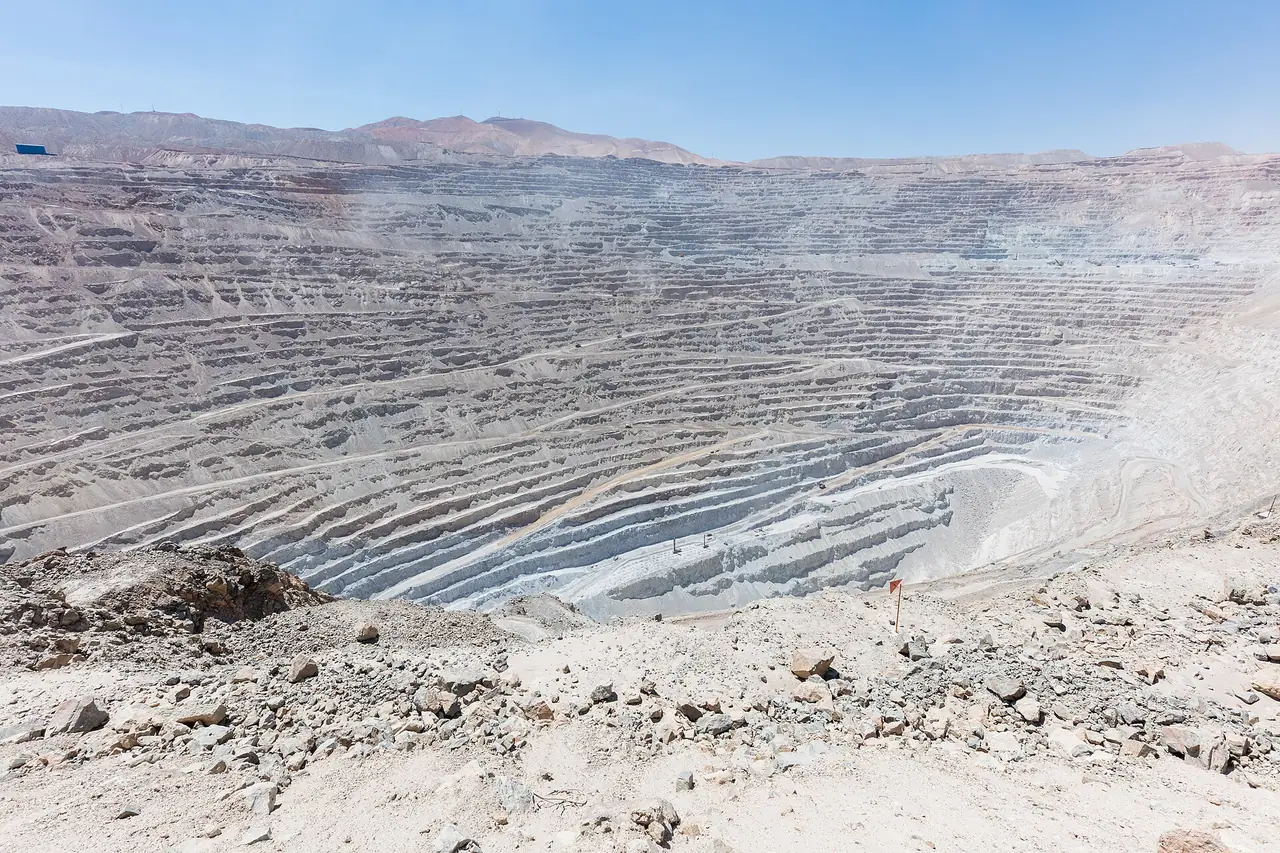
 Chile 23%
Industrial metal
Copper
China refines 48% of the world's copper but mines only 8%.
Chile 23%
Industrial metal
Copper
China refines 48% of the world's copper but mines only 8%.
 Indonesia 67%
Battery metal
Nickel
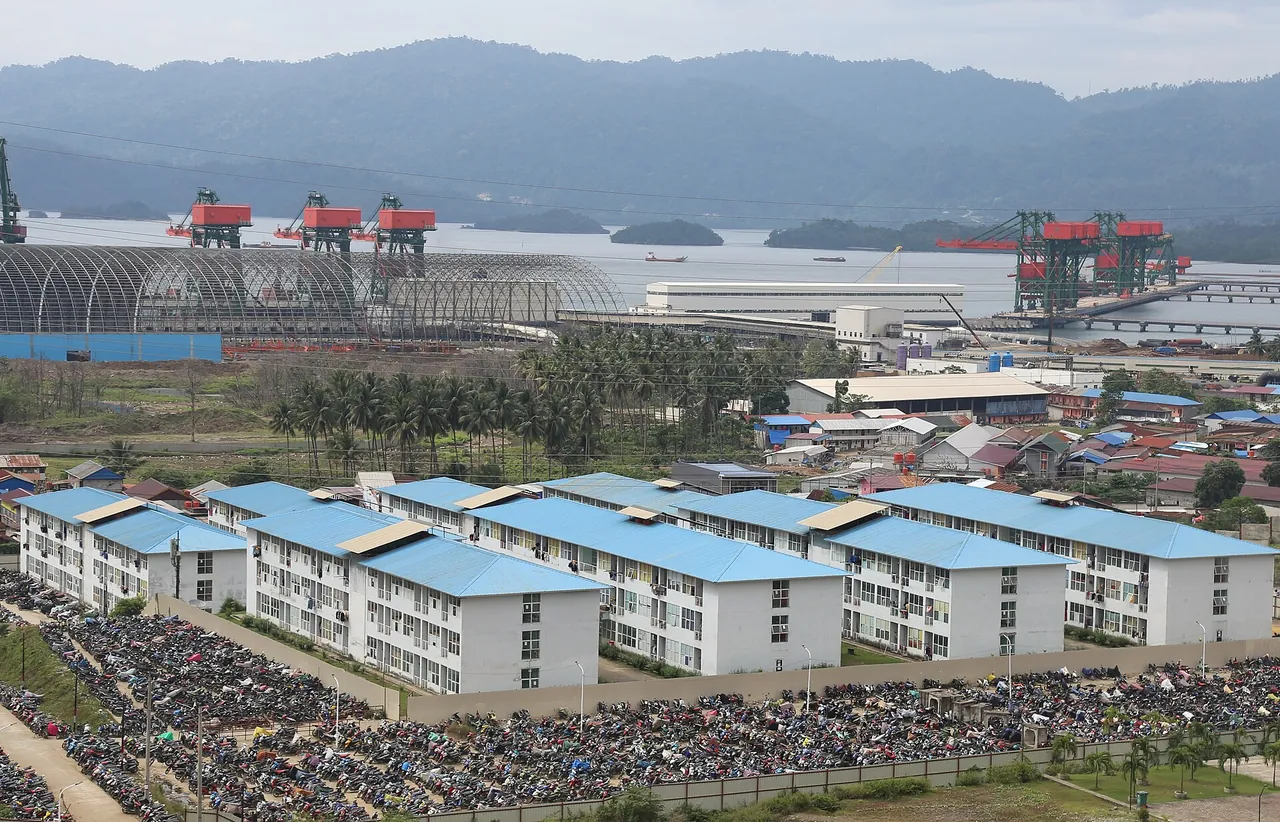
Indonesia mines 67% of the world's nickel; Chinese firms run 75% of its smelters.
Indonesia 67%
Battery metal
Nickel
Indonesia mines 67% of the world's nickel; Chinese firms run 75% of its smelters.
 Australia 32%
Battery metal
Lithium
China mines 21% of lithium but refines 70% and makes 80% of battery cells.
Australia 32%
Battery metal
Lithium
China mines 21% of lithium but refines 70% and makes 80% of battery cells.