
Resource · Critical mineral
Rare earths
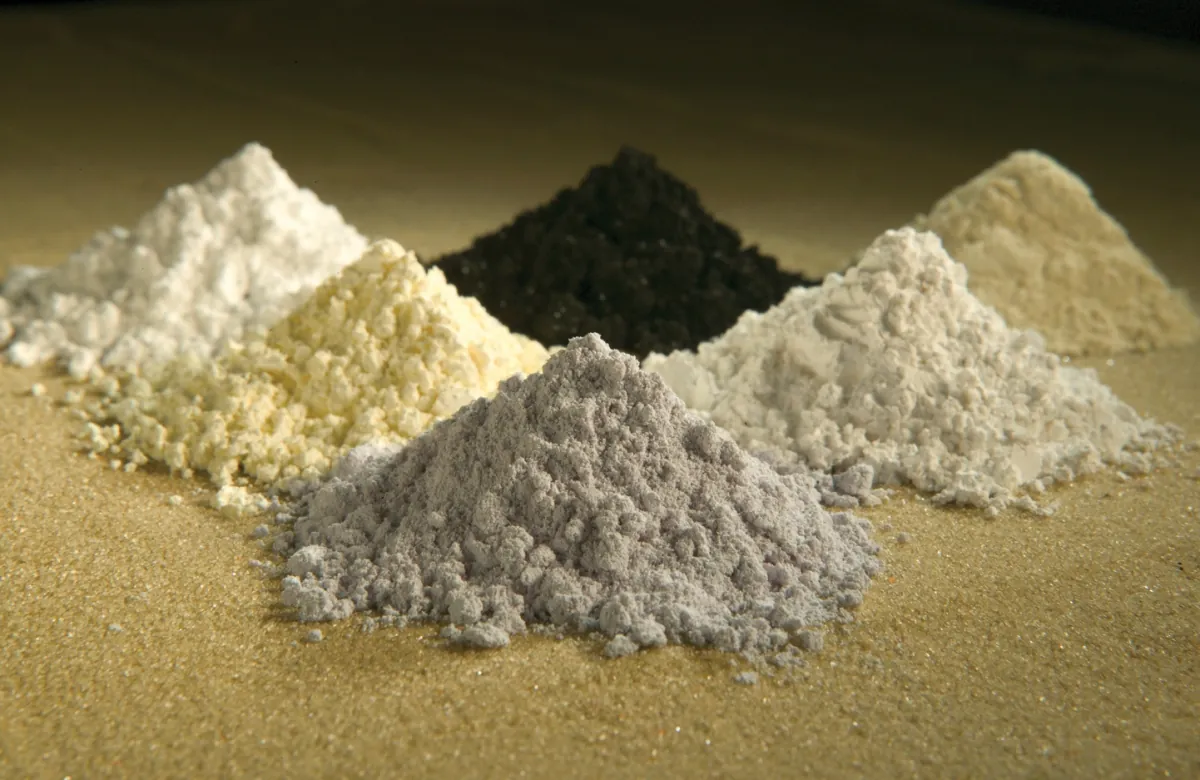
Rare earths are 17 metallic elements. The most valuable go into the powerful permanent magnets in electric car motors, wind turbines and weapons. China mined 69% in 2025, refined 85% and made 94% of the world's rare earth magnets. In April 2025 China began requiring export licenses for heavy rare earths and magnets, and its magnet exports fell 76% within two months.
- Mined in 2025
- 390,000 t
- of rare earth oxides
- Mined in China
 69%
69%- 270,000 tonnes
- Refined in China
- 85%
- down from 90% in 2023
- Magnets made in China
- 94%
- of sintered magnets, 2024
- Largest reserves
- 44M t
- about half the world's
Where are rare earths mined?
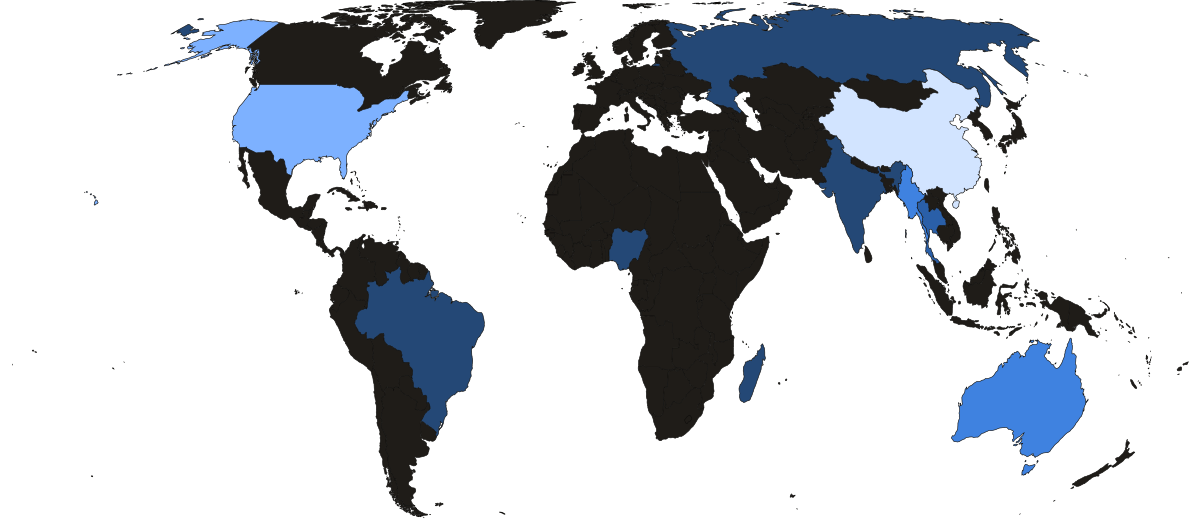
China mined 69% of the world's rare earths in 2025. Most came from the Bayan Obo deposit in Inner Mongolia, operated by China Northern Rare Earth. The United States was second at 13%, nearly all from MP Materials' Mountain Pass mine in California. Mines in Myanmar's Kachin State supply over 60% of the value of China's heavy rare earth imports. The Kachin Independence Army, an ethnic armed group, seized the main mining area in October 2024.
Share of world mine output, 2025
- China69.2%
 United States13.1%
 Australia7.4%
 Myanmar5.6%
 Thailand1.2%
 Russia0.7%
- Everyone else2.8%
- Under 1%
- 1%–5%
- 5%–10%
- 10%–25%
- Over 25%
- No production
Who refines rare earths?
China refined 85% of the world's rare earths in 2025, down from 90% in 2023 as new plants opened elsewhere. Lynas's facility in Kuantan, Malaysia, became the first to separate heavy rare earths outside China in May 2025. Chinese factories still made 94% of sintered rare earth magnets in 2024. Japan made about 5%.
In July 2025 the US Defense Department took a 15% stake in MP Materials for $400 million and guaranteed $110 per kilogram for the company's NdPr for 10 years.
From mine to magnet
Share of world output at each step
China 69%United States 13%Australia 7.4%China 85%China 94% Japan 5%
What are rare earths used for?
Magnets take about half of all rare earths by weight and about 95% by value. Rare earth magnets go into electric car motors, wind turbines and weapons. A single F-35 fighter jet contains 417 kg of rare earth materials. A Virginia-class attack submarine uses 4,170 kg.
Catalysts for oil refining and vehicle exhaust take most of the rest by weight, followed by polishing powders for glass and screens.
What the world's rare earths go into
Share by weight, 2024
- Magnets48%
- Catalysts16%
- Polishing powders11%
- Metal alloys6.4%
- Glass5.9%
- Other14%
How much goes into one
- 2–4 kgof rare earth magnets in an electric car's drive motor
- 600 kgof magnets in the average wind turbine
- 417 kgof rare earth materials in an F-35 fighter jet
- 4,170 kgin a Virginia-class attack submarine
Who buys China's rare earth magnets?
Germany, the United States and South Korea are the top buyers. China exported 58,152 tonnes of rare earth magnets in 2024.
On April 4, 2025, China required export licenses for seven heavy rare earths and magnets. Exports fell 76% from March to May. Ford halted Explorer production in Chicago for a week. China widened controls on October 9, 2025, then paused the October rules after Xi Jinping and Donald Trump met in Busan on October 30, 2025. The pause runs to January 10, 2027, and the April licenses still apply.
Where China's magnets went in 2024
Share of exports
 Germany19%
- United States13%
 South Korea10%
 Vietnam8%
 India5%
Which country has the most rare earth reserves?
China, with 44 million tonnes, holds about half the world's rare earth reserves. Brazil has the second-largest share at about a quarter but mines almost none. The world total of more than 85 million tonnes is a minimum because several countries have not reported figures.
The United States has only 2% of reserves but is the second-largest miner. Greenland holds 1.8% and does not yet mine rare earths.
Reserves against mining
Share of reservesShare of mining- China52%69%
 Brazil25%0.5%
- Australia7.4%7.4%
- Russia4.5%0.7%
- Vietnam4.1%0%
- United States2.2%13%
 Greenland1.8%0%
Other resources
All 11 resources →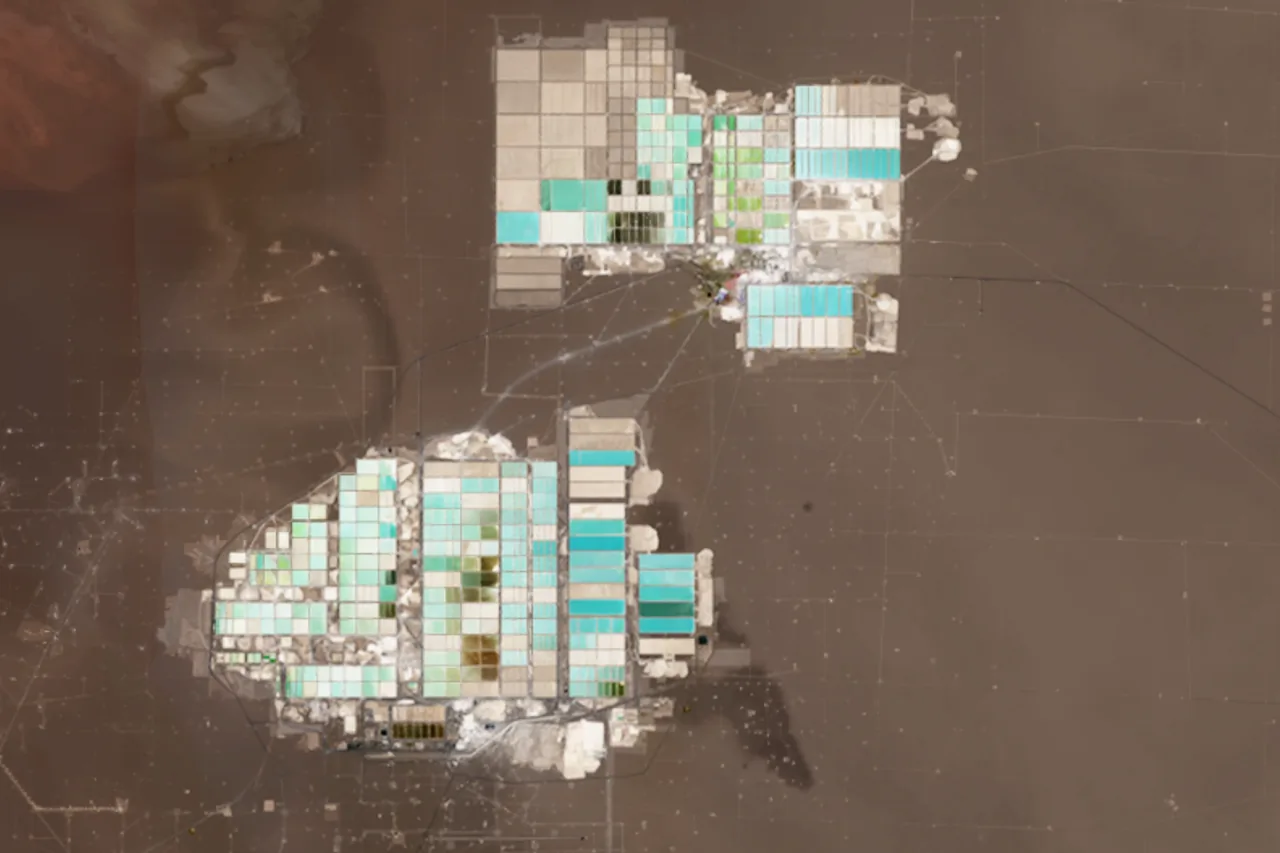 Australia 32%
Battery metal
Lithium
China mines 21% of lithium but refines 70% and makes 80% of battery cells.
Australia 32%
Battery metal
Lithium
China mines 21% of lithium but refines 70% and makes 80% of battery cells.
 DR Congo 74%
Battery metal
Cobalt
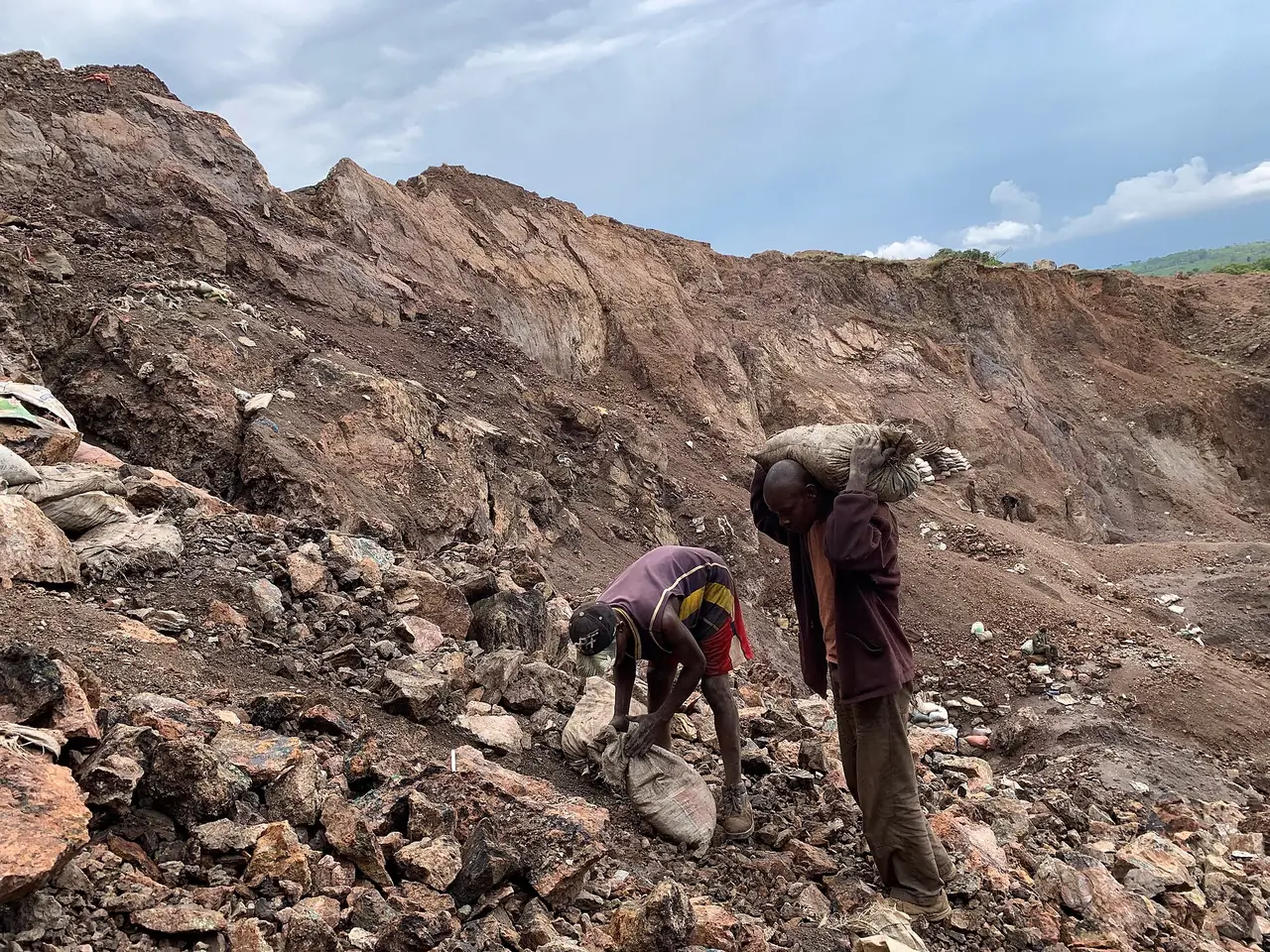
China refines 79% of the world's cobalt but mines less than 1%.
DR Congo 74%
Battery metal
Cobalt
China refines 79% of the world's cobalt but mines less than 1%.
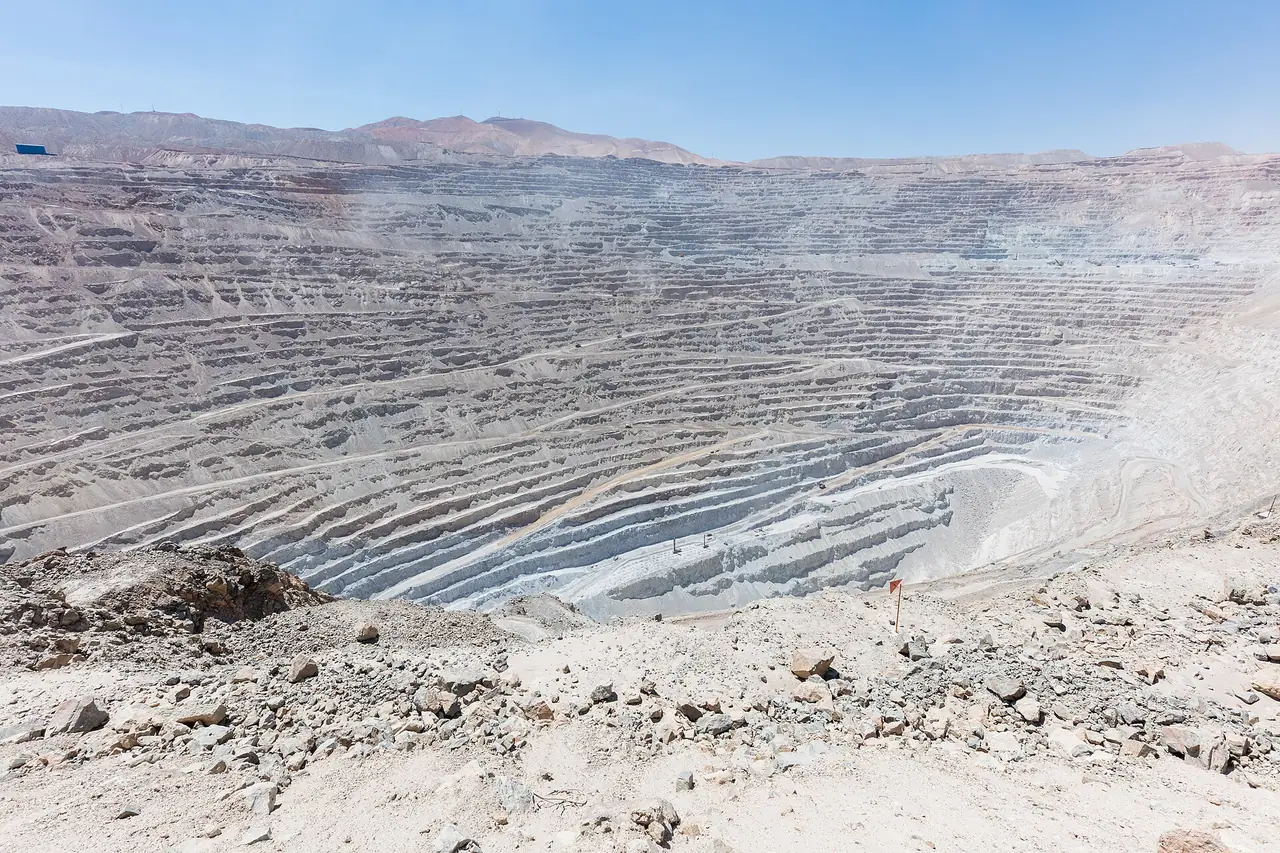
 Chile 23%
Industrial metal
Copper
China refines 48% of the world's copper but mines only 8%.
Chile 23%
Industrial metal
Copper
China refines 48% of the world's copper but mines only 8%.