
Why is the Sahel full of military coups?
Nine governments in Africa's Sahel have fallen to soldiers since 2020. The wave was set off by a war the elected leaders were losing, and the coups made it worse.
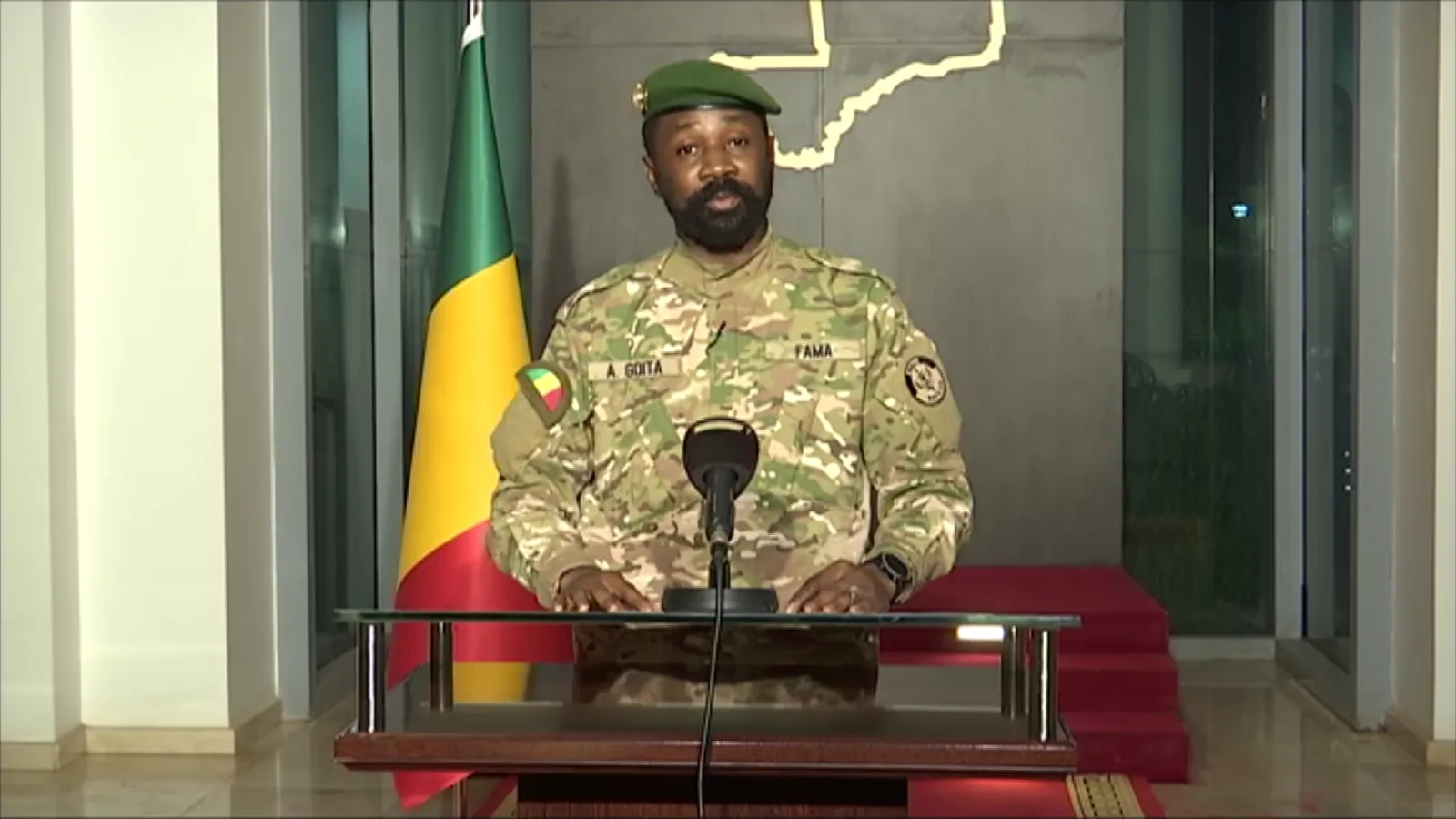
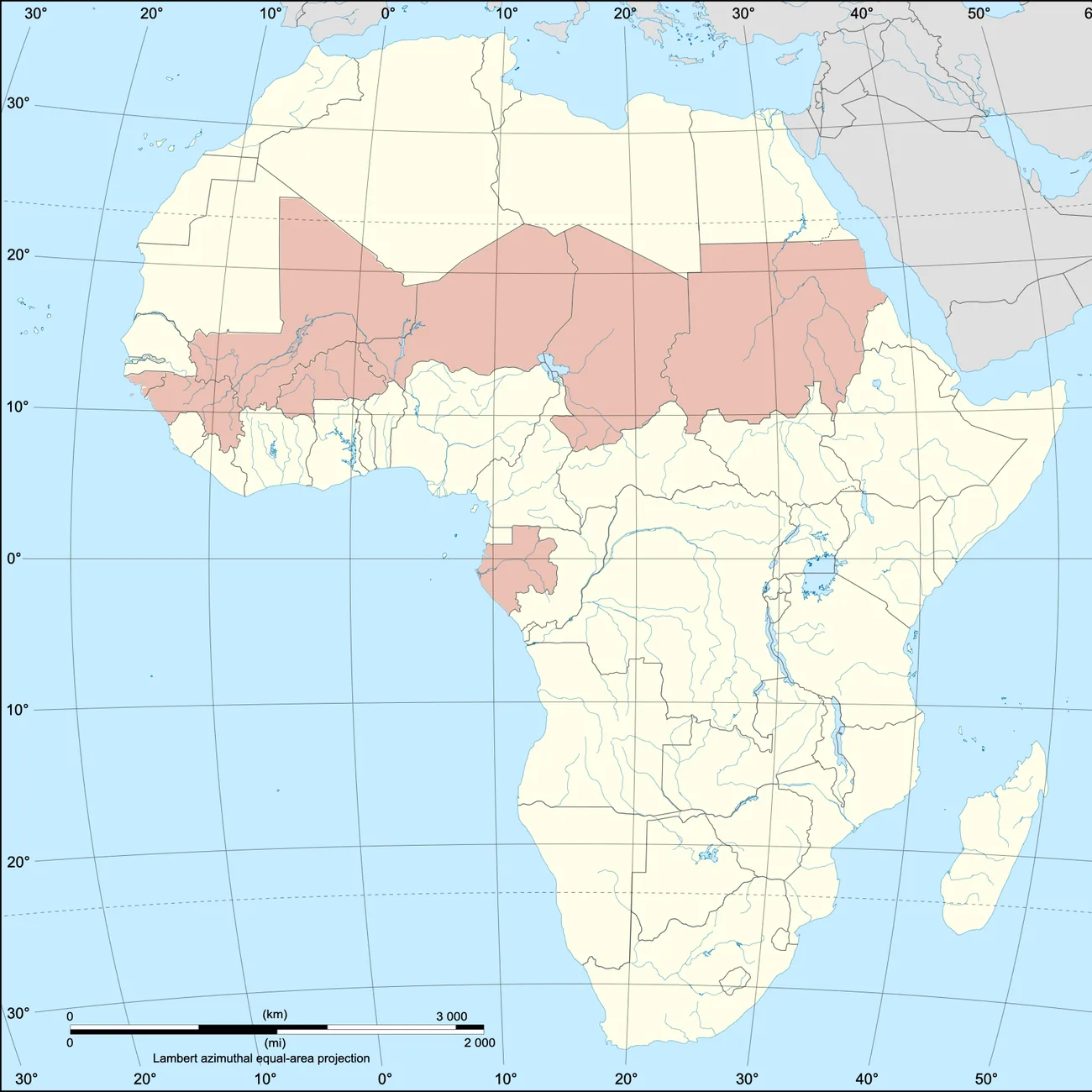
In August 2020, a group of colonels in Mali arrested the president, drove him to a barracks outside the capital, and had him announce his resignation on state television. That used to be the kind of event that shocked a region for a decade. This time it was the opening act. Mali's soldiers seized power again in 2021. Guinea's army removed its president that September. Burkina Faso had two coups in 2022, eight months apart. Niger's presidential guard locked up the elected president in July 2023. Count in Chad, Sudan, and Gabon, and roughly nine governments fell to their own militaries between 2020 and 2023. On the map, a near-unbroken chain of army-run states now stretches across Africa from the Atlantic coast to the Red Sea. Analysts have a name for it: the coup belt.
Soldiers grabbing power is not new, in Africa or anywhere else. The strange part of this wave is why it happened here, all at once, and why crowds poured into the streets to celebrate the men who did it. The answer has little to do with ambitious generals. It is about a war the elected governments were losing, a former colonial power that could not win it for them, and a promise the soldiers made that they have not kept.
The war the governments were losing
The Sahel is the belt of dry scrubland that runs along the southern edge of the Sahara. The three countries at the center of the coup wave, Mali, Burkina Faso, and Niger, are among the poorest on Earth, with some of the youngest populations anywhere and median ages around sixteen. Since 2012, they have also been fighting a losing war against jihadist insurgents. Two networks dominate: JNIM, an al-Qaeda affiliate led by the Tuareg commander Iyad Ag Ghaly, and a local branch of the Islamic State. Both took root in the countryside, taxing villages and ambushing soldiers, and steadily spread south.
The elected governments could not stop them, even with thousands of French troops in support. The numbers show how badly the war was going. In 2024, the Sahel accounted for 51 percent of all terrorism deaths in the world, up from around one percent seventeen years earlier. Burkina Faso became the single most terrorism-affected country on the planet, a ranking it has held for years running. Over three million people fled their homes.
That is the soil the coups grew in. The soldiers' pitch was simple and, to a frightened population, persuasive: the politicians in the capital cannot protect you, and their foreign friends cannot either. Hand us the guns and we will. It was an argument the ballot box had stopped answering, and it won.
France's lost decade
France did not stumble into the Sahel. It was invited. When jihadists swept toward Bamako in early 2013, French forces launched Operation Serval, chased them out of Timbuktu, and were cheered as liberators. That goodwill did not last. The follow-on mission, Operation Barkhane, put up to 5,000 French troops across the region for the better part of a decade, and over those years the violence only spread further and killed more people.
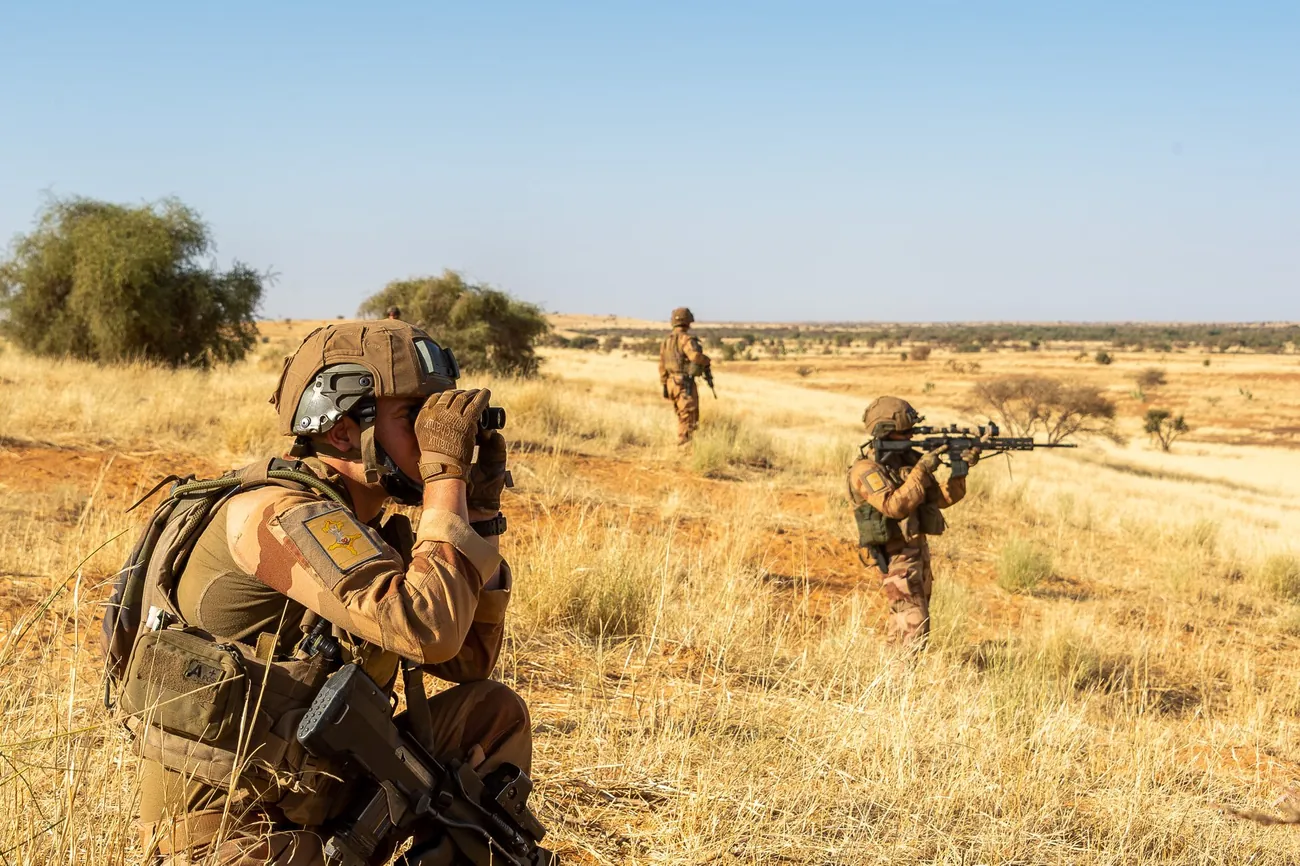
For former French colonies, a decade of French soldiers failing to deliver security reopened an older wound. Mali, Niger, and Burkina Faso had all been ruled from Paris, and many in the region had never stopped resenting the arrangement that followed independence, from the French-backed CFA franc to the military bases. As the insurgency worsened, protesters began waving Russian flags and burning French ones. The juntas read the mood and acted on it. They expelled French forces one country at a time: Mali by August 2022, Burkina Faso by early 2023, Niger by the end of that year. By early 2025 six African governments had cut military ties with Paris, and France had lost about 70 percent of its bases on the continent. One German analysis put it plainly: it is hard to see the decade-long French-led intervention as anything other than a failure.
Guns for gold
Something had to fill the vacuum, and Russia did. Mercenaries from the Wagner Group arrived in Mali at the end of 2021, offering what France would not: no lectures about democracy, no timelines, just fighters for hire, paid partly in access to the country's gold. After Wagner's founder Yevgeny Prigozhin died in a plane crash in 2023, the operation was folded into the Russian state and rebranded Africa Corps, but the model held.
It has not gone especially well on the battlefield. In July 2024, near the town of Tinzaouaten on the Algerian border, Tuareg rebels and JNIM fighters ambushed a Malian and Wagner column and inflicted what was, by most accounts, the worst single defeat Russian mercenaries had ever suffered in Africa. Where the juntas have made real gains is against Western companies, not insurgents. Niger seized the uranium mines run by the French firm Orano, nationalizing its flagship operation in June 2025, uranium that had helped keep the lights on in France. Mali put a giant gold complex owned by the Canadian miner Barrick under state control and squeezed out a settlement worth roughly $430 million. The same instinct driving the global scramble for critical minerals was now aimed at the former colonial powers, and the juntas sold it as taking back what was theirs.
The coups made the killing worse
Here is the part the juntas do not advertise. The soldiers took power promising to fix the security the politicians had failed to provide. Security got worse. Militant-Islamist deaths in the Sahel reached about 10,400 in 2024, more than two and a half times the level of 2020, the year of the first Mali coup.
Worse still, the armies became part of the danger. The Africa Center for Strategic Studies found that in 2024, Sahelian government forces and their Russian partners killed more civilians than the jihadists did. In Mali, state forces and allied militias were blamed for roughly three-quarters of the civilians killed in targeted violence. The clearest symbol came in September 2025, when JNIM threw a fuel blockade around Bamako itself. Mali imports about 95 percent of its fuel by road; militants burned more than 300 tankers, schools shut, and the United States told its citizens to leave the country. The blockade eased, then JNIM reimposed it in April 2026. The insurgents the coups were meant to crush were now able to besiege the capital.
Why the juntas are still cheered
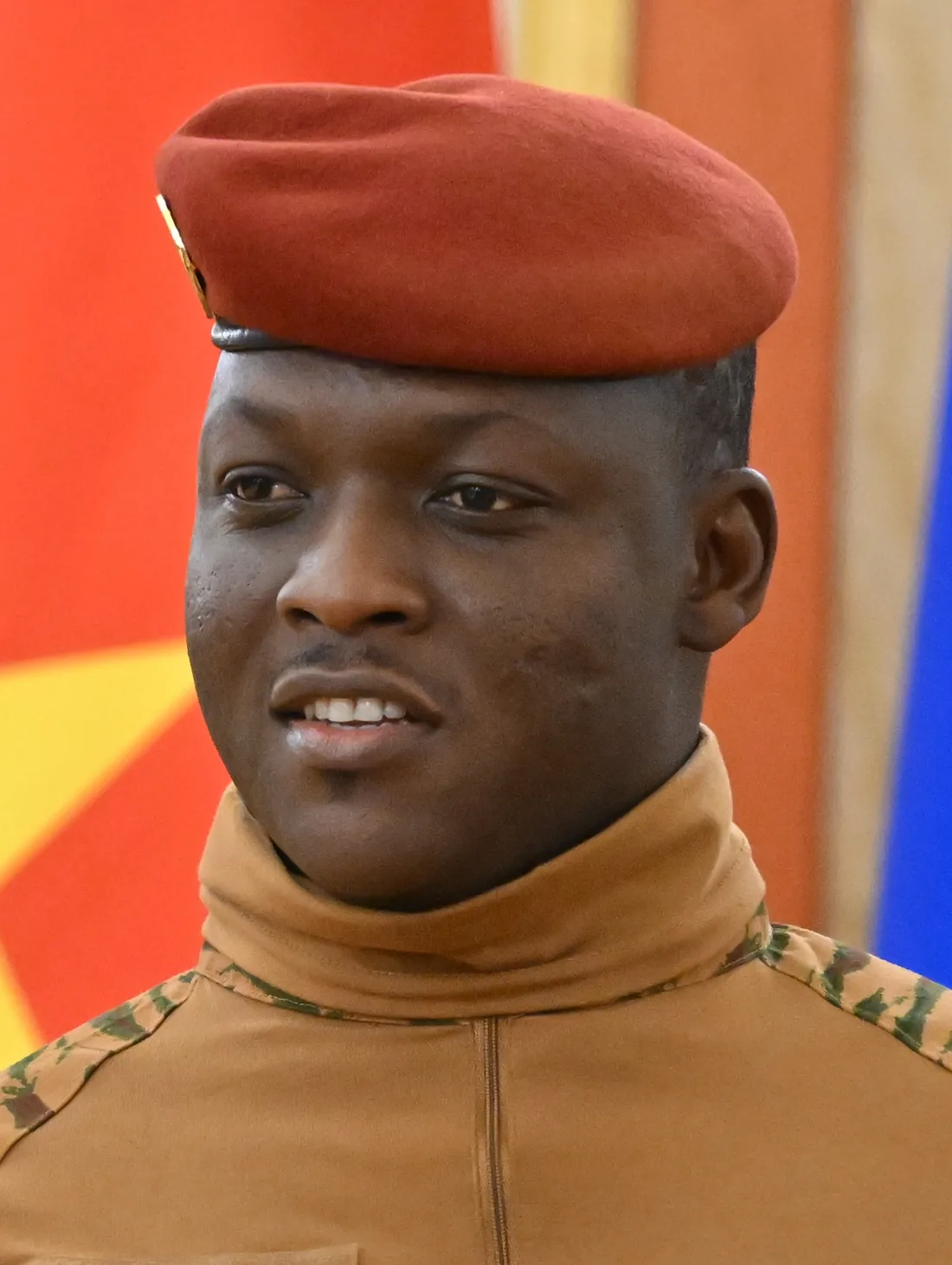
Given all that, you would expect the soldiers to be despised. Instead, many are folk heroes. The clearest case is Burkina Faso's Captain Ibrahim Traoré, who seized power at 34 and is now the world's youngest head of state. He is constantly compared to Thomas Sankara, the revolutionary who ran the country in the 1980s, and his image circulates across the continent and its diaspora. Some of the adulation is literally manufactured: in the spring of 2025, researchers counted nearly 300 AI-generated music videos glorifying Traoré, complete with fabricated endorsements from stars like Beyoncé and Rihanna.
But the appeal underneath is real, and it is not mainly about safety. The three juntas bound themselves together in the Alliance of Sahel States, quit the West African bloc ECOWAS, and rolled out a shared passport, a joint military force, and plans for their own institutions. The story they tell is one of sovereignty: we threw out the French, we took back the gold and the uranium, we answer to no one. For a generation raised on the sense that outsiders always called the shots, that story lands, even as the countryside burns.
The palace and the country
In December 2025 the alliance handed its rotating chairmanship to Traoré for 2026, and the three governments keep deepening their union. In April 2026, JNIM tightened its grip on Bamako again. One analyst tracking the siege said the real question about the state's survival was no longer whether it would break but how and when. That gap is the whole story of the coup belt. The soldiers solved the political problem, who rules, and cheering crowds ratified it. They have not touched the actual problem, who is safe. A coup can change who holds the capital in an afternoon. Holding the countryside is a different war, and across the Sahel it is still being lost.
Test what you learned
5 quick questions on this article. No signup, just you against the text.