
The world's maritime chokepoints
A chokepoint is a narrow sea passage that ships cannot easily go around. When one closes, ships have to wait or sail thousands of kilometers around it. The eight on this map carry much of the world's trade and oil.
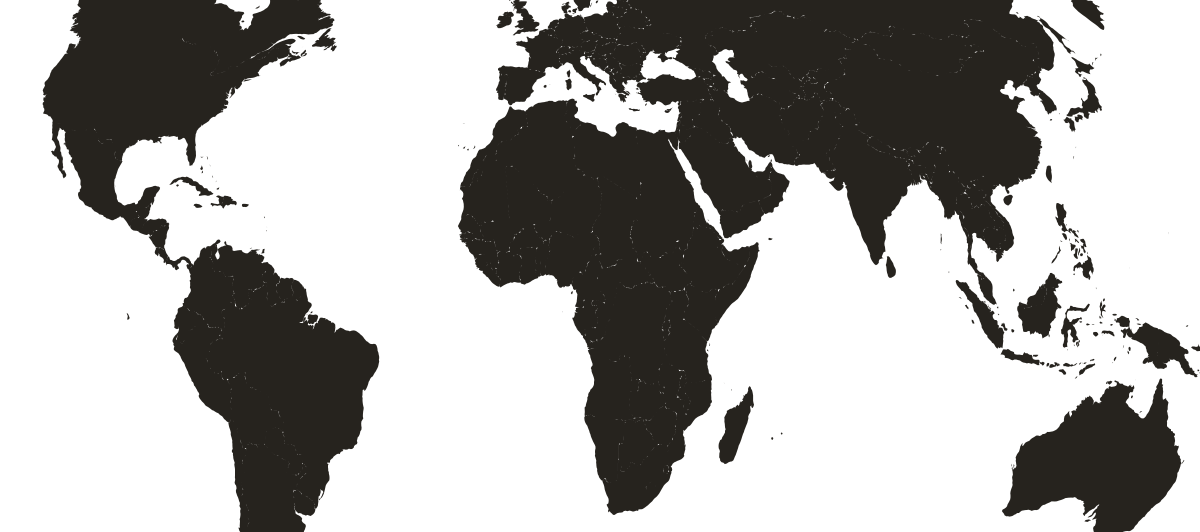 Bab el-Mandeb
Bosphorus
Panama Canal
Strait of Gibraltar
Strait of Hormuz
Strait of Malacca
Suez Canal
Taiwan Strait
Bab el-Mandeb
Bosphorus
Panama Canal
Strait of Gibraltar
Strait of Hormuz
Strait of Malacca
Suez Canal
Taiwan Strait
Which chokepoints are open right now?
Seven of the eight are open. The Strait of Hormuz has been closed since February 28, 2026. Attacks on ships have cut the traffic through Bab el-Mandeb, the Suez Canal and the Bosphorus by more than 40% since 2023.
| Chokepoint | Status | Ships a day | vs 2023 | 2023 to 2026 | Page |
|---|---|---|---|---|---|
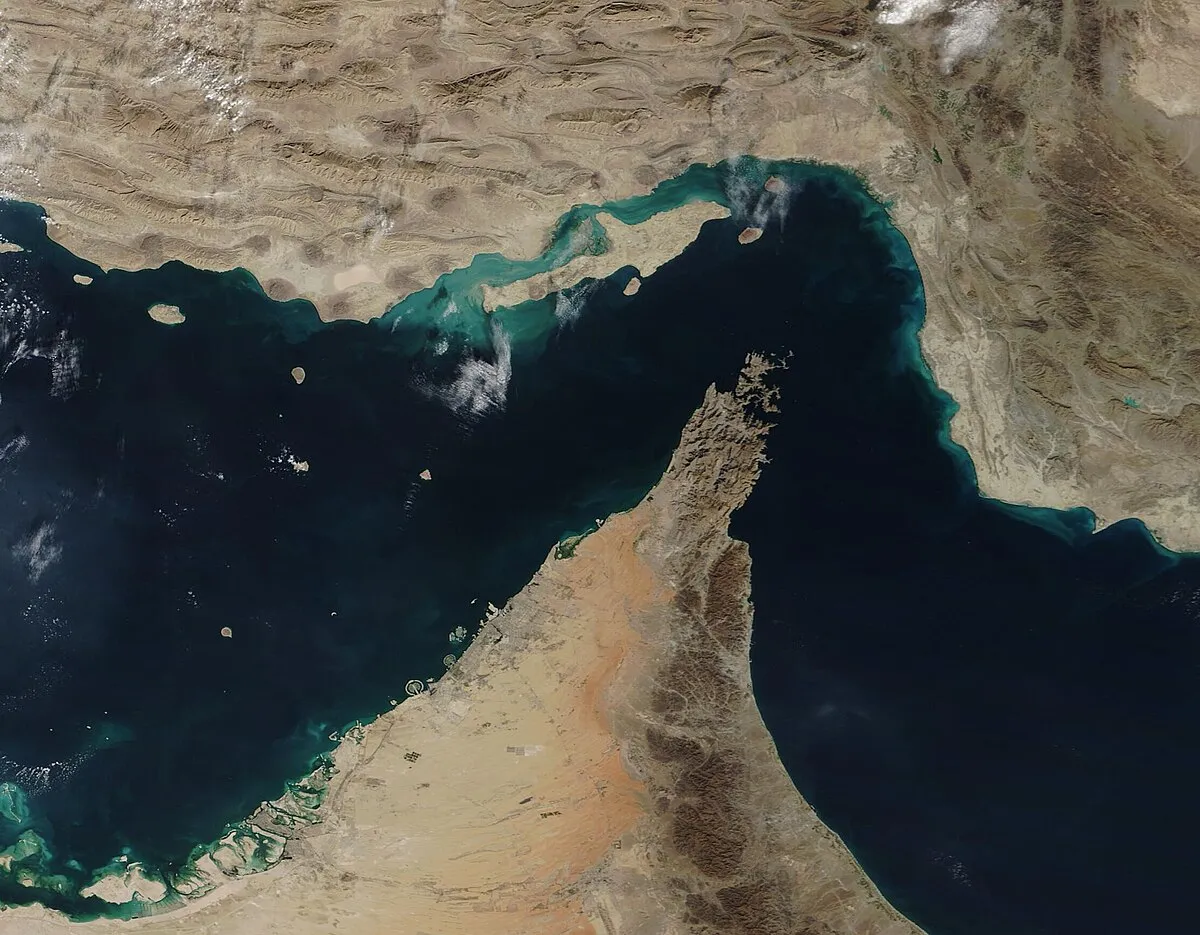 Strait of HormuzIran and OmanClosed Strait of HormuzIran and OmanClosed |
ClosedShut by Iran since February 28 | 4 | −96% | ||
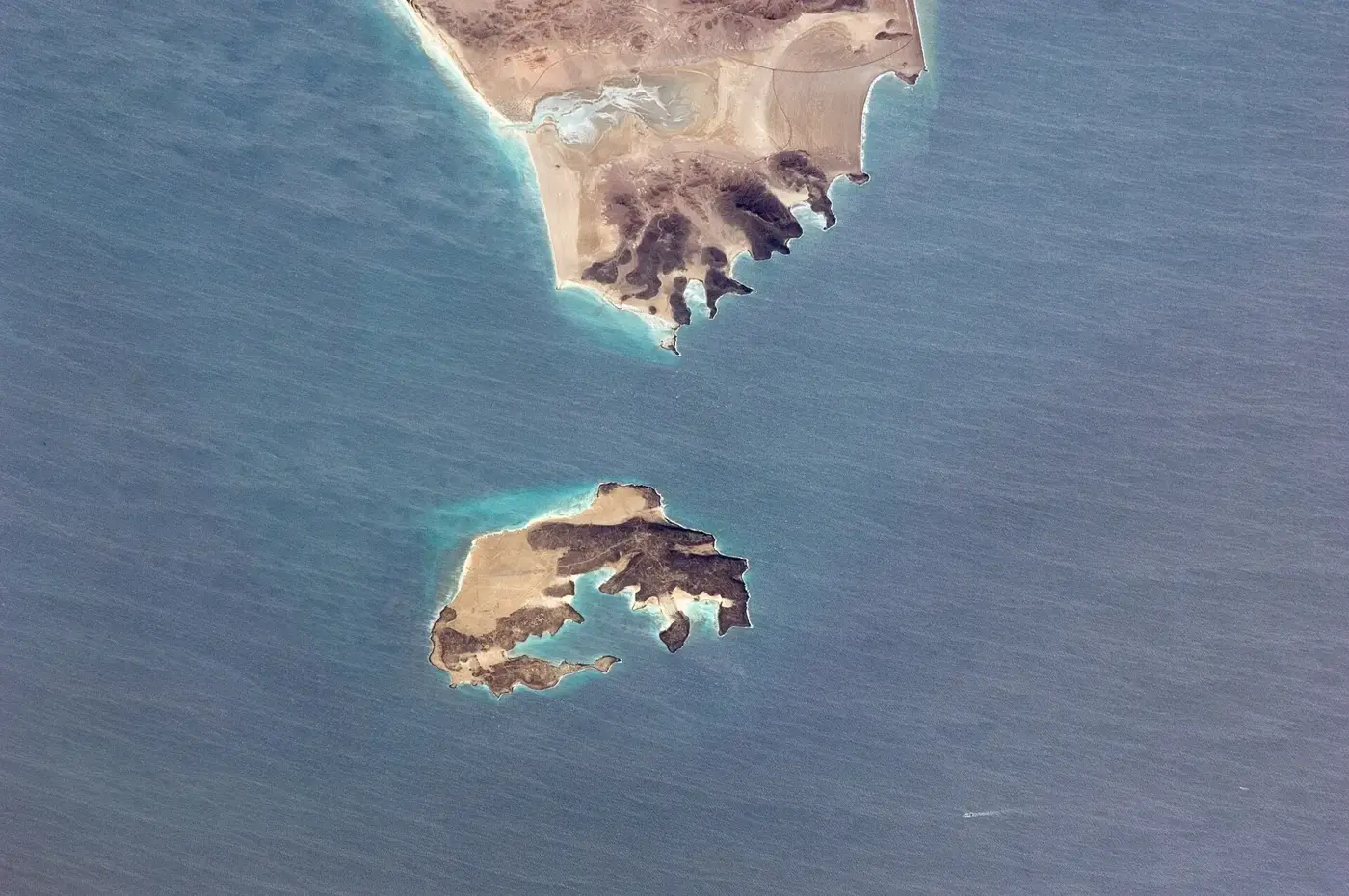 Bab el-MandebYemen, Djibouti and EritreaDisrupted Bab el-MandebYemen, Djibouti and EritreaDisrupted |
DisruptedHouthi attacks resumed in July | 26 | −65% | ||
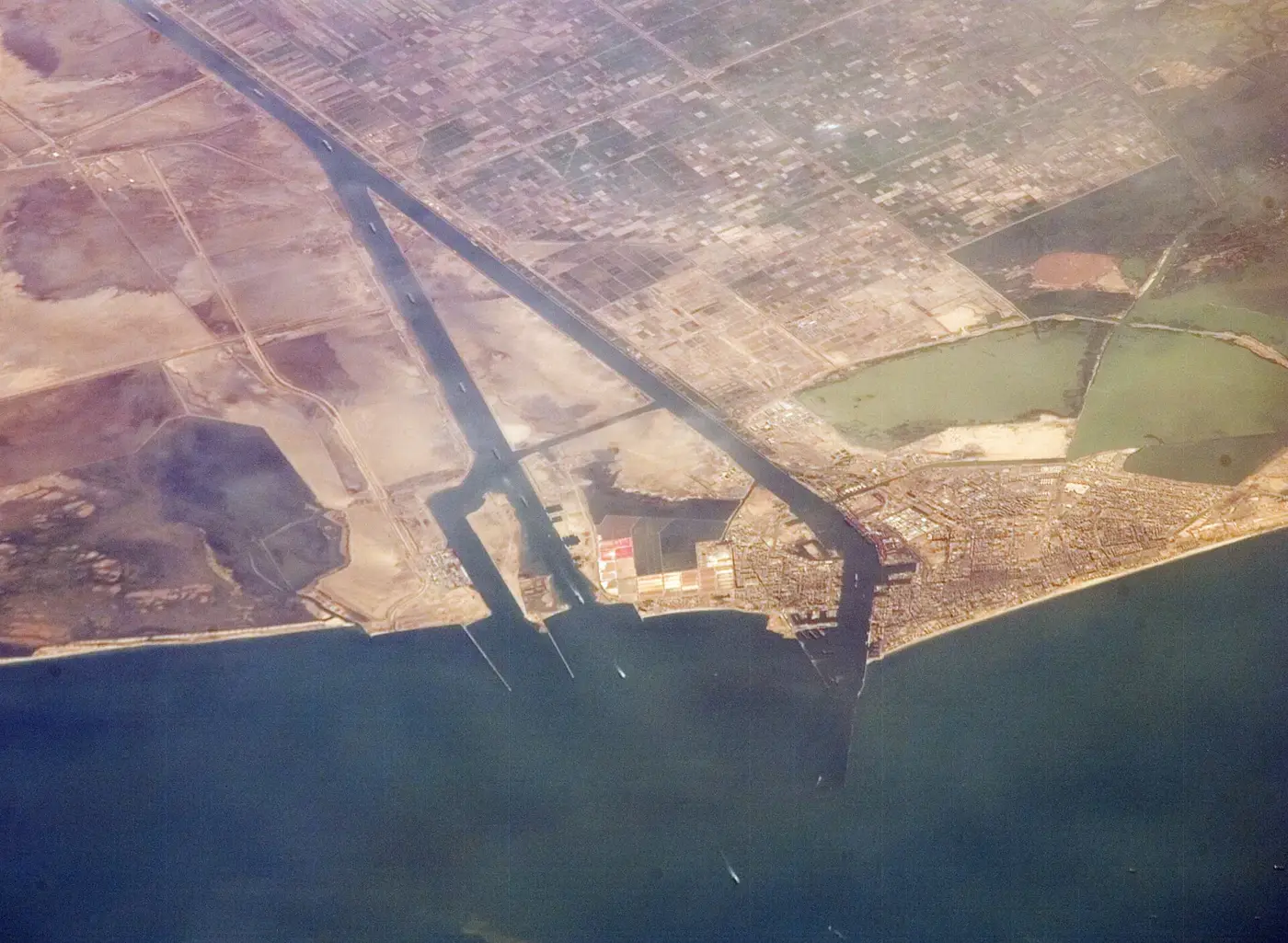 Suez CanalEgyptDisrupted Suez CanalEgyptDisrupted |
DisruptedMany ships still avoid the Red Sea | 41 | −44% | ||
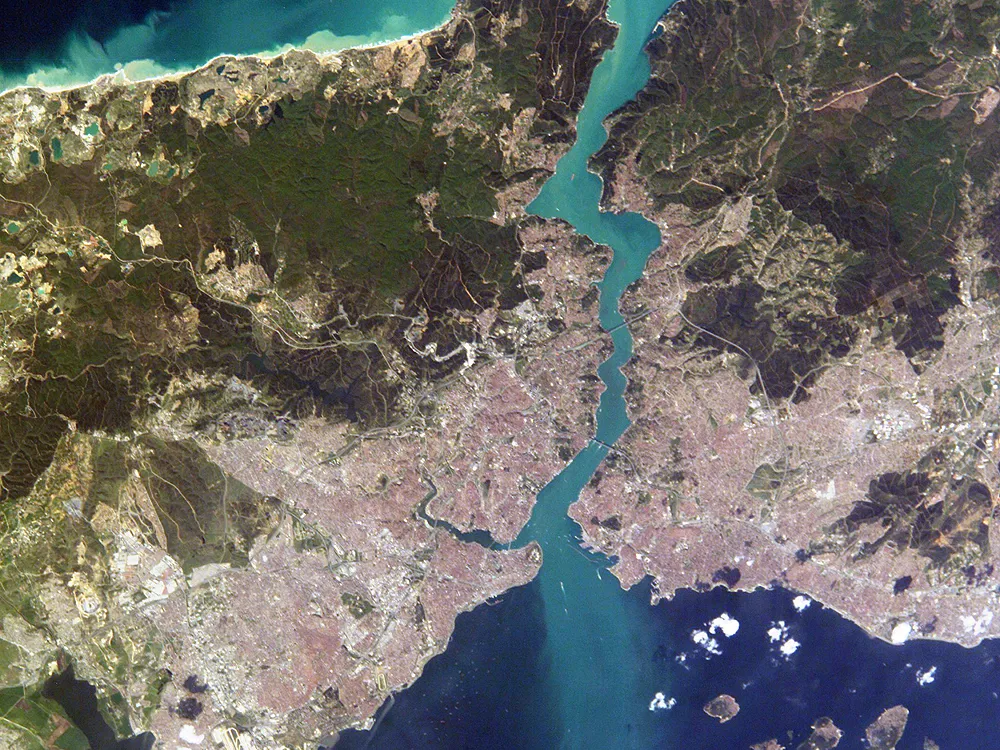 BosphorusTurkeyDisrupted BosphorusTurkeyDisrupted |
DisruptedDrone attacks on Black Sea tankers | 55 | −43% | ||
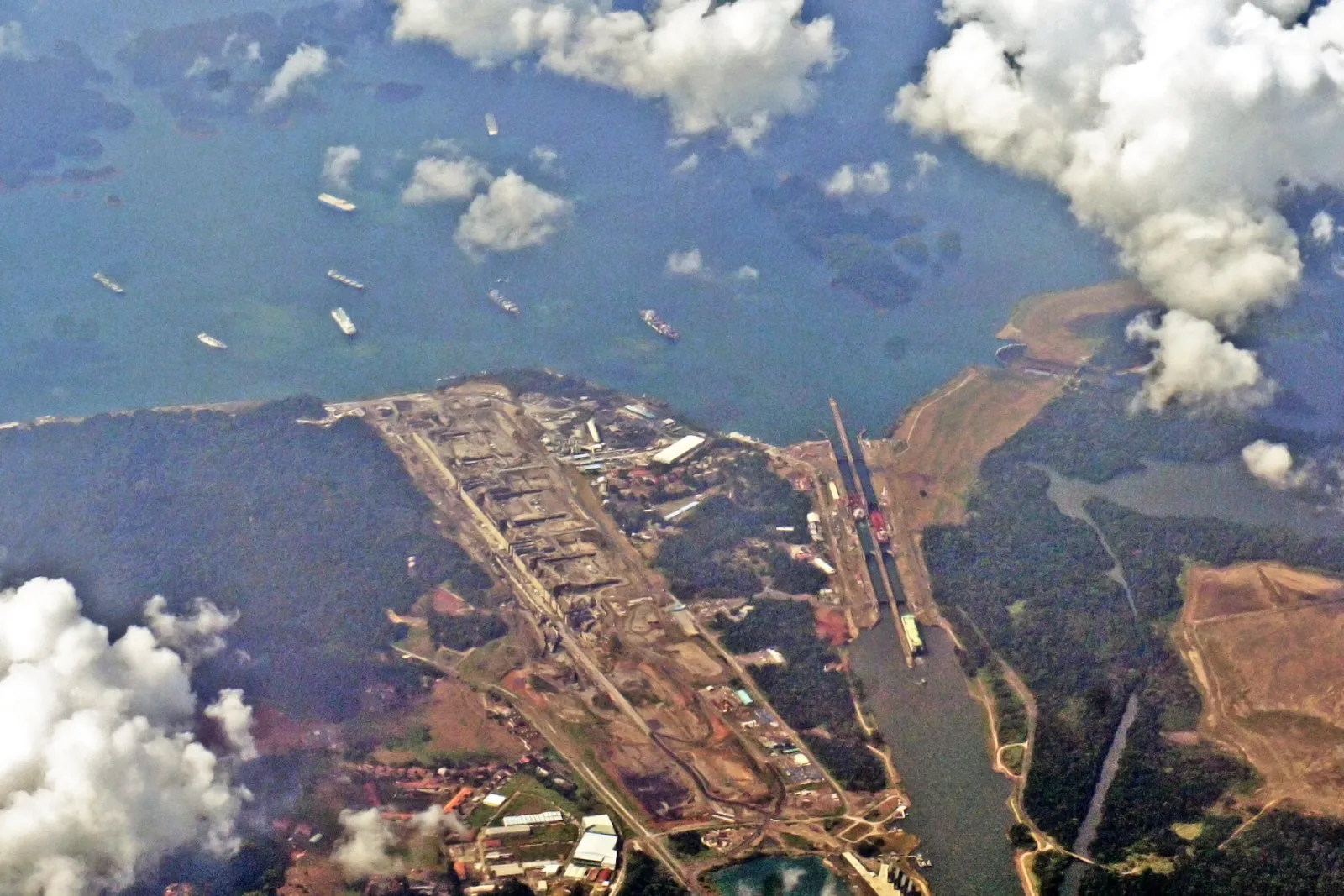 Panama CanalPanamaRestricted Panama CanalPanamaRestricted |
RestrictedDrought limits on ships since September 3 | 29 | −5% | ||
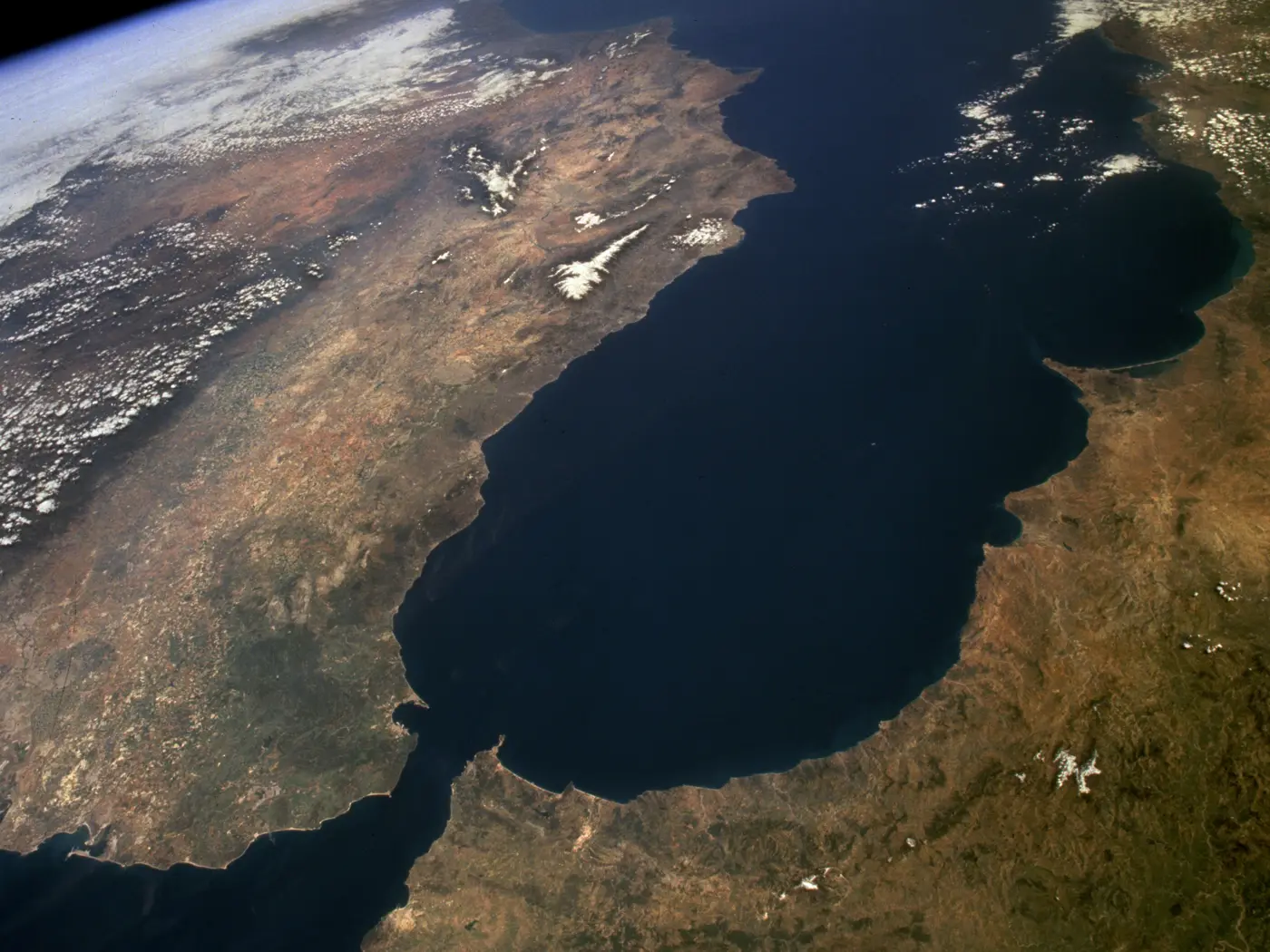 Strait of GibraltarSpain, Morocco and Gibraltar (UK)Open Strait of GibraltarSpain, Morocco and Gibraltar (UK)Open |
Open | 132 | −10% | ||
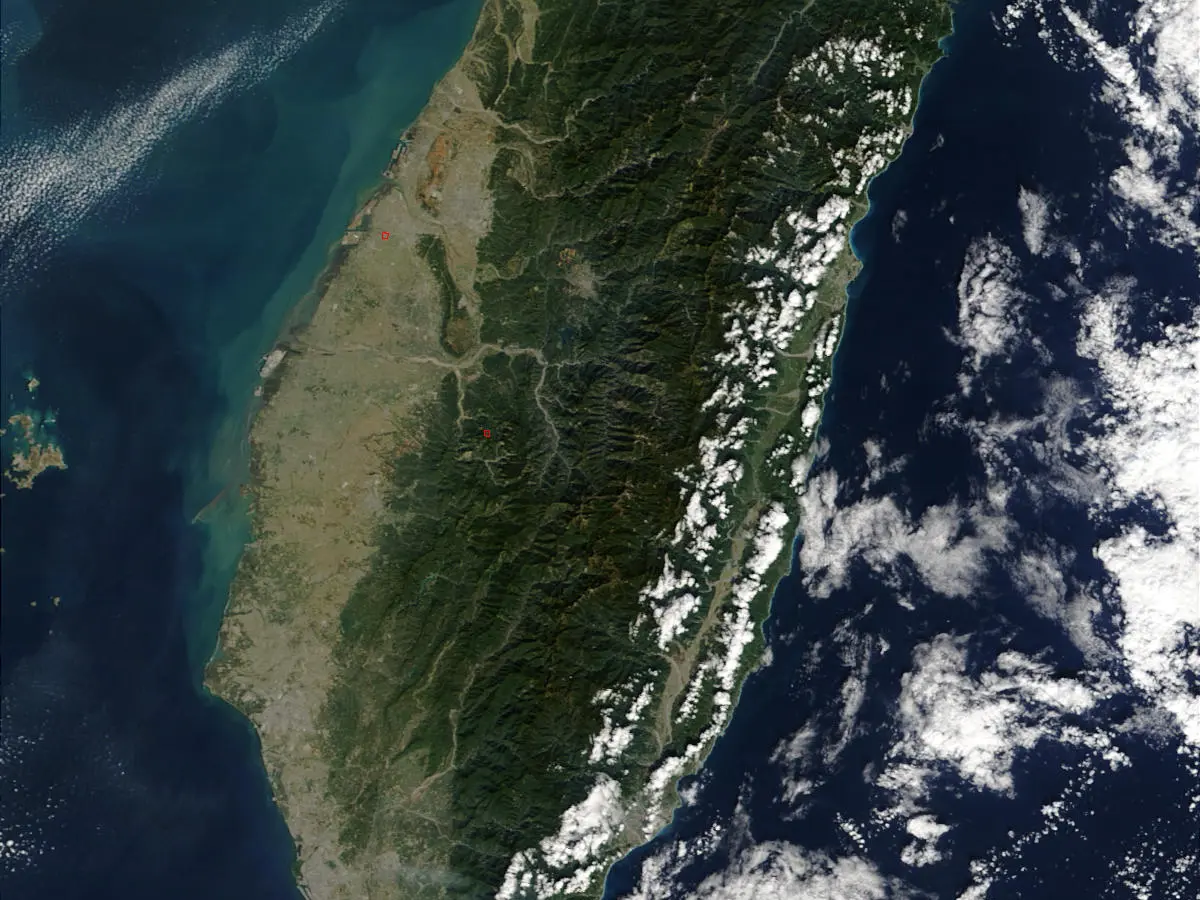 Taiwan StraitChina and TaiwanOpen Taiwan StraitChina and TaiwanOpen |
Open | 226 | −6% | ||
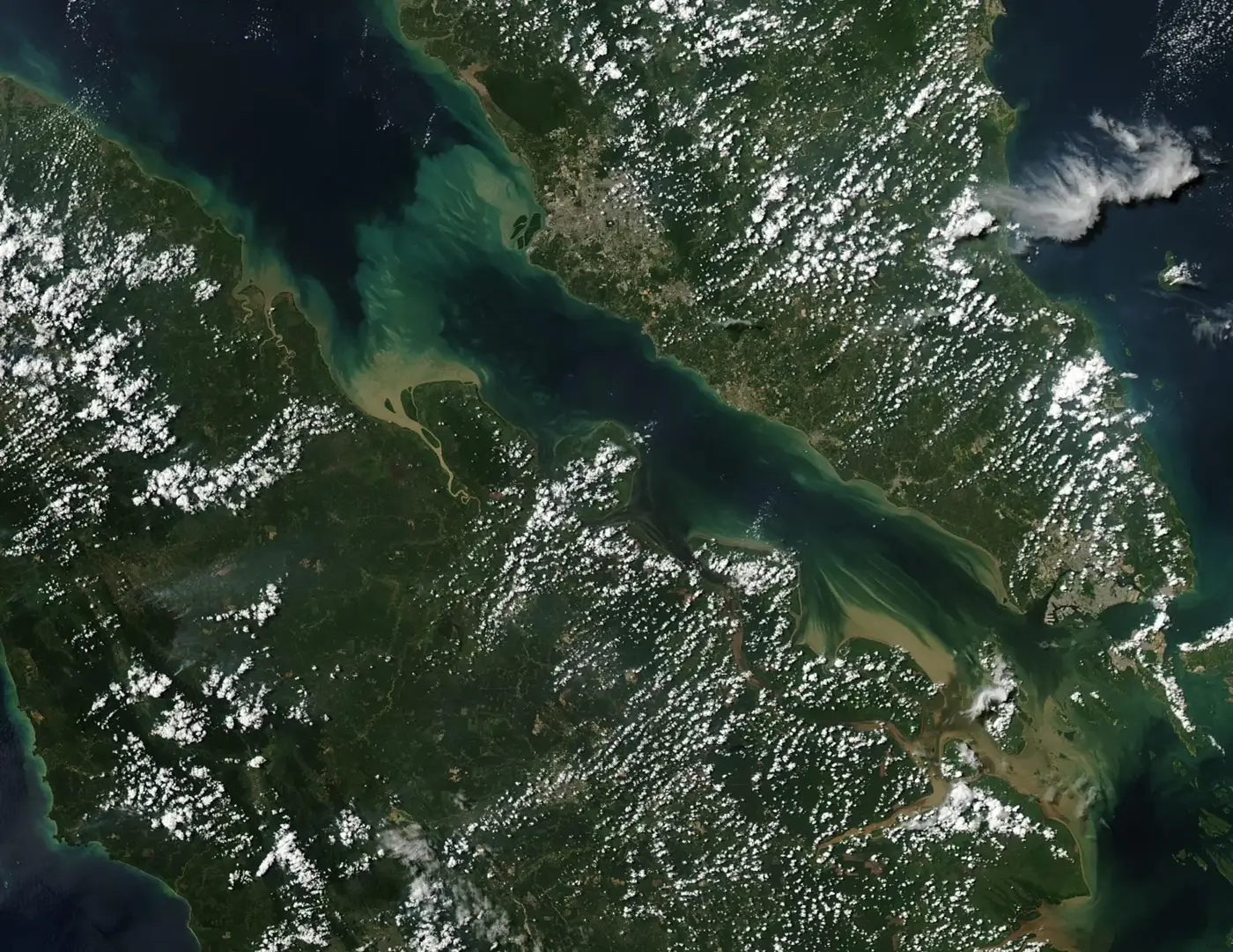 Strait of MalaccaMalaysia, Indonesia and SingaporeOpen Strait of MalaccaMalaysia, Indonesia and SingaporeOpen |
Open | 216 | −2% |
Ships a day: the average of the four weeks to September 20, 2026, against the 2023 average. IMF PortWatch.
Which chokepoint carries the most oil?
The Strait of Malacca, with 23.2 million barrels a day in the first half of 2025. The Strait of Hormuz was second, with 20.9 million.
The Houthis began attacking ships in the Red Sea in late 2023. Since then, oil through Bab el-Mandeb and the Suez Canal has fallen by about half, and more tankers sail around the Cape of Good Hope instead.