
Autonomous Region of Finland · Baltic Sea
Åland Islands
Self-governingUpdated November 11, 2026
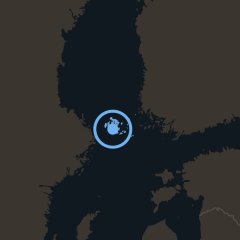
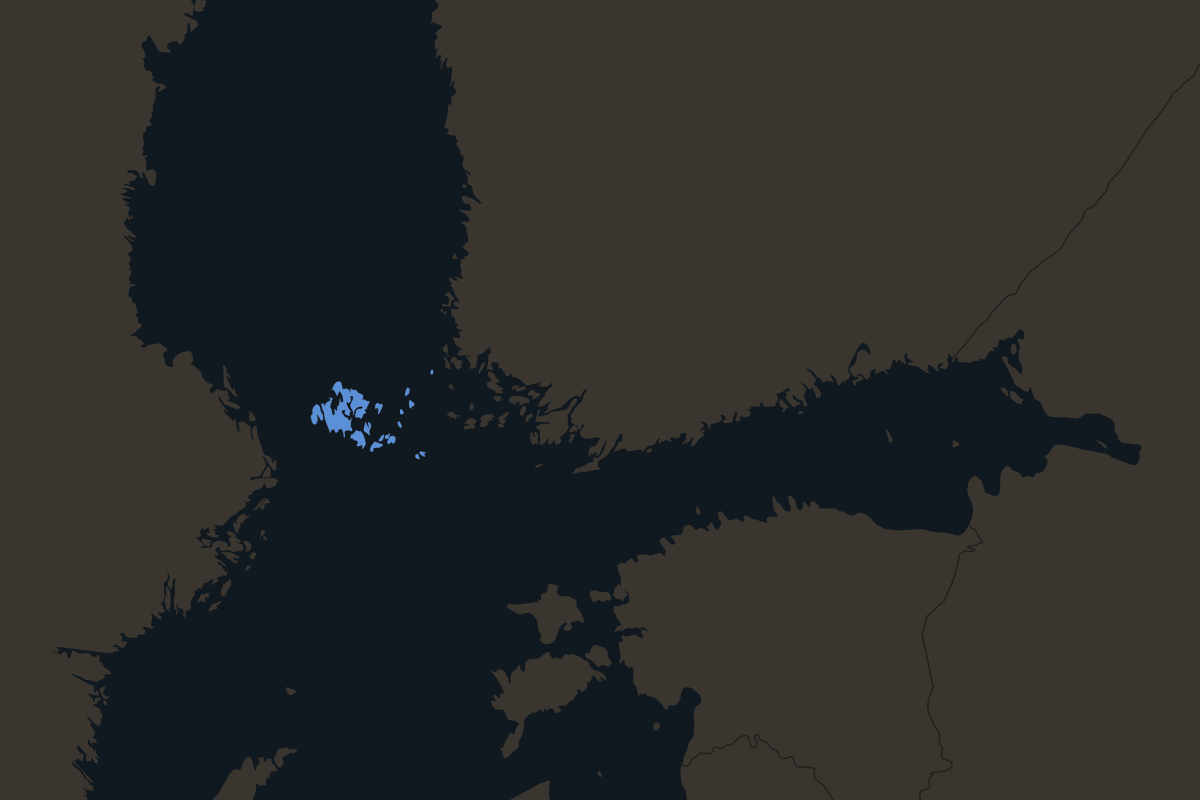
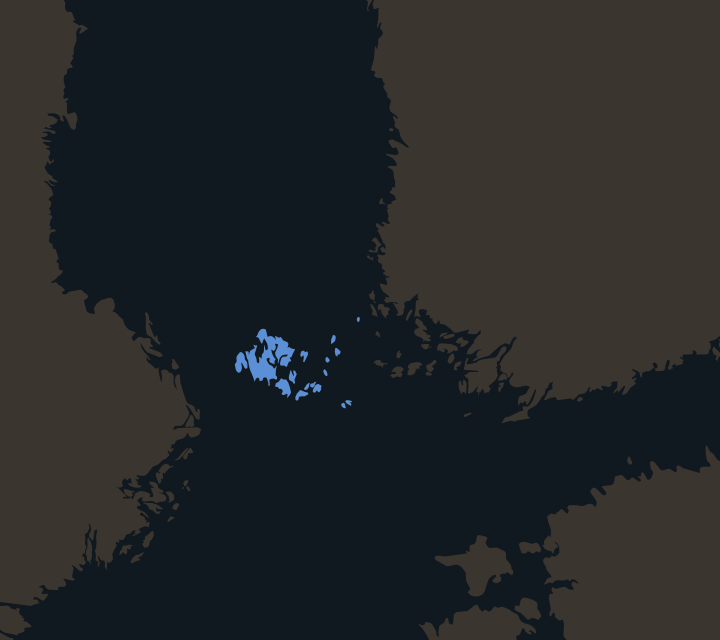
The Åland Islands are a self-governing, demilitarized region of Finland in the Baltic Sea, between Sweden and mainland Finland. The League of Nations decided in 1921 that the islands belong to Finland, with guarantees for the Swedish language and demilitarization. The islands have their own parliament and government. Swedish is the only official language. Finland joined NATO in 2023, but the government says membership does not change the islands' demilitarized status. A planned overhaul of the Autonomy Act stalled in October 2026.
- Capital
- Mariehamn
- population 11,957 (end of 2025)
- Islands
- 6,757
- about 60 inhabited
- GDP per person
- €41,600
- 2023, purchasing power
- Official language
- Swedish only
- 84.4% of residents speak Swedish
- From Helsinki
- 280 km
- as the crow flies
Åland Islands in 30 seconds
- The Åland Islands were part of the Grand Duchy of Finland under Russia from 1809. After Finland became independent in 1917, most Ålanders asked to join Sweden. A 1921 League of Nations decision kept the islands in Finland. They have their own parliament, government and flag, but Finland handles defense, foreign policy, most courts and citizenship.
- The islands have been demilitarized since 1856, making them the oldest demilitarized zone in Europe. Finland says NATO membership does not change this status. A March 2026 poll found 73% of Ålanders want to keep demilitarization.
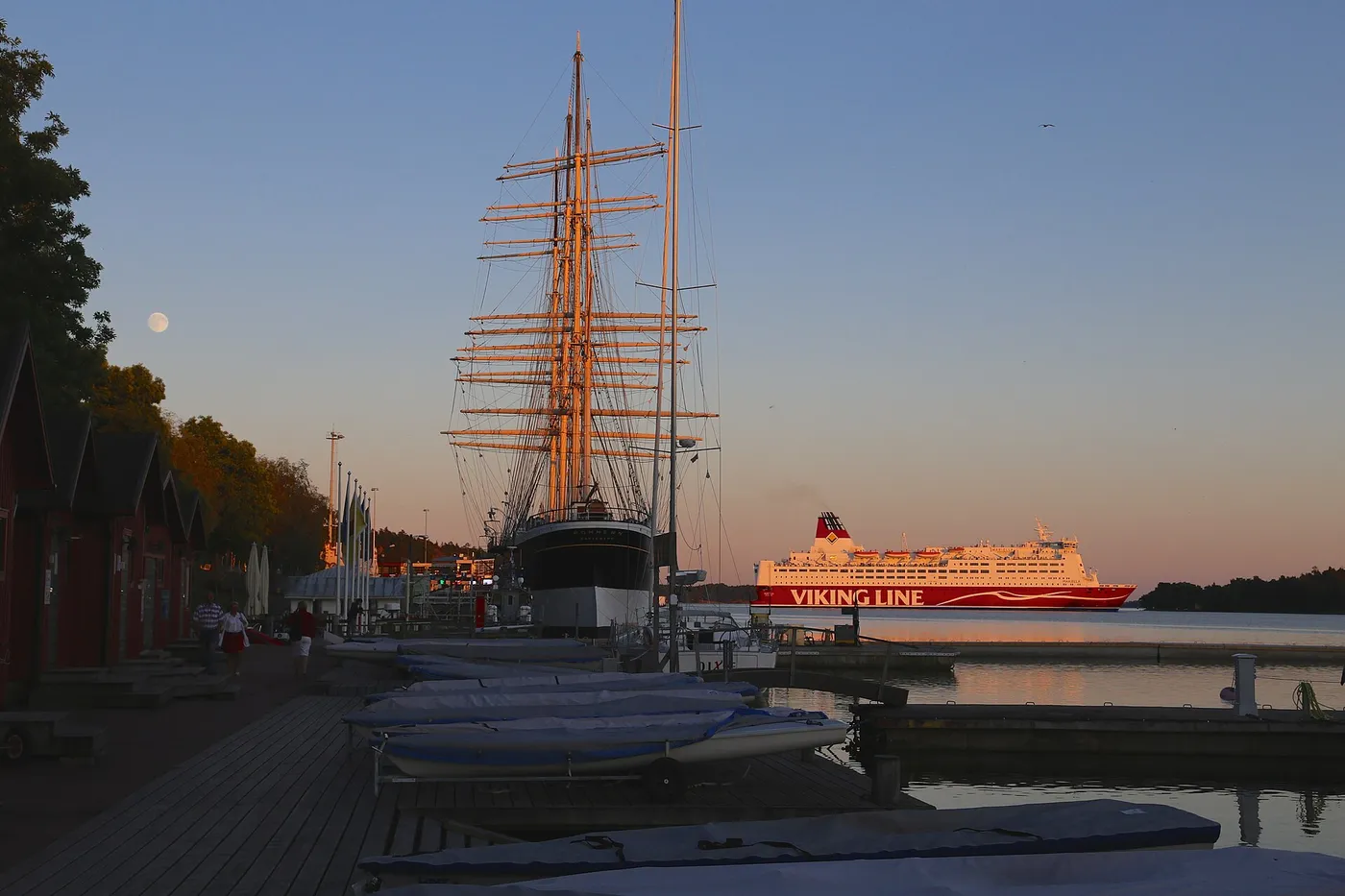
- Ferries between Finland and Sweden stop in Mariehamn because the islands are outside the EU tax area. Ships that call there can sell goods tax-free on board. Shipping makes up 18.2% of GDP.
- Premier Katrin Sjögren, a Liberal, leads a coalition holding 20 of 30 seats in the Lagting. In October 2026, she said a planned overhaul of the Autonomy Act had stalled because Finland's government could not agree on it.
Is Åland part of Finland or Sweden?
The Åland Islands are part of Finland. In 1809, Sweden ceded Finland and the islands to Russia, and the islands became part of the Grand Duchy of Finland. When Finland became independent in 1917, many Ålanders asked to rejoin Sweden. The League of Nations Council decided on June 24, 1921, that the islands belong to Finland, even though 95.48% of voters in an unofficial 1919 plebiscite had backed joining Sweden. In exchange, Finland guaranteed that Swedish would be the only official language and that the islands would keep a special right of domicile.
The current law is the Autonomy Act of 1991, in force since January 1, 1993. It is the third such act. The Lagting, the islands' parliament, passes laws on health, education, trade, policing and local transport. Finland keeps control of defense, foreign policy, most courts, citizenship and immigration. The president of Finland can veto an Åland law only if it exceeds the islands' powers or affects Finland's security.
Only people who hold the right of domicile can vote in Lagting elections, buy land without a permit or run a business without a permit. To get it, a person must be a Finnish citizen, live in the islands and have satisfactory Swedish. Ålanders are Finnish citizens and can get a Finnish passport with "Åland" printed on the cover.
 Åland Islands
Mariehamn
SWEDEN
FINLAND
ESTONIA
RUSSIA
Stockholm
Turku
Helsinki
Saint Petersburg
Baltic Sea
Gulf of Bothnia
 Åland Islands
Mariehamn
SWEDEN
FINLAND
ESTONIA
Stockholm
Turku
Helsinki
Baltic Sea
Gulf of Bothnia
Why does Åland have no army?
The Åland Islands have been demilitarized since 1856. That year, the Treaty of Paris ended the Crimean War, and a convention attached to it banned fortifications on the islands. An Anglo-French force had destroyed Russia's Bomarsund fortress there in 1854.
The 1921 Åland Convention, signed by 10 states including Finland and Sweden, confirmed demilitarization and added neutralization. No military forces may be stationed on the islands, and no fortifications may be built. The 1947 Paris Peace Treaty repeated the rule. In 1940, Finland and the Soviet Union signed a separate agreement that gave the Soviet Union a consulate in Mariehamn to monitor compliance. Finland and Russia confirmed in 1992 that those provisions remain in force.
When Finland joined NATO on April 4, 2023, the Finnish government said membership would not affect the islands' status. President Alexander Stubb said in August 2024 that demilitarization is "no problem" and does not stop Finland from defending the islands. The islands are not among the 15 sites in the Finland-United States defense cooperation agreement.
170 years of demilitarization
- 1854An Anglo-French force destroys Russia's Bomarsund fortress during the Crimean War
- 1856The Treaty of Paris bans fortifications on the islands
- 1921The Åland Convention confirms demilitarization and adds neutralization
- 1940Finland and the Soviet Union sign the Moscow agreement; a Soviet consulate opens
- 1947The Paris Peace Treaty repeats: the islands "shall remain demilitarised"
- 1992Finland and Russia confirm the 1940 provisions remain in force
- Apr 2023Finland joins NATO; the government says Åland's status is unchanged
- Aug 2024President Stubb: demilitarization is "no problem"
Should Åland stay demilitarized?
Most Ålanders say yes. A poll by HBL and Taloustutkimus in March 2026 found that 73% of Ålanders want to keep demilitarization. The Lagting said in April 2026 that demilitarization "constitutes a stabilising factor in the Baltic Sea." Premier Katrin Sjögren and Lagting Speaker Jörgen Pettersson have both argued for keeping demilitarization.
The Finnish government also supports keeping the current status. President Stubb said in March 2026 that he was "completely confident" that the Defence Forces, Border Guard and Coast Guard could defend the islands. Some critics in Finland disagree. Alpo Rusi, a former presidential adviser, told AFP in June 2022 that the islands are "the Achilles' heel of Finland's defence." A staff-college thesis by Major Daniel Forsell in late 2025 proposed a two-stage exit from the treaties, but it is not government policy. Finland's security report of April 16, 2026, said the country's foreign and security policy objectives "remain unchanged."
Russia's Foreign Ministry said in April 2023 that it expects Finland to honor its obligations on the islands' status and the consulate. The Soviet Union opened a consulate in Mariehamn in 1940, and Russia still keeps it open. In 1998, Russia proposed closing it, but Finland declined because it did not want to reopen the 1940 treaty. The same HBL poll found 59% of Ålanders want the consulate closed. In December 2023, Finland's parliament declined to take up a citizens' initiative to close it, because the consulate rests on an international treaty. Sweden, a party to the 1921 Convention, said publicly in 2023 that it would be "unfortunate" to tamper with demilitarization.
Who says what on demilitarization
 The Lagting (Åland's parliament)Demilitarization is a "stabilising factor in the Baltic Sea"
 The Finnish governmentNATO membership does not affect Åland's status; the islands can be defended
 RussiaForeign Ministry, April 2023: expects Finland to honor its obligations on the islands and the consulate
 SwedenSaid in 2023 that it would be "unfortunate" to tamper with demilitarization
Who runs the Åland Islands?
Premier Katrin Sjögren has led the Government of Åland since December 11, 2023. She is the leader of the Liberals for Åland. This is her second term as premier. She previously held the job from 2015 to 2019. She is a nurse by training and has been a member of Mariehamn's city council since 1999.
Premier Sjögren leads a coalition of three parties: the Liberals (9 seats), the Åland Centre (7 seats) and the Social Democrats (4 seats). Together they hold 20 of 30 seats in the Lagting. The last election was on October 15, 2023, with a turnout of 68.3%. Obunden Samling, a coalition of independents, won 5 seats and is now the largest opposition group. Ålands Framtid, which wants independence, won 2.9% of the vote and lost its only seat. A February 2026 poll showed Obunden Samling as the largest party.
Finland's representative on the islands is Governor Marine Holm-Johansson, a lawyer who took office on April 1, 2023, for a 5-year term. She also chairs the Åland Delegation, which reviews Åland laws.
Lagting seats after the October 2023 election
Why do ferries stop in Mariehamn?
Ferries stop in Mariehamn so they can sell goods tax-free on board. The EU ended duty-free sales between member states in July 1999. However, the Åland Islands are outside the EU tax area under Protocol No. 2 of Finland's 1994 accession treaty. Ships on the Finland-Sweden or Estonia-Sweden routes that call at Mariehamn or Långnäs can still sell goods tax-free on board.
Shipping accounts for 18.2% of GDP at basic prices (2023). Viking Line, headquartered in Mariehamn, had about 2,016 employees and a turnover of 421 million euros in 2024. The Eckerö group is the other major operator. In 2025, Viking Line's Turku-Mariehamn-Stockholm route carried 1,944,798 passengers, and its Helsinki-Mariehamn-Stockholm route carried 808,787.
Tourism tied to the ferries is also significant. In 2025, 1.213 million travelers arrived in the islands, down from 2.17 million in 2010. Tourism's total share of the economy is just over 14%.
Share of GDP at basic prices, 2023
18.2%
Shipping
Viking Line (about 2,016 employees, €421 million turnover in 2024) and the Eckerö group are the main companies. The merchant fleet in 2025 was 38 ships with 999,000 gross tonnage.
Why do the Åland Islands matter?
Baltic security next to Russia
The islands sit at the mouth of the Gulf of Bothnia, between the Stockholm and Helsinki shipping lanes. They have been demilitarized since 1856. The Soviet Union opened a consulate in Mariehamn in 1940 to monitor compliance, and Russia still keeps it open. Finland says NATO membership does not change the status.
Shipping and the tax exemption
The islands are outside the EU tax area. Ferries call at Mariehamn to keep tax-free sales legal. Shipping makes up 18.2% of GDP. Viking Line and the Eckerö group are headquartered there. Viking Line's two routes via Mariehamn carried nearly 2.8 million passengers in 2025.
A model for minority autonomy
The 1921 League of Nations decision and the Autonomy Act protect the Swedish language and the right of domicile. Only residents with that right can vote in Lagting elections or buy land freely. The arrangement has lasted for more than a century.
Questions about the Åland Islands
Do Ålanders have Finnish passports?
Yes. Ålanders are Finnish citizens. People with the right of domicile can get a Finnish passport with "Åland" printed on the cover. It does not show a different nationality.
Do Ålanders do military service?
Most do not. People with the right of domicile are exempt from conscription under the Autonomy Act. In practice this covers people born in the islands or who moved there before age 12. A few of them volunteer each year. In April 2026, Finland's parliament approved a change to the Conscription Act that lets these men apply to serve.
What language do people speak in the Åland Islands?
Swedish is the only official language. About 84.4% of residents speak Swedish, 4.5% speak Finnish and 11.1% speak other languages. Finnish has no official status under the Autonomy Act, but Finnish citizens can use Finnish with courts and state authorities in their own matters. The share of Swedish speakers has fallen from 93.7% in 2000.
Is Åland in the EU?
Yes, but with an exception. The Åland Islands joined the EU with Finland in 1995 after a separate referendum in which 73.64% voted yes. However, the islands are outside the EU tax area. This means goods moving to and from mainland Finland or the rest of the EU must pass through a customs border.
What currency do the Åland Islands use?
The euro, the same as Finland. The islands are in the eurozone.
How many people live in the Åland Islands?
The population was 30,836 at the end of 2025. Mariehamn, the capital, has 11,957 people. About 87% of residents are Finnish citizens. By country of birth, 60.6% were born in the islands, 17.5% in mainland Finland and 10.7% in Sweden.