
The world, region by region
Who holds power in each part of the world, where the fighting is and what to watch next. Each page covers one region: its countries, alliances, wars and the numbers that matter.
In the news
Every region
Middle East and North Africa
-
 Fighting
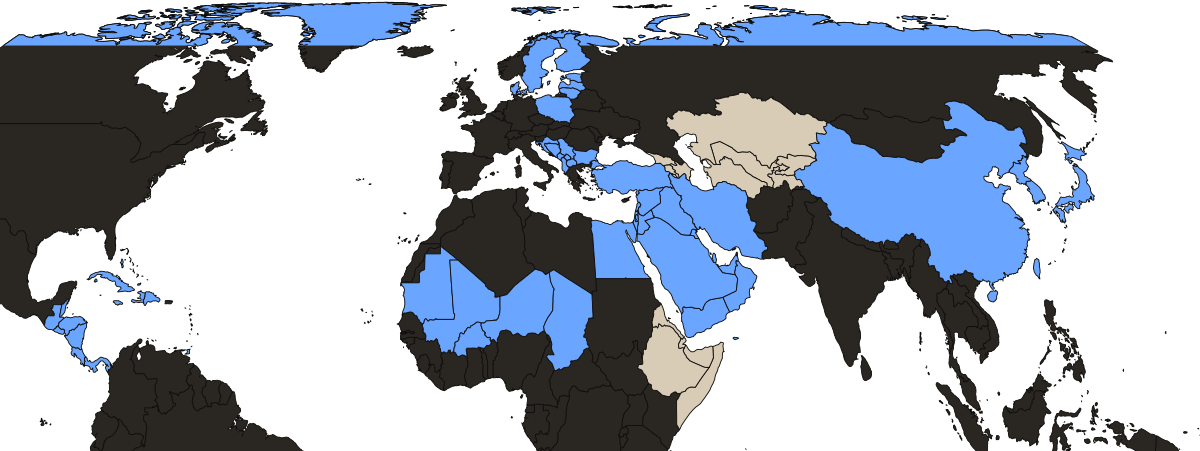
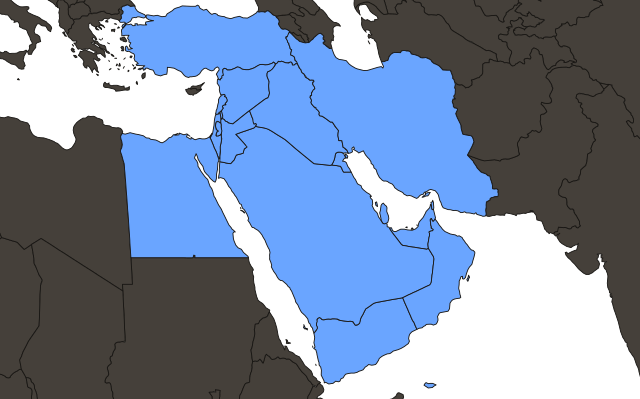
Middle EastThe Iran war, a contested Strait of Hormuz and a fragile Gaza ceasefire define the region in 2026.


 +7
-
 Fighting
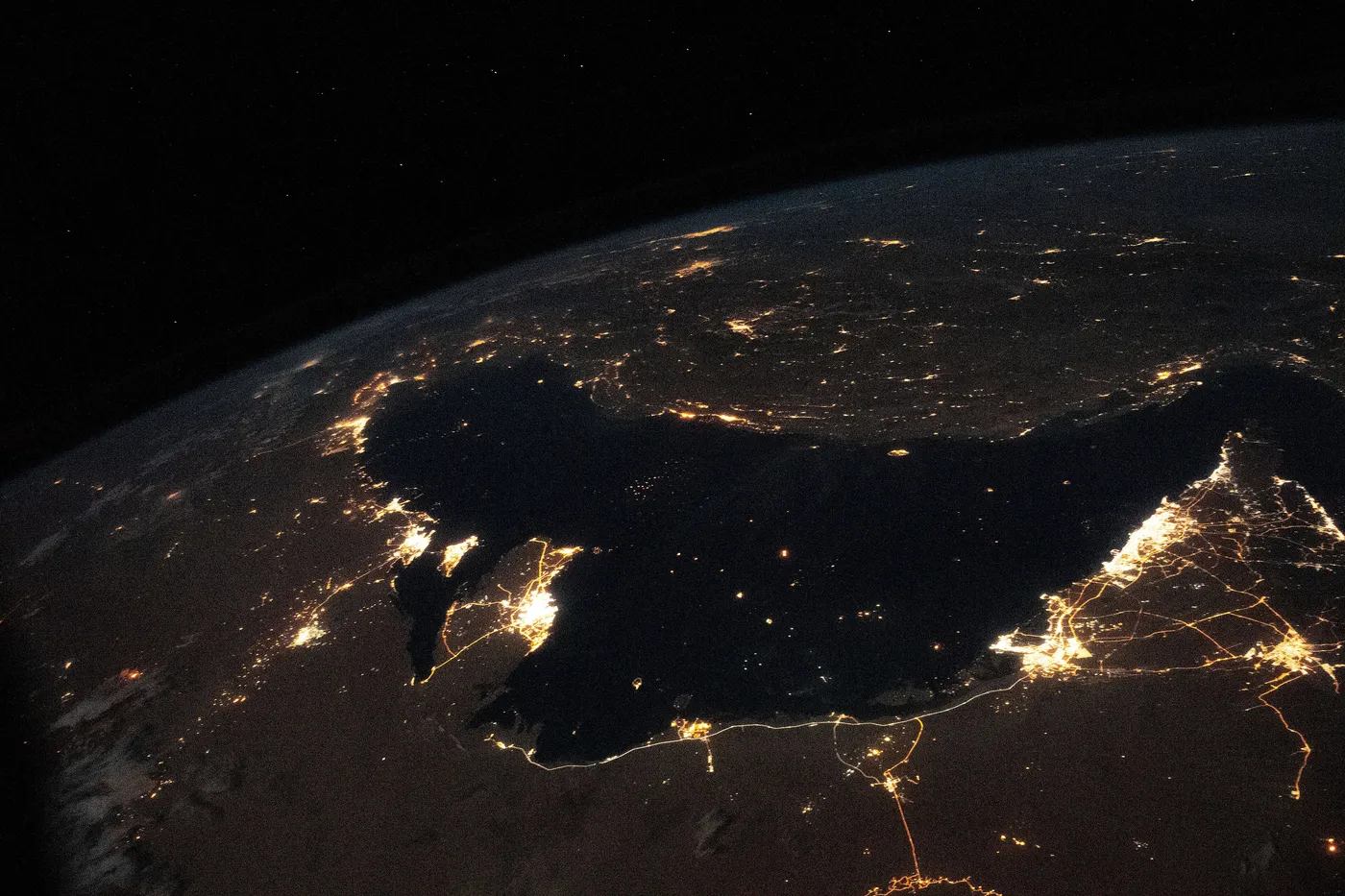
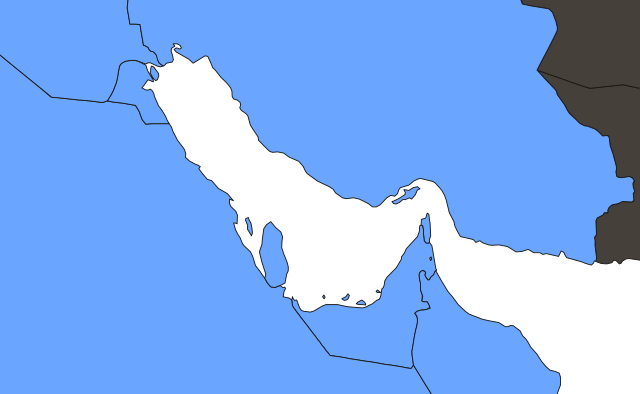
Persian GulfEight countries hold about 55% of world oil reserves. Iran has restricted the Strait of Hormuz since February 2026.


-
 Fighting
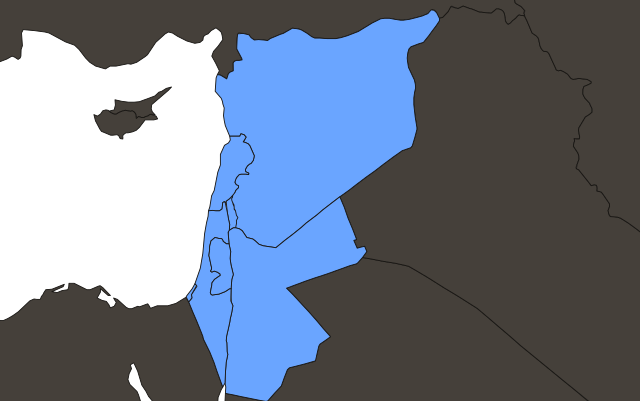
LevantFive countries on the eastern Mediterranean, with fragile truces in Gaza and Lebanon and a new Syria taking shape.


Asia and the Pacific


Europe and Eurasia
-
 Tense
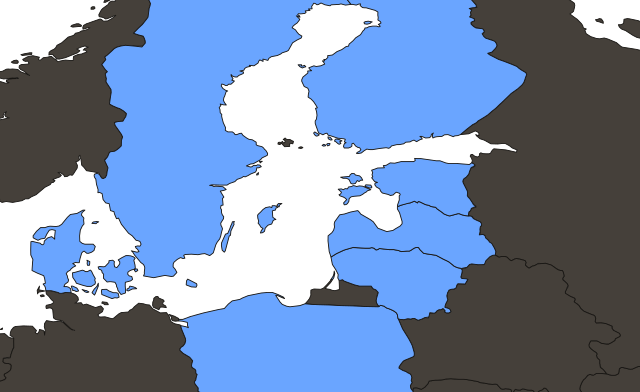
BalticRussia and eight NATO members border a sea used for Russian oil exports and crossed by undersea cables.


-
 Tense
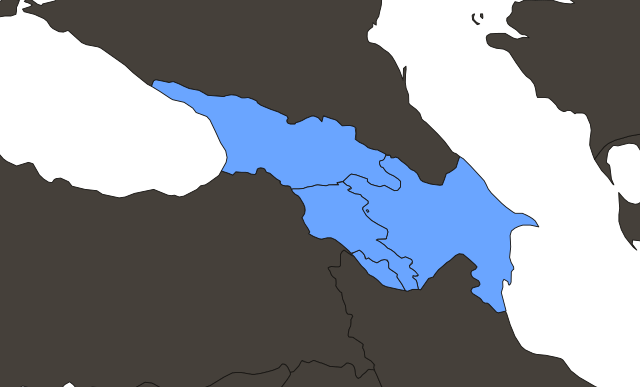
CaucasusThree countries between the Black Sea and the Caspian, where Russia's grip has weakened since 2023.


-
 Tense
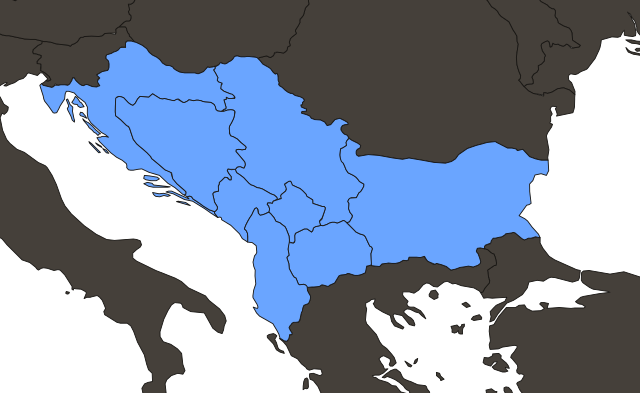
BalkansEight countries in southeast Europe still dealing with the 1990s wars, EU membership bids and Russian influence.


-
 Quiet
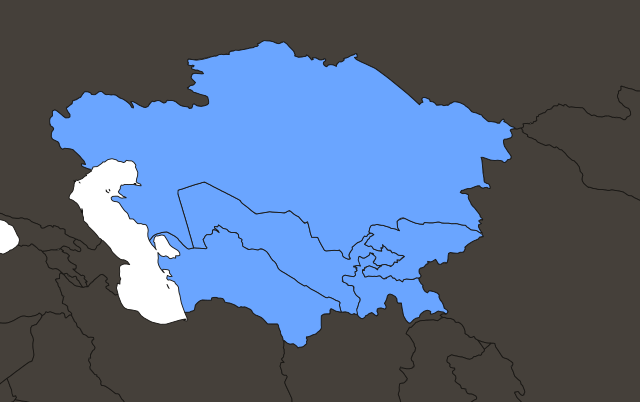
Central AsiaFive former Soviet states sitting on uranium, gas and the only land route from China to Europe that avoids Russia.


Africa
-
 Fighting
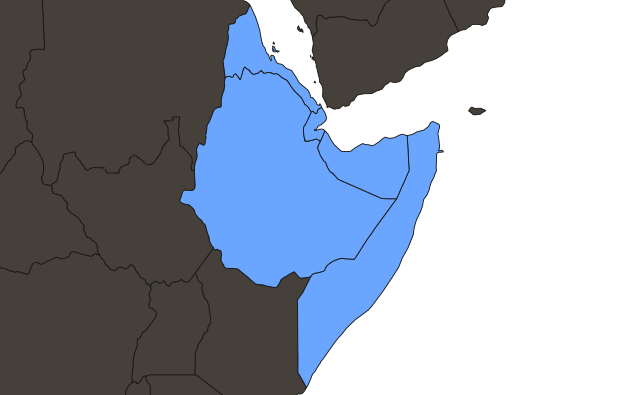
Horn of AfricaFour countries around the Red Sea and the Gulf of Aden, home to foreign bases, wars and a fight over ports


-
 Fighting
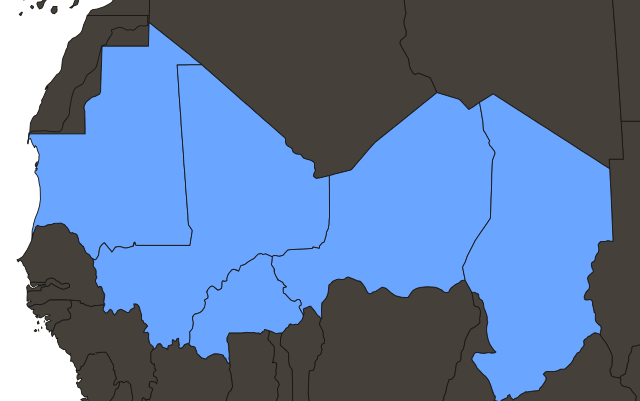
SahelThree juntas fight al-Qaeda and Islamic State. France has left. Russia, Turkey and China have moved in.


The Americas


The polar regions


Questions about world regions
What counts as a region in geopolitics?
A region is a group of countries that analysts treat as a unit because of shared geography, history or politics. There is no single official list.
Borders between regions are loose. The Middle East sometimes includes North Africa. The Sahel can mean five countries or ten, depending on whether the definition is political or climatic. Central Asia sometimes includes Afghanistan and Mongolia. Different governments, international organizations and academics draw the lines differently.
Orbis defines each region on its own page and lists which countries it includes. They are working definitions that can change as the politics of a region change.
What is the difference between the Middle East, the Near East and MENA?
The three terms overlap but come from different eras and uses. "Near East" is the oldest. It was the 19th-century European term for the Ottoman lands and the Balkans.
"Middle East" dates to 1902, when the American naval strategist Alfred Thayer Mahan used it for the Gulf and the approaches to India. After World War I it replaced "Near East" in everyday English. "Near East" survives in archaeology and in US State Department usage.
MENA stands for Middle East and North Africa. It adds the Maghreb countries (Morocco, Algeria, Tunisia, Libya) and sometimes Sudan. The World Bank and the IMF use MENA as a regional grouping.
Why do regions overlap in geopolitics?
Regions are not like countries with fixed borders. They are groupings based on geography, culture, security or economics, and those categories do not always line up.
The Levant is a good example. Syria, Lebanon, Israel, Palestine and Jordan form the Levant, and all five also fall inside the broader Middle East. The Levant is useful when the topic is the eastern Mediterranean coast. The Middle East is useful when the topic includes Iran, the Gulf states or Egypt.
Overlap is normal. A single country can appear in more than one region depending on the question being asked.
Which regions have the most wars right now?
As of November 2026, the Middle East and the Sahel are the most active conflict zones among the regions covered here.
In the Middle East, the United States and Israel struck Iran on February 28, 2026, killing Supreme Leader Ali Khamenei. Iran declared the Strait of Hormuz closed. A US naval blockade of Iranian ports is in force. A Gaza ceasefire holds, but fighting continues in Lebanon.
In the Sahel, groups linked to al-Qaeda and the Islamic State fight the governments of Mali, Burkina Faso and Niger across large parts of all three countries. The Sahel accounted for more than half of all terrorism deaths worldwide in 2025, according to the Global Terrorism Index 2026.
What is the Global South?
The Global South is a broad term for the countries of Africa, Latin America, the Caribbean, most of Asia and the Pacific islands. It replaced older terms like "Third World" and "developing countries."
The label groups countries by economic and political position rather than geography. Australia and New Zealand are in the Southern Hemisphere but are not part of the Global South. The term is widely used in diplomacy, especially at the UN, the G20 and in climate talks.
Critics say the term lumps together countries with very different economies and interests. China and Chad are both sometimes called Global South, but they have little in common economically.