
Territory of the United Kingdom · Caribbean
British Virgin Islands
Self-governingUpdated November 11, 2026
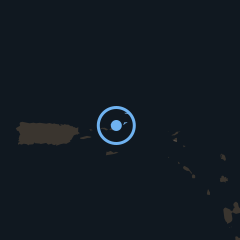
The British Virgin Islands are a British overseas territory in the Caribbean, just east of the US Virgin Islands. England took Tortola from the Dutch in 1672. Britain has held the islands since then. An elected government runs domestic affairs under the Virgin Islands Constitution Order 2007. A UK-appointed governor controls defense, foreign policy, the police and the courts. The territory has no income tax and is the world’s largest offshore company registry, with about 362,000 active companies. Financial services fund about 60% of government revenue. The territory has been self-financing since 1978, with no UK grant.
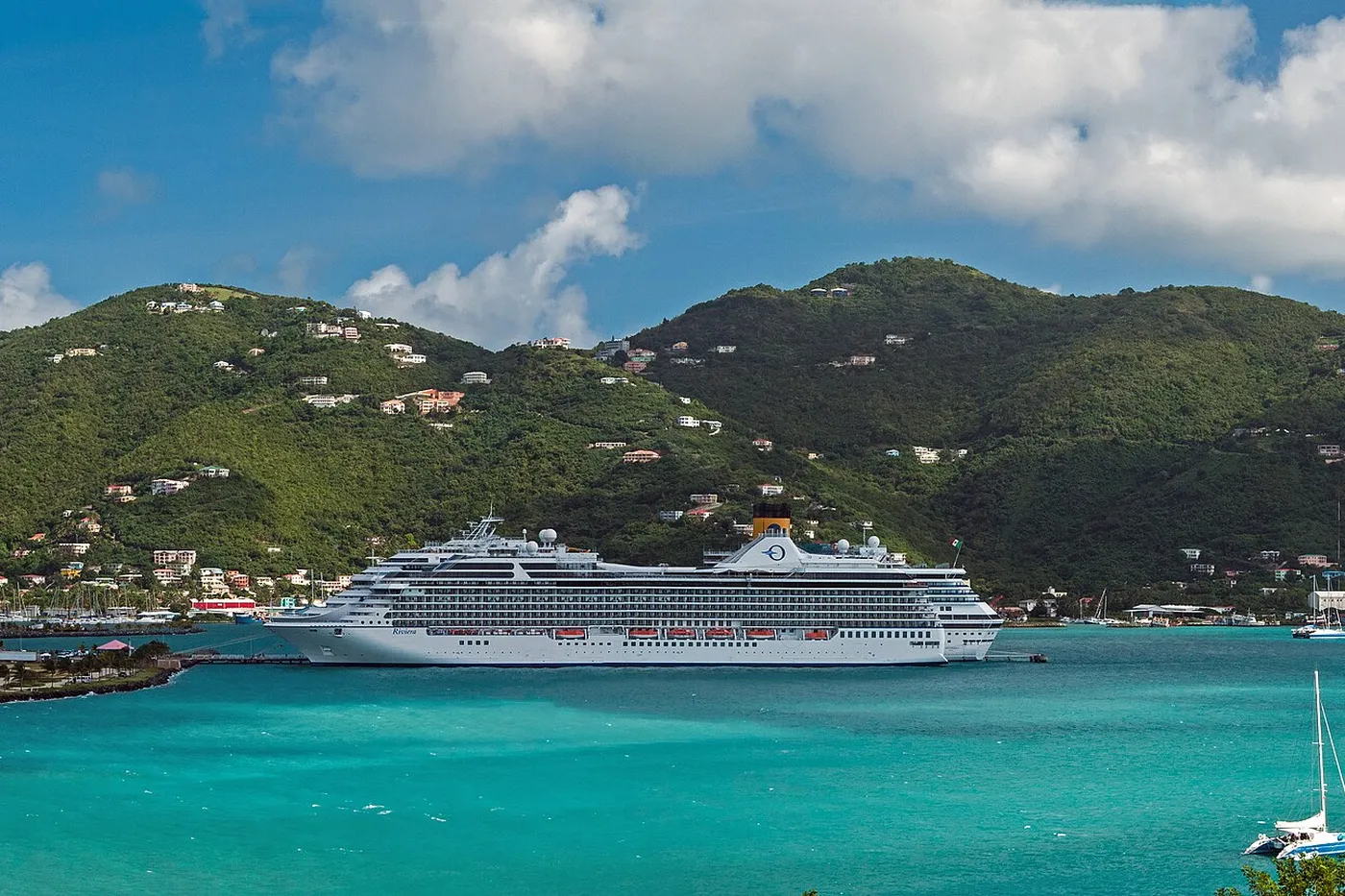
- Capital
- Road Town
- on Tortola, the largest island
- GDP per person
- About $40,000+
- UN estimate, 2023
- Visitors (2025)
- 1,202,008
- a record, including 875,000+ by cruise
- Active companies
- 362,165
- BVI business companies, March 2026
- From London
- 6,700 km
- as the crow flies
 United Kingdom
British Virgin Islands in 30 seconds
- The British Virgin Islands are a British overseas territory. An elected premier and House of Assembly run domestic policy. A UK-appointed governor controls defense, foreign policy, the police and the courts.
- About 362,000 companies are registered there. Financial services fund roughly 60% of government revenue. The Tax Justice Network ranks the territory first on its Corporate Tax Haven Index.
- In April 2022, Premier Andrew Fahie was arrested in a US drug sting. A Commission of Inquiry found corruption it called “endemic.” The United Kingdom came close to imposing direct rule but chose reforms instead.
- A new constitution is being negotiated with the United Kingdom. The government has proposed a political-status referendum by 2031.
Is the British Virgin Islands a country?
No. The British Virgin Islands are a British overseas territory. They are not an independent country. The Virgin Islands Constitution Order 2007, a UK statutory instrument, sets out the system of government. The United Nations lists the territory as non-self-governing.
An elected premier leads the government and controls domestic policy, the budget and taxes. The territory has no income tax. A UK-appointed governor holds defense, foreign policy, internal security, the police, the courts and the public service under section 60 of the constitution. The governor also chairs the Cabinet.
The government and the United Kingdom began negotiating a new constitution in July 2026. A third and final round of talks is expected before the end of 2026. The new constitution is expected to take effect in 2027. The government has proposed a referendum on the territory’s political status by 2031.
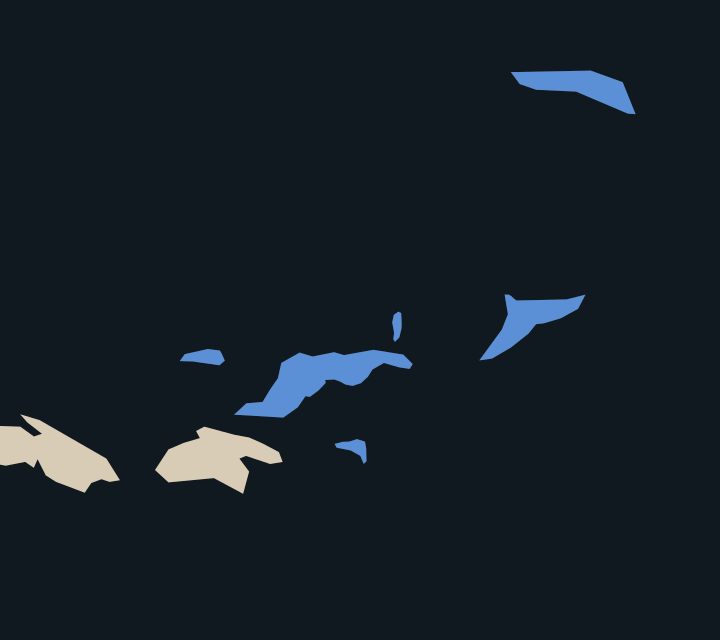
 Tortola
Road Town
Virgin Gorda
Anegada
Jost Van Dyke
St. Thomas (US)
St. John (US)
Atlantic Ocean
Caribbean Sea
 Tortola
Road Town
Virgin Gorda
Anegada
St. John (US)
Atlantic Ocean
Caribbean Sea
Why are so many companies registered in the British Virgin Islands?
The territory is the world’s largest offshore company registry. In all, 362,165 business companies were active at the end of March 2026, according to the Financial Services Commission. New incorporations in the first quarter of 2026 rose 10% year on year. Company registration fees alone are expected to bring in about $223.1 million in 2027, roughly 49% of all government revenue.
The territory has no income tax and no public beneficial-ownership register. A “legitimate interest” access system went live on April 1, 2026, through the Financial Services Commission. It covers owners of 25% or more and charges a $75 request fee. In July 2025, a UK minister said he remained concerned about the system’s limits. Transparency International UK says the territory has missed 12 years of deadlines on ownership transparency.
The territory appeared prominently in both the Panama Papers in 2016 and the Pandora Papers in 2021. More than two-thirds of the offshore companies tied to politicians in the Pandora Papers were registered in the British Virgin Islands. The Tax Justice Network ranks the territory first on its Corporate Tax Haven Index. The territory’s government disputes the ranking. Premier Natalio Wheatley has said the government will defend an industry “on which so many livelihoods and public services depend.”
Active BVI business companies
362,165
At the end of March 2026
Company registration fees are expected to bring about $223.1 million in 2027, roughly 49% of government revenue. Financial services overall fund about 60%.
Why did Britain nearly take back control in 2022?
Two events happened within two days. On April 28, 2022, Premier Andrew Fahie was arrested at a Miami airport in a US Drug Enforcement Administration sting. An informant had posed as a member of the Sinaloa cartel. The plan discussed was to move thousands of kilograms of Colombian cocaine through Tortola’s port to Miami. Fahie was arrested while preparing to collect a $700,000 cash advance.
The next day, the report of the Commission of Inquiry led by Sir Gary Hickinbottom was published. It found corruption to be “endemic” and recommended a temporary partial suspension of the constitution. On June 8, 2022, the United Kingdom decided not to impose direct rule. It made a reserve Order in Council instead and required reforms.
Fahie was convicted by a Miami jury on February 8, 2024, and sentenced to 135 months in prison. His appeal is pending at the 11th Circuit. The revocation of the reserve Order took effect on March 13, 2026. UK Foreign Secretary Yvette Cooper had cited “the completion of the governance reform programme.” Premier Wheatley called it “a national achievement.”
From inquiry to revocation
- Jan 2021Governor Augustus Jaspert announces a Commission of Inquiry into governance
- Apr 2022Premier Andrew Fahie arrested in a DEA sting in Miami
- Apr 2022The report finds corruption “endemic” and recommends a temporary partial suspension of the constitution
- Jun 2022The UK decides not to impose direct rule; a reserve Order is made instead
- Apr 2023General election produces a hung parliament; Natalio Wheatley stays premier
- Feb 2024Fahie convicted of cocaine conspiracy and money-laundering conspiracy
- Aug 2024Fahie sentenced to 135 months in prison
- Sep 2025The UK decides to revoke the reserve Order
- Mar 2026The revocation takes effect
Who runs the British Virgin Islands?
Premier Natalio Wheatley has been premier since May 5, 2022. He took over after a unanimous no-confidence vote removed Andrew Fahie. He won re-election in April 2023 and leads the Virgin Islands Party. He is the grandson of former Chief Minister Willard Wheatley and has said he prefers his adopted African name, “Sowande Uhuru.”
The April 2023 election produced a hung parliament. The Virgin Islands Party won 6 of 13 seats. After floor-crossings by Lorna Smith and Julian Fraser, the government now holds 8 seats. The opposition, led by Marlon Penn of the National Democratic Party since April 2026, has 5. The next election is due by about mid-2027.
Governor Daniel Pruce, a career diplomat who served as United Kingdom ambassador to the Philippines, was sworn in on January 29, 2024. He controls defense, foreign policy, the police and the courts. He chairs the Cabinet. The government’s constitutional proposals seek to end the governor’s role as Cabinet chair.
House of Assembly seats won in April 2023
Who lives in the British Virgin Islands?
Most residents were not born there. In the 2010 census, the last completed count, 61% of residents were born abroad. Virgin Islanders made up only 26.9% of the workforce in 2023. The largest groups of foreign workers come from St. Vincent and the Grenadines, Jamaica, Guyana, the Dominican Republic and the Philippines.
“Belonger” status is a local legal category that carries the right to vote and own land. Expatriates can apply for residency after 10 years and for belonger status after 20.
Tourism and financial services are the two main industries. The territory received a record 1,202,008 visitors in 2025, including more than 875,000 by cruise ship. The British Virgin Islands are known as a yachting and charter hub. The territory uses the US dollar. There is no local currency.
Hurricane Irma, a Category 5 storm, struck on September 6, 2017, killing 4 people and causing about $3 billion to $3.6 billion in losses. Hurricane Maria followed shortly after.
Why do the British Virgin Islands matter?
Offshore companies
About 362,000 active companies are registered in the territory. Financial services fund roughly 60% of government revenue. The British Virgin Islands appeared in both the Panama Papers and the Pandora Papers and rank first on the Tax Justice Network’s Corporate Tax Haven Index.
The United Kingdom’s responsibility
The territory is on the United Nations list of non-self-governing territories. The United Kingdom controls defense, the police and the courts. A Commission of Inquiry in 2022 found corruption to be “endemic.” Constitutional negotiations are under way, with a political-status referendum proposed by 2031.
Tourism and yachting
The territory received a record 1.2 million visitors in 2025. It is one of the Caribbean’s main yachting destinations. Tourism revenue is estimated at more than $474.9 million in 2026.
Questions about the British Virgin Islands
Do British Virgin Islanders have British passports?
Yes, if they are British Overseas Territories citizens. Most Virgin Islanders hold that status. Since the British Overseas Territories Act 2002, they are also full British citizens. They can hold British passports.
What currency does the British Virgin Islands use?
The US dollar. There is no local currency. The territory has used the US dollar since it shifted economically toward the nearby US Virgin Islands in the mid-20th century.
Is the British Virgin Islands part of the United States?
No. The British Virgin Islands are a British overseas territory. The US Virgin Islands, which include St. Thomas, St. Croix and St. John, are a separate American territory just to the west and south.
How many people live in the British Virgin Islands?
The population is estimated at about 35,000 to 40,000. The last completed census, in 2010, counted 28,054. A new census began but has not been finished. The restarted count missed a June 2025 deadline.
How is the British Virgin Islands different from the US Virgin Islands?
The British Virgin Islands are a UK territory. The US Virgin Islands are a US territory. They are neighboring island groups in the Caribbean. The British Virgin Islands are smaller in population and land area but are the world’s largest offshore company registry. Both use the US dollar.
Is the British Virgin Islands a tax haven?
Critics say it is. The territory has no income tax and is the world’s largest offshore company registry. The Tax Justice Network ranks it first on its Corporate Tax Haven Index. The territory’s government disputes the ranking. It calls the territory “a credible, well-regulated and innovative jurisdiction.” Financial services fund about 60% of government revenue.
Other territories of the United Kingdom
All territories → AnguillaIts .ai internet domain, popular with AI firms, now brings in a large share of government revenue.Self-governing
 BermudaIts parliament first met in 1620, making it one of the oldest legislatures in the world.Self-governing
 British Indian Ocean Territory (Chagos Islands)No permanent people; about 2,500 US and UK military personnel and contractors live on the Diego Garcia base.Run by an administrator
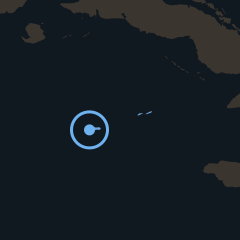 Cayman IslandsThere is no income, company or capital-gains tax; it is a leading home for hedge funds and offshore firms.Self-governing
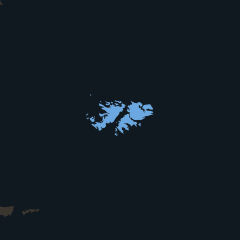 Falkland IslandsArgentina invaded in 1982; the 74-day war killed 649 Argentine and 255 British personnel.Self-governing
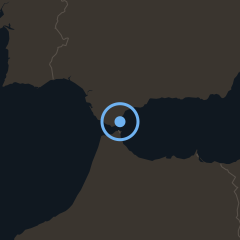 GibraltarA 2026 UK-EU treaty ended border checks with Spain; Schengen checks now happen at its port and airport.Self-governing
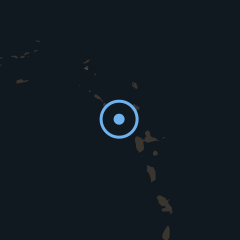 MontserratVolcanic eruptions from 1995 buried the capital Plymouth, and about two-thirds of the people left.Self-governing
 Pitcairn IslandsAbout 35 people live there, most descended from the HMS Bounty mutineers and the Polynesians who landed in 1790.Self-governing