Territory of China · Pearl River Delta
Macau
Self-governingUpdated November 19, 2026
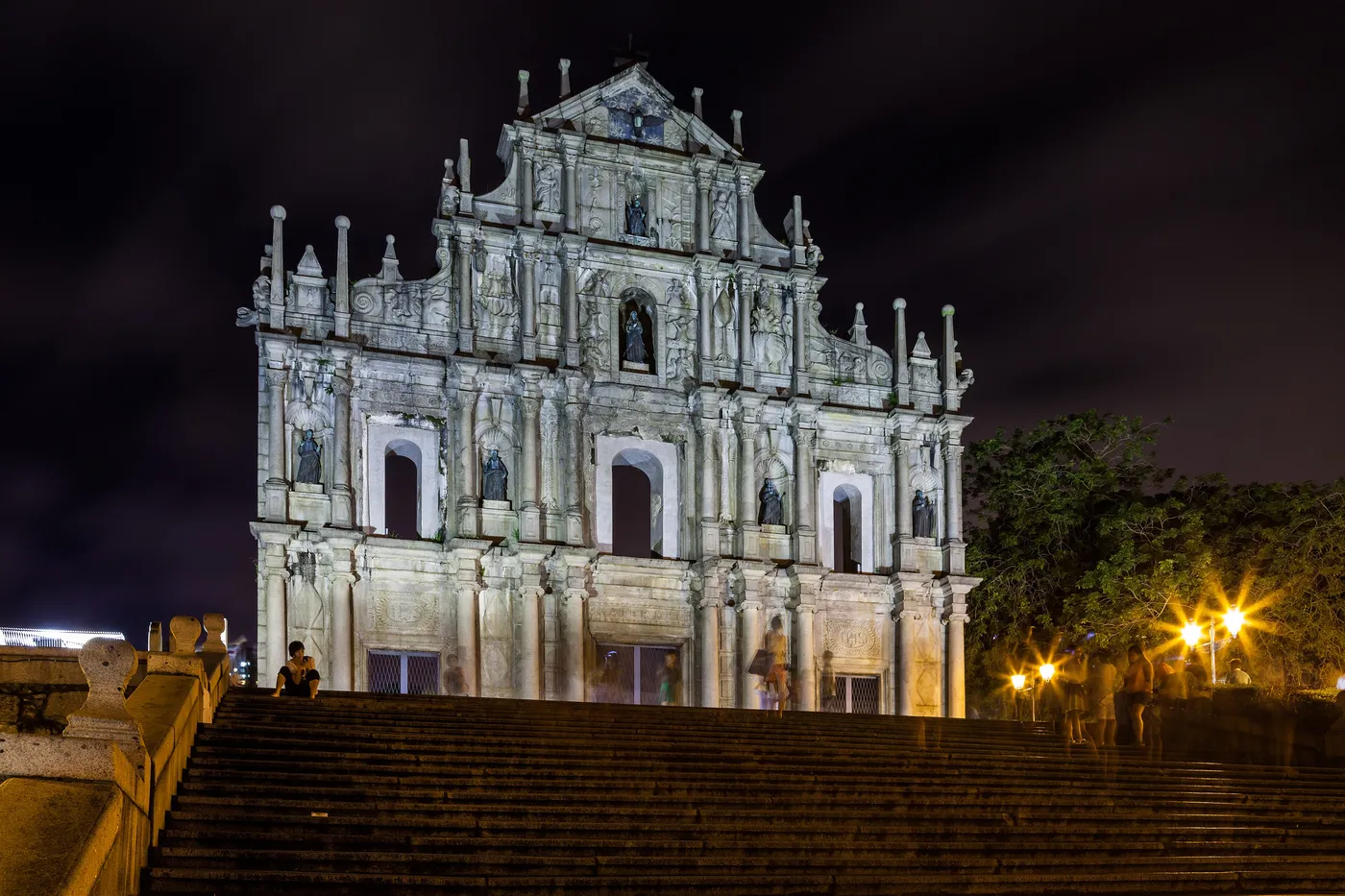
Macau is a special administrative region of the People’s Republic of China, on the western side of the Pearl River Delta. Portugal settled there in 1557 and held it for more than 400 years. China took it back on December 20, 1999, under a deal that keeps Macau’s capitalist system until 2049. Macau runs its own courts, taxes and currency. The Chinese central government handles defense and foreign affairs. Gambling produces most of Macau’s government revenue. In 2025 its casinos took about 30.9 billion US dollars, roughly 3.5 times the Las Vegas Strip.
- GDP per person
- About $75,000
- MOP 607,263 in 2025
- Casino revenue
- $30.9 bn
- gross gaming revenue, 2025
- Gaming tax share
- 82.7%
- of government revenue, 2025
- Fiscal reserve
- MOP 705.6 bn
- record, August 2026
- From Beijing
- 2,000 km
- as the crow flies
 China
Macau in 30 seconds
- Macau is a special administrative region of China. It is not a country. Portugal settled there in 1557 and handed it back on December 20, 1999. Its Basic Law keeps the capitalist system until 2049.
- Macau is the world’s largest casino market. Its six casino operators took about 30.9 billion US dollars in 2025, roughly 3.5 times the Las Vegas Strip. Gaming tax provides 82.7% of government revenue.
- Chief Executive Sam Hou Fai took office on December 20, 2024. He is the first Macau leader born on the mainland. Before the September 2025 legislative election, election officials barred 12 candidates after a national security review.
- On November 6, 2026, former lawmaker Au Kam San was sentenced to 12 and a half years in prison in Macau’s first national security case. The EU and Portugal protested.
Is Macau a country?
No. Macau is a special administrative region of the People’s Republic of China. Article 1 of its Basic Law calls it “an inalienable part of the People’s Republic of China.” The Chinese central government controls defense and foreign affairs. The National People’s Congress grants Macau “a high degree of autonomy” under Article 2.
Macau runs its own courts, taxes, budget, currency and immigration. It has a Court of Final Appeal and a separate passport. The central government sends Macau no money and takes no tax from it. Macau is a member of the World Trade Organization in its own right, under the name “Macao, China.”
The Basic Law took effect on December 20, 1999, when Portugal handed Macau back to China. Article 5 says Macau’s capitalist system and way of life “shall remain unchanged for 50 years,” meaning until 2049. The Basic Law does not say what happens after that.
 Macau
Cotai
Hengqin
Zhuhai
Hong Kong
CHINA
Pearl River Estuary
South China Sea
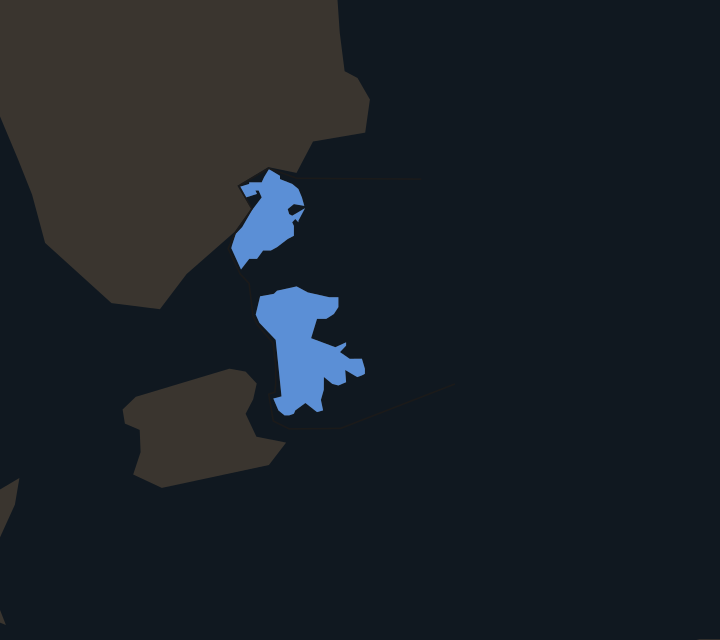 Macau
Cotai
Hengqin
Zhuhai
Hong Kong
CHINA
South China Sea
How did Macau go from Portugal to China?
In 1557, Ming dynasty authorities allowed Portuguese traders to settle at Macau. Portugal paid rent. For more than 300 years, Portugal held Macau with the consent of Chinese authorities. Portugal did not conquer it. In 1887 the Sino-Portuguese Treaty of Peking recognized Portugal’s “perpetual occupation.”
In late 1966 pro-Beijing riots broke out during China’s Cultural Revolution. Eight people died. On January 29, 1967, the Portuguese governor signed an apology under a portrait of Mao Zedong. From then on, Portuguese control was largely nominal. After Portugal’s 1974 revolution, the Portuguese government reportedly offered to hand Macau back. The Chinese government declined.
Portugal and China signed a Joint Declaration on April 13, 1987, modeled on the earlier Hong Kong deal. The National People’s Congress adopted the Macau Basic Law on March 31, 1993. On December 20, 1999, Portugal handed Macau to China and the People’s Liberation Army garrison entered the city.
From Portuguese settlement to Chinese rule
- 1557Ming authorities allow Portuguese traders to settle
- 1887Treaty of Peking recognizes Portuguese occupation
- 1966Pro-Beijing riots; 8 dead. Governor signs an apology in 1967
- 1974Portugal’s revolution; Portugal reportedly offers to hand Macau back
- 1987Joint Declaration signed in Beijing
- 1993National People’s Congress adopts the Macau Basic Law
- 1999Handover on December 20; the SAR is established
- 2009Macau passes its national security law without mass protest
How big is Macau’s gambling industry?
Macau is the world’s largest casino market. In 2025 its casinos reported gross gaming revenue of about 247.4 billion patacas, or about 30.9 billion US dollars. That is roughly 3.5 times the Las Vegas Strip’s 8.8 billion US dollars in the same year, and about twice the total for the state of Nevada. Gaming tax provided 82.7% of Macau’s government revenue in 2025.
A 2022 law capped casino licenses at six, each lasting 10 years from January 1, 2023. The six operators are SJM, Galaxy, Venetian (owned by Sands), MGM, Melco and Wynn. Three are American-owned or American-linked. The law also ended the satellite casino model, in which third parties ran casinos under a main operator’s license. The 11 remaining satellite casinos had to close by December 31, 2025. SJM took over two of them, L’Arc and Ponte 16, and now runs them directly.
Revenue has slowed in 2026. October gaming revenue fell 10% from a year earlier, the fifth straight monthly decline. The government’s 2027 budget, published on November 18, 2026, expects gross gaming revenue of 240 billion patacas in 2027. That is about 1.7% more than its forecast of 236 billion patacas for 2026.
2025 gross gaming revenue
- Macau$30.9 bn
 Nevada (all)$15.8 bn
- Las Vegas Strip$8.8 bn
Who runs Macau?
Sam Hou Fai has been Chief Executive since December 20, 2024. He was the only candidate. The 400-member Election Committee gave him 394 votes out of 398 cast. He was born in mainland China and studied law at Peking University, then Portuguese language and law at the University of Coimbra in Portugal. Before becoming Chief Executive, he served as president of Macau’s Court of Final Appeal for almost 25 years, from the first day of the handover. He is the first Macau leader born on the mainland.
The Legislative Assembly has 33 seats: 14 directly elected, 12 indirectly elected by sector groups and 7 appointed by the Chief Executive. The last election was held on September 14, 2025, with turnout of 53.35%. Only 6 lists ran, the fewest since 2001. In July 2025, the Electoral Affairs Commission barred 12 candidates from 2 lists. It acted on a review by the Committee for Safeguarding National Security, which found that the candidates did not uphold the Basic Law or were not loyal to the Macau SAR. One of them was sitting lawmaker Ron Lam. Media reports describe all 33 members of the new assembly as pro-establishment. No pro-democracy list was on the ballot.
Chief Executive election, October 2024
394 of 398
Votes for Sam Hou Fai, the only candidate
The 400-member Election Committee cast 398 ballots. Sam received 394 votes and 4 were blank. The State Council appointed him on October 25, 2024.
How is Macau different from Hong Kong?
Both are special administrative regions of China with their own legal systems, currencies and borders. But they have followed different political paths since 1999.
Macau passed its national security law under Article 23 of the Basic Law in February 2009, without mass protest. Hong Kong tried in 2003 and withdrew the bill after large demonstrations. Hong Kong only passed its version on March 19, 2024. The Chinese government holds up Macau as the model of “one country, two systems.” In December 2024, President Xi Jinping called Macau’s practice of one country, two systems “a tremendous success.”
Macau has had no protest movement comparable to Hong Kong’s in 2014 or 2019. Its largest protest since the handover came in May 2014, against a bill on retirement benefits for officials. Police counted 7,000 people and organizers counted 20,000. The government withdrew the bill. On November 6, 2026, former lawmaker Au Kam San was sentenced to 12 and a half years in Macau’s first national security case. The court found that he had colluded with hostile groups abroad. It acquitted him of two subversion charges. He is a Portuguese citizen. China’s Foreign Ministry rejected foreign criticism of the case. The EU and Portugal protested.
Macau and Hong Kong compared
- National security lawMacau passed it in 2009. Hong Kong passed its version in 2024.
- Largest protestMacau: 7,000 to 20,000 over pensions (2014). Hong Kong: up to 2 million by organizers’ count, over an extradition bill (2019).
- CurrencyMacau uses the pataca (MOP). Hong Kong uses the Hong Kong dollar (HKD).
- Casino gamblingMacau has 6 licensed operators and $30.9 bn in revenue. Hong Kong has none.
- SizeMacau: 33.3 km² and 686,500 people. Hong Kong: 1,114 km² and about 7.5 million.
Why does Macau matter?
Casino revenue
Macau is the world’s largest casino market. Gaming tax provided 82.7% of the government’s revenue in 2025. Three of its six casino operators are American-owned or American-linked. Macau’s fiscal reserve reached a record 705.6 billion patacas in August 2026.
China’s link to the Portuguese-speaking world
Forum Macao, set up in 2003, connects China with 9 Portuguese-speaking countries including Brazil, Portugal and Angola. China uses Macau as a platform for trade and diplomacy with Portuguese-speaking countries. The forum works under an Action Plan running from 2024 to 2027.
Hengqin and mainland ties
The Guangdong-Macao In-Depth Cooperation Zone on the neighboring island of Hengqin launched in September 2021. By mid-2026, more than 30,000 Macau residents and more than 8,000 Macau-funded firms were there. President Xi Jinping has called “Macau plus Hengqin” a new model of one country, two systems.
Questions about Macau
Do Macau residents have Chinese passports?
Yes. Macau permanent residents who are Chinese nationals can hold a Macau SAR passport, which the Macau government issues under the authority of China’s central government. Macau’s Identification Services Bureau says it gives visa-free access to 146 destinations. Some residents also hold Portuguese citizenship. Macau residents do not hold ordinary mainland Chinese passports.
What currency does Macau use?
The pataca (MOP). It is pegged to the Hong Kong dollar at a rate of 1 Hong Kong dollar to 1.03 patacas. Hong Kong dollars circulate widely and are accepted in most shops and casinos.
Can you visit Macau from Hong Kong?
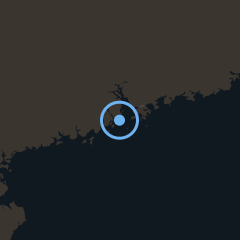
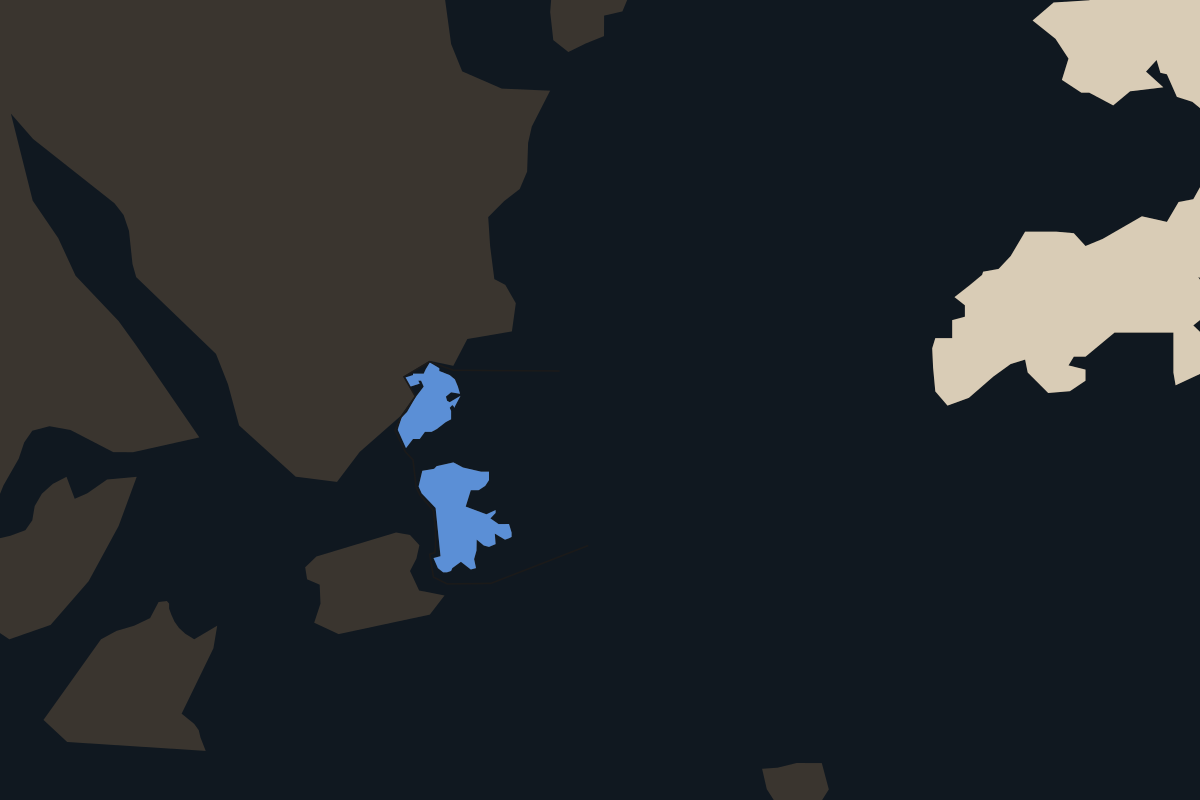
Yes. Macau is about 60 km from Hong Kong, across the Pearl River Estuary. Macau runs its own border and immigration controls, separate from mainland China. Visitors need a valid travel document to enter.
Does China’s central government send money to Macau?
No. The Basic Law bars the central government from taxing Macau, and Macau receives no transfer from the central government. Macau keeps all its own revenue. Its fiscal reserve reached a record 705.6 billion patacas in August 2026.
What is the population of Macau?
About 686,500 at the end of the first half of 2026, according to the Statistics and Census Service. In the 2021 census, about 89% of the local population was ethnically Chinese. A population by-census ran from July 25 to August 15, 2026. Its results have not yet been published.
What happens to Macau in 2049?
Article 5 of the Basic Law says Macau’s capitalist system and way of life will remain unchanged for 50 years from the 1999 handover, meaning until December 20, 2049. The Basic Law does not say what happens after that date.