Why did Ukraine give up the world's third-largest nuclear arsenal?
In 1994 Ukraine held more warheads than Britain, France, and China combined. Within two years it gave them all up for a promise Russia would break.
In the winter of 1994, the missiles were still in their silos across Ukraine, and the strategic bombers still sat on their runways. Eighteen months later almost all of them were gone, loaded onto trains and shipped east to Russia to be taken apart. Ukraine had handed over the third-largest nuclear arsenal on Earth, and in exchange it received a four-page memorandum promising that its borders would be respected. One of the three countries that signed that promise was Russia.
What Ukraine inherited
When the Soviet Union dissolved on Christmas Day 1991, its nuclear forces did not dissolve with it. They were scattered across four newly independent states. Russia kept the lion's share, roughly 22,000 warheads. Kazakhstan and Belarus held smaller pieces. And Ukraine, home to a Soviet aerospace industry second only to Russia's, woke up as a country sitting on an arsenal most nations could only dream of.
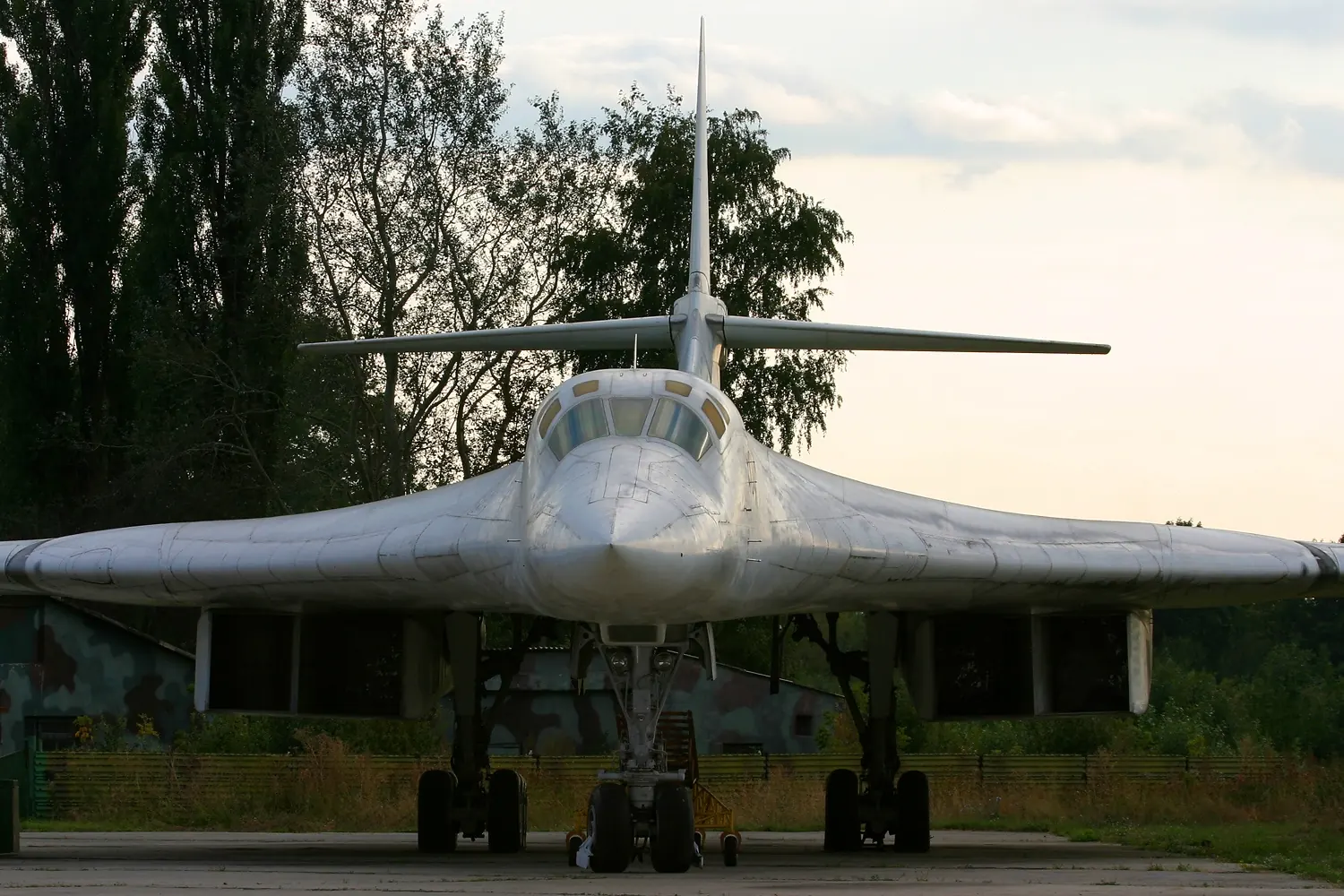
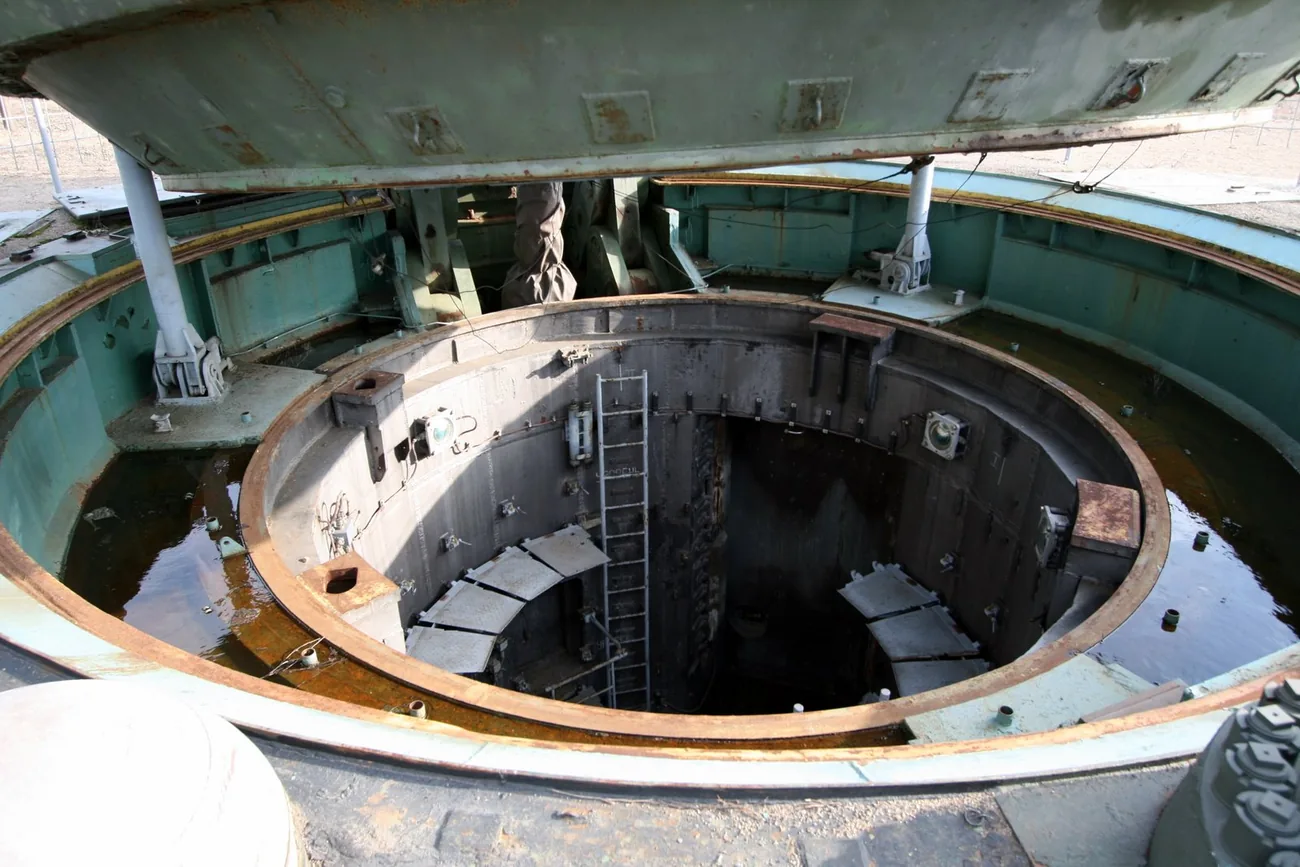
The inventory was staggering. About 1,900 strategic warheads. A hundred and seventy-six land-based intercontinental missiles in hardened silos near Pervomaisk and Khmelnytskyi, including the SS-24, which carried ten warheads apiece. Forty-four strategic bombers, among them the Tu-160 "Blackjack," the most capable bomber the Soviets ever built. On top of that, some 2,500 smaller tactical weapons, stocks of weapons-grade uranium, and the Yuzhmash plant in Dnipropetrovsk, which had manufactured most of the Soviet missile force. On paper, Ukraine in 1992 was one of the most heavily armed states in the history of the world.
The bomb in the silo, the codes in Moscow
The catch was that Ukraine owned the hardware but not the keys. Soviet warheads were locked by devices tied to launch codes held in Moscow, and the targeting systems ran through the Russian General Staff. On the first morning of independence, Kyiv could not have fired a missile even if it had wanted to.
But that first morning was never the real question. Ukraine's own engineers, and the Pentagon, judged that with eighteen to thirty-six months of work the country could bypass the Russian locks and build a deterrent it fully controlled. It had the blueprints, the scientists, and the factory that had built the missiles in the first place. This was not a museum of dead weapons. Given a couple of years, Ukraine could have become a permanent nuclear power. In 1993 the political scientist John Mearsheimer argued in Foreign Affairs that it should, warning that a Ukraine without weapons would sooner or later become a target. At the time, the essay read as a provocation.
Why Ukraine let them go
So why surrender such a card? The reasons were practical, not naive. Keeping the arsenal would have cost an estimated two to four billion dollars a year, more than Ukraine's entire defense budget, in a country whose economy was in free fall. Building independent control over the warheads would have taken years and enraged both Moscow and Washington, who for once agreed completely: the weapons had to go. Refusing meant diplomatic isolation, and the real possibility that Russia would move to seize the weapons by force.
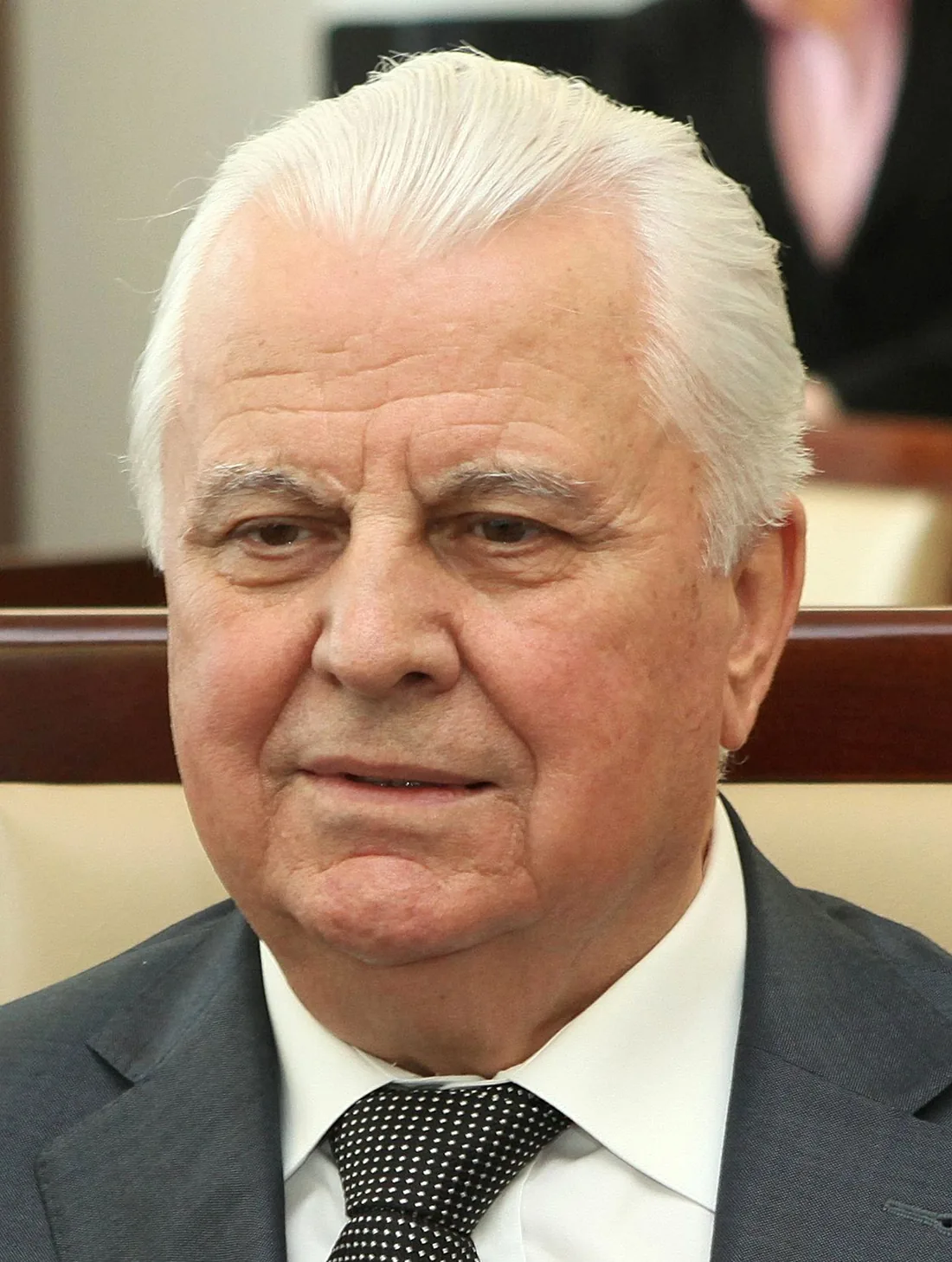
Against all of that sat a concrete offer of cash, fuel, debt relief, and a Western promise. President Leonid Kravchuk, steering between two larger powers, decided the deal was the responsible choice. Seen against the options he actually had, it looks less like a blunder than a weak country making the best of a poor hand.
Three documents, one bargain
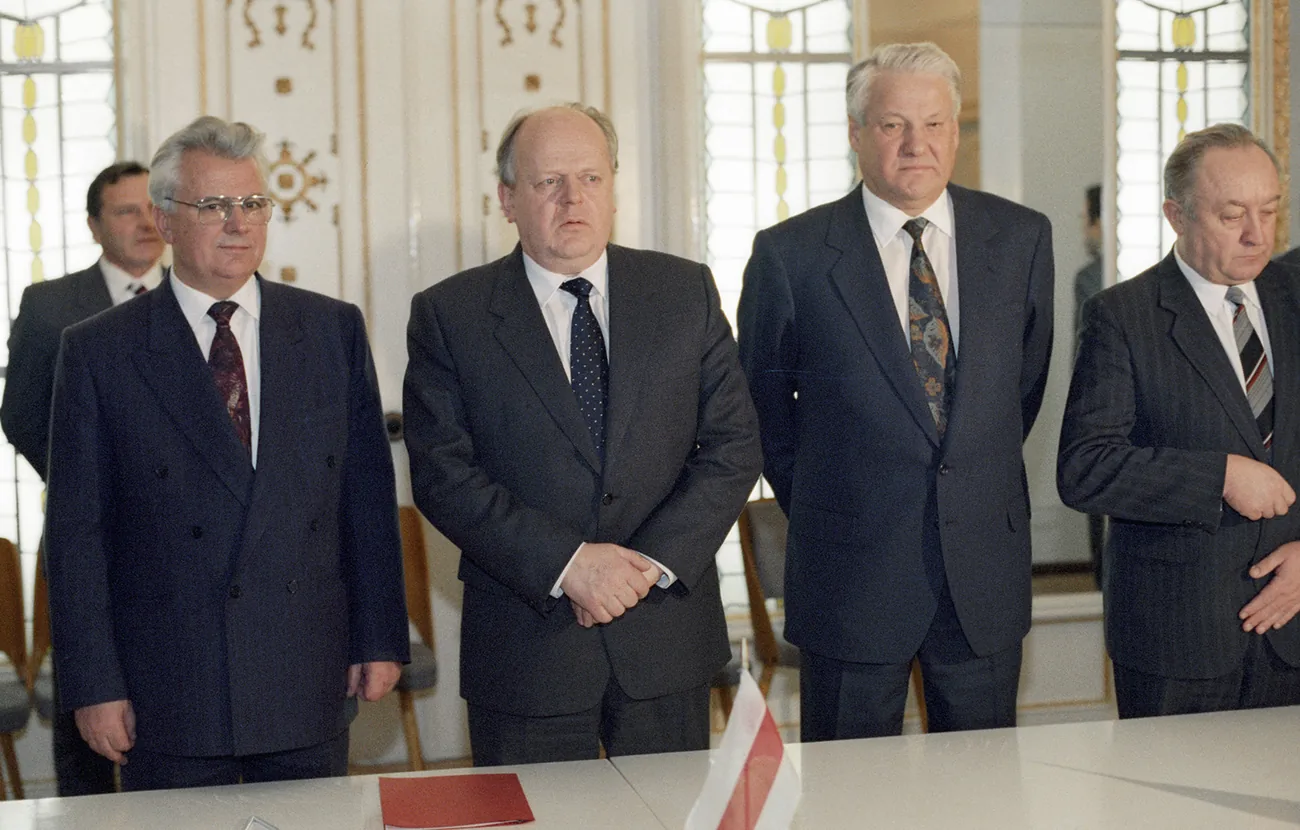
The trade was assembled in stages. The Lisbon Protocol of 1992 committed Ukraine, in principle, to give up the strategic weapons. The real deal came on January 14, 1994, when Clinton, Yeltsin, and Kravchuk signed the Trilateral Statement in Moscow: every strategic warhead would go to Russia for dismantling, and in return Russia would ship Ukraine about a billion dollars' worth of fuel rods for its power reactors, the United States would put up $175 million to help tear down the silos, and Moscow would forgive a mountain of Ukrainian gas debt. The compensation was real, and Ukraine badly needed it.
The famous document came last. On December 5, 1994, the United States, Russia, and Britain signed the Budapest Memorandum, pledging to respect Ukraine's sovereignty and existing borders and to refrain from the threat or use of force against it. The last warhead left Ukrainian soil on June 1, 1996. Bill Clinton called it the greatest non-proliferation achievement of the twentieth century. In 1996, he had a case.
Assurances, not guarantees
The whole bargain turns on a single word. The Budapest Memorandum offers security assurances, not guarantees. That sounds like diplomatic hair-splitting. It was the entire negotiation. A guarantee, in the sense of NATO's Article 5, legally obliges a country to act, militarily if it comes to that. An assurance is a statement of intent and nothing more. Ukrainian negotiators pushed hard for "guarantees." The Americans and British refused, because the US Senate would never ratify a binding pledge to defend a country that was not an ally, and London would not promise more than Washington.
The enforcement was thinner still. If Ukraine were ever attacked with nuclear weapons, the signatories agreed to "seek immediate United Nations Security Council action." Russia holds a permanent seat on that council, and a veto. The one mechanism written into the document could be switched off by the country most likely to need switching off. And even that clause spoke of nuclear aggression. A conventional invasion, tanks rolling across the border, slipped through a gap the drafters left open.
The bill came due
For twenty years, none of this seemed to matter. Then in 2014 Russia seized Crimea, and in February 2022 it launched a full-scale invasion. One of the three powers that had promised to respect Ukraine's borders was now redrawing them by force. The other two, the United States and Britain, sent weapons, money, and intelligence, but no soldiers, because the memorandum had never required them to. The consultations the document called for took place. They changed nothing.
On the thirtieth anniversary, in December 2024, President Volodymyr Zelensky reduced the whole story to three sentences:
Today marks 30 years of the Budapest Memorandum. Ten years of war. Not a single day did this document work.
He has since called the decision to give up the weapons "stupid, illogical, and very irresponsible." Whether that is fair to the men who signed in 1994, staring at a genuinely bad set of options, is a harder question. But from Kyiv, under Russian bombardment, it is not hard to see why he says it.
The lesson every future bomb-builder learned
The damage reaches far beyond Ukraine. The Budapest deal was supposed to be a template: surrender your weapons, receive security in return. Instead it became the warning every aspiring nuclear state now points to. When American envoys ask Iran or North Korea to trade away their programs for assurances, the reply comes back the same in Tehran and Pyongyang: look at Ukraine. Set it beside Libya, where Muammar Gaddafi gave up his weapons program in 2003 and was dead at the hands of NATO-backed rebels by 2011, and you have a nearly airtight case against ever disarming. North Korean officials have made the comparison out loud.
That is the cruel arithmetic of 1994. Folding the Soviet arsenal into one state instead of four was a genuine achievement, and the world was safer for it. The cost is that the next country offered the same bargain is far less likely to accept it, because the promise was broken by one of the very powers that made it. A weapon you give away is gone for good; a promise can be torn up in an afternoon. Every government now weighing whether to build a bomb has run that calculation, and Ukraine is the reason the answer keeps coming out the wrong way.
Test what you learned
5 questions on this article. About two minutes, no signup.
Orbis teaches the history behind the news
Orbis teaches geopolitics in five-minute lessons, from Ukraine's nuclear bargain to the collapse of the Soviet Union and the standoff over Iran's bomb.