Civil war · Central Africa
The war in eastern Congo
Fighting since November 2021Updated October 31, 2026
M23 rebels have fought DR Congo's army and allied militias in the east since late 2021. M23 says it protects Congolese Tutsi. It took Goma, the largest city in the east, in January 2025 and Bukavu in February, and still holds both. UN experts say Rwanda commands M23 and had 14,000 to 18,000 soldiers in Congo in December 2025. Rwanda denies backing M23 and says it must defend itself against the FDLR, a Hutu armed group. In October 2026 former president Joseph Kabila launched a new front with M23.
- M23 returned
- November 2021
- eight years after its defeat
- Goma fell
- Jan 27, 2025
- the largest city in the east
- Rwandan troops
- 14,000 to 18,000
- UN experts' estimate, December 2025
- Deaths, 2025
- 9,172
- UCDP, the most in Africa after Sudan
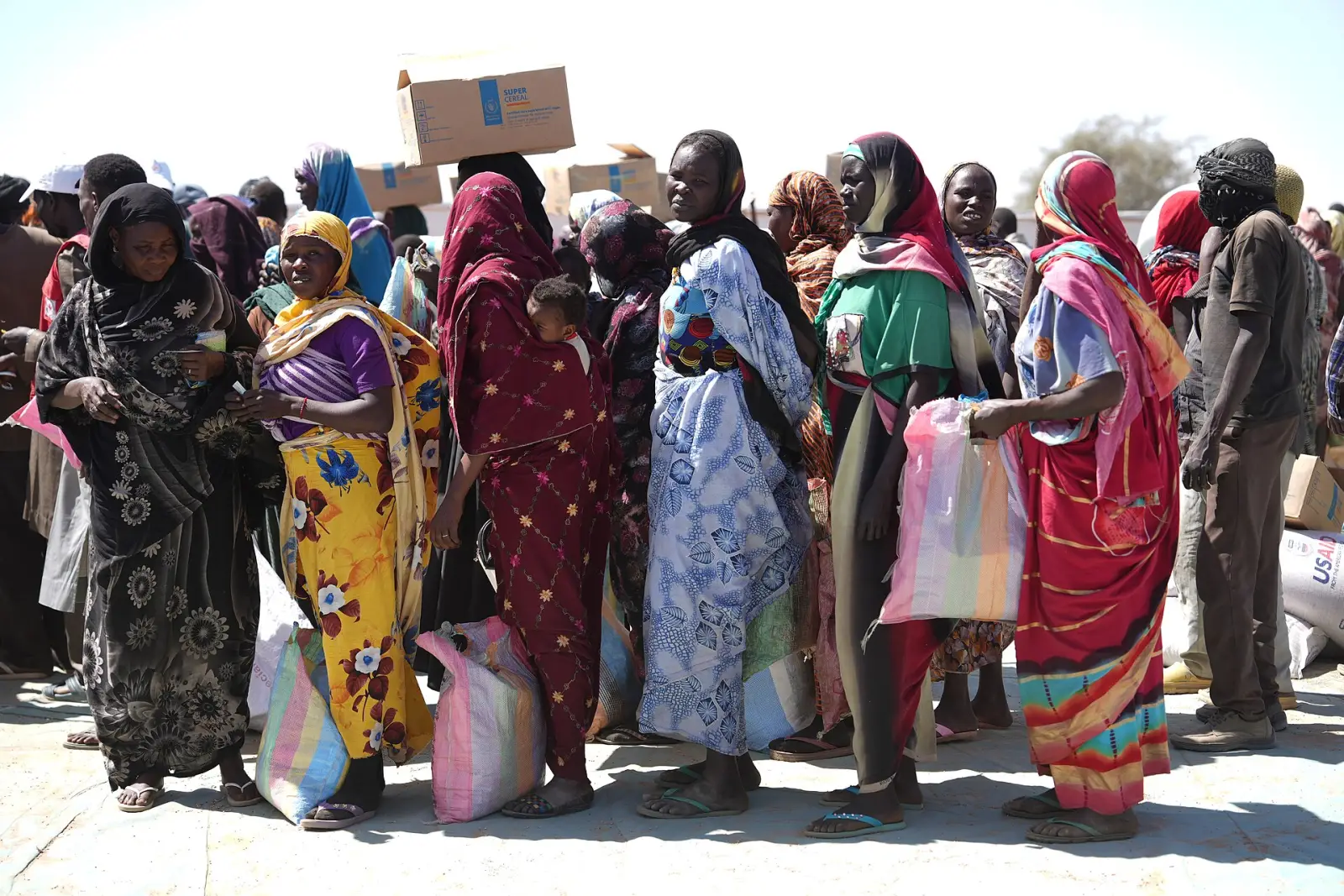
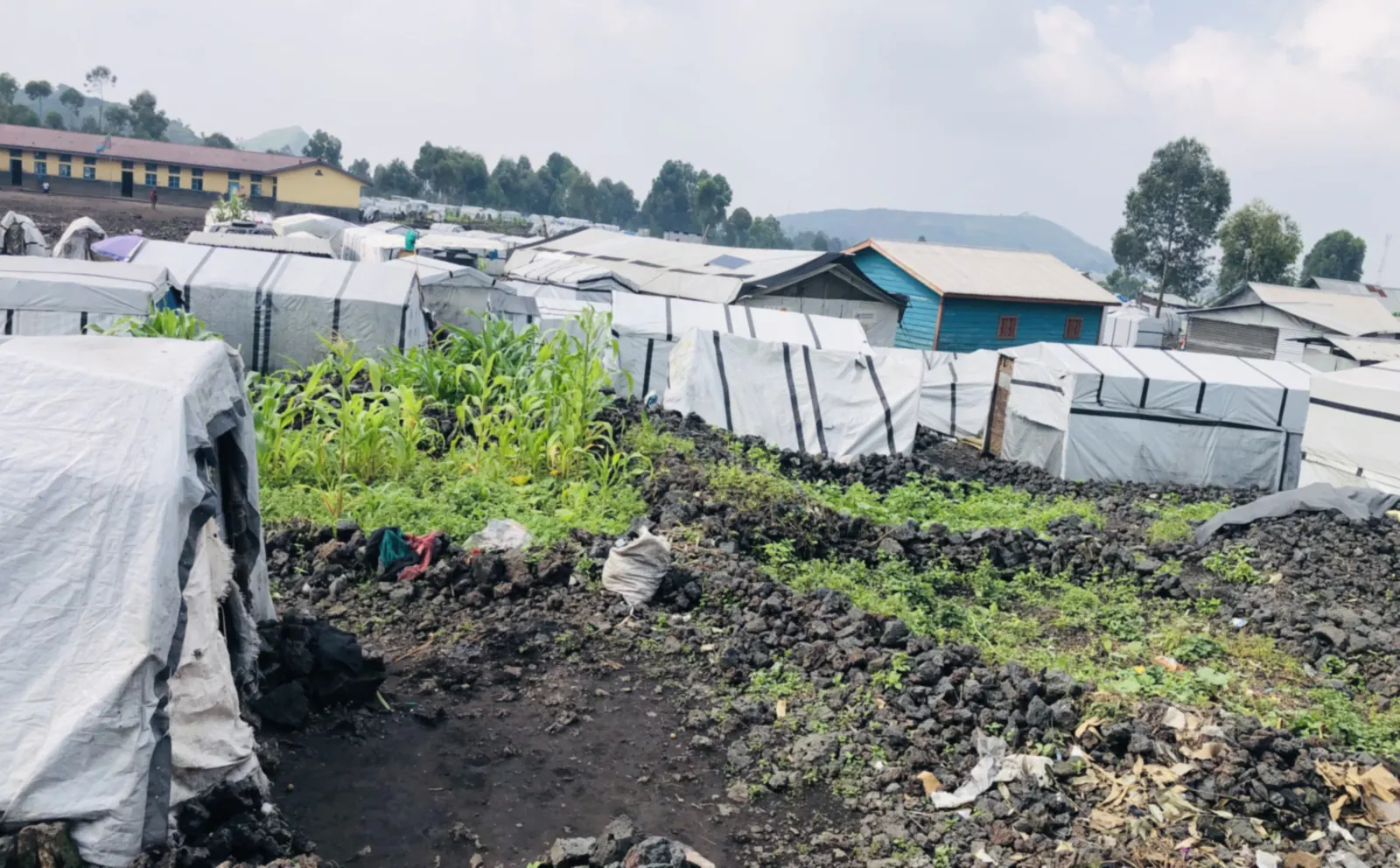
- Displaced at home
- 5.8 million
- EU humanitarian office, 2026
Who backs whom in eastern Congo?
The two sides, and the countries that arm, fund or broker peace between them.
 BurundiHas fought beside Congo's army since 2023 under a defense pact. More than 6,000 Burundian troops were in eastern Congo in mid-2026, Jeune Afrique reported. Burundi accuses Rwanda of backing RED-Tabara, a Burundian rebel group, and Rwanda denies it. UN experts say RED-Tabara fights alongside M23.
Government
 DR Congo's government and allied forces
The government says it is defending Congo against Rwandan aggression and occupation. President Félix Tshisekedi's army, the FARDC, has about 123,300 troops. Local militias known as Wazalendo fight alongside it, and Burundian troops reinforce it in South Kivu. Private military contractors advise it, UN experts say. The army banned any cooperation with the FDLR, a Rwandan Hutu armed group, in January 2026. The experts say the FDLR still fights alongside it.
Rebels
Front for the Refoundation of the Nation (FRN) / M23
Former president Joseph Kabila launched the FRN in Goma on October 12, 2026. It replaced the AFC, M23's political alliance, and M23's leaders serve as his deputies. The FRN says it aims to end President Tshisekedi's rule, which it calls a tyranny. M23 says it protects Tutsi and other minorities from ethnic cleansing. UN experts put M23's strength at about 30,000 fighters. It holds Goma, Bukavu and much of North and South Kivu.
 RwandaUN experts estimated 14,000 to 18,000 Rwandan soldiers in eastern Congo in December 2025. The US sanctioned Rwanda's army and defense ministry. Rwanda denies backing M23 and calls its troops "defensive measures" against the FDLR.
 UgandaUN experts said in 2025 that Ugandan deployments shielded M23 from attacks in the north. Uganda calls the reports false, and its troops fight the ADF with Congo's army.
 United States · Brokered a DR Congo-Rwanda peace agreement in June 2025 and the Washington Accords in December 2025. Sanctioned Rwanda's army in March 2026, Joseph Kabila in April and Rwanda's defense ministry in October.
 Qatar · Mediates talks between the Congolese government and M23 under a framework signed in Doha in November 2025. Two of its eight protocols had been signed by September 2026.
ConfirmedReported, denied
Where is the fighting in eastern Congo?
M23 holds Goma, Bukavu and much of North and South Kivu. In late October 2026 fighting was reported in Masisi and Walikale in North Kivu and near Uvira in South Kivu.
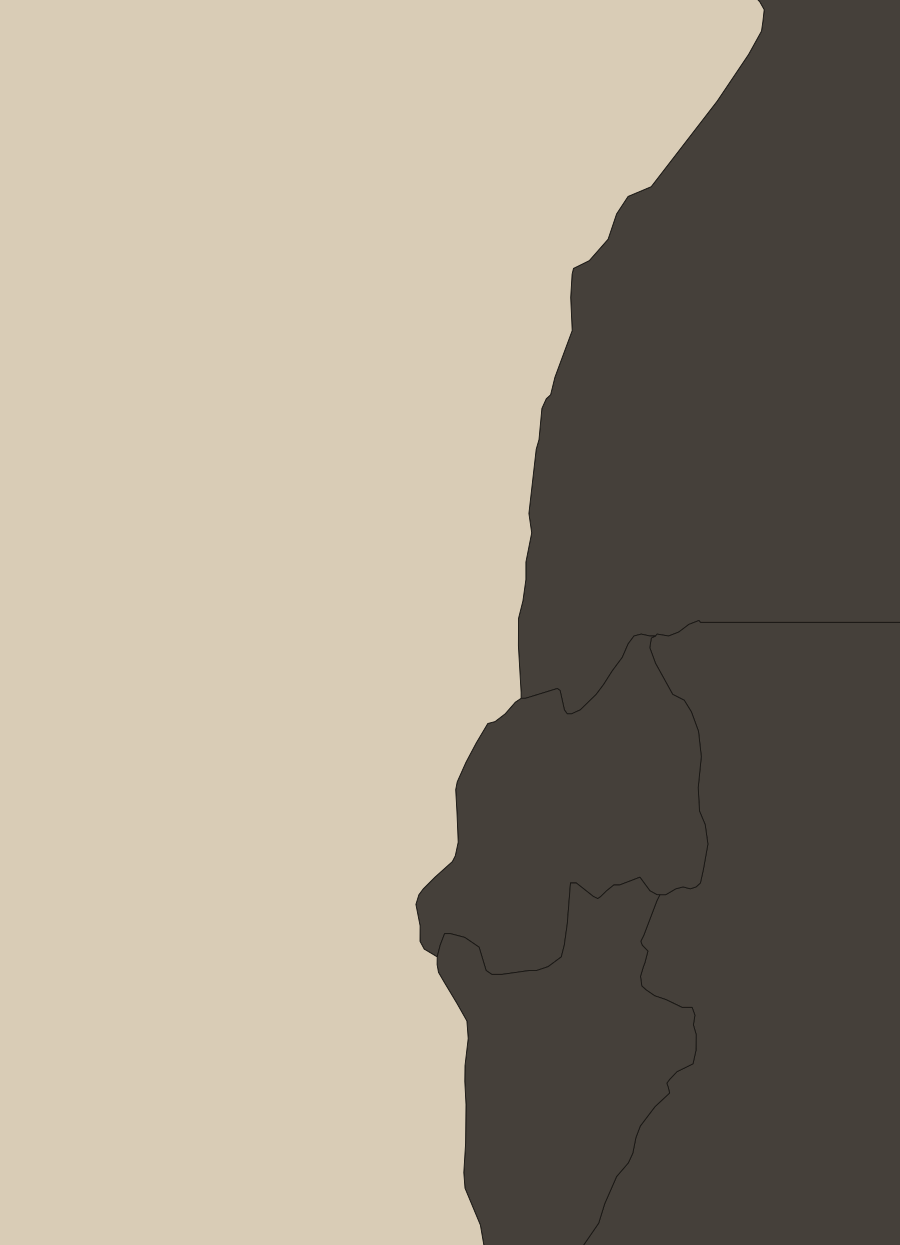
- GomaFRN/M23Capital of North Kivu. M23 took it on January 27, 2025. Joseph Kabila launched his FRN front here on October 12, 2026.
- BukavuFRN/M23Capital of South Kivu. M23 took it on February 16, 2025.
- RubayaFRN/M23Coltan mines held by M23 since April 2024. UN experts estimated their output at about 120 tonnes a month in 2024 and say it has grown since. A collapse killed more than 200 people in January 2026.
- UviraKinshasaM23 took it in December 2025. It withdrew on January 18, 2026, at the request of US mediators, and called this a trust-building step. On October 27, 2026 the FRN said it was advancing on the city, and the army denied it.
- WalikaleKinshasaMining town west of Goma. M23 took it in March 2025 and left in April. Fighting in the surrounding territory resumed in late October 2026.
- BuniaKinshasaCapital of Ituri province. Ugandan troops arrived in February 2025 to fight local militias. Ituri is the province worst hit by the Ebola outbreak.
Why is there a war in eastern Congo?
Eastern Congo has been at war, on and off, since 1996. The war has local and regional roots. Many Kinyarwanda speakers, Hutu and Tutsi, have lived in the Kivus for generations, and their land and citizenship have long been disputed. A 1981 law took Congolese citizenship away from many of them. The regional root is the 1994 genocide in Rwanda, in which Hutu extremists killed between 800,000 and more than a million people, most of them Tutsi. When the Tutsi-led Rwandan Patriotic Front took power, more than a million Hutu fled to Zaire, as DR Congo was then called. Among them were soldiers and militiamen who had carried out the killing. Some of them founded the FDLR in 2000.
Rwanda's army invaded Zaire in 1996 to break up the refugee camps, and it helped rebels topple President Mobutu Sese Seko in 1997. A UN report in 2010 said Rwandan troops and their Congolese allies killed several tens of thousands of Hutu refugees in those years. It said some of the killings could be judged genocide if proven in court. Rwanda rejected the report. In 1998 Rwanda and Uganda backed a new rebellion, and the Second Congo War drew in nine countries. The International Rescue Committee estimated that 5.4 million people died from 1998 to 2007, mostly from hunger and disease. Some researchers say that figure is too high. The main fighting ended in 2003 under a peace deal, but armed groups stayed in the east.
M23 is named after a peace deal signed on March 23, 2009. The deal brought a Tutsi-led rebel group, the CNDP, into the army. In 2012 its former fighters mutinied, saying the government had broken the deal. They held Goma for 11 days and were defeated in 2013 by the army and a UN brigade. M23 returned in November 2021. It says it protects Congolese Tutsi and other minorities from ethnic violence and from the FDLR. It also wants Congolese Tutsi refugees to be able to go home. Some of them have lived in camps in Rwanda for more than 25 years. M23 accuses the government of breaking its promises. The Congolese government calls M23 a terrorist group and a front for Rwanda. UN experts say Rwanda commands M23's operations. Rwanda denies backing M23 and says it must protect its border from the FDLR.
How the war unfolded
- 1981A law strips many Kinyarwanda speakers in eastern Zaire of their citizenship.
- 1994The genocide in Rwanda. More than a million Hutu flee to Zaire, among them many of the killers.
- 1996Rwanda's army invades Zaire and breaks up the camps. Many Hutu refugees are killed as they flee. Mobutu falls in 1997.
- 1998Rwanda and Uganda back a new rebellion. The Second Congo War draws in nine countries.
- 2009A March 23 peace deal brings Tutsi-led rebels into the army.
- 2012M23 mutinies, saying the 2009 deal was broken, and holds Goma for 11 days.
- 2013M23 is defeated by the army and a UN brigade.
- Nov 2021M23 returns, accusing the government of broken promises.
- Jan 2025M23 takes Goma, then Bukavu in February.
- Jun 2025DR Congo and Rwanda sign a peace agreement in Washington.
- Nov 2025DR Congo and M23 sign a framework for peace in Doha.
- Dec 2025The Washington Accords are signed. M23 takes Uvira and leaves in January.
- Oct 2026Joseph Kabila launches the FRN. The US sanctions Rwanda's defense ministry.
Who controls what in eastern Congo?
M23, now part of the FRN, holds Goma, Bukavu and much of North and South Kivu, including the Rubaya coltan mines. It runs its own administration there, with its own governors, taxes and banks, UN experts say. The army and its allies hold Uvira, Walikale town and Bunia.
The front lines shift often. In early October 2026 the army and the Wazalendo said they had retaken Remeka and other places in southern Masisi. In late October fighting was reported in Walikale territory and in the Walungu and Fizi areas of South Kivu. On October 27 the FRN said it was advancing on Uvira, and the army and the governor of South Kivu said the city was calm. Burundian troops reinforce the army in South Kivu. Ugandan troops fight the ADF, an Islamic State affiliate, farther north in Ituri and North Kivu.
The UN peacekeeping mission, MONUSCO, left South Kivu in 2024 but is still in North Kivu and Ituri. The Security Council renewed its mandate in December 2025 until December 20, 2026.
Rwandan troops
14,000 to 18,000
Rwandan soldiers in eastern Congo, December 2025
UN experts estimated 8,000 to 10,000 Rwandan soldiers in South Kivu and 6,000 to 8,000 in North Kivu, and saw no significant withdrawal by April 2026. Rwanda calls its presence "defensive measures."
How many people have died in the war in eastern Congo?
No one knows exactly. The Uppsala Conflict Data Program (UCDP) counted 9,172 deaths from organized violence in DR Congo in 2025, the most in Africa after Sudan. The count covers all of the country's armed groups, including the ADF in the northeast. In the battle for Goma in January 2025, nearly 3,000 people were killed, by early UN estimates. Rwanda said shells fired from Congo during the battle killed at least five civilians in its border town of Rubavu.
The fighting has also driven millions from their homes. About 5.8 million people were displaced inside DR Congo in 2026, the European Union's humanitarian office says, down from more than 7 million in 2025 as some went home. Most of them are in North Kivu, South Kivu, Ituri and Tanganyika. Another 1.18 million Congolese were refugees abroad at the end of 2025 (UNHCR).
UN experts say all parties have committed abuses against civilians. UN figures name M23 as the main non-state perpetrator and Congo's army as the main state one. M23 also leads in cases of sexual violence verified by the UN. After M23 and Rwandan troops took Uvira in December 2025, they killed people suspected of links to the army or the Wazalendo, the experts found. When the Wazalendo returned in January, they looted the city and killed people accused of helping M23. In South Kivu's highlands, the army and its allies have besieged Minembwe since mid-2025. The town is home to Banyamulenge Tutsi and is held by M23 fighters and Twirwaneho, a Banyamulenge armed group. M23 and Twirwaneho say the army and Burundi's troops are trying to exterminate the Banyamulenge. The experts found civilians cut off from aid, and Twirwaneho stopping them from leaving. They did not confirm that civilians were deliberately targeted.
Since May 2026 an Ebola outbreak has spread through eight provinces, including North and South Kivu. It is caused by the Bundibugyo strain, for which no vaccine is approved. By October 29 the ECDC counted 10,274 confirmed cases and 4,992 deaths in DR Congo, with Ituri the worst hit. WHO declared it a global health emergency on May 17, 2026.
Deaths in wars in Africa, 2025 (UCDP)
 Sudan75,174
- DR Congo9,172
 Ethiopia5,458
 Burkina Faso4,441
 Nigeria4,158
Why do Congo's minerals matter?
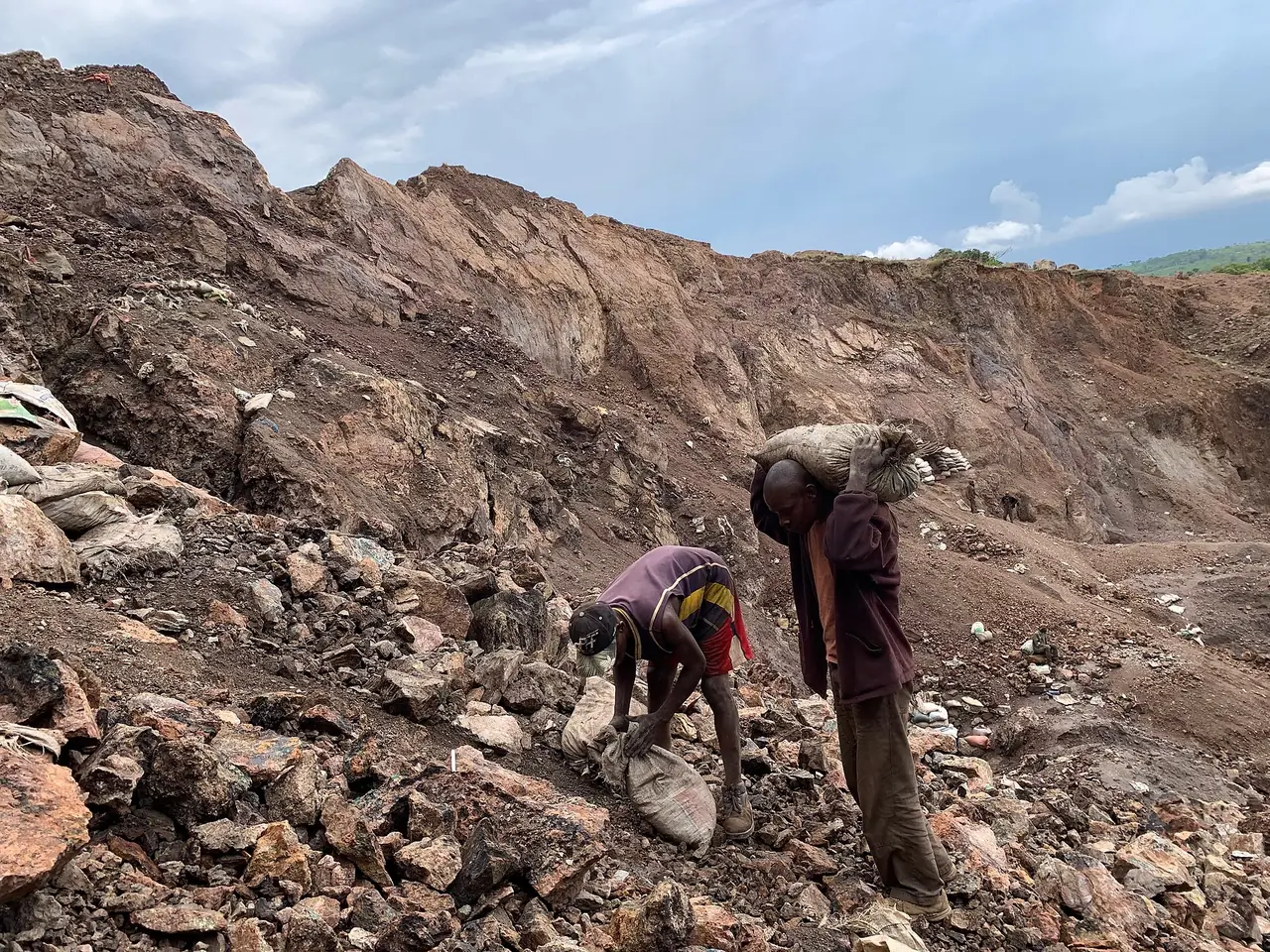
Eastern Congo has coltan, the ore of tantalum, which goes into phones and other electronics. It also has tin and gold. M23 has held the Rubaya mines in Masisi since April 2024. The UN says the Rubaya area supplies more than 15% of the world's tantalum. UN experts estimated in 2024 that the mines produced about 120 tonnes of coltan a month and that M23 earned about $800,000 a month by taxing it. In 2026 they reported that output had grown and that the minerals were smuggled to Rwanda and mixed into its exports. Rwanda rejects the experts' findings. Congo's government says the minerals, not the FDLR, are what Rwanda is really after. President Kagame said in February 2026 that if Rwanda were in Congo for its minerals, it would be much richer than it is. UN experts also say pro-government Wazalendo groups levy illegal taxes in South Kivu and fight each other over the money. They say large amounts of gold from Ituri are smuggled to Uganda. A collapse at Rubaya killed more than 200 people in January 2026.
DR Congo also mined 74.2% of the world's cobalt in 2025 and is the second-largest copper producer. These mines are in the far south, more than 1,000 km from the fighting. On December 4, 2025, the day of the Washington Accords, DR Congo signed a separate deal that gives US companies preferential access to a reserve of mineral assets.
Coltan from Rubaya
Over 120 tonnes
Coltan mined around Rubaya each month
UN experts estimated about 120 tonnes a month in 2024. Satellite images from March 2026 showed more mining, and the experts judged output to be higher.
Is there a peace deal in eastern Congo?
In February 2025 the UN Security Council demanded that M23 stop fighting and withdraw from the areas it held, and that Rwanda's army leave Congo. It also called on Congo's army to stop supporting the FDLR.
There are two peace processes. In the first, the United States brokered a peace agreement that the foreign ministers of DR Congo and Rwanda signed in Washington on June 27, 2025. Presidents Tshisekedi and Kagame signed the Washington Accords with President Trump on December 4, 2025. Under these deals, DR Congo is to neutralize the FDLR, and Rwanda is to lift its "defensive measures." The US says this means Rwanda must withdraw its troops. By October 2026 neither step had happened. The US sanctioned Rwanda's army on March 2, 2026 and its defense ministry on October 28. Rwanda said the sanctions targeted only one party and that Congo had not dealt with the FDLR.
In the second, Qatar mediates between the Congolese government and M23. The two sides signed a framework for peace in Doha on November 15, 2025, with eight protocols still to be agreed. By September 2026 only two had been signed, on ceasefire monitoring and on prisoner exchanges. The talks moved to Switzerland in April 2026 because of the war in the Middle East. In mid-October the FRN said it had taken over the AFC's commitments in the talks. The Congolese government says the FRN is M23 under a new name, and that it is staying in the talks.
Questions about the war in eastern Congo
Who is M23?
M23 is a rebel group led by Congolese Tutsi officers, named after a peace deal of March 23, 2009. It says it protects Congolese Tutsi and other minorities. It took Goma in 2012, was defeated in 2013 and returned in November 2021. Since 2025 it has held Goma, Bukavu and much of North and South Kivu. UN experts say Rwanda commands it, and Rwanda denies backing it. In October 2026 it joined Joseph Kabila's new front, the FRN.
Does Rwanda have troops in Congo?
UN experts estimated that 14,000 to 18,000 Rwandan soldiers were in eastern Congo in December 2025, and they saw no significant withdrawal by April 2026. The United States sanctioned Rwanda's army in March 2026 and its defense ministry in October 2026. Rwanda denies backing M23 and calls its forces "defensive measures" against the FDLR.
Who is Joseph Kabila?
Joseph Kabila was president of DR Congo from 2001 to 2019. On September 30, 2025, a military court in Kinshasa sentenced him to death in absentia for treason and war crimes. He calls the case political. The US sanctioned him in April 2026 for funding the AFC, M23's political alliance. On October 12, 2026 he launched the Front for the Refoundation of the Nation (FRN) in Goma, which includes M23.
What is the FDLR?
The FDLR is a Hutu armed group founded in 2000. Its founders included soldiers and militiamen who fled Rwanda after the 1994 genocide. UN experts estimated it had 3,500 to 4,500 fighters in 2026, and they say it fights alongside Congo's army, although the army banned any cooperation with it in January 2026. Rwanda says the FDLR threatens it. Congo's government says Rwanda uses the group as a pretext and is really after Congo's minerals. Under the Washington deal, DR Congo promised to neutralize it.
How many people have been displaced in eastern Congo?
About 5.8 million people were displaced inside DR Congo in 2026, the European Union's humanitarian office says, most of them in North Kivu, South Kivu, Ituri and Tanganyika. Another 1.18 million Congolese were refugees abroad at the end of 2025 (UNHCR).
Is there an Ebola outbreak in Congo?
Yes. DR Congo declared an outbreak of the Bundibugyo strain of Ebola on May 15, 2026. By October 29, the ECDC counted 10,274 confirmed cases and 4,992 deaths in eight provinces, including North and South Kivu. WHO declared it a global health emergency on May 17. No vaccine is approved for this strain.