Flashpoint · East Asia
The Korean Peninsula
Armistice since July 27, 1953Updated October 31, 2026
North Korea and South Korea fought a war from 1950 to 1953. The fighting stopped with an armistice, and no peace treaty has been signed. North Korea has about 60 nuclear warheads and calls South Korea "the most hostile state." About 28,500 US troops are based in the South. Tensions rose after a mine blast in the demilitarized zone injured three South Korean soldiers on September 21, 2026. North Korea denies laying the mines. On October 29 it fired about 10 short-range missiles.
- Armistice
- July 27, 1953
- no peace treaty since
- Nuclear warheads
- ~60
- FAS estimate, 2026
- NK troops
- 1.28 million
- the world's fourth-largest army
- US troops in SK
- 28,500
- at Camp Humphreys and other bases
- NK troops in Russia
- ~9,500
- Ukrainian estimate, August 2026
Who backs whom on the Korean Peninsula?
The two sides, and the countries allied with each since the Korean War.
 United StatesTreaty ally since 1953; about 28,500 troops. Trump wants a new summit with Kim and scaled back joint drills in August 2026
 JapanShares real-time missile warning data with South Korea and the US; leaders have met regularly since October 2025
South
 Republic of Korea
Led by President Lee Jae-myung since June 2025. The world's 13th-largest economy, with 450,000 active troops. Lee has offered talks, most recently military talks on October 23, 2026. North Korea has not agreed to any.
North
 Democratic People's Republic of Korea
Led by Kim Jong Un since 2011. Has about 60 nuclear warheads and the world's fourth-largest army. North Korea says its nuclear weapons protect it from the United States. In March 2026 Kim called South Korea "the most hostile state."
 ChinaTreaty ally since 1961; accounts for 98% of North Korea's recorded trade
 RussiaMutual defense treaty in force since December 2024; North Korean troops helped Russia retake Kursk
Where are the flashpoints on the Korean Peninsula?
The border, the nuclear sites and the places where incidents happen.
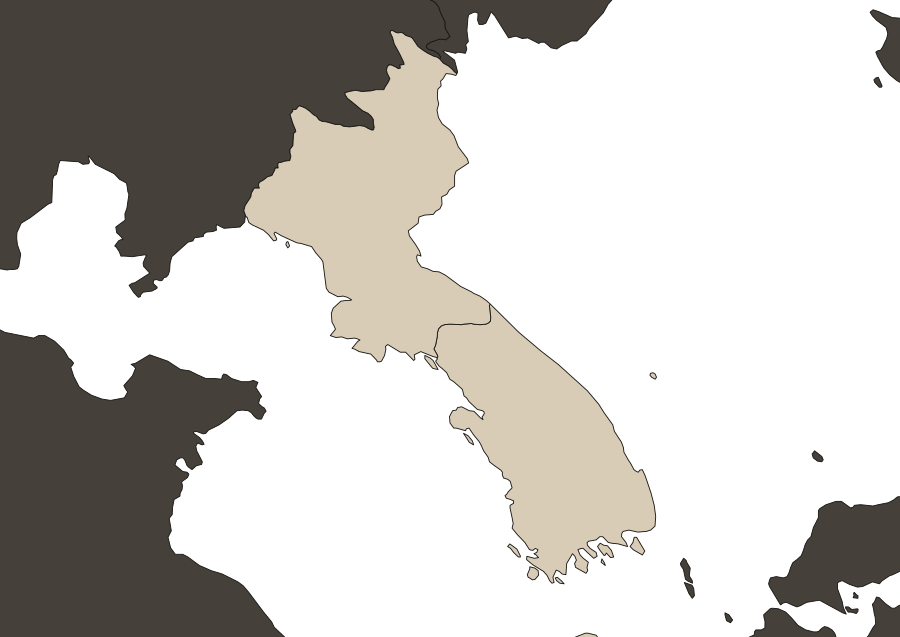
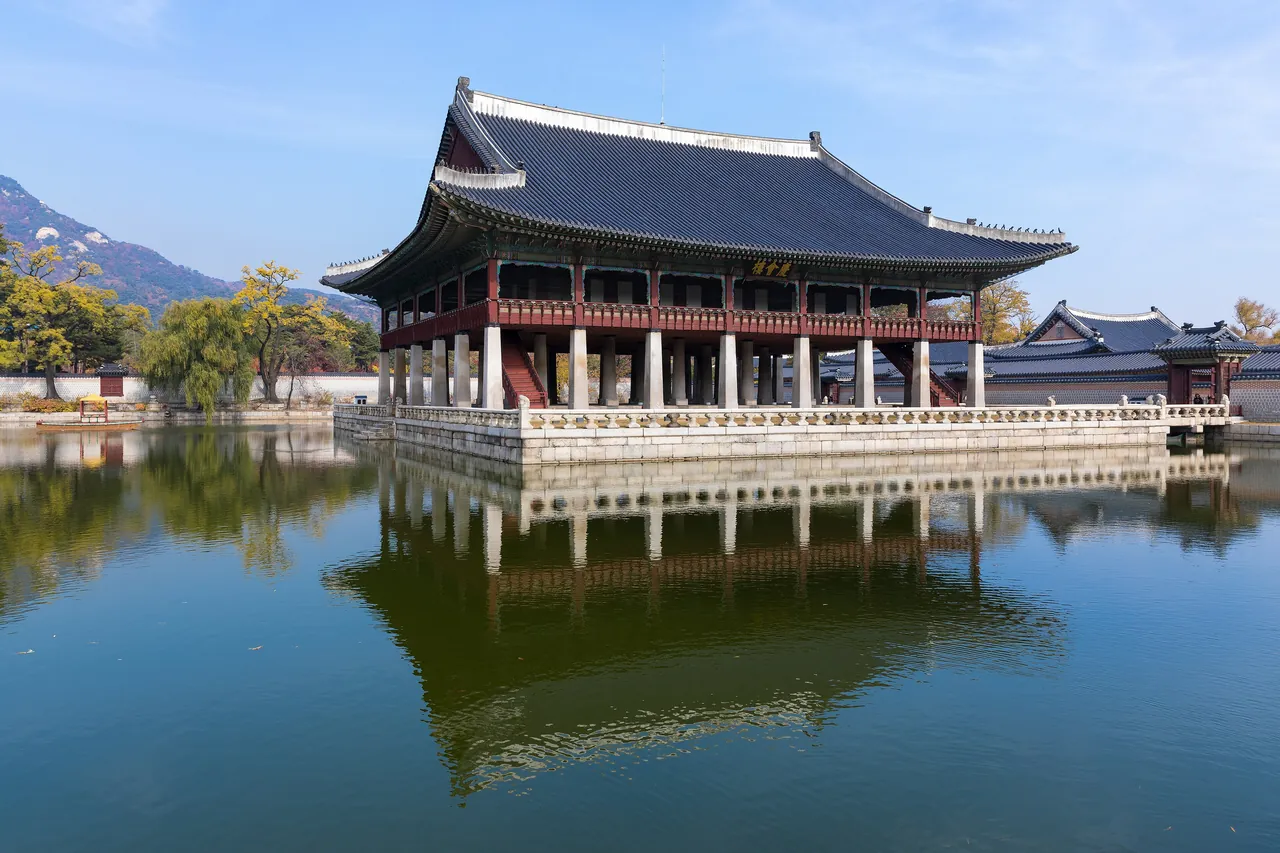
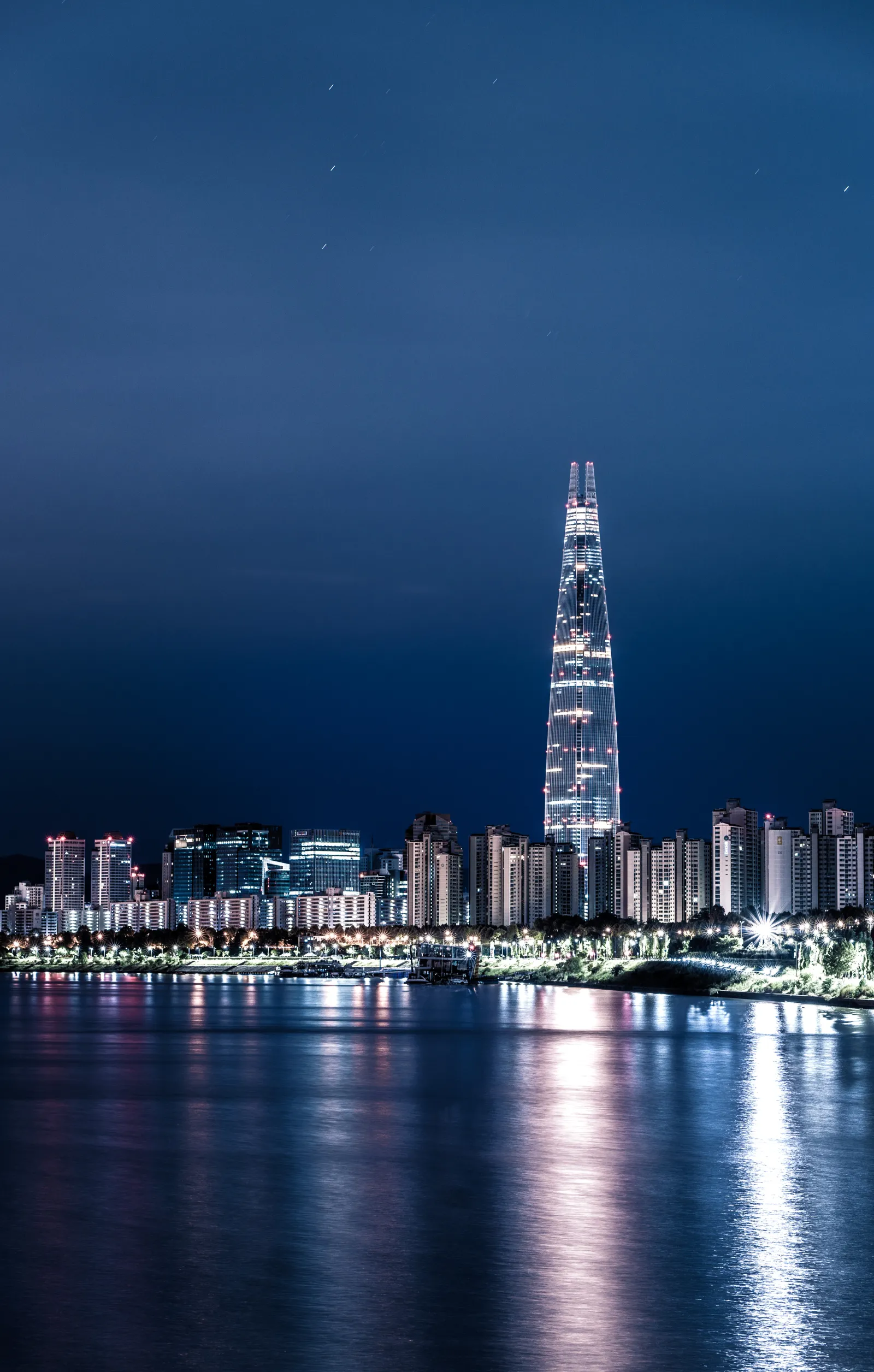
- SeoulSouth KoreaSouth Korea's capital, about 50 km from the border. About 9.3 million people live in the city and about 26 million in the wider capital region.
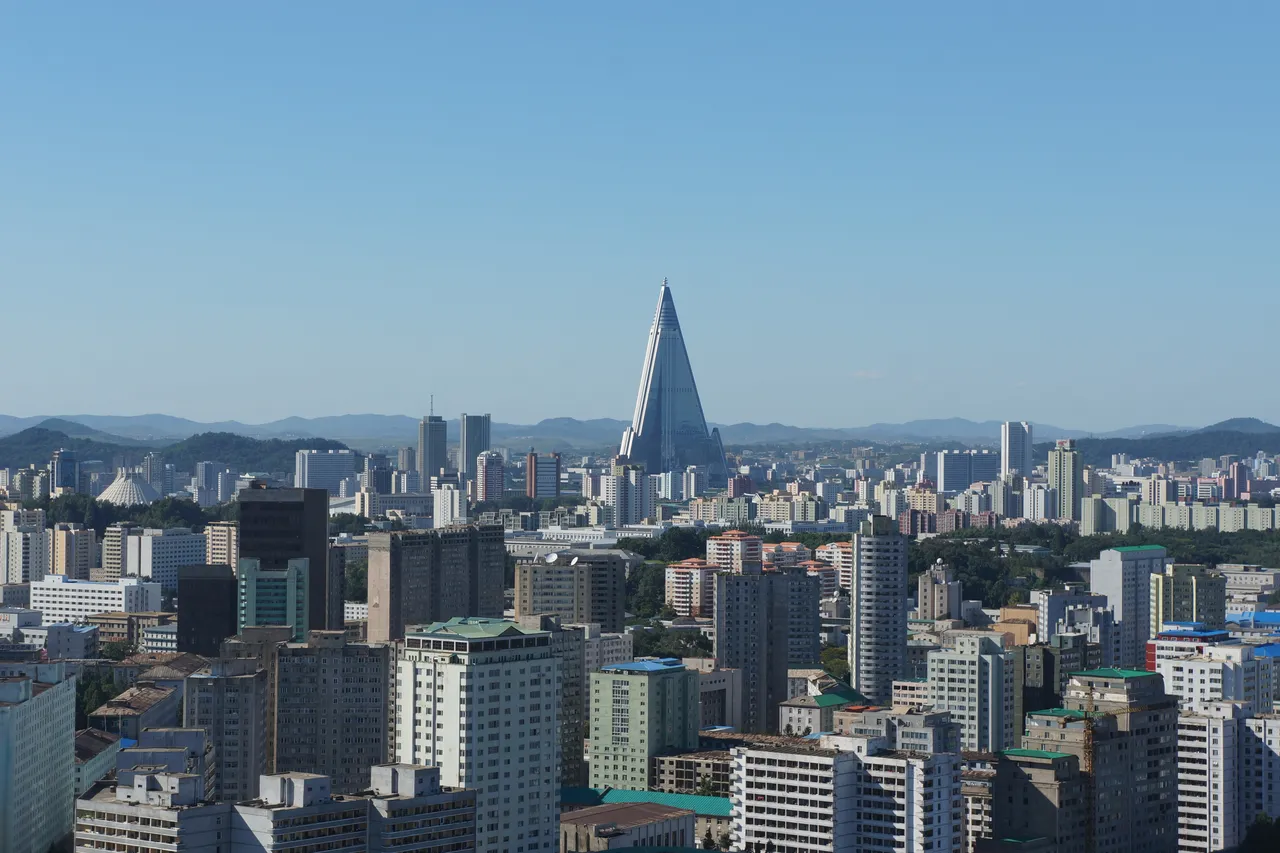
- PyongyangNorth KoreaNorth Korea's capital. The Workers' Party re-elected Kim Jong Un as its General Secretary at its Ninth Congress in February 2026.
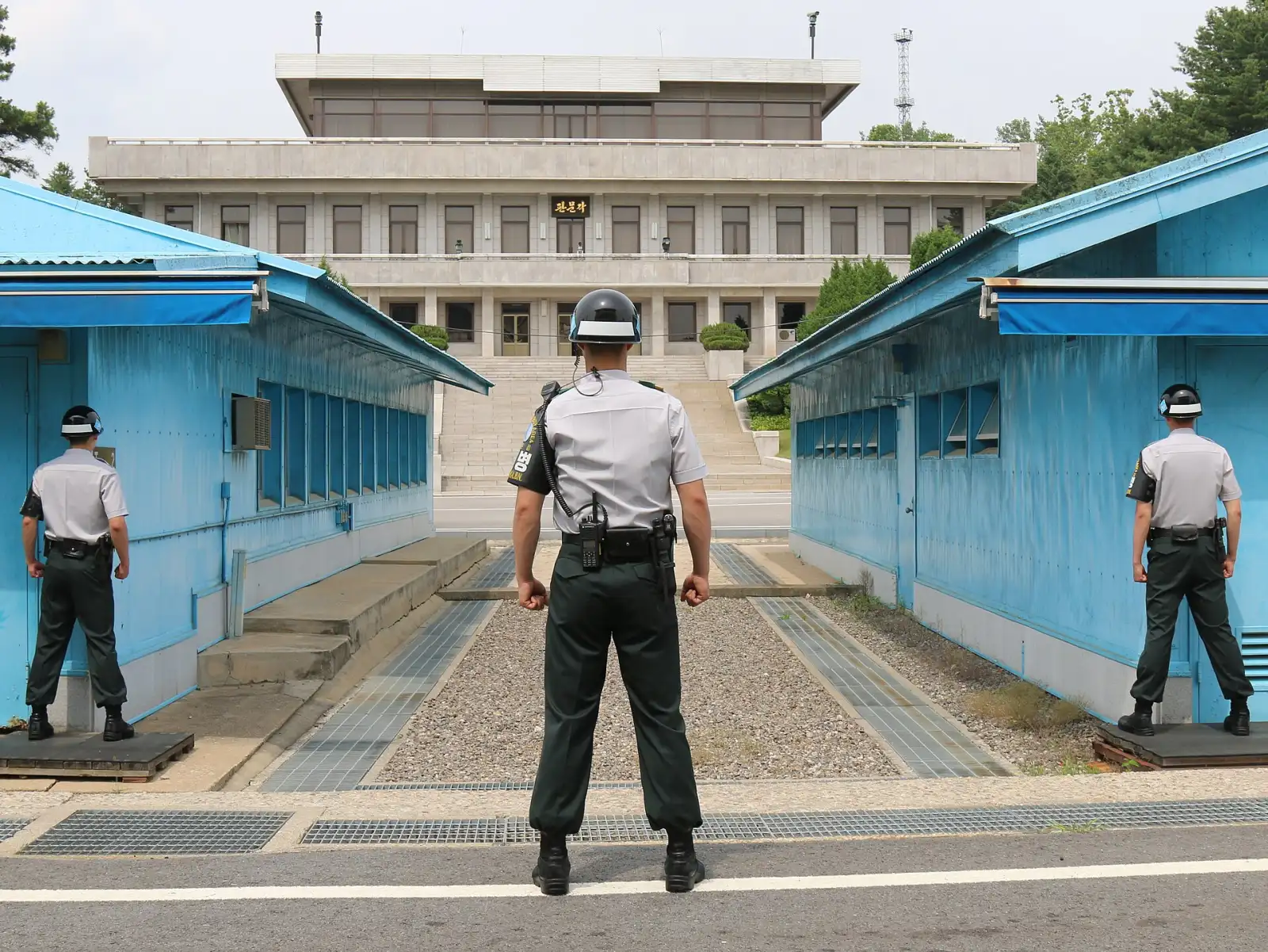
- PanmunjomContestedTruce village in the DMZ where the 1953 armistice was signed, and where Trump stepped into North Korea on June 30, 2019. The UN Command, which oversees the armistice, ruled on September 30, 2026 that a North Korean mine found in the DMZ violated the armistice.
- YongbyonNorth KoreaNorth Korea's main nuclear complex. The IAEA said in September 2026 that North Korea has built a second uranium enrichment plant there.
- WonsanNorth KoreaEast-coast city near the launch sites of an intermediate-range missile on October 3, 2026 and about 10 short-range missiles on October 29.
- YeonpyeongSouth KoreaSouth Korean island near the Northern Limit Line, the sea border drawn by the UN Command in 1953, which North Korea does not recognize. North Korea shelled the island in November 2010, killing two marines and two civilians.
- Camp HumphreysSouth KoreaThe largest US Army base in Asia. Headquarters of US Forces Korea, about 65 km south of Seoul.
Why is Korea divided into North and South?
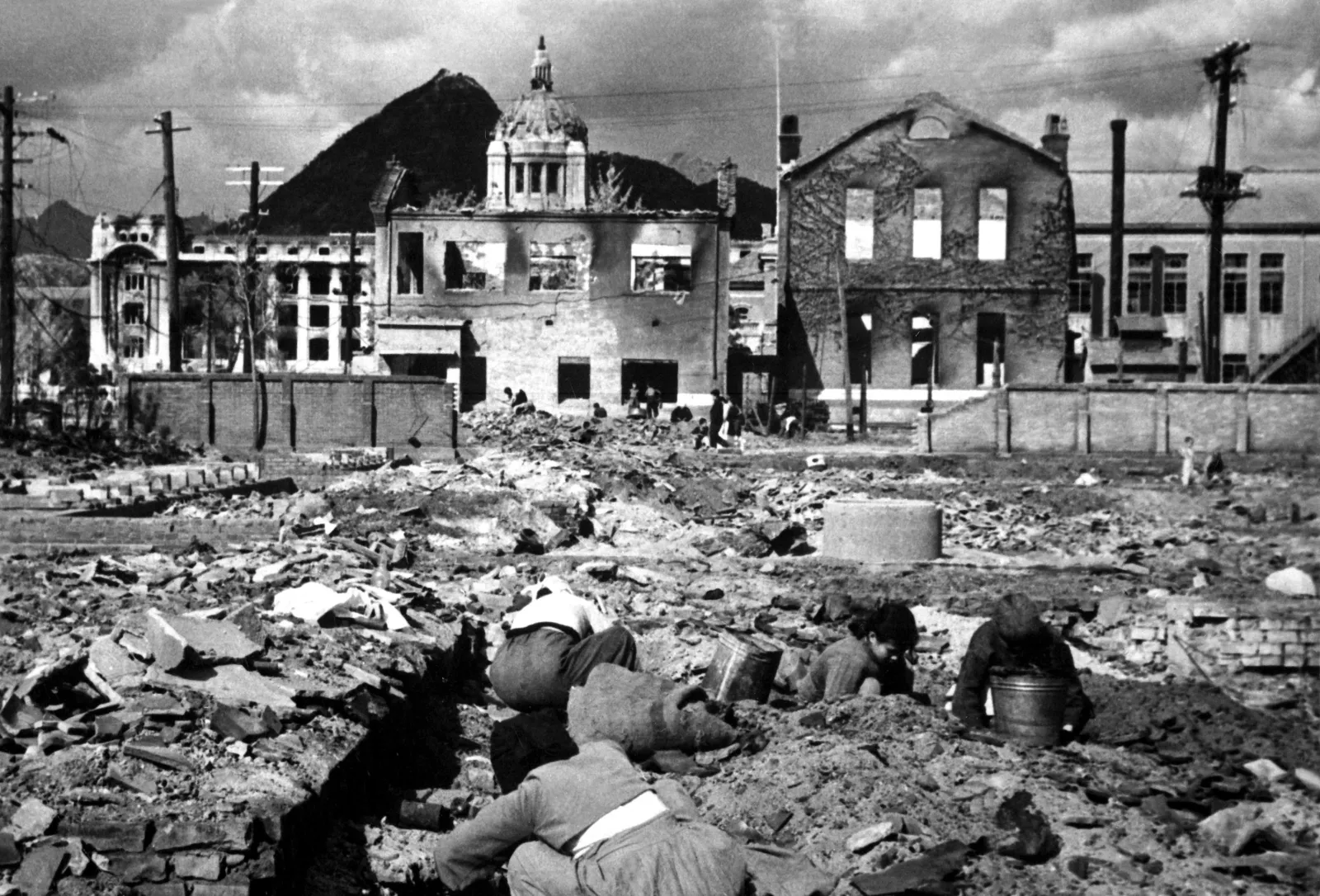
Japan ruled Korea from 1910 to 1945. When Japan surrendered, the Soviet Union occupied the north and the United States the south. The two halves became separate states in 1948. North Korea invaded the south on June 25, 1950. China sent troops to fight for the north, and the United States led a UN force for the south. About 3 million people died. An armistice stopped the fighting on July 27, 1953, but no peace treaty followed.
The border, the Military Demarcation Line, runs close to the 38th parallel through a demilitarized zone (DMZ) about 4 km wide. For decades both governments said they wanted reunification. North Korea dropped that goal in December 2023 and January 2024, when Kim Jong Un told a party meeting and then parliament that South Korea was a separate, hostile state. In March 2026 he told parliament that North Korea would treat South Korea as "the most hostile state." South Korea's President Lee Jae-myung has offered talks, but North Korea has not agreed to any.
How the Korean Peninsula reached this point
- 1910Japan annexes Korea.
- 1945Japan surrenders. The peninsula is divided at the 38th parallel.
- 1948North Korea and South Korea become separate states.
- 1950-53The Korean War kills about 3 million people.
- 1953An armistice halts the fighting. No peace treaty is signed.
- 1994North Korea's first nuclear crisis; the Agreed Framework freezes its plutonium program.
- 2006North Korea tests its first nuclear weapon.
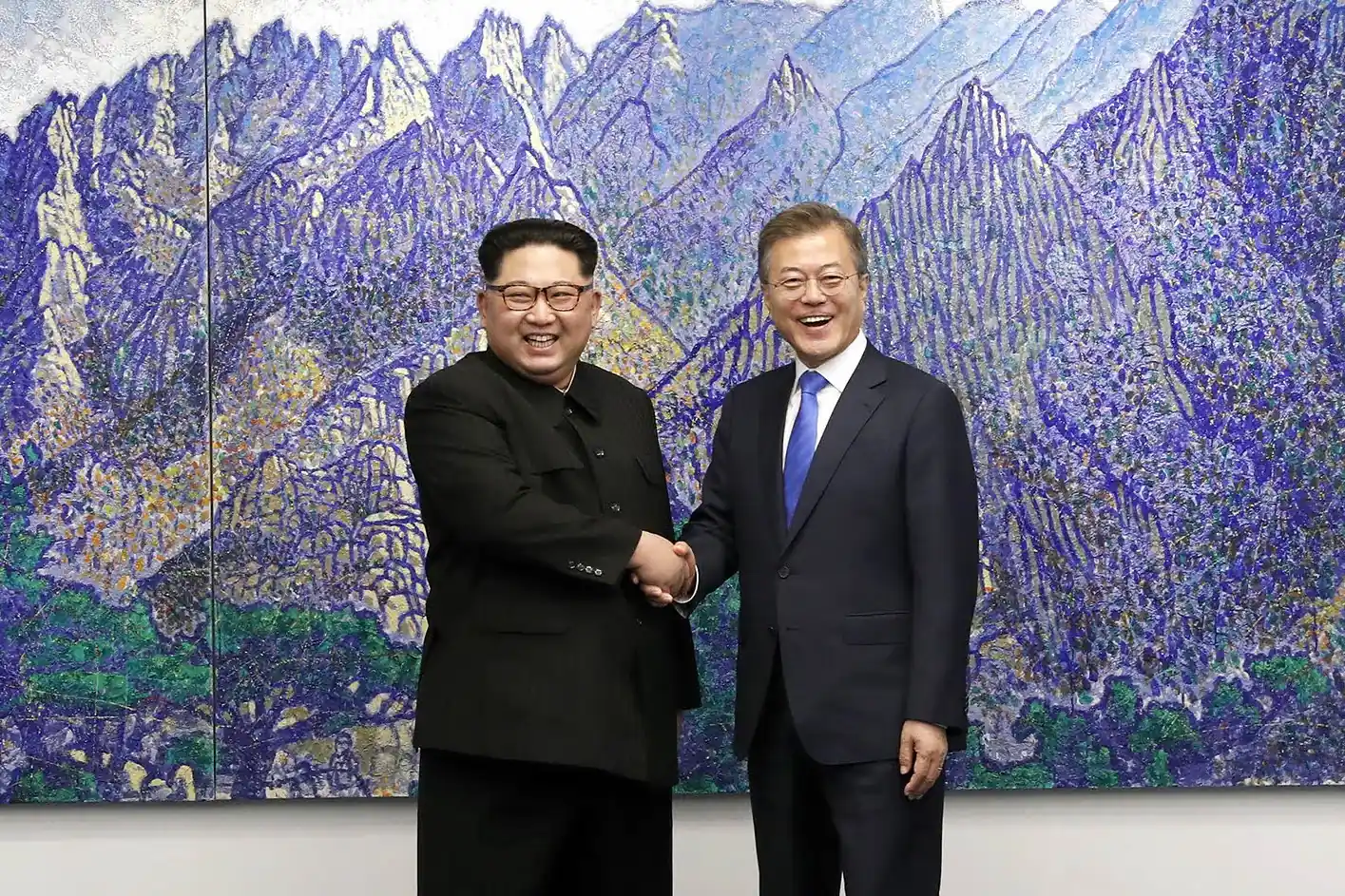
- 2018Three summits between Moon Jae-in and Kim Jong Un.
- 2019Trump steps into North Korea at Panmunjom.
- 2024Kim declares reunification impossible. Russia and North Korea sign a defense treaty.
- 2026Kim calls South Korea "the most hostile state." A mine blast in the DMZ injures three South Korean soldiers. North Korea denies laying the mines.
Does North Korea have nuclear weapons?
North Korea has about 60 assembled nuclear warheads, and enough fissile material for at least 90, by the estimates of the Federation of American Scientists (FAS). South Korea's defense minister put the number higher in August 2026, at 80 to 120. North Korea tested six nuclear devices at Punggye-ri between 2006 and 2017. The 2017 test, which North Korea called a hydrogen bomb, had an estimated yield of about 250 kilotons. The IAEA said in September 2026 that North Korea has built a second uranium enrichment plant at Yongbyon.
North Korea has tested missiles with the range to reach the continental United States. The Hwasong-18, a solid-fuel missile first tested in 2023, is estimated to fly about 15,000 km. North Korea last tested a long-range missile, the Hwasong-19, in October 2024. It showed a larger one, the Hwasong-20, at a parade in October 2025 but has not flight-tested it. In 2026 North Korea has fired ballistic missiles more than ten times. A 2022 law allows North Korea to use nuclear weapons first if it judges an attack on its leadership to be imminent.
Nuclear warheads
~60
Assembled warheads (FAS estimate)
North Korea has enough fissile material for at least 90. South Korea's defense minister put the number at 80 to 120.
What is happening at the DMZ in 2026?
On September 21, 2026 two mine blasts in the western part of the DMZ injured three South Korean soldiers who were clearing a patrol route. A joint investigation by South Korea's military and the UN Command found that North Korea had laid the mines south of the Military Demarcation Line about a year earlier. The UN Command ruled on September 30 that the armistice had been violated. South Korea demanded an apology. Kim Yo Jong, Kim Jong Un's sister, called the findings a "conspiratorial farce." On October 26 North Korea's UN ambassador wrote to the Security Council accusing South Korea of fabricating the blast.
North Korea has fortified its side of the border since April 2024 with fences, mines and anti-tank barriers. In August 2026 South Korean troops fired warning shots after North Korean soldiers briefly crossed the Military Demarcation Line on the eastern front. In 2024 North Korea sent thousands of balloons carrying trash into South Korea. North Korea said the balloons answered leaflets that activists in the South sent north.
On October 23 South Korea proposed military talks about the border line. On October 29 North Korea fired about 10 short-range ballistic missiles into the sea, by the count of South Korea's Joint Chiefs of Staff.
DMZ
250 km
Length of the demilitarized zone
The DMZ is about 4 km wide and has divided the two Koreas since the armistice of July 1953.
Are North Korean troops fighting for Russia?
South Korea's intelligence service estimates that North Korea has sent at least 16,000 soldiers and engineers to Russia since October 2024. They fought mainly in Russia's Kursk region, which Ukraine entered in August 2024. Russia said in April 2025 that it had retaken the region. About 9,500 North Korean troops were still in Kursk in August 2026, according to Ukraine's military intelligence, and they were not directly involved in fighting Ukraine. South Korea's intelligence service estimates that about 2,000 have been killed.
North Korea confirmed the deployment in April 2025. State media said its forces "participated in the operations for liberating the Kursk areas." On April 26, 2026 Kim Jong Un and the speaker of Russia's Duma, Vyacheslav Volodin, unveiled a monument to the troops in Pyongyang.
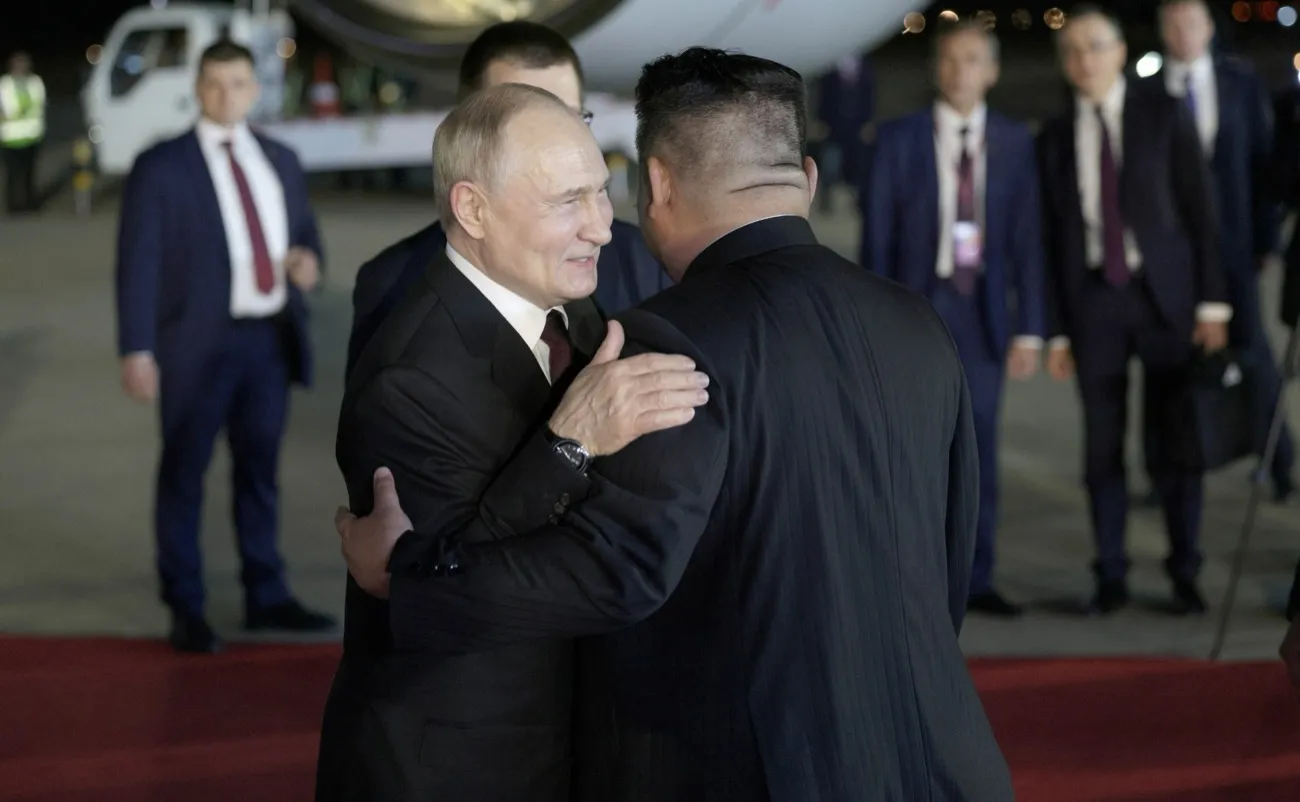
Russia and North Korea signed a mutual defense treaty in Pyongyang on June 19, 2024. In 2024 North Korea sent Russia about 9 million artillery and rocket rounds and more than 100 ballistic missiles, according to the Multilateral Sanctions Monitoring Team set up by 11 countries. Russia supplied North Korea with more than 1 million barrels of oil in 2024, above the UN cap of 500,000 barrels a year.
Troops in Russia
~9,500
North Korean soldiers in Russia's Kursk region
South Korea estimates that at least 16,000 have been sent since October 2024.
Could North and South Korea go to war?
Three things make the Korean Peninsula one of the most dangerous places in the world. First, North Korea has nuclear weapons and missiles that can reach South Korea and Japan, and it has tested missiles with the range to reach the United States. Second, about 26 million people live in the Seoul capital region, within range of some of North Korea's 14,300 guns and rocket launchers. Third, the United States has a treaty obligation to defend South Korea, and about 28,500 American troops are based there.
North Korea says the yearly US-South Korean exercises are rehearsals for an invasion. The United States and South Korea say the exercises are defensive. In August 2026 Trump ordered the summer exercise scaled back, and the allies cut it by about half.
The risk of an accident is high. North Korea has not answered the inter-Korean liaison and military hotlines since April 2023. In November 2025 President Lee warned that "accidental clashes could break out at any time." He said that with all communication channels cut, there would be no way to resolve a clash.
Questions about the Korean Peninsula
Is North Korea still at war with South Korea?
Technically, yes. The fighting stopped with an armistice on July 27, 1953, and no peace treaty has been signed. The armistice still governs the border.
How many nuclear weapons does North Korea have?
About 60 assembled warheads, with enough material for at least 90, according to the Federation of American Scientists. South Korea's defense minister put the number at 80 to 120 in August 2026.
How many North Korean troops are in Russia?
About 9,500 were in Russia's Kursk region in August 2026, according to Ukraine's military intelligence. South Korea estimates that at least 16,000 have been sent since October 2024. North Korea confirmed the deployment in April 2025.
Does the US have troops in South Korea?
About 28,500, mostly at Camp Humphreys south of Seoul. The US has been a treaty ally of South Korea since 1953.
Will Trump meet Kim Jong Un?
Trump said in August 2026 that he would meet Kim later in the year. On October 19 he said he did not know whether they would meet around the APEC summit in Shenzhen, China, on November 18-19. Kim Yo Jong, Kim's sister, denied that Kim had answered Trump's request for talks. No meeting has been announced.
Could North Korea attack Seoul?
North Korea has about 14,300 guns and rocket launchers, though only a few hundred can reach Seoul from where they are based. It also has nuclear weapons and short-range missiles that could hit the city.