
Country profile · South America
 Bolivia
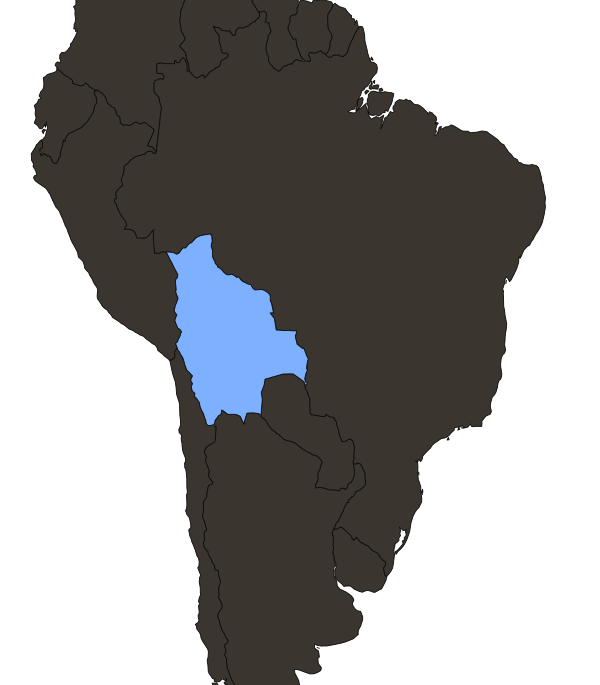
Bolivia is a landlocked country in the Andes with 11.4 million people (2024 census). It lost its coast to Chile in the War of the Pacific. President Rodrigo Paz took office in November 2025, ending almost 20 years of rule by the Movement for Socialism. He inherited a shortage of dollars and fuel, and in October 2026 the IMF approved a $1.9 billion loan.
Where Bolivia ranks
All rankings →Which alliances is Bolivia in?
All alliances →Who runs Bolivia?
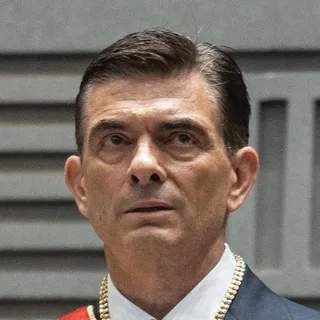
President Rodrigo Paz Pereira was born on September 22, 1967 in Santiago de Compostela, Spain, while his family lived abroad, partly in political exile. His father, Jaime Paz Zamora, was president from 1989 to 1993. Paz served as a deputy, mayor of Tarija from 2015 and senator from 2020. He ran for the Christian Democratic Party. In the first round on August 17, 2025 he won 32.06%. The candidate of the MAS, the party of Evo Morales, got 3.17%. Paz won the runoff on October 19 with 54.96% and took office on November 8, 2025. His party holds 49 of 130 seats in the lower house (chart). His main coalition partner, Samuel Doria Medina's Unidad, left the government in July 2026. Vice President Edmand Lara has turned against him. Protests and road blockades in May and June 2026 left 22 dead. Paz's approval fell from 65% in November 2025 to 21% in September 2026 (Ipsos, main cities).
- Christian Democratic Party (PDC) 49
- Libre (Jorge Quiroga) 39
- Unidad (Samuel Doria Medina) 26
- Alianza Popular 8
- Others, including the MAS (2) 8
Photo (November 2025): Presidency of Chile, Wikimedia Commons, CC BY 3.0 CL (cropped)
Who are Bolivia's allies and rivals?
President Rodrigo Paz turned Bolivia toward the United States. Evo Morales expelled the US ambassador and the Drug Enforcement Administration in 2008. In November 2025 the two governments agreed to exchange ambassadors, but by October 2026 they had not done so. Drug cooperation has restarted, and the US backed Bolivia's IMF loan. Bolivia also restored relations with Israel in December 2025 and ended a 2023 defense agreement with Iran. Argentina's President Javier Milei backs Paz. Brazil is Bolivia's second-largest trade partner and the main buyer of its gas. Chile took Bolivia's coast in the War of the Pacific, and the two have had no ambassadors since 1978. In 2018 the International Court of Justice ruled that Chile has no duty to negotiate sea access. On October 16, 2026 Chile's President José Antonio Kast made the first state visit to Bolivia by a Chilean president since 1955. They signed deals on trade, mining and electricity but did not restore ambassadors. Bolivia became a BRICS partner country in January 2025.
Allies and partners
 United StatesAgreed in 2025 to exchange ambassadors again
 BrazilSecond-largest trade partner; buys Bolivia's gas
 ArgentinaPresident Milei backs Paz
 PeruNeighbor offering Pacific port access
Tensions
 ChileHolds Bolivia's former coast; no ambassadors since 1978
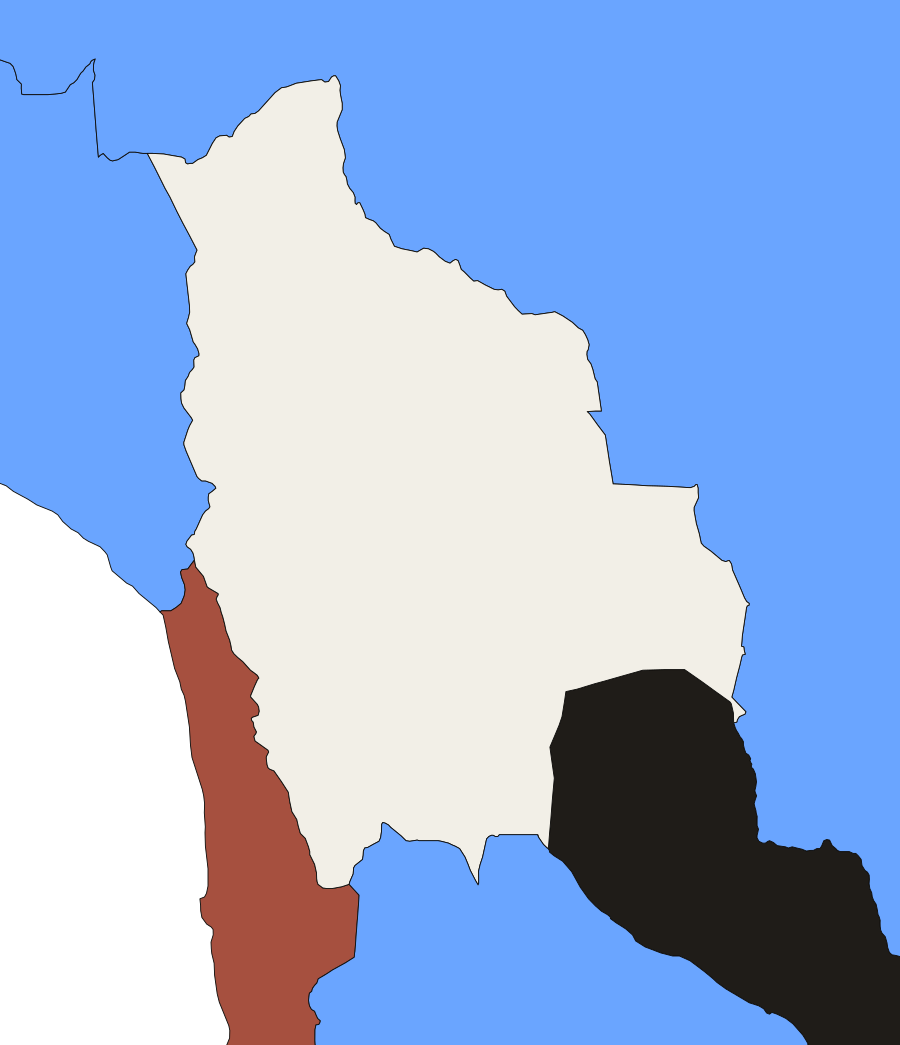
- Antofagasta Bolivia's coast until the War of the Pacific (1879 to 1884). Chile has held it since.
- Silala River flowing from Bolivia into Chile. The International Court of Justice ruled on the dispute in December 2022.
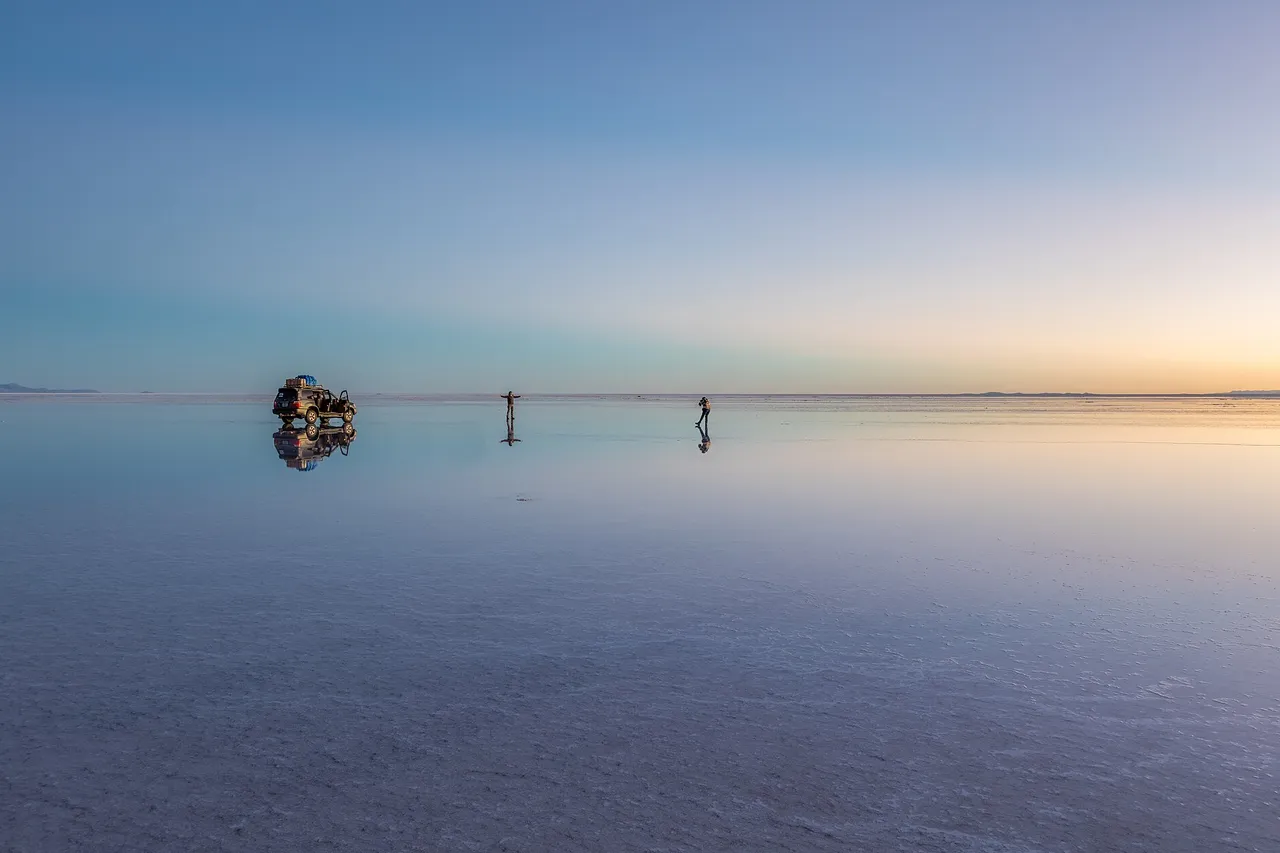
- Uyuni salt flat The world's largest salt flat, about 10,000 sq km, holding much of Bolivia's lithium.
- Chapare Coca-growing region where Evo Morales lives, guarded by supporters, despite two arrest warrants.
- Bolivia
- Partner
- Tensions
Who does Bolivia trade with?
Bolivia exported goods worth $9.66 billion in 2025 and imported $10.03 billion (INE), its third trade deficit in a row. Minerals lead exports: silver ore ($1.73 billion), zinc ($1.42 billion) and gold ($1.19 billion), followed by natural gas ($1.08 billion) and soy products ($1.02 billion). China is the largest partner, buying 19.1% of exports and supplying 24.1% of imports (chart). Brazil is second both ways. India buys mostly gold. Gas used to be the largest export. It earned $6.0 billion in 2014 but only $1.08 billion in 2025, after the fields ran down and Argentina's contract ended in September 2024. Fuel cost $2.99 billion in 2025, about 30% of imports. Bolivia buys about 95% of its diesel abroad. Bolivia is also the world's third-largest grower of coca, with 36,400 hectares in 2025 (UNODC), far above the legal limit of 22,000.


Why did Bolivia run out of dollars?
Gas exports paid for the boom years under Evo Morales. Production fell by more than half after 2014, because the old fields ran down and few new ones were found. The government kept the boliviano fixed at 6.96 to the dollar from 2011 and sold imported fuel cheaply. Reserves fell from $15.1 billion in 2014. From 2023 the central bank sold or pledged much of its gold to raise dollars: about 57 tonnes from 2023 to 2025. By December 2025 only $75 million of the $3.28 billion in reserves was in foreign currency (chart). Inflation reached 20.4% in 2025, the highest since 1988. President Rodrigo Paz raised fuel prices in December 2025, let the boliviano float on June 29, 2026, and ended the diesel subsidy on September 18, 2026. On October 2, 2026 the IMF approved a $1.9 billion loan, Bolivia's first IMF program since 2006. Inflation fell to 5.7% over 12 months in September, but the IMF expects the economy to shrink by 3% in 2026.
Gold as a share of reserves, 2026
Full ranking →- Bolivia91.5%
 Uzbekistan87.1%
- United States81.3%
 Germany80.8%
 France78.6%
 Italy77.0%
 Turkey61.0%
 Russia42.6%
IMF International Liquidity, September 2026
Why does Bolivia produce so little lithium?
Bolivia has about 23 million tonnes of lithium resources, the second-largest after Argentina (USGS, 2026), much of it in the brine under the Uyuni salt flat. Yet it produces almost none. Under Morales the state took control of lithium in 2008. A 2017 law reserves basic lithium chemistry to the state company YLB. YLB's plant on the salt flat can make 15,000 tonnes of lithium carbonate a year, but it made 2,462 tonnes in 2025, partly because it could not get enough brine. Neighboring Chile produced about 56,000 tonnes of lithium in 2025. In 2024 the government of Luis Arce signed contracts with CBC, a group led by China's CATL ($1.03 billion), and with Uranium One, part of Russia's Rosatom (about $970 million). The legislature never voted on them, and they are frozen while the Constitutional Court hears a complaint from local communities. President Rodrigo Paz says the contracts must be made transparent. A new lithium law has not yet gone to the legislature.