
Country profile · South America
 Chile
Chile
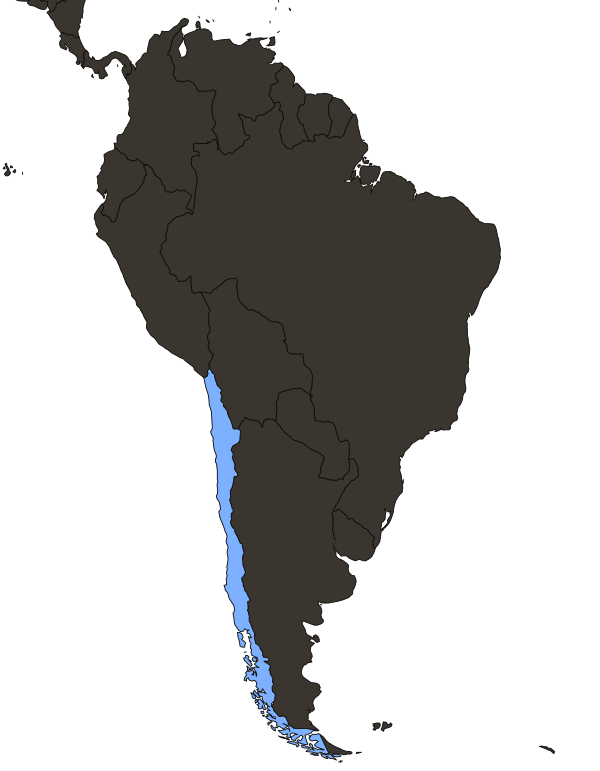
Chile has about 20 million people. President José Antonio Kast won the December 2025 runoff with 58.2% of the vote on a promise to fight crime and illegal migration. Chile mines about 23% of the world's copper, more than any other country, and has the largest copper and lithium reserves. China buys more than a third of its exports.
Where Chile ranks
All rankings →Resources Chile leads in
All resources →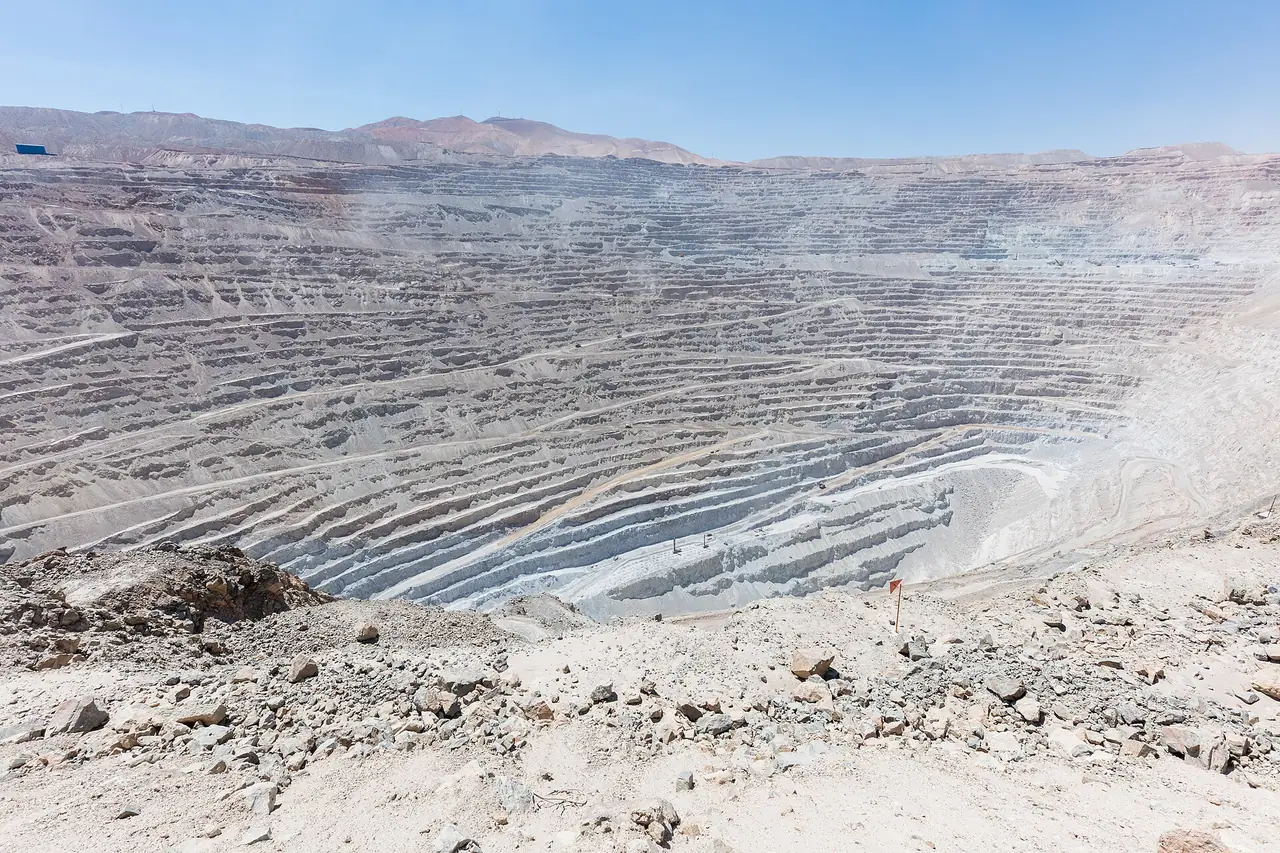
Who runs Chile?
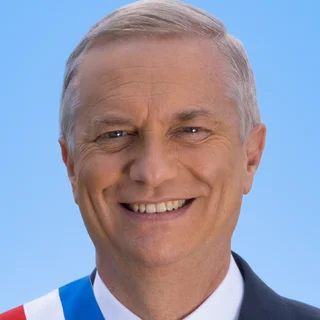
President José Antonio Kast was born on January 18, 1966, in Santiago, to German immigrants from Bavaria. He and his wife María Pía Adriasola have nine children. His older brother Miguel Kast was one of the "Chicago Boys", the economists who ran economic policy under the dictator Augusto Pinochet. At 22, José Antonio Kast appeared in the 1988 TV campaign to keep Pinochet in power. He founded the Republican Party in 2019. On December 14, 2025, he beat the Communist candidate Jeannette Jara by 58.2% to 41.8% and won all 16 regions. He took office on March 11, 2026, for four years. His allies on the right hold 76 of the 155 seats in the Chamber of Deputies, two short of a majority (chart). By October 2026 his approval had fallen to 32% (Cadem poll). Chile still uses the 1980 constitution written under Pinochet, because voters rejected new drafts in 2022 and 2023.
- The right: Republicans (31), UDI (18), National Renewal (13) and smaller allies (14) 76
- The left: Unidad por Chile (61) and others (3) 64
- Partido de la Gente (14) and one independent 15
Official portrait (2026): Government of Chile, Wikimedia Commons, CC BY 3.0 CL (cropped)
Who are Chile's allies and rivals?
Chile has no military ally. It has free-trade deals with the United States, China and the European Union, and China is its biggest trading partner. In 1970 Chile became the first South American country to recognize the People's Republic of China. Chile is also the only Latin American country whose citizens can visit the United States without a visa. On September 22, 2026, it joined the "Shield of the Americas", President Trump's pact against drug cartels. Chile and Argentina share a 5,308 km border, the third-longest in the world. They nearly went to war in 1978 over islands in the Beagle Channel and signed a peace treaty in 1984. Bolivia lost its coast to Chile in the War of the Pacific (1879 to 1884), and the two countries have had no ambassadors since 1978. On October 16, 2026, President Kast made the first visit to Bolivia by a Chilean president in 71 years.
Allies and partners
 ChinaBiggest trade partner; trade deal since 2006
 United StatesJoined Trump's anti-cartel pact, September 2026
 Argentina5,308 km border; peace treaty in 1984
 PeruSea border set by the UN's top court in 2014
- European UnionTrade deal in force since February 2025
Tensions
 BoliviaNo ambassadors since 1978; wants its coast back
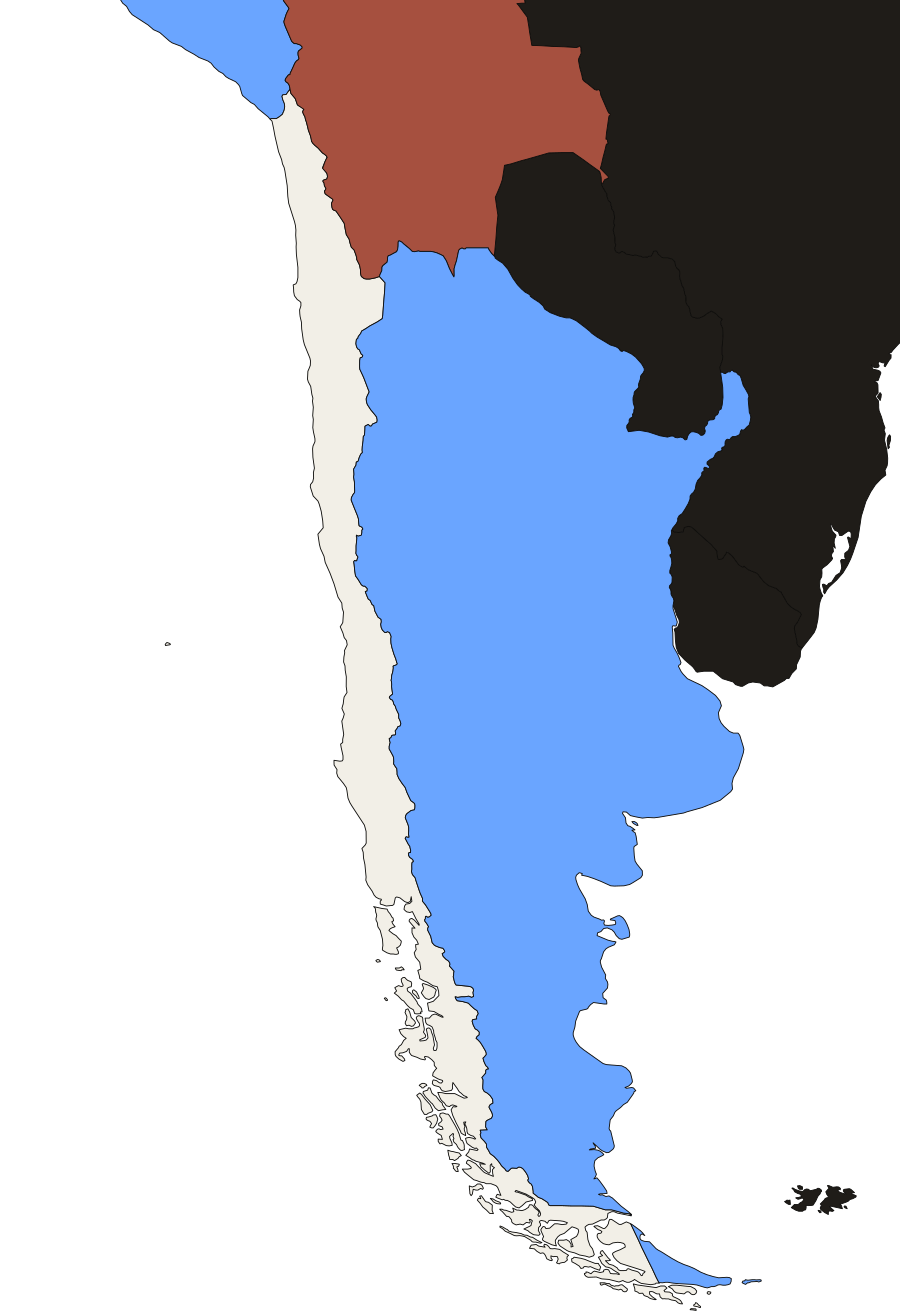
- Colchane Main crossing for migrants coming from Bolivia. Since March 2026 the government has dug a trench 3 meters deep along this border.
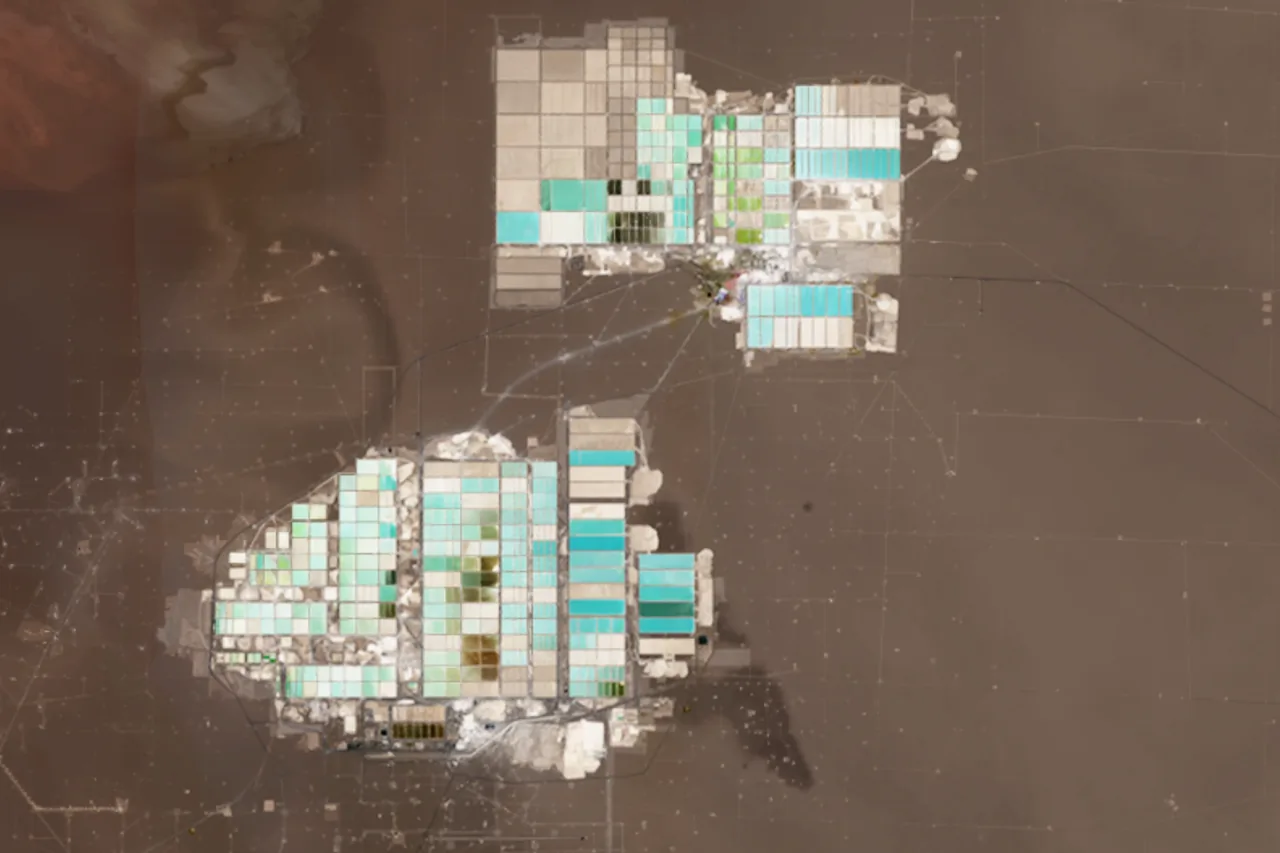
- Salar de Atacama Salt flat where SQM produces lithium. Since the end of 2025 it has run the business jointly with the state company Codelco.
- El Teniente Underground copper mine of the state company Codelco. A collapse killed six workers on July 31, 2025.
- Strait of Magellan Chilean waters linking the Atlantic and Pacific. An Argentine air force chief called it Argentine in August 2026.
- Chile
- Partner
- Tensions
Who does Chile trade with?
In 2025 Chile exported a record $107.0 billion of goods (Central Bank of Chile). China bought 36.8% of them, the United States 16.1% and Japan 8.1% (chart). Copper alone earned $55.2 billion, about half of all exports. China bought about two-thirds of Chile's copper concentrate, and the United States bought 42% of its refined copper. Fruit earned $8.6 billion, and $3.4 billion of that came from cherries, almost all of them sold to China. Salmon was the second-biggest export, worth $6.6 billion. Chile imports almost all of its oil and gas, mostly from the United States and Argentina. Since July 24, 2026, the United States has charged a 12.5% tariff on Chilean salmon, fruit and wine, while copper and lithium are exempt. The economy grew 2.5% in 2025, but the IMF expects growth of only 0.6% in 2026. Unemployment reached 9.6% in the three months to August 2026, the highest since 2021.
Sells to
Share of Chile's exports
- China36.8%
- United States16.1%
 Japan8.1%
 South Korea4.7%
 Brazil4.4%
Buys from
Share of Chile's imports
- China28.5%
- United States17.8%
- Brazil8.4%
- Argentina7.4%
 Germany3.2%
Goods, 2025. UN Comtrade, as reported by Chile.
How much of the world's copper comes from Chile?
Chile mined about 5.3 million tonnes of copper in 2025, 23% of the world's output and more than any other country (chart). It also has the largest copper reserves, about 18% of the world total (USGS). Escondida in the Atacama Desert, owned mostly by the mining company BHP, is usually called the world's largest copper mine. On July 11, 1971, under President Salvador Allende, Congress voted unanimously to nationalize the big foreign-owned copper mines. The state company Codelco produced 1.33 million tonnes in 2025, and in October 2026 it faced an investigation into whether it had overstated its output. Chile also mined 19.3% of the world's lithium in 2025, third after Australia and China, and has about a quarter of the world's lithium reserves. Under a deal that began at the end of 2025, Codelco owns half plus one share of SQM's lithium business in the Salar de Atacama and takes over running it in 2031.
Share of world copper mine output, 2025
Full ranking →- Chile23.0%
 DR Congo13.9%
- Peru11.7%
- China7.8%
 Russia5.7%
- United States4.3%
 Australia3.2%
US Geological Survey, Mineral Commodity Summaries, 2026
Why did crime and migration decide Chile's election?
Crime was the main issue of the 2025 election. In a 2025 survey, 60% of Chileans named crime as the problem the government should tackle first (CEP). The murder rate rose from 4.5 per 100,000 people in 2018 to 6.8 in 2022, then fell to 5.4 in 2025. Many voters linked crime to migration. The 2024 census counted 1.6 million people born abroad, 8.8% of the population. Venezuelans were the largest group, and UNHCR counts about 662,000 of them as people in need of international protection, a high share for the Americas (chart). In February 2024 Ronald Ojeda, a Venezuelan former army officer who opposed Nicolás Maduro, was kidnapped in Santiago and killed. A member of the Venezuelan gang Tren de Aragua was sentenced to 20 years for the crime in October 2026. President Kast sent troops to the northern border in March 2026, and from January to early October 2026 Chile expelled 1,874 foreigners.
Refugees and others in need of protection per 1,000 people, the Americas, end of 2025
Full ranking → Colombia52.6
- Chile33.5
- Peru32.0
 Ecuador25.1
 Panama13.1
 Canada10.4
- Brazil3.9
- United States1.3
UNHCR Refugee Population Statistics Database