
Country profile · Middle East
 Syria
Syria
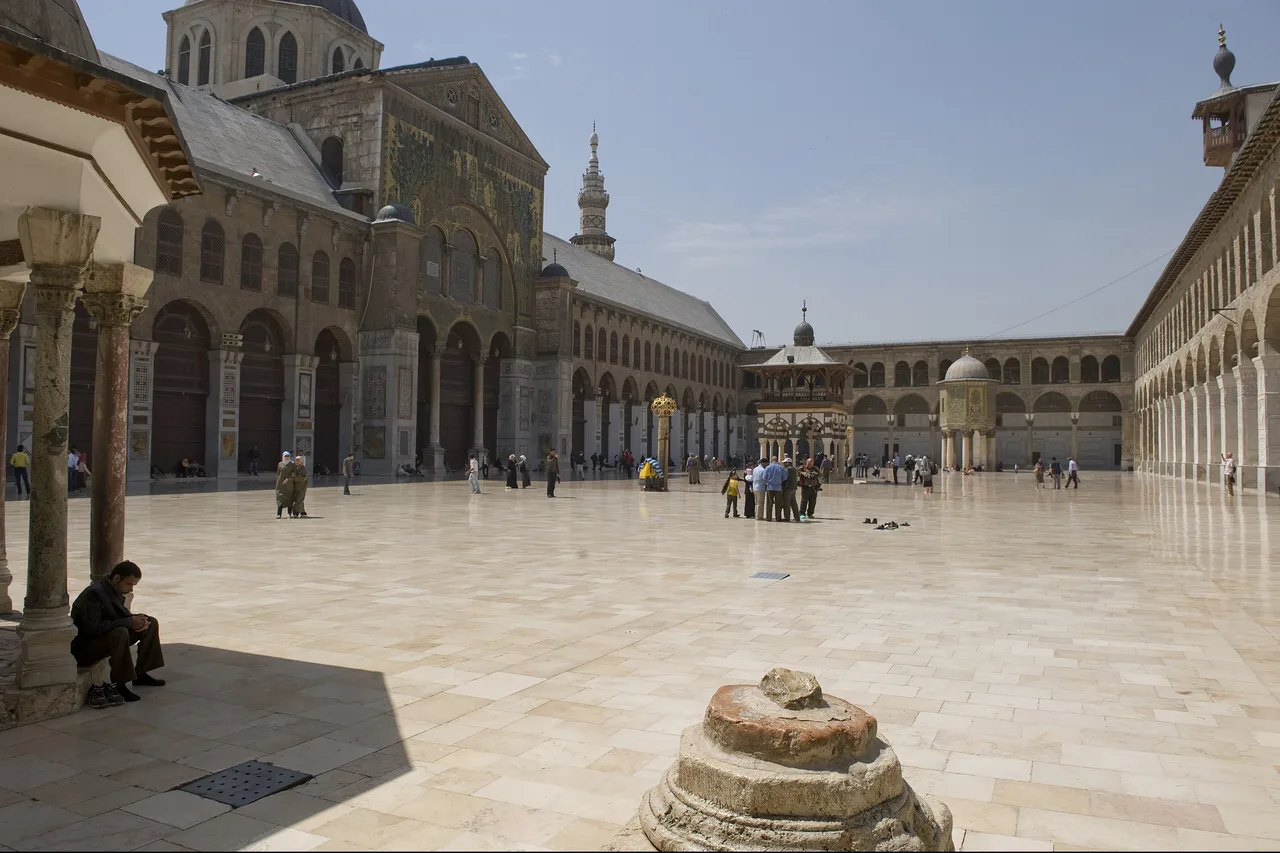
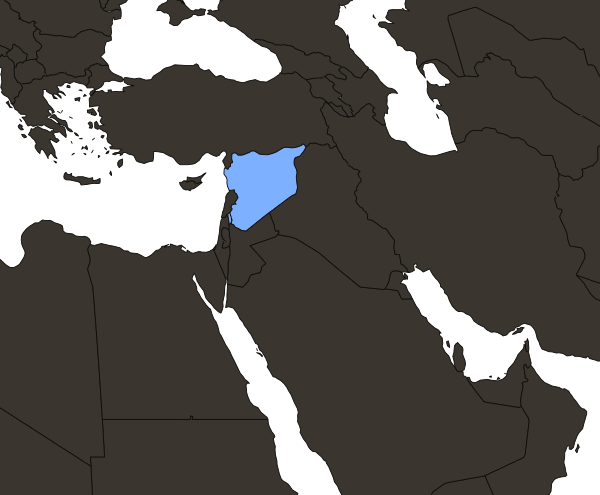
Syria has 25.6 million people (2025). Rebels led by Ahmed al-Sharaa, a former al-Qaeda commander, overthrew President Bashar al-Assad on December 8, 2024, after an 11-day offensive. That ended 54 years of rule by the Assad family. At the end of 2025, 4.9 million Syrians were still refugees abroad, the third most from any country.
Where Syria ranks
All rankings →Disputed territories involving Syria
All disputed territories →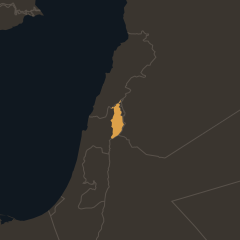
How does Syria vote at the UN?
Syria's voting record → With China
 With Russia
 With United Kingdom
Share of recorded UN General Assembly votes on which Syria and each country voted the same way, 2025.
Who runs Syria?
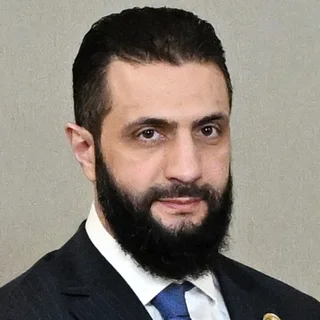
President Ahmed al-Sharaa runs Syria. A conference of the armed groups that toppled Assad named him president on January 29, 2025. Under the temporary constitution he signed that March, the transition lasts five years, there is no prime minister, and the president names a third of the People's Assembly (chart). No date is set for a national election. Al-Sharaa was born in 1982 in Riyadh, where his father, an oil economist from the Golan Heights, worked. He joined al-Qaeda in Iraq in 2003, was held in US prisons there, and founded al-Qaeda's Syrian branch in 2012, breaking with al-Qaeda in 2016. On November 10, 2025 he became the first Syrian head of state to visit the White House. In March 2025 government forces and allied fighters killed about 1,400 people on the coast, mostly Alawite civilians (UN). That July, fighting in the Druze region of Sweida killed more than 1,700.
- Chosen by electoral colleges 136
- Named by President al-Sharaa 70
- Empty seats 4
Photo (2025): Press Service of the President of Azerbaijan, Wikimedia Commons, CC BY 4.0
Who are Syria's allies and rivals?
Turkey is Syria's closest partner. The two signed a military training agreement on August 13, 2025, and Turkish troops operate in northern Syria with the government's permission. Saudi Arabia and Qatar pay for much of the recovery. President al-Sharaa's first trip abroad was to Riyadh in February 2025, and Saudi firms signed deals worth about $6.4 billion that July. The United States, an enemy under Assad, lifted its sanctions: Congress repealed the Caesar Act in December 2025, and Syria came off the US list of state sponsors of terrorism on August 24, 2026. Israel is the main rival. It has held the Golan Heights since 1967 and took the UN buffer zone beyond them in December 2024 (map). In September 2026 President al-Sharaa said US-brokered talks had reached "nearly 90%" agreement, but nothing is signed. Iran, Assad's main backer, has kept its embassy in Damascus closed.
Allies and partners
 TurkeyTraining deal in 2025; largest supplier of goods
 Saudi ArabiaAl-Sharaa's first trip abroad; billions in deals
 QatarPays for gas; helped pay public salaries
 JordanWorks with Syria against drug smuggling
 United StatesLifted sanctions; handed over its bases in 2026


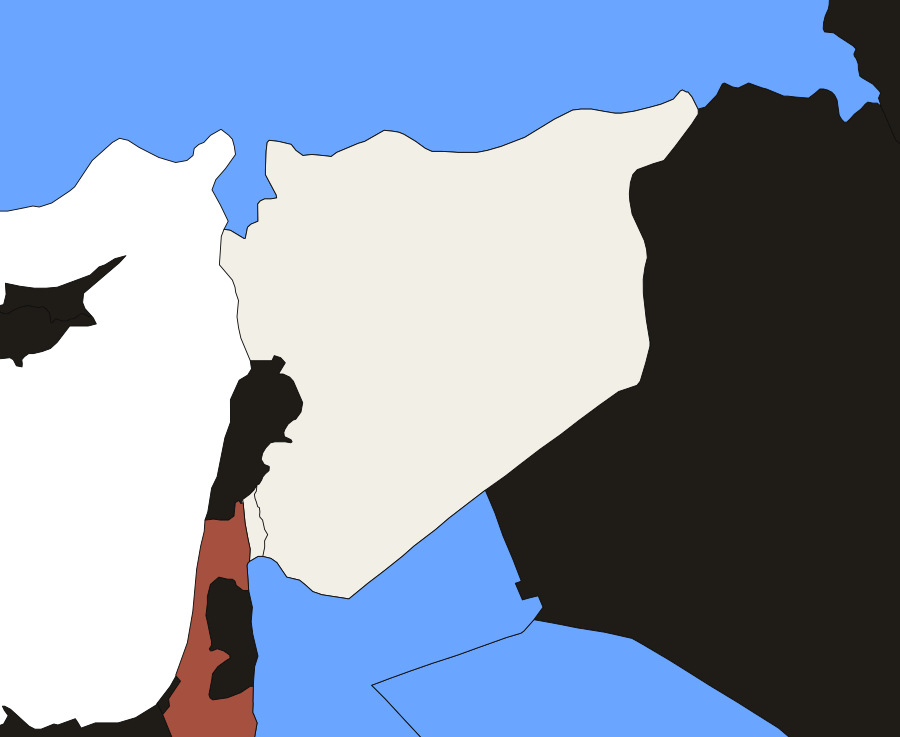
- Golan Heights Held by Israel since 1967. In December 2024 Israel also took the UN buffer zone and the Syrian side of Mount Hermon.
- Hmeimim air base Russian air base. Under an August 2026 deal, it and the naval base at Tartus become joint training centers.
- Abu al-Duhur air base Israel bombed it on August 17-18, 2026, saying it was stopping a Turkish deployment.
- Sweida Druze area outside government control since fighting in July 2025.
- Qamishli Main Kurdish city. The Kurdish-led SDF merged into the army and dissolved in August 2026.
- Syria
- Partner
- Rival
How much will it cost to rebuild Syria?
The World Bank puts the cost of rebuilding at $216 billion. That is about 10 times Syria's economy in 2024, which it estimates at $21.4 billion, against $67.5 billion in 2011. Oil output fell from 381,000 barrels a day in 2010 to 112,000 in 2026, and fuel imports cost $831 million a month. The UN development agency said in 2025 that 90% of Syrians live in poverty. With most Western economic sanctions gone, President al-Sharaa says Syria drew about $28 billion in investment pledges in 2025. Most are memorandums, not money spent. Signed deals include an $800 million contract for the UAE's DP World to run Tartus port. Turkey, the largest supplier, sold Syria about $3.5 billion of goods in 2025. Fuel price rises in September 2026 set off the widest protests since Assad fell. IMF staff expect "double-digit" growth in 2026.
How strong is Syria's military?
Syria's army is new, and its size is not public. The armed groups that toppled Assad, led by Hayat Tahrir al-Sham (HTS), merged into a new defense ministry in January 2025. The new army had about 100,000 recruits in June 2025, and analysts put it closer to 200,000 in September 2026. About two thirds of senior commanders came from HTS. The Kurdish-led SDF, which ran most of the northeast, lost about 80% of its land to a government offensive in January 2026 and dissolved into the army in August. In the 48 hours after Assad fell, Israel carried out about 480 strikes and says it destroyed 70% to 80% of the old army's strategic weapons. Syria has no nuclear weapons; Israel bombed an undeclared Syrian reactor in 2007. The Assad government used chemical weapons, and sarin killed more than 1,400 people at Ghouta in 2013 (US estimate).
How many Syrian refugees have gone home?
UNHCR counted 1,795,641 refugees who returned between Assad's fall on December 8, 2024 and September 3, 2026: 718,611 from Lebanon, 704,378 from Turkey and 296,156 from Jordan. Another 1,966,356 people displaced inside Syria went home by July 2026. At their peak, more than 6.8 million Syrians were refugees abroad. At the end of 2025, 4,865,764 still were, the third most after Venezuela and Ukraine (chart). Turkey hosted 2,255,031 Syrians in June 2026, down from 2.9 million at the end of 2024. Germany had 912,386 Syrian residents in July 2026, and Chancellor Merz said on March 30, 2026 that 80% should return within three years. In a survey by the International Rescue Committee, 91% of returnees said basic services were missing, and 71% live in damaged housing. Only 14% of refugees in the region intend to return within a year. The war killed at least 306,887 civilians from 2011 to 2021 (UN estimate), and at least 177,021 people disappeared.
Refugees by country of origin, end of 2025
Full ranking → Venezuela6,459,716
 Ukraine5,224,131
- Syria4,865,764
 Afghanistan3,702,518
 Sudan2,820,737
 South Sudan2,386,499
UNHCR Refugee Population Statistics Database