Country profile · Arabian Peninsula
 Saudi Arabia
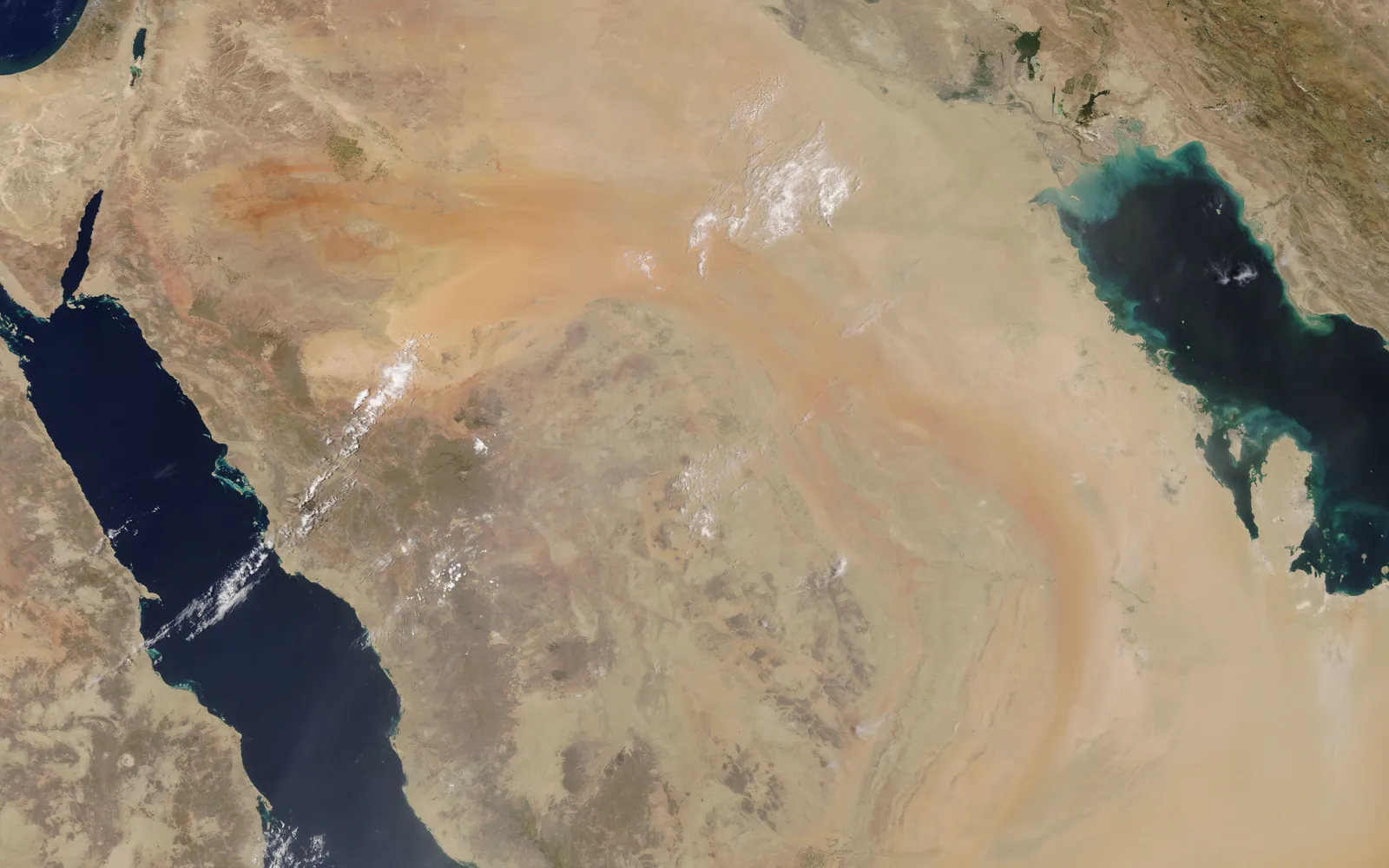
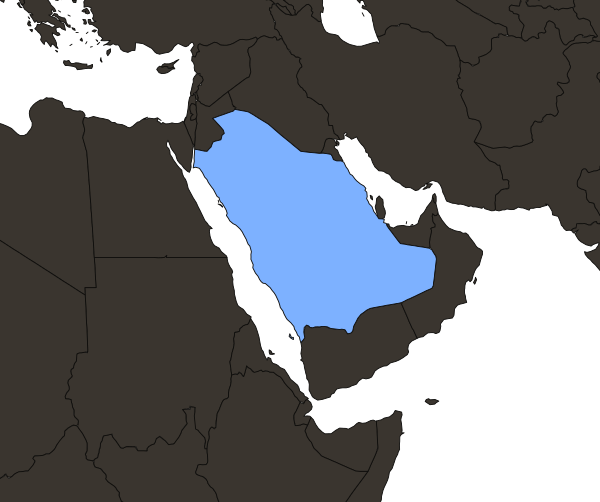
 covers most of the Arabian Peninsula. It is the world's third-largest oil producer, after the United States and Russia. It is an absolute monarchy with no national elections. King Salman is head of state. Crown Prince Mohammed bin Salman runs the government. Iran has attacked it since February 2026, and the Houthis in Yemen since July.
Where Saudi Arabia ranks
All rankings →Saudi Arabia's regions
All regions →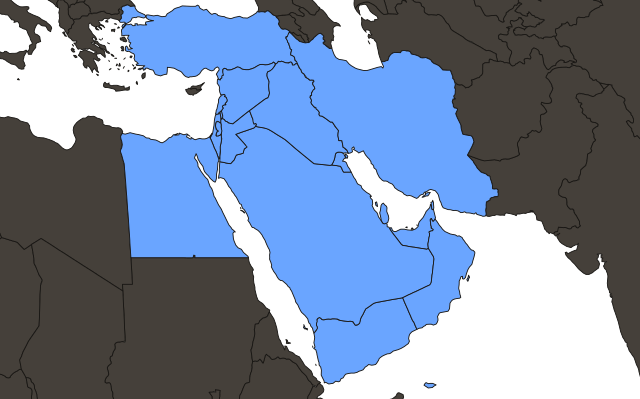
Resources Saudi Arabia leads in
All resources →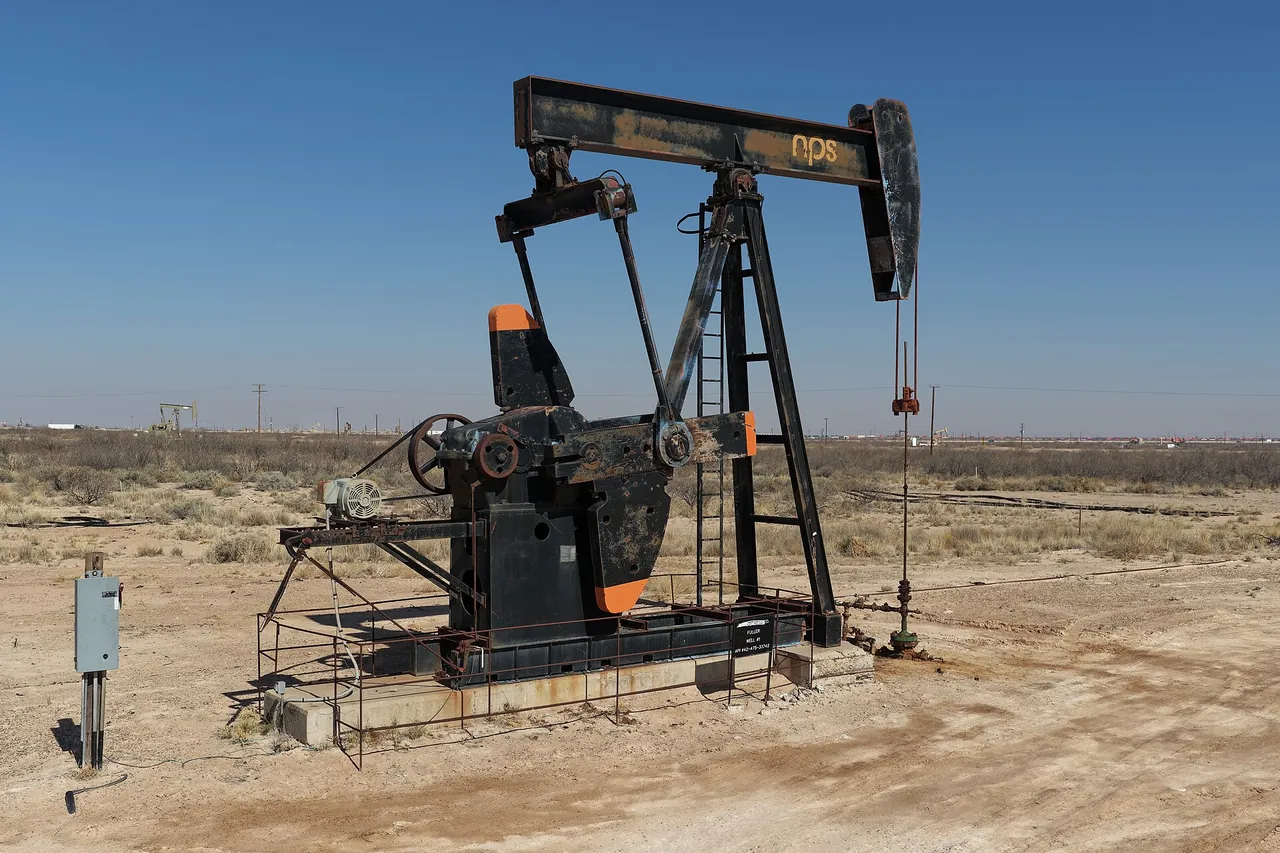
Which alliances is Saudi Arabia in?
All alliances →Saudi Arabia's relations with other countries
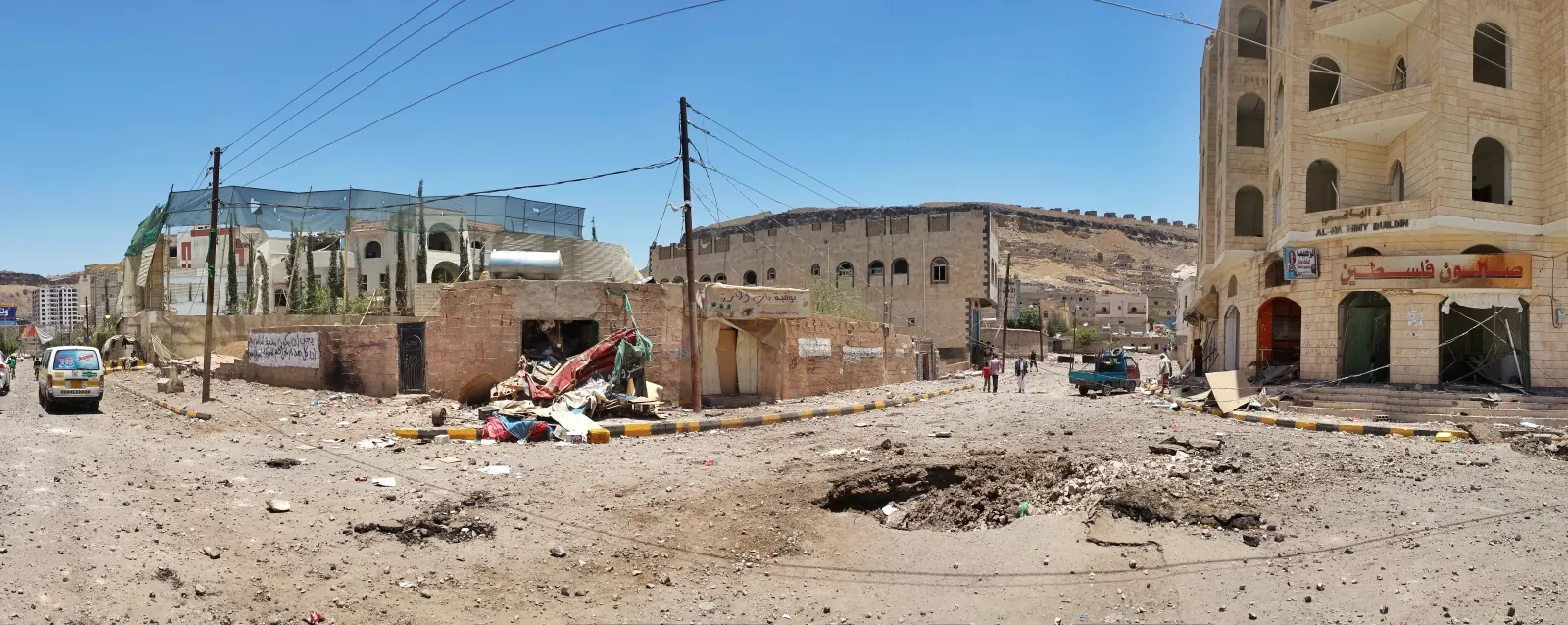
All 7 → YemenSaudi Arabia backs Yemen's government and fights the Houthis, who hold Sanaa.At war
 IranNo wars, three diplomatic breaks and proxy conflicts across the Middle East.Hostile
 IsraelNo diplomatic relations, shared enemies and normalization tied to a Palestinian state.Hostile
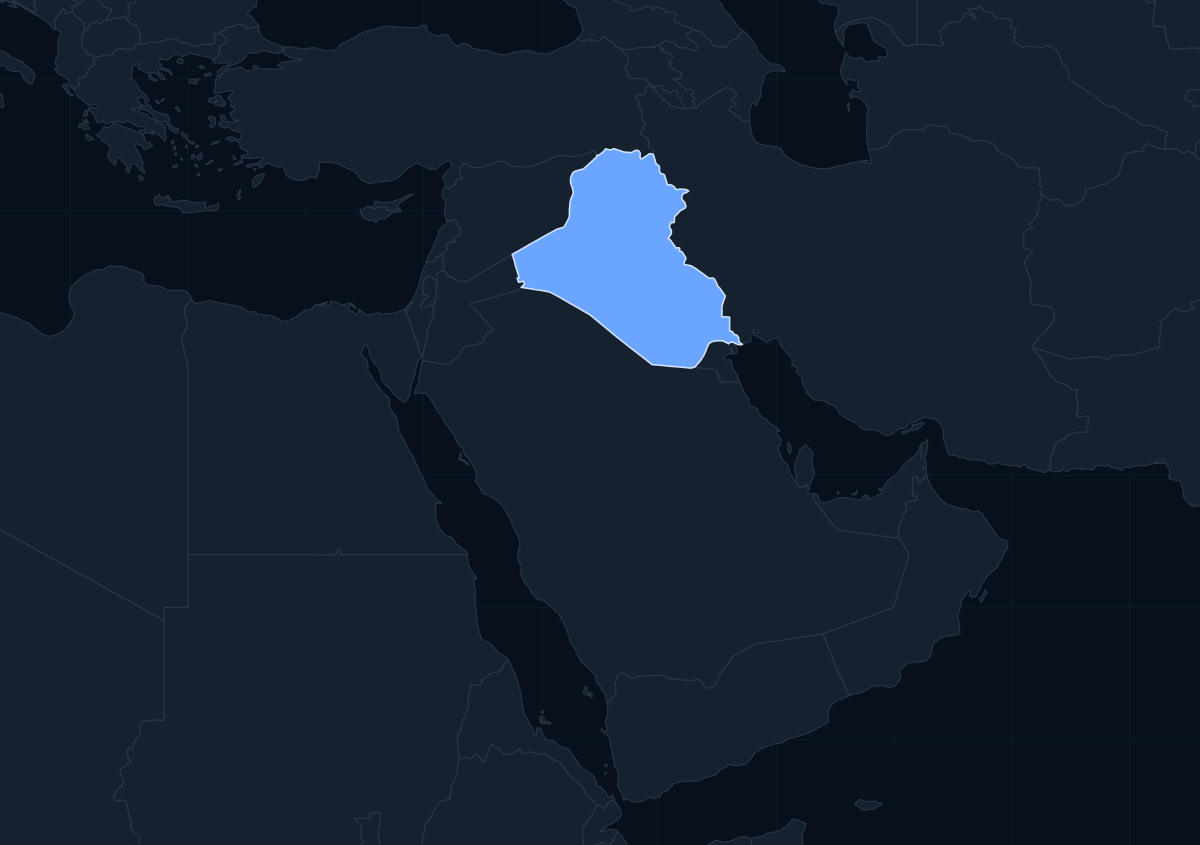
 IraqOne war, drone attacks from Iraq, Saudi strikes in 2026 and rising trade.Tense
 ChinaNo wars, $111 billion in trade, secret missiles and a strategic partnership.Friendly
 RussiaOPEC+ co-leaders since 2016, with a century of on-and-off diplomacy.Friendly
Wars and rivalries involving Saudi Arabia
All conflicts →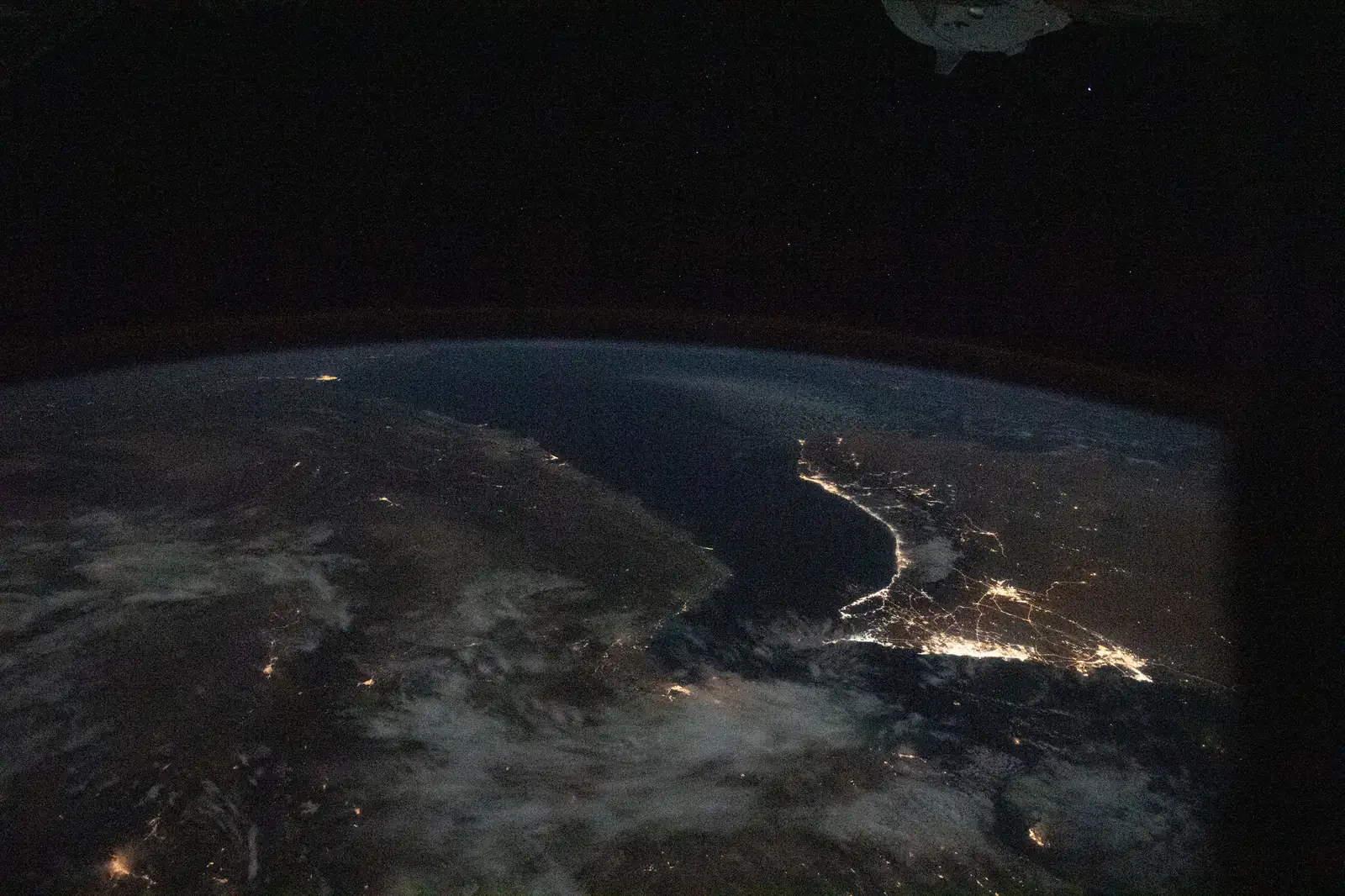
Armed groups in Saudi Arabia
All armed groups →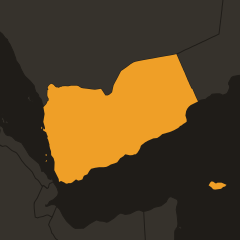
How does Saudi Arabia vote at the UN?
Saudi Arabia's voting record →Share of recorded UN General Assembly votes on which Saudi Arabia and each country voted the same way, 2025.
Who runs Saudi Arabia?
King Salman, who is 90, has reigned since 2015. His son, Crown Prince Mohammed bin Salman, runs the government. Mohammed bin Salman became crown prince on June 21, 2017, and prime minister on September 27, 2022. He studied law at King Saud University and finished second in his class. He told Fox News in 2023 that he has loved video games since childhood. The Public Investment Fund he chairs bought the game maker Electronic Arts in a deal that closed on August 4, 2026. A US intelligence report released in February 2021 found he approved an operation to capture or kill the journalist Jamal Khashoggi in 2018.
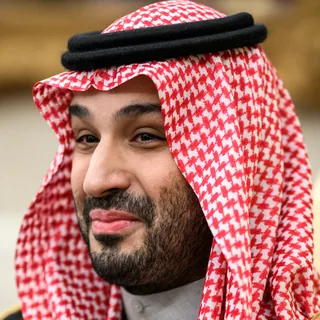
Portrait (2025): The White House, public domain
Who are Saudi Arabia's allies and enemies?
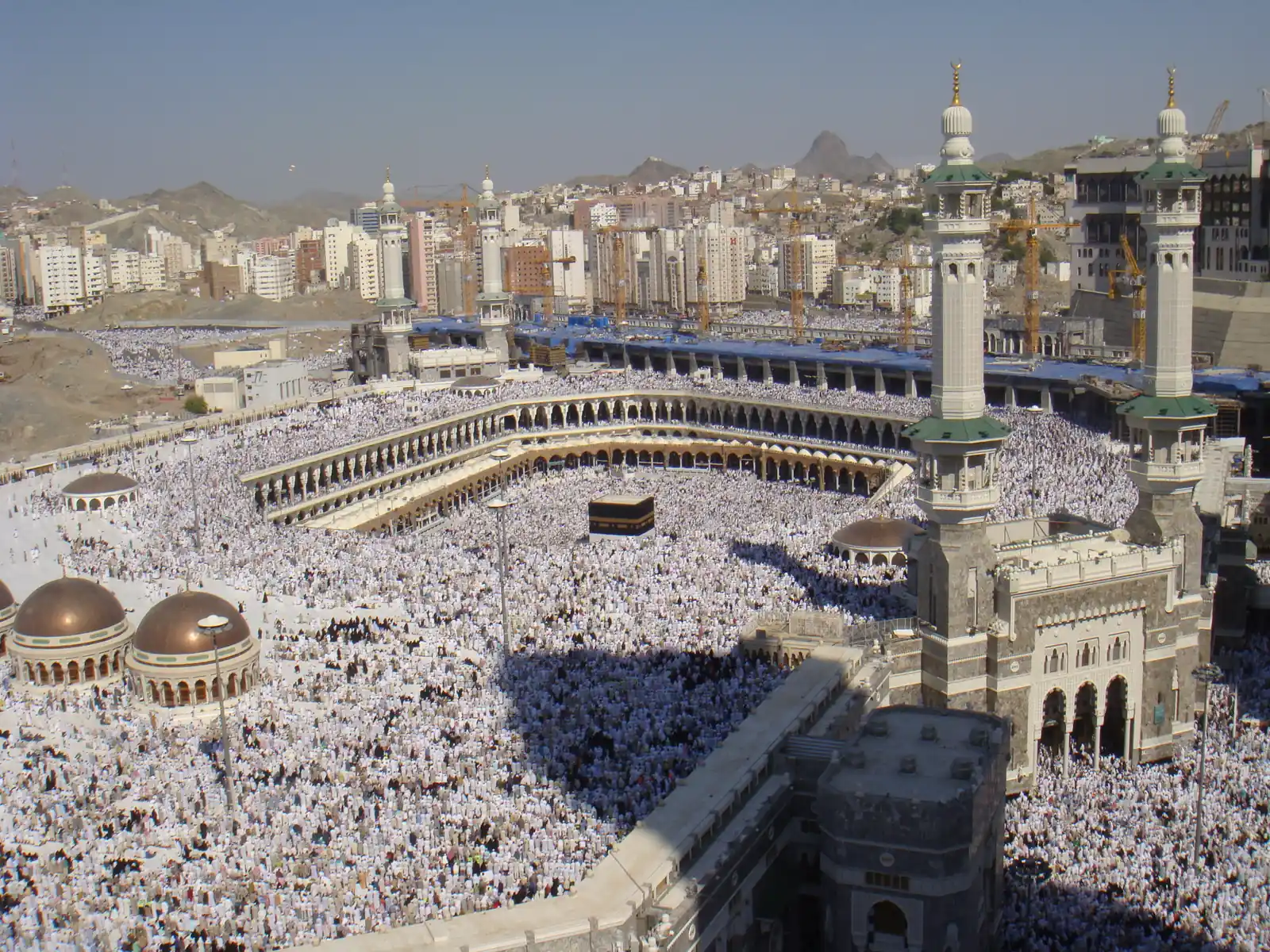
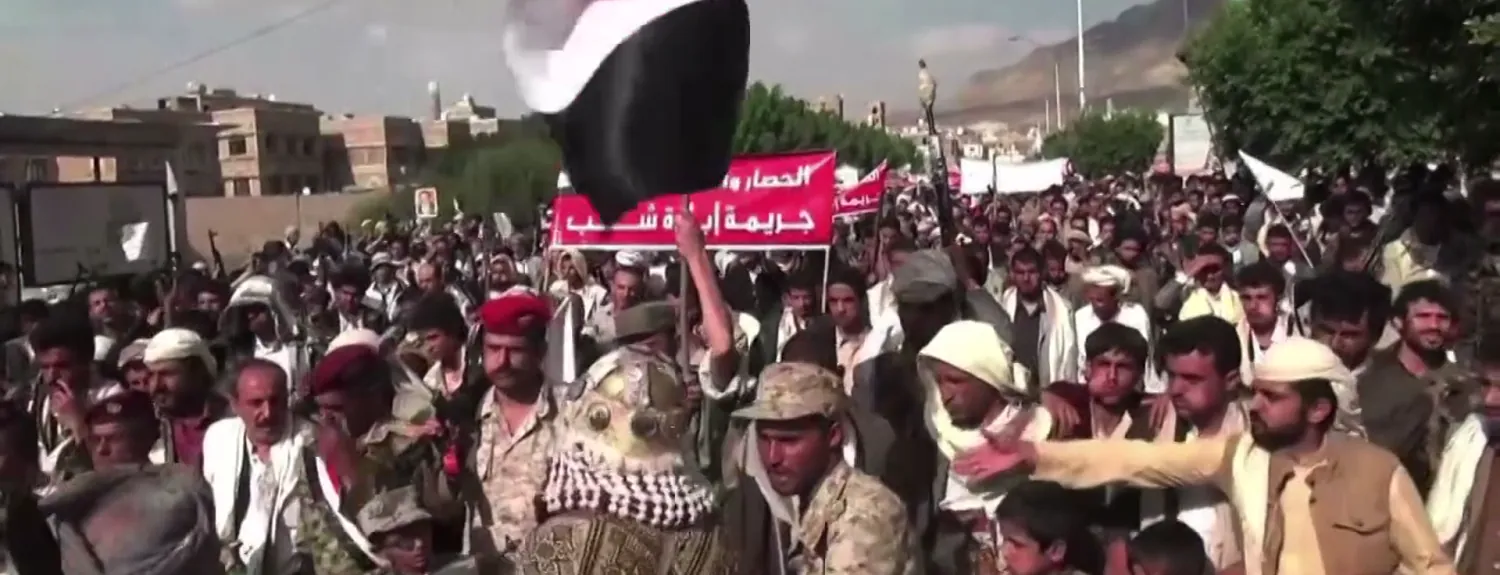
Saudi Arabia's main security partner is the United States, which designated it a major non-NATO ally in January 2026. On September 17, 2025, Saudi Arabia and Pakistan signed a mutual defense pact. On August 7, 2026, Saudi Arabia, Turkey and Pakistan signed the Mecca pact. An attack on one is an attack on all. Saudi Arabia and Iran restored ties in a deal brokered by China on March 10, 2023. Iran struck Saudi Arabia from February 28, 2026. Saudi Arabia expelled Iran's military attaché in March 2026. In November 2026 Iran fired drones at US bases in Bahrain and Kuwait, but not at Saudi Arabia. Saudi Arabia condemned those attacks on November 18. The Houthis declared a blockade of Saudi ports on July 20, 2026. In October they began striking Saudi airports. By the counts of Saudi authorities and foreign embassies, these strikes killed at least 23 people in October. The deadliest, on Riyadh's airport on October 10, killed 14 people, two of whom died of their wounds later. The airport then closed. Saudi airlines resumed domestic flights there on October 21 and some international flights on October 25. On October 21 a strike on Dammam's airport killed two people. In late October Saudi Arabia said it shot down more Houthi missiles and drones, including one over the Mecca region. The Houthis denied targeting Mecca. On November 8 Saudi air defenses shot down Houthi ballistic missiles fired at Riyadh and the Eastern Province. Debris damaged an Aramco office building in Riyadh, and no one was hurt, according to Saudi state media. On November 11 the Saudi-led coalition said it shot down two drones over Mecca. The Houthis again denied targeting Mecca. Saudi air defenses shot down Houthi missiles fired at Riyadh on November 15 and 18. On November 19 the Saudi-led coalition said debris from another missile caused damage in Riyadh. On October 5 the three Mecca pact members activated the pact for the first time. They agreed that Pakistan and Turkey would send forces to defend Saudi Arabia. Pakistan's military said its troops were already in the kingdom. Turkey said its help would be mainly air defense and technical support. Turkey's parliament ratified the pact on November 5, 2026. As of mid-November it had not voted to send troops, which needs a separate vote. On November 16 Pakistan's foreign minister said the pact's top committee would meet in Islamabad at the end of November. A rift with the UAE over Yemen began in December 2025.
Allies and partners


Rivals and tensions
- IranStruck Saudi Arabia since February 2026
- HouthisBlockade since July 2026, airport strikes in October
 United Arab EmiratesRift over Yemen since December 2025
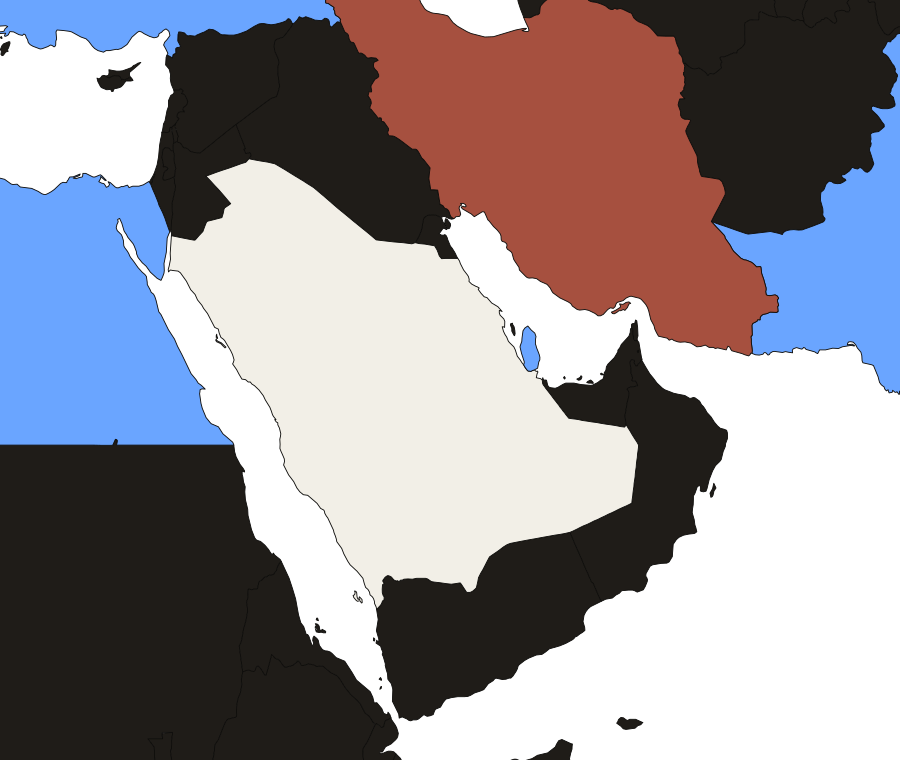
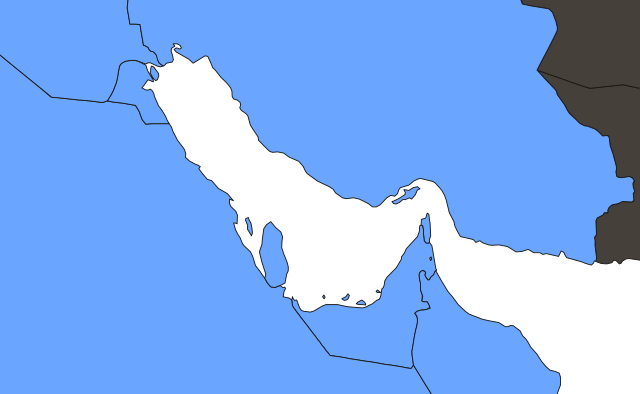
- Strait of Hormuz Blocked on and off by Iran since February 2026. In September 2026, Saudi tankers used a US-guarded lane along Oman's coast.
- Yanbu Red Sea end of the East-West pipeline. Pipeline shut September 11 to 22, 2026 after drones from Iraq hit it.
- Bab el-Mandeb The Houthis took Mokha, Perim Island and the Hanish Islands in September 2026. On November 15 Yemeni government forces pulled back from the strait to defend Aden. Reuters reported that the move left the Houthis in control of Yemen's shore of the strait.
- Saudi Arabia
- Partner
- Rival
Who does Saudi Arabia trade with?
China is Saudi Arabia's largest trading partner. Saudi Arabia exported $312.0 billion of goods in 2025 and imported $253.3 billion. Oil was 68.7% of exports, down from 73.1% in 2024. China took 14.6% of exports and supplied 27.5% of imports. Non-oil exports rose 18.9% to $97.6 billion. Oil paid for 54.6% of government revenue in 2025. The budget deficit was $73.8 billion. Public debt reached about $405 billion at the end of 2025. Since July 24, 2026, Saudi goods entering the United States have paid a 12.5% tariff.
Sells to
Share of Saudi Arabia's exports
- China14.6%
- United Arab Emirates10.0%
 India9.4%
 South Korea8.4%
 Japan8.4%
Buys from
Share of Saudi Arabia's imports
- China27.5%
 United States8.2%
- United Arab Emirates5.7%
- India4.8%
 Germany4.4%
Goods trade, 2025. Shares of Saudi Arabia's exports (including re-exports) and imports, from GASTAT, the General Authority for Statistics, published on DataSaudi.
How strong is Saudi Arabia's military?
SIPRI estimates Saudi Arabia spent $83.2 billion on its military in 2025, 6.5% of GDP. Saudi Arabia was the third-largest arms importer in 2021 to 2025. The United States supplied 77% of those imports. On September 17, 2026, the State Department approved a possible sale of 48 F-35 jets. Saudi Arabia has no nuclear weapons. It joined the Non-Proliferation Treaty in 1988. In 2018 the crown prince told CBS that Saudi Arabia would follow suit if Iran built a nuclear bomb. A US-Saudi civil nuclear agreement signed in July 2026 allows uranium enrichment only if both governments agree after a two-year study. Congress is still reviewing it.
Which country has the biggest army? Largest armies in the world →

How much oil does Saudi Arabia produce?
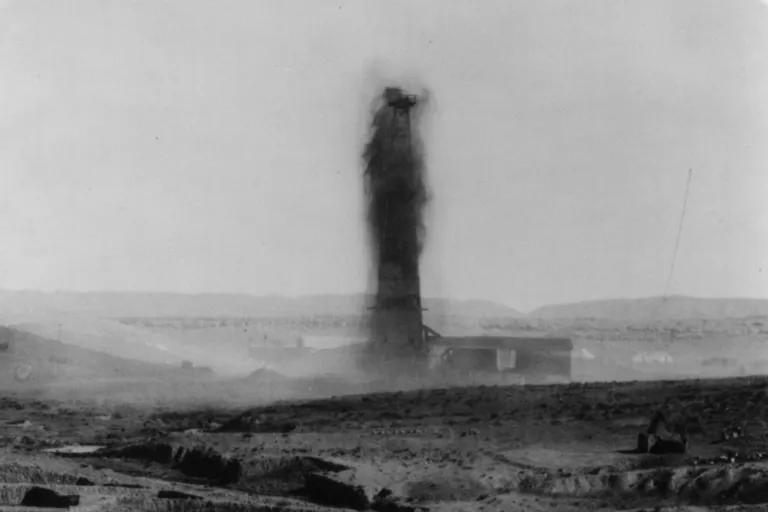
The EIA estimates Saudi Arabia produced 9.556 million barrels of oil a day in 2025. Its capacity is 12 million barrels a day. Before the war, in February 2026, it reported 10.88 million to OPEC. Most Saudi crude exports normally leave through the Strait of Hormuz, which Iran has blocked on and off since February 2026. The East-West pipeline carries up to 7 million barrels a day to Yanbu on the Red Sea, but about 2 million feeds refineries. Output fell to 6.24 million barrels a day in August 2026, the lowest since 1990. Saudi Arabia told OPEC it pumped 8.37 million in September and 10.56 million in October. Aramco, the state oil company, earned $93.4 billion in 2025.
Oil production, 2025 (barrels a day)
Full ranking →- United States13,586,000
- Russia9,885,000
- Saudi Arabia9,556,000
 Canada4,964,000
- Iraq4,388,000
- China4,325,000
- Iran4,051,000
- United Arab Emirates3,771,000
US Energy Information Administration, International Energy Statistics