
Territory of the United Kingdom · Eastern Mediterranean
Akrotiri and Dhekelia
Run by an administratorUpdated November 11, 2026
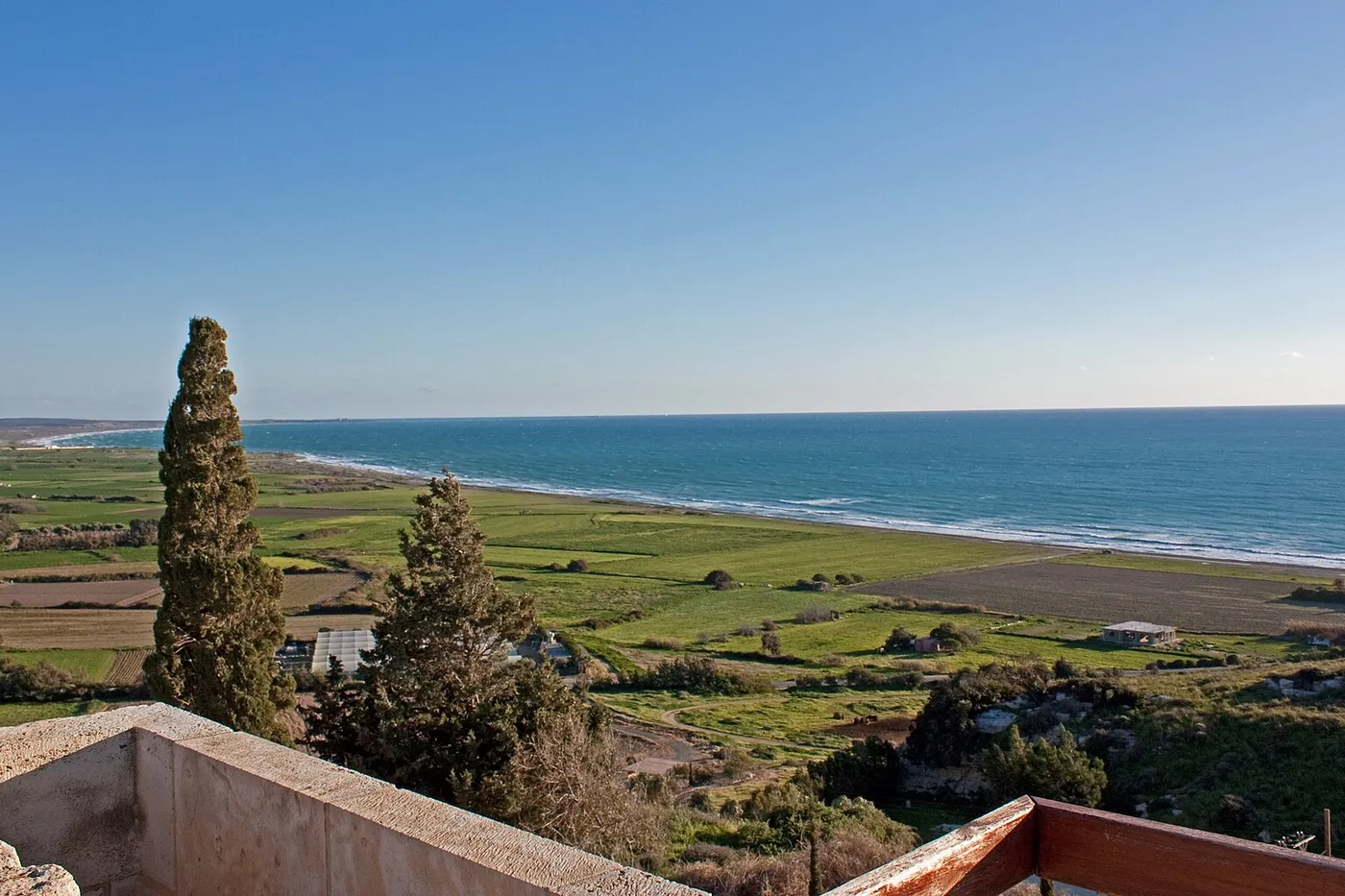
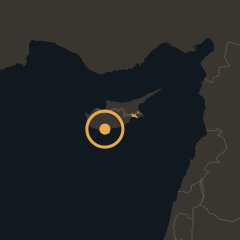
Akrotiri and Dhekelia are two British Sovereign Base Areas on the island of Cyprus. The United Kingdom kept them when Cyprus became independent in 1960. They cover about 254 km², roughly 3% of the island. About 11,000 Cypriots live there alongside British personnel. In March 2026, a drone struck RAF Akrotiri, the first attack on the base in 40 years. The Republic of Cyprus has called the bases a “colonial legacy”. The United Kingdom says their status is not negotiable.
- Capital
- Episkopi
- administrative center of both base areas, in the Western SBA
- People
- About 18,195
- 2020 estimate
- Cypriot residents
- About 11,000
- living in villages inside the base areas
- Area
- 254 km²
- about 3% of Cyprus
- From London
- 3,200 km
- as the crow flies
 United Kingdom
Akrotiri and Dhekelia in 30 seconds
- Akrotiri and Dhekelia are a British Overseas Territory on Cyprus, run by the Ministry of Defence. The United Kingdom kept them under the 1960 Treaty of Establishment when Cyprus became independent.
- RAF Akrotiri is the United Kingdom’s main air base in the region. It has been used for strikes against ISIS and Houthi targets in Yemen. In 2026, it was also used to intercept drones during the conflict with Iran.
- About 11,000 Cypriots live in villages inside the base areas. They are citizens of the Republic of Cyprus, use the euro and pay taxes collected by the Republic.
- On March 2, 2026, a drone struck RAF Akrotiri, the first attack on the base in 40 years. Republic of Cyprus President Nikos Christodoulides has since called the bases a “colonial legacy” and begun talks with the United Kingdom on their future. The United Kingdom said in April 2026 that the status of the bases is not negotiable.
Who owns Akrotiri and Dhekelia?
The United Kingdom owns them. They are British Sovereign Base Areas, kept under Article 1 of the Treaty of Establishment signed on August 16, 1960, when Cyprus became independent. The treaty gave the Republic of Cyprus sovereignty over the entire island except the two base areas. Britain made keeping the bases a condition of independence. Some scholars say Cypriot leaders agreed under pressure. Others point out that Cyprus signed the treaty and has never challenged it in court.
Akrotiri and Dhekelia are a British Overseas Territory. They are the only one run by the Ministry of Defence. The Foreign Office oversees the others. There is no elected government and no legislature. The Administrator, Major General Tom Bewick, commands both the base areas and British Forces Cyprus. He was sworn in on April 11, 2025. He reports to the United Kingdom’s Secretary of State for Defence.
The Republic of Cyprus has called the bases a “colonial remnant.” President Nikos Christodoulides said in November 2026: “we must end this colonial legacy… this is not an expression of anti-British sentiment.” The United Kingdom says the legal status is settled by treaty. Al Carns, then Armed Forces Minister, said in April 2026 that the status was “non-negotiable.” Carns resigned in June 2026.
 Akrotiri
Dhekelia
RAF Akrotiri
Ayios Nikolaos
Nicosia
Limassol
Larnaca
CYPRUS
Area under Turkish Cypriot control
Mediterranean Sea
 Akrotiri
Dhekelia
RAF Akrotiri
Ayios Nikolaos
Nicosia
Limassol
Larnaca
CYPRUS
Turkish Cypriot north
Mediterranean Sea
What are the British bases in Cyprus used for?
The bases host British air operations, signals intelligence and the headquarters of British Forces Cyprus. RAF Akrotiri is the United Kingdom’s main air base in the eastern Mediterranean. It has been used for strikes against ISIS in Iraq and Syria, strikes on Houthi targets in Yemen starting in January 2024, and surveillance flights over Gaza. The United Kingdom says those flights were unarmed and searched only for hostages. In February 2026, 6 F-35 jets were deployed alongside about 10 Typhoons. Cypriot media reported in April 2026 that the base was running round-the-clock drone intercept missions.
Ayios Nikolaos Station in the Eastern SBA is a signals-intelligence facility. It is run by the Joint Service Signal Unit. Documents leaked by Edward Snowden link it to GCHQ, the British signals-intelligence agency. Episkopi is the headquarters of British Forces Cyprus. About 2,717 military personnel and 273 civil servants were stationed across the bases after October 2023. In March 2026, the United Kingdom announced 500 more personnel. Humanitarian aid flights to Gaza have also left from the bases. Then Prime Minister Keir Starmer told President Christodoulides in March 2026 that the bases “will not be used for any offensive military” purposes.
Key facilities
- RAF AkrotiriMain air base; Typhoons, F-35s, helicopters, tankers
- Ayios Nikolaos StationSignals-intelligence facility; leaked documents link it to GCHQ
- Episkopi CantonmentHeadquarters of British Forces Cyprus
- Dhekelia GarrisonArmy garrison near the UN buffer zone and the north
Who lives in the Sovereign Base Areas?
About 11,000 Cypriots live in villages inside the base areas. They are citizens of the Republic of Cyprus and vote in Republic elections. They use the euro, which Cyprus adopted in January 2008. The Republic of Cyprus collects their taxes under laws that mirror its own. Many residents earn their living working on the bases.
About 7,200 military personnel, United Kingdom-based civilian staff and their families also live there. A January 2014 arrangement between the United Kingdom and the Republic of Cyprus allows residential and commercial development on non-military land. It covers about 12,000 residents in 3 municipalities and 16 villages. Implementation began on May 16, 2022.
Migrants have also arrived on base territory. In October 1998, a boat of refugees came ashore at RAF Akrotiri. They were moved to Dhekelia. Six families were stranded there for about 20 years before the United Kingdom granted them entry in December 2018. In October 2015, about 115 migrants landed at RAF Akrotiri and were moved to Dhekelia. Under a 2003 arrangement, the Republic of Cyprus processes asylum claims made on base territory.
Cypriot residents
About 11,000
Living in villages inside the base areas
They are citizens of the Republic of Cyprus. They vote in Republic elections, use the euro and pay taxes collected by the Republic. About 7,200 military personnel and families also live there.
Why are there protests against the bases?
People have protested against the bases over military operations and plans for new antennas. On July 3, 2001, a riot broke out over a planned antenna mast at the Akrotiri salt lake. Cypriot member of parliament Marios Matsakis was arrested. The Episkopi police station was ransacked and about 35 vehicles burned. Dozens of police officers, soldiers and protesters were injured.
The issue returned in 2026. In March, the United Kingdom announced plans for new antennas at RAF Akrotiri. Reports first cited 32 antennas and later up to 68. On August 8, 2026, about 300 people marched under the slogan “No to the antennas of death.” In September, Akrotiri villagers protested the plans. In July, Kourion Mayor Pantelis Georgiou said the bases “lied” about the antennas. The bases say the project will modernise existing infrastructure and will go through an environmental review and public consultation. They cite a study that found no excess of cancer or birth defects near the base, and they have offered to fund a new independent study. Residents launched legal action in May 2026 and have considered taking the case to the European Court of Human Rights.
Separately, hundreds protested at Akrotiri on January 15, 2024, against the use of the bases in Middle East operations. On March 6, 2026, protesters gathered at the Presidential Palace after the drone strike on RAF Akrotiri.
Incidents and protests
- 2001Riot over antenna mast at Akrotiri; police station ransacked, dozens injured
- Jan 2024Hundreds protest at Akrotiri against Middle East operations
- Mar 2026Drone strikes RAF Akrotiri, the first attack on the base in 40 years
- Mar 2026Protest at the Presidential Palace after the drone strike
- Mar 2026The United Kingdom announces plans for new antennas at RAF Akrotiri
- May 2026Akrotiri residents launch legal action over the antenna plans
- Aug 2026About 300 march against the antennas: “No to the antennas of death”
- Sep 2026Akrotiri villagers protest the antenna expansion
How do the bases fit into the Cyprus problem?
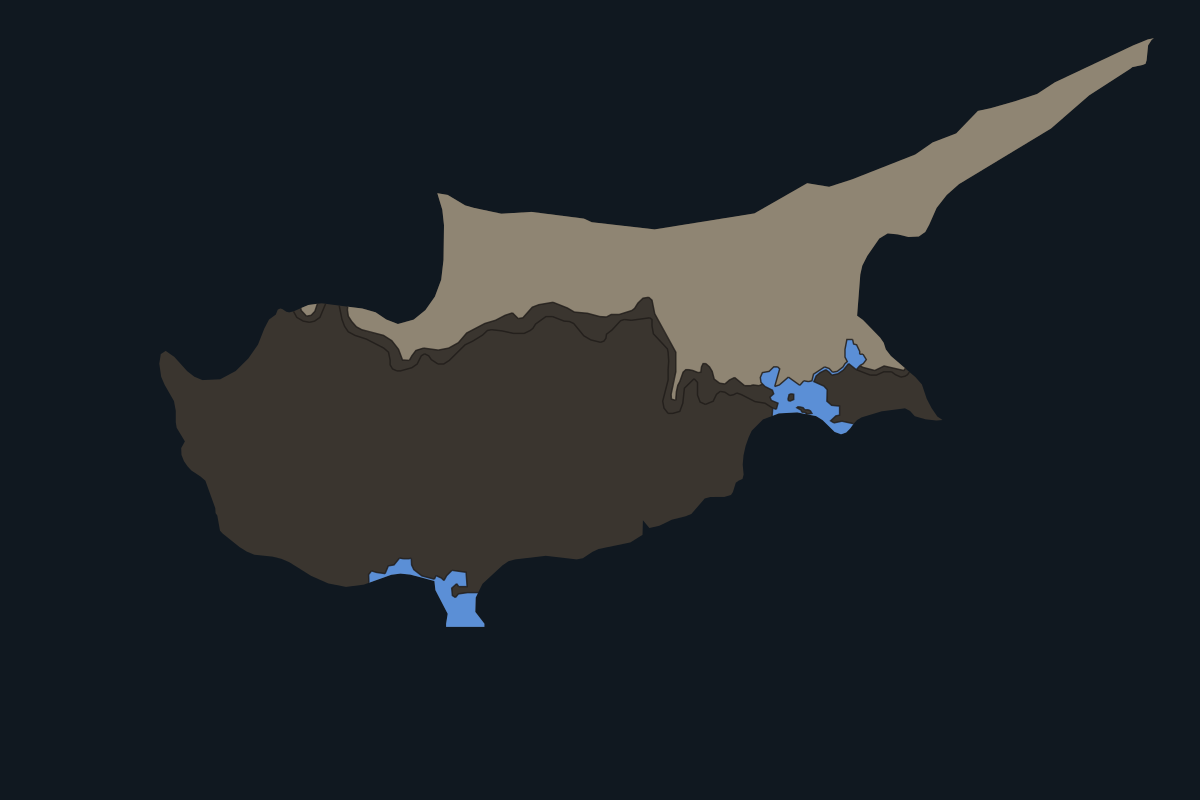
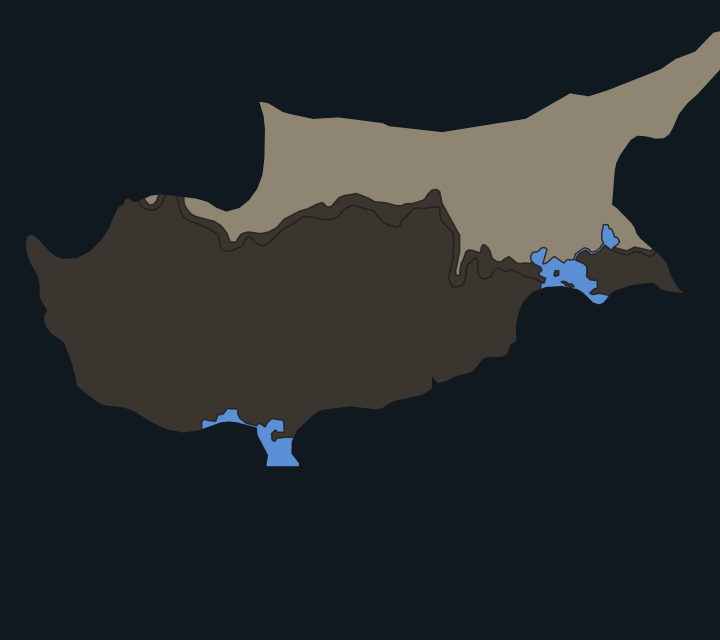
One base area borders the line that divides Cyprus, and the bases were part of a failed plan to reunify the island. Since Turkish troops landed in 1974, about 36% of the island has been outside the Republic of Cyprus’s control. A Turkish Cypriot administration recognized only by Turkey runs the north. Dhekelia borders the United Nations buffer zone and the area under Turkish Cypriot control. The Ayios Nikolaos intelligence station in the Eastern SBA sits close to the north.
In 2003, the United Kingdom offered to give up about 45 square miles of base territory if the Annan Plan for reunification passed. In the April 24, 2004, referendum, Greek Cypriots voted 75.8% against the plan. Turkish Cypriots voted 64.9% in favor. The plan failed and the offer lapsed. The status quo has held since.
The base areas were never part of the European Union, even when the United Kingdom was a member. Under Protocol 3 to the 2003 Act of Accession, they sit inside the EU customs territory. No customs posts stand between the bases and the Republic. The Brexit Withdrawal Agreement kept this arrangement in place. The bases are not NATO facilities. The United Kingdom is a NATO member, but the Republic of Cyprus is not.
Why do Akrotiri and Dhekelia matter?
A UK airbase near the Middle East
RAF Akrotiri is the United Kingdom’s main air base in the eastern Mediterranean. It has been used for strikes against ISIS and Houthi targets in Yemen. In 2026, it was also used to intercept drones during the conflict with Iran. In February 2026, 6 F-35s were deployed alongside about 10 Typhoons.
Intelligence
Ayios Nikolaos Station is a signals-intelligence facility. Documents leaked by Edward Snowden link it to GCHQ. It sits in the Eastern SBA. The base areas give the United Kingdom a permanent intelligence and surveillance presence near the Middle East.
Cyprus politics
The Republic of Cyprus calls the bases a “colonial legacy” and has begun talks with the United Kingdom on their future. Since the drone strike in March 2026, sovereignty over the bases has become a major political issue in Cyprus. The United Kingdom said in April 2026 that the status of the bases is not negotiable.
Questions about Akrotiri and Dhekelia
Is Akrotiri part of the EU?
No. The base areas were never part of the European Union, even when the United Kingdom was a member. They do sit inside the EU customs territory under a special protocol. No customs posts stand between the bases and the Republic of Cyprus.
Can you visit Akrotiri and Dhekelia?
Parts are accessible. Cypriot villages inside the base areas are open, and major sites like the ancient theatre at Kourion sit on base territory. Military areas are restricted.
What currency do Akrotiri and Dhekelia use?
The euro. The base areas switched from the Cyprus pound when Cyprus adopted the euro in January 2008.
Who lives in Akrotiri and Dhekelia?
About 11,000 Cypriots live in villages inside the base areas. They are citizens of the Republic of Cyprus. About 7,200 military personnel, United Kingdom-based civilian staff and their families also live there. The total is about 18,195, based on a 2020 estimate.
Is Akrotiri a British Overseas Territory?
Yes. Akrotiri and Dhekelia are a British Overseas Territory. They are the only one run by the Ministry of Defence and kept for military purposes. They are not on the United Nations list of non-self-governing territories.
Do Cypriot residents of the bases have British passports?
No. Cypriot residents are citizens of the Republic of Cyprus and hold Cypriot passports. Some people born in the base areas before 1983, or with a parent born there before 1983, can hold British Overseas Territories citizenship. Unlike other such citizens, they did not receive full British citizenship under the British Overseas Territories Act 2002.
Other territories of the United Kingdom
All territories → AnguillaIts .ai internet domain, popular with AI firms, now brings in a large share of government revenue.Self-governing
 BermudaIts parliament first met in 1620, making it one of the oldest legislatures in the world.Self-governing
 British Indian Ocean Territory (Chagos Islands)No permanent people; about 2,500 US and UK military personnel and contractors live on the Diego Garcia base.Run by an administrator
 British Virgin IslandsHundreds of thousands of offshore companies are registered here, many times its 39,000 residents.Self-governing
 Cayman IslandsThere is no income, company or capital-gains tax; it is a leading home for hedge funds and offshore firms.Self-governing
 Falkland IslandsArgentina invaded in 1982; the 74-day war killed 649 Argentine and 255 British personnel.Self-governing
 GibraltarA 2026 UK-EU treaty ended border checks with Spain; Schengen checks now happen at its port and airport.Self-governing
 MontserratVolcanic eruptions from 1995 buried the capital Plymouth, and about two-thirds of the people left.Self-governing