
Crown Dependency of the British Crown · English Channel
Jersey
Self-governingUpdated November 11, 2026
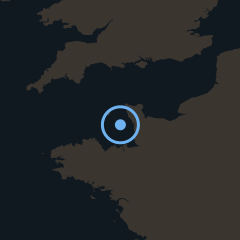
Jersey is a self-governing Crown Dependency of the British Crown in the English Channel, about 22 km from the coast of France. It is not part of the United Kingdom and was never a colony. The link dates from 1204, when the islands stayed loyal to the English Crown after England lost mainland Normandy. The United Kingdom handles Jersey's defense and international relations. Jersey sets its own taxes and runs its own courts, immigration and public services. Financial services make up about 38% of the economy. Banks in Jersey held £193.5 billion in deposits at the end of June 2026.
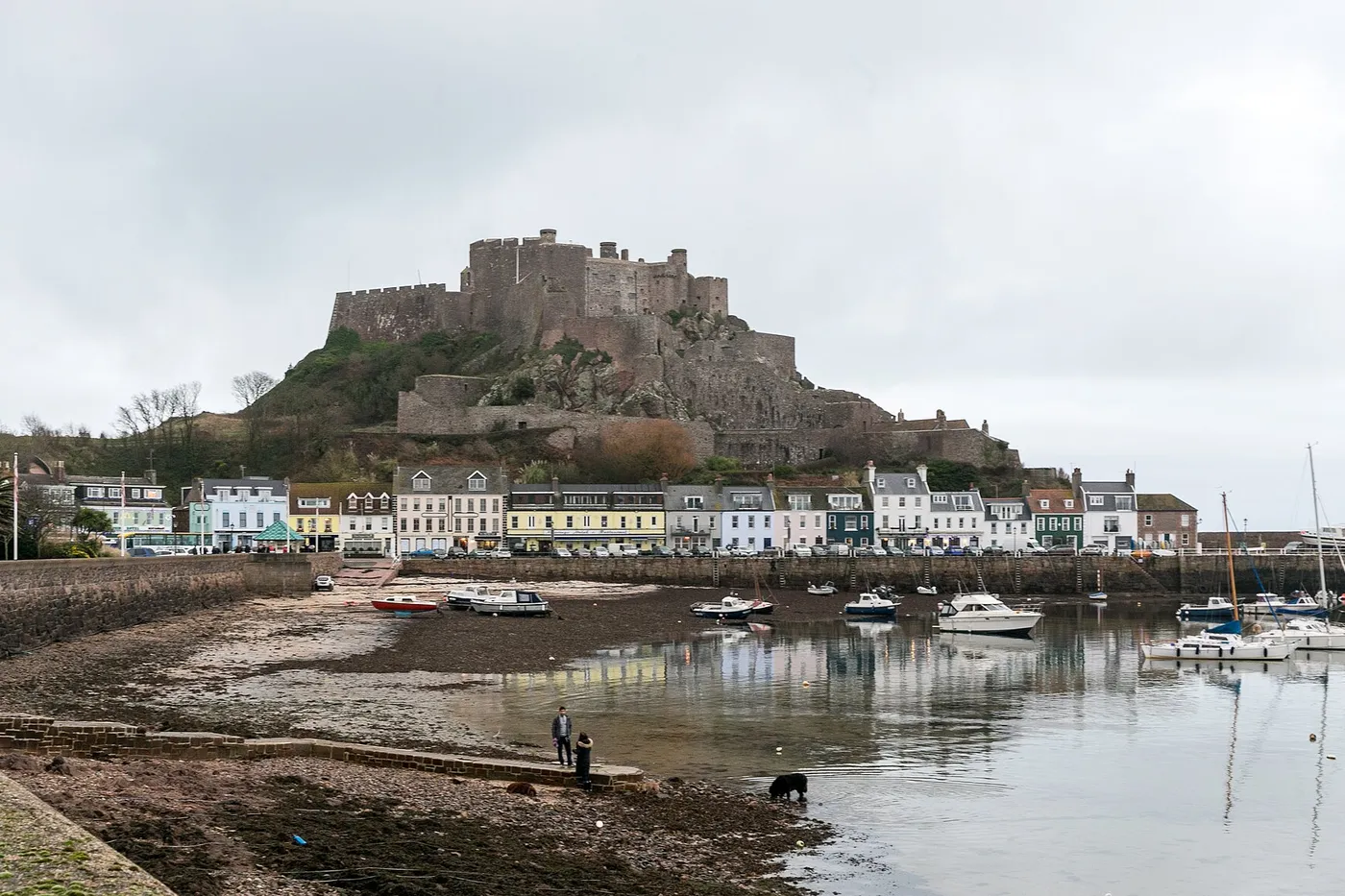
- Capital
- St Helier
- population 35,822 (2021 census)
- GDP (2024)
- £6.86 billion
- down 0.7% in real terms
- Bank deposits
- £193.5 billion
- Q2 2026
- Fund assets
- £504.3 billion
- June 2026, regulated funds under administration
- From London
- 290 km
- as the crow flies
 United Kingdom
Jersey in 30 seconds
- Jersey is a Crown Dependency of the British Crown. It is not part of the United Kingdom. It has governed itself since 1204, when the islands stayed loyal to the English Crown after England lost mainland Normandy to France.
- Financial services make up about 38% of the economy. Jersey charges 0% corporate tax for most companies and 10% for financial services firms. Banks held £193.5 billion in deposits at the end of June 2026.
- Germany occupied Jersey from July 1940 to May 1945. The Channel Islands were the only British Crown territory occupied by Nazi Germany. Liberation Day, May 9, is a public holiday.
- Chief Minister Lyndon Farnham, an independent, was re-confirmed after the June 2026 general election. Turnout was 32.4%.
Is Jersey part of the UK?
No. Jersey is a Crown Dependency of the British Crown. The United Kingdom government says the Crown Dependencies are “not part of the UK but are self-governing dependencies of the Crown.” Jersey was never a colony and is not an Overseas Territory.
The link goes back to 1204. When King John lost mainland Normandy to France, the Channel Islands stayed loyal to the English Crown. In return, they received the right to be governed by their own laws and a Royal Court of 12 lay judges called Jurats. There is no written constitution. The relationship rests on that medieval link, confirmed in later Royal Charters.
The United Kingdom handles Jersey's defense and international relations. The Ministry of Justice processes Jersey's laws for Royal Assent by the King in Privy Council. Jersey is not represented in the United Kingdom parliament. Residents have no vote in United Kingdom elections. Jersey receives no money from the United Kingdom.
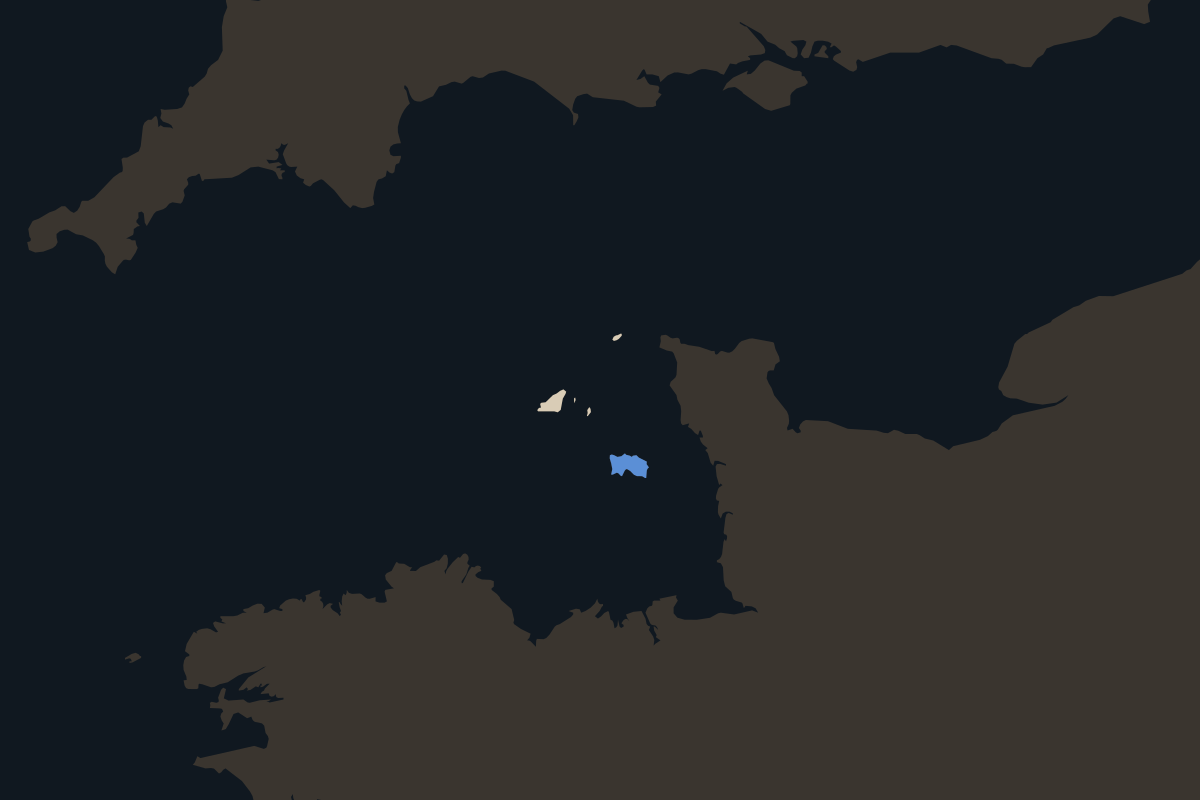 Jersey
Saint Helier
Guernsey
FRANCE
ENGLAND
Saint-Malo
Cherbourg
English Channel
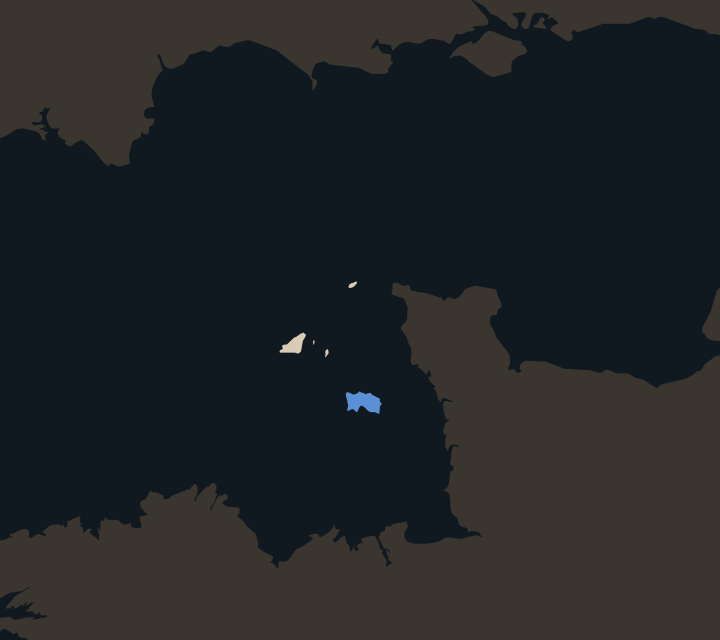 Jersey
Saint Helier
Guernsey
FRANCE
ENGLAND
Saint-Malo
Cherbourg
Channel
What happened to Jersey in World War II?
Germany occupied Jersey from July 1, 1940, to May 9, 1945. It was the only British Crown territory, along with the other Channel Islands, occupied by Nazi Germany.
The United Kingdom demilitarized the islands in June 1940. About 6,600 people evacuated, leaving roughly 41,000. On June 28, 1940, a German air raid killed 11 people in Jersey. German troops landed at the airport on July 1. The garrison grew to about 11,500 within a year. In September 1942, islanders born outside Jersey were deported. About 1,200 were eventually sent to camps in Germany. The Nazi construction agency Organisation Todt brought about 6,000 forced and enslaved laborers to the island. 116 of them died. Louisa Gould, who hid a Russian laborer, was sent to Ravensbruck concentration camp, where she died.
On May 9, 1945, HMS Beagle arrived and the surrender was signed. Liberation Day is a public holiday. In 2025, Jersey marked the 80th anniversary.
The occupation and its legacy
- Jun 1940The United Kingdom demilitarizes the islands; about 6,600 people evacuate
- Jun 28, 1940A German air raid kills 11 people in Jersey
- Jul 1, 1940German troops land at the airport; the occupation begins
- Sep 1942Islanders born outside Jersey deported; about 1,200 sent to camps in Germany
- Dec 31, 1944The Red Cross ship SS Vega brings 750 tons of food and medicine
- May 9, 1945HMS Beagle arrives and the surrender is signed. The date is now Liberation Day
- Nov 1953The International Court of Justice awards the Minquiers and Ecrehous reefs to the UK
- May 2025Jersey marks the 80th anniversary of Liberation Day
Who runs Jersey?
Chief Minister Lyndon Farnham, an independent, has led Jersey since January 2024. The States Assembly made him Chief Minister after his predecessor, Kristina Moore, lost a no-confidence vote in January 2024 by 27 votes to 22. She was the first Jersey Chief Minister removed that way. After the June 7, 2026, general election, Farnham was the only nominee for Chief Minister and formally took office again on June 30, 2026.
Farnham was born in Jersey. He trained in retail management at Harrods in London from 1982 to 1985. He later became president of the Jersey Hospitality Association. He also chaired the Battle of Flowers Association, which runs the island's flower-float carnival.
The States Assembly has 49 elected members: 9 Senators elected island-wide, 28 Deputies elected by district and 12 Connetables, one per parish. Senators were abolished in 2022 and restored by a 25-20 vote in March 2025. Bailiff Robert MacRae presides over the Assembly. Vice Admiral Jerry Kyd is the Lieutenant Governor, the King's representative.
General election, June 7, 2026
32.4%
Turnout
27,691 voters out of 85,470 registered. Automatic voter registration, introduced in March 2026, expanded the register from 60,701. Raw votes actually rose from 2022. Women won 22 of 49 seats. Gabriel Raimondo, elected at 18, is the youngest States Member ever.
Why is Jersey an offshore finance center?
Jersey charges no corporate tax on most companies. The standard rate is 0%. Financial services firms pay 10%. Utilities, property income companies, oil importers, cannabis businesses and large retailers pay 20%. There is no capital gains tax and no inheritance tax. Personal income tax is 20%. The goods and services tax is 5%.
Financial services make up about 38% of Jersey's economy. Banks held £193.5 billion in deposits at the end of June 2026. Regulated funds under administration held £504.3 billion in net assets at the end of June 2026.
Jersey adopted the global minimum tax unanimously on October 22, 2024. A 15% rate applies from January 1, 2025, to multinational groups with revenue of at least €750 million. Over 95% of Jersey companies are unaffected. The government expects about £52 million a year in revenue, though it calls that figure “highly uncertain.” Jersey's beneficial ownership register is not public. A consultation on wider access ran from October 2025 to January 2026. The Government of Jersey says unlimited public access would conflict with privacy rights. Transparency International UK says the proposals fall short of the EU's standards. In 2024, MONEYVAL, the Council of Europe's anti-money-laundering body, rated Jersey High on 1 of 11 effectiveness measures, Substantial on 6 and Moderate on 4.
Bank deposits in Jersey
£193.5bn
End of Q2 2026
Financial services make up about 38% of the economy. Regulated fund assets under administration totaled £504.3 billion at the end of June 2026. GDP fell 0.7% in 2024, driven by lower bank profits.
Why did France and Jersey fall out over fish?
The dispute is about who gets to fish in Jersey's waters after Brexit. Before 2021, the Bay of Granville Agreement governed access. When that ended on January 1, 2021, Jersey became the licensing authority for French boats.
French officials said Jersey issued too few permits and added conditions that the UK-EU Trade and Cooperation Agreement did not allow. Jersey's government said boats had to show evidence that they had fished its waters before. By April 30, 2021, only 41 of 344 requests had been approved, with conditions on days at sea and gear. French Maritime Minister Annick Girardin threatened to cut Jersey's electricity supply. On May 6, 2021, between 50 and 60 French boats blockaded St Helier harbor and blocked the freight ferry Commodore Goodwill. The United Kingdom sent patrol ships HMS Severn and HMS Tamar. France sent two patrol vessels. By late 2022, 138 French vessels were licensed.
The United Kingdom and the EU agreed in May 2025 to extend mutual fishing access to June 30, 2038. Jersey's External Relations Minister Ian Gorst said this has “no impact” on French rights in Jersey's waters because Jersey remains “the licensing authority.” The dispute has now moved to marine protection. On September 1, 2026, Jersey expanded its no-trawling marine protected areas from 6.5% to 21.7% of its territorial waters. Jersey's government said the plan followed three years of consultation with Jersey and French fishing representatives. About 30 French fishers protested the plan at Granville in September 2025. French media reported that about 25 boats from Granville and 3 from Carteret would be affected. Jersey's government rejected French claims that the zones would “kill” French fishing.
The fishing dispute
- 2000The Bay of Granville Agreement is signed, governing French access
- Jan 2021Jersey becomes the licensing authority after Brexit ends the old agreement
- Apr 2021Only 41 of 344 French permit requests approved
- May 2021France threatens to cut Jersey's electricity supply
- May 6, 202150-60 French boats blockade St Helier; the UK sends two patrol ships
- Late 2022138 French vessels licensed
- May 2025UK-EU deal extends mutual fishing access to June 2038
- Sep 2026Jersey expands marine protected areas to 21.7% of its territorial waters
Why does Jersey matter?
Offshore finance
Banks in Jersey held £193.5 billion in deposits at the end of June 2026. Regulated fund assets totaled £504.3 billion in June 2026. Financial services make up about 38% of the economy. Jersey charges 0% corporate tax on most companies. In April 2022, the Royal Court froze assets suspected of being linked to Roman Abramovich, valued at over $7 billion. Abramovich has not been charged and is challenging the investigation at the European Court of Human Rights.
Fishing rights next to France
Jersey's territorial sea covers about 2,455 km². After Brexit, Jersey became the licensing authority for French boats, replacing the Bay of Granville Agreement. In May 2021, after Jersey approved only 41 of 344 French permit requests, French boats blockaded St Helier and France threatened to cut Jersey's electricity. In September 2026, Jersey expanded its no-trawling zones to 21.7% of its waters.
Population and housing pressure
Deaths have exceeded births for 4 years. Jersey recorded its fewest births since 1945 in 2025. A three-bedroom house cost an average of £797,000 in mid-2026. More than 600 households were on the social housing waiting list in December 2025. Statistics Jersey projects the working-age population falling from 68,530 to 62,770 by 2050 if net migration is +400 a year.
Questions about Jersey
Do Jersey residents have British passports?
Yes. There is no Jersey passport. The Jersey Passport Office issues a Jersey-variant British passport on behalf of the Crown. It reads “Bailiwick of Jersey” below the coat of arms but is a British passport printed in the United Kingdom. Islanders are British citizens, though many residents hold other nationalities, such as Portuguese or Polish.
What currency does Jersey use?
Jersey uses the pound sterling. It also issues its own banknotes and coins at par with the British pound. Jersey notes are not legal tender in the United Kingdom, though British notes are widely accepted in Jersey.
Is Jersey in the EU?
No. Jersey was never an EU member. When the United Kingdom joined the European Community in 1973, a special arrangement called Protocol 3 put Jersey inside the EU customs territory for goods only. That ended on December 31, 2020. Trade with the EU now runs through the UK-EU Trade and Cooperation Agreement.
What is the difference between Jersey and Guernsey?
Jersey and Guernsey are two separate Crown Dependencies, each with its own parliament, laws, Bailiff, Lieutenant Governor and currency. Together they make up the Channel Islands, but there is no single Channel Islands government. They share a Brussels office and a joint electricity supply deal with the French energy company EDF.
How many people live in Jersey?
The latest estimate is 104,490 at the end of 2025, published by Statistics Jersey. The 2021 census counted 103,267. At the 2021 census, about 50% of residents were born in Jersey, 29% elsewhere in the British Isles and 8% in Portugal or Madeira.
Is Jersey covered by NATO?
Yes, through the United Kingdom. Jersey is not a separate NATO member, but the United Kingdom is responsible for its defense. Jersey has no military bases. Its defense contribution is the Jersey Field Squadron, a Royal Engineers Army Reserve unit of more than 50 reservists.
Other territories of the United Kingdom
All territories → AnguillaIts .ai internet domain, popular with AI firms, now brings in a large share of government revenue.Self-governing
 BermudaIts parliament first met in 1620, making it one of the oldest legislatures in the world.Self-governing
 British Indian Ocean Territory (Chagos Islands)No permanent people; about 2,500 US and UK military personnel and contractors live on the Diego Garcia base.Run by an administrator
 British Virgin IslandsHundreds of thousands of offshore companies are registered here, many times its 39,000 residents.Self-governing
 Cayman IslandsThere is no income, company or capital-gains tax; it is a leading home for hedge funds and offshore firms.Self-governing
 Falkland IslandsArgentina invaded in 1982; the 74-day war killed 649 Argentine and 255 British personnel.Self-governing
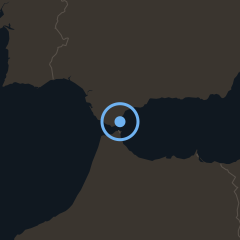 GibraltarA 2026 UK-EU treaty ended border checks with Spain; Schengen checks now happen at its port and airport.Self-governing
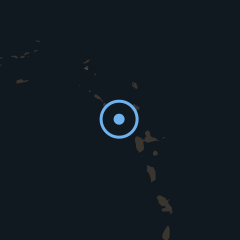 MontserratVolcanic eruptions from 1995 buried the capital Plymouth, and about two-thirds of the people left.Self-governing