Free association with New Zealand · South Pacific
Niue
Free associationUpdated November 16, 2026
Niue is a self-governing state in free association with New Zealand. It lies about 600 km from Nukuʻalofa, the capital of Tonga. It has governed itself since October 19, 1974, after voters chose free association in a UN-observed referendum. All Niueans are New Zealand citizens. New Zealand assists with defense when Niue asks. Donor support, including New Zealand budget support, makes up over a third of government revenue. The 2022 census counted 1,681 people on Niue. In 2023, 34,944 Niueans lived in New Zealand.
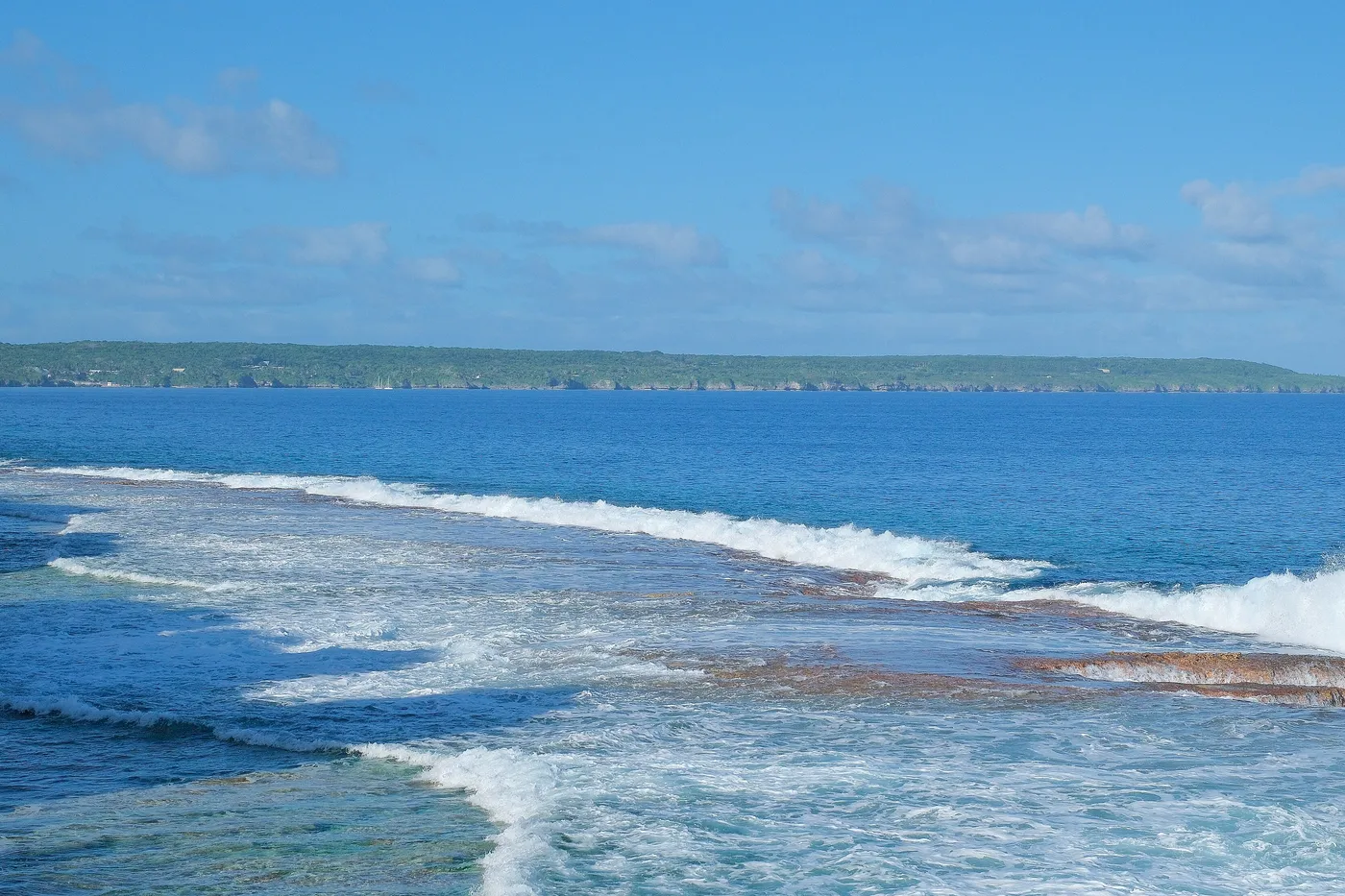

- Capital
- Alofi
- population 187 in Alofi North (2022 census)
- GDP per person
- NZ$31,810
- 2024, Niue Ministry of Finance
- Niueans in NZ
- 34,944
- 2023 NZ census, vs. 1,681 on Niue
- EEZ
- About 297,000 km²
- 40% is a no-take marine reserve
- From Wellington
- 2,900 km
- as the crow flies
 New Zealand
Niue in 30 seconds
- Niue is a self-governing state in free association with New Zealand. All Niueans are New Zealand citizens and travel on New Zealand passports. Niue makes its own laws but is not a member of the United Nations.
- The 2022 census counted 1,681 people on Niue. About 34,944 Niueans live in New Zealand. The population peaked at 5,194 in 1966 and has fallen by about two-thirds since.
- New Zealand provides budget support of NZ$15 million a year and plans to spend NZ$125.58 million on Niue from 2024 to 2027. Donor support makes up over a third of all government revenue.
- Niue has set aside 40% of its exclusive economic zone as a no-take marine reserve called Moana Mahu. The country sells ocean conservation commitments at NZ$250 per square kilometer to fund protection of the reserve.
Is Niue a country?
Niue is a self-governing state in free association with New Zealand. It has made its own laws since October 19, 1974. The Niue Constitution Act 1974 sets out the arrangement. Niue runs its own police, courts, taxes, fisheries and immigration. New Zealand assists with foreign affairs and defense when Niue requests it.
All Niueans are New Zealand citizens and travel on New Zealand passports. Niue shares New Zealand's head of state, King Charles III. Niue is not a member of the United Nations, but the UN Secretariat recognized its full treaty-making capacity in 1994. It belongs to the World Health Organization, UNESCO and the Pacific Islands Forum.
As of late 2026, about 29 to 31 states have diplomatic relations with Niue. The United States recognized Niue on September 25, 2023. US President Joe Biden called Niue and the Cook Islands "independent and sovereign" states. New Zealand said the US move did not change its constitutional relationship with Niue. Germany established relations on February 3, 2026. China has had relations with Niue since 2007.
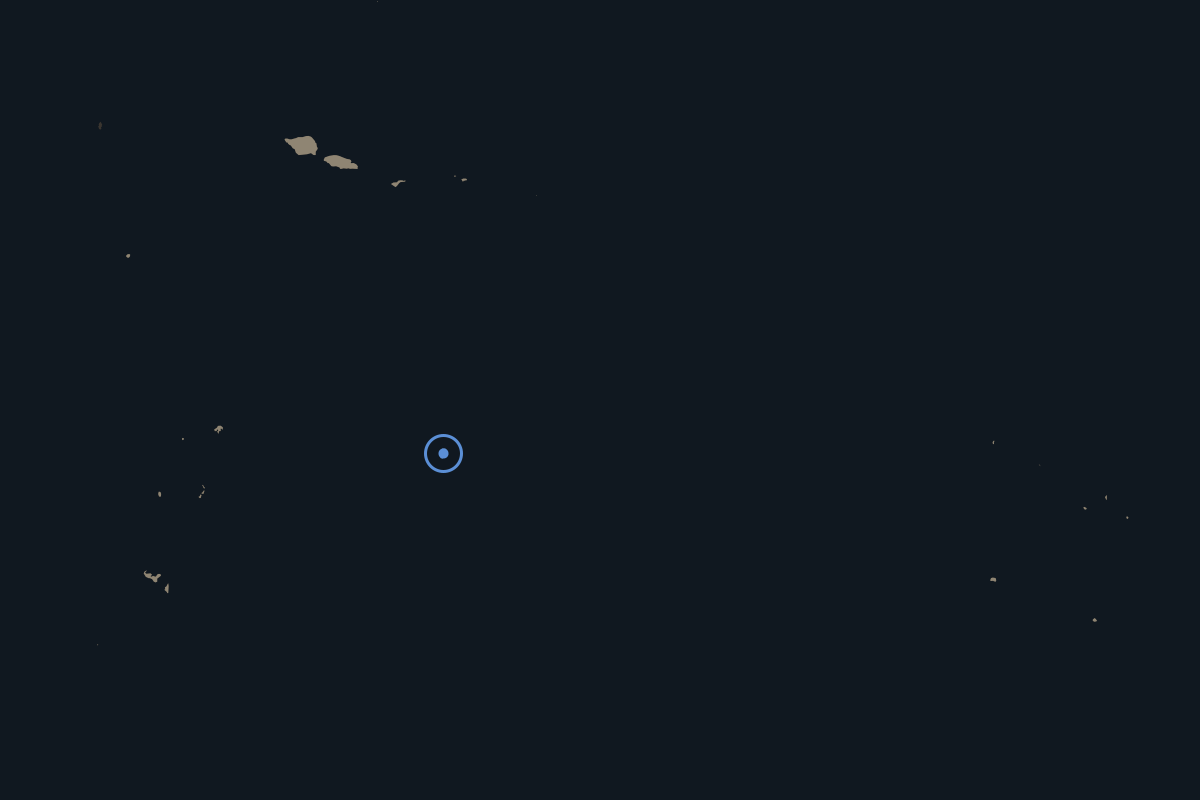 Niue
Tonga
Samoa
American Samoa
Cook Islands
Pacific Ocean
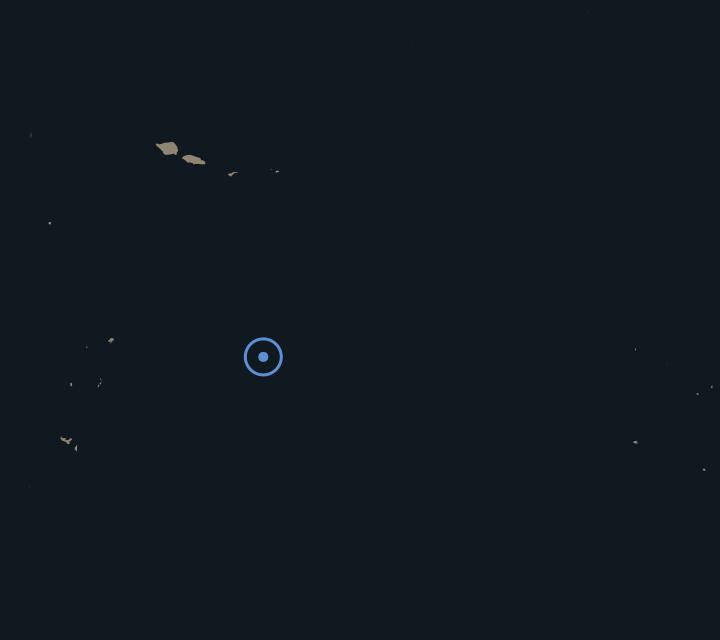 Niue
Tonga
Samoa
American Samoa
Cook Islands
Pacific Ocean
Why do most Niueans live in New Zealand?
About 34,944 people of Niuean ethnicity live in New Zealand, according to the 2023 New Zealand census. The 2022 census counted 1,681 people on Niue itself. That is roughly a 20-to-1 ratio.
Niue's population peaked at 5,194 in 1966. The international airport opened in 1971 and emigration to New Zealand accelerated. Many Niueans left before the 1974 self-government vote because they mistakenly believed it would end their right to live in New Zealand. Between 1966 and 1984, Niue lost over 40% of its population.
The pull factors have not changed. Niueans are New Zealand citizens with free entry. New Zealand offers more jobs, better health care and more schools. Prime Minister Dalton Tagelagi acknowledged the problem in October 2024. Almost a quarter of Niue's residents were born in New Zealand.
Niueans in New Zealand vs. people on Niue
Who runs Niue?
Prime Minister Dalton Tagelagi has led Niue since June 11, 2020. He won a third term on May 13, 2026, elected 11 votes to 9 by the Niue Assembly. He won his own village seat, Alofi South, by a single vote, 111 to 110. Tagelagi is a Commonwealth Games lawn bowler who competed in 2014, 2018 and 2022. His father was Speaker of the Assembly from 1972 to 1996.
The title changed from Premier to Prime Minister after a referendum on August 31, 2024. Tagelagi's four-member cabinet is gender-balanced. There are no political parties in Niue. All 20 members of the Assembly are independents.
The Assembly has 14 village seats and 6 common-roll seats elected nationwide. A record 7 women won seats in the 2026 election. Elections are held every 3 years. A proposal to extend the term to 4 years was rejected in the 2024 referendum.
Prime minister's vote, May 13, 2026
11-9
Dalton Tagelagi re-elected
Tagelagi beat Emani Fakaotimanava-Lui for his third term. He won his own Alofi South seat by one vote, 111 to 110. The 2026 election returned a record 7 women to the 20-seat Assembly.
How does Niue pay for itself?
New Zealand is the main funder. Budget support was raised from NZ$12.8 million to NZ$15 million a year in June 2024. New Zealand Prime Minister Christopher Luxon called it "essentially Niue's operating budget." New Zealand plans to spend NZ$125.58 million on Niue from July 2024 to June 2027. Donor support, including New Zealand's budget support, makes up over a third of all government revenue.
Niue's GDP was NZ$49.8 million in 2024, with real growth of 8.7%. The government says Niue is debt-free and has a policy of not borrowing. Tourism was about 28% of GDP before COVID. Visitors reached 10,264 in 2024, close to the pre-COVID peak of about 11,700. The government also earns revenue from bulk fuel sales. Separately, Niue sells ocean conservation commitments. Each one sponsors 1 square kilometer of the marine reserve for 20 years at NZ$250. The program had raised NZ$15 million by January 2026.
Ocean Conservation Commitments
NZ$15 m
Raised by January 2026
Niue sells protection of its no-take marine reserve at NZ$250 per km² for 20 years. The target is NZ$32 million. Backers include the Bezos Earth Fund (US$4 million), over 500 individuals and 24 companies from 33 countries. The Niue Ocean Wide (NOW) Trust is a 2026 Earthshot Prize finalist.
Why is Niue fighting over the .nu internet domain?
Niue's government calls its country-code internet domain, .nu, a national asset and has tried for years to control it. The domain is run from Sweden by the Swedish Internet Foundation. About 227,485 .nu domain names were registered as of March 2024. Roughly two-thirds are held by Swedes, because "nu" means "now" in Swedish.
In 2000, the Niue government passed a law declaring itself the prime authority over .nu. In 2018, Niue sued the Swedish Internet Foundation in Sweden. Niue's lawyers estimated that the foundation had earned between US$27 million and US$37 million from .nu and put Niue's total lost revenue at US$150 million. Former Premier Toke Talagi called the situation "neo-colonialism."
Niue lost at the district court in March 2024 and was ordered to pay about US$250,000 in costs. On June 5, 2025, the Svea Court of Appeal dismissed Niue's appeal, finding that the Swedish Internet Foundation had followed the rules. That ruling effectively ended the Swedish litigation.
The .nu domain dispute
- 1997.nu is delegated to the IUSN Foundation, based in Massachusetts
- 2000Niue passes a law declaring the government the prime authority over .nu
- 2013Operation of .nu passes to the Swedish Internet Foundation
- 2018Niue sues the Swedish Internet Foundation in Sweden
- 2020Niue loses at the district court and files a redelegation request with ICANN
- 2024District court rules for the Swedish Internet Foundation. Niue ordered to pay about US$250,000
- 2025Svea Court of Appeal dismisses Niue's appeal, effectively ending the case
What did Cyclone Heta do to Niue?
Cyclone Heta struck Niue on January 5, 2004 (local time). It destroyed the island's only hospital, much of Alofi and the Huanaki museum, which lost over 90% of its collection. About 200 of roughly 1,600 people were left homeless. One or two people died, depending on the source.
Damage was estimated at over NZ$85 million, about 5 times Niue's GDP at the time. New Zealand sent NZ$5 million in immediate aid. The recovery plan cost over NZ$20 million. The hospital was rebuilt on a different site with help from the World Health Organization and the European Union.
After the cyclone, New Zealand Foreign Minister Phil Goff publicly questioned whether self-government was viable for Niue. Premier Young Vivian rejected any change to the constitutional arrangement. The cyclone accelerated emigration from an island that was already losing people.
Why does Niue matter?
Ocean conservation
Niue has set aside 40% of its exclusive economic zone, about 127,000 km², as the Moana Mahu no-take marine reserve. Its ocean sponsorship program raised NZ$15 million by January 2026. The Niue Ocean Wide Trust is a 2026 Earthshot Prize finalist for this work.
Depopulation
Niue's population fell from 5,194 in 1966 to 1,681 in 2022. About 34,944 Niueans live in New Zealand. In 2024, Niue's leaders debated how to stop the decline, including opening the island to immigration.
Pacific geopolitics
The United States recognized Niue in 2023. Media such as Al Jazeera reported the move as part of a US effort to counter China's influence in the Pacific. Niue has had relations with China since 2007. New Zealand signed a Political Declaration with Niue in November 2025.
Aid dependence
New Zealand gives Niue NZ$15 million a year in budget support. Donor support makes up over a third of all government revenue. The government says Niue is debt-free. Its 2026/27 budget, presented in June 2026, projected a deficit of NZ$17.6 million.
Questions about Niue
Are Niueans New Zealand citizens?
Yes. Under New Zealand law, all Niueans are New Zealand citizens. They travel on New Zealand passports. Niue does not have its own passport. Prime Minister Dalton Tagelagi said in January 2025 that Niue would not pursue one.
What currency does Niue use?
The New Zealand dollar. Niue has issued collector coins called Niue dollars since 1966, featuring designs like Star Wars and Disney characters. These are legal tender in Niue but almost never circulate.
How do you get to Niue?
By air, through Hanan International Airport near Alofi. Niue is about 600 km from Nukuʻalofa, the capital of Tonga, and 2,480 km from Auckland. The airport opened in 1971.
Is Niue a member of the United Nations?
No. Niue is not a UN member state and is not on the UN list of non-self-governing territories. The UN observed the 1974 self-determination vote and concluded that Niueans had exercised their right to self-determination. The UN Secretariat recognized Niue's treaty-making capacity in 1994.
How many tourists visit Niue?
Niue had 10,264 visitors in 2024, close to the pre-COVID peak of about 11,700. Niue is known for humpback whale watching from July to October. Visitors can swim with whales and see them less than 100 meters from shore.
What language do people speak on Niue?
Niuean and English. Niuean is the indigenous Polynesian language, called Vagahau Niue. English is widely used in government and business.