
The whole world, on a globe you can turn.
The World tab is a 3D globe of the things that shape events: active wars, chokepoints, shipping lanes, pipelines, oil fields and mines. Tap any of them and Orbis opens its dossier.
-
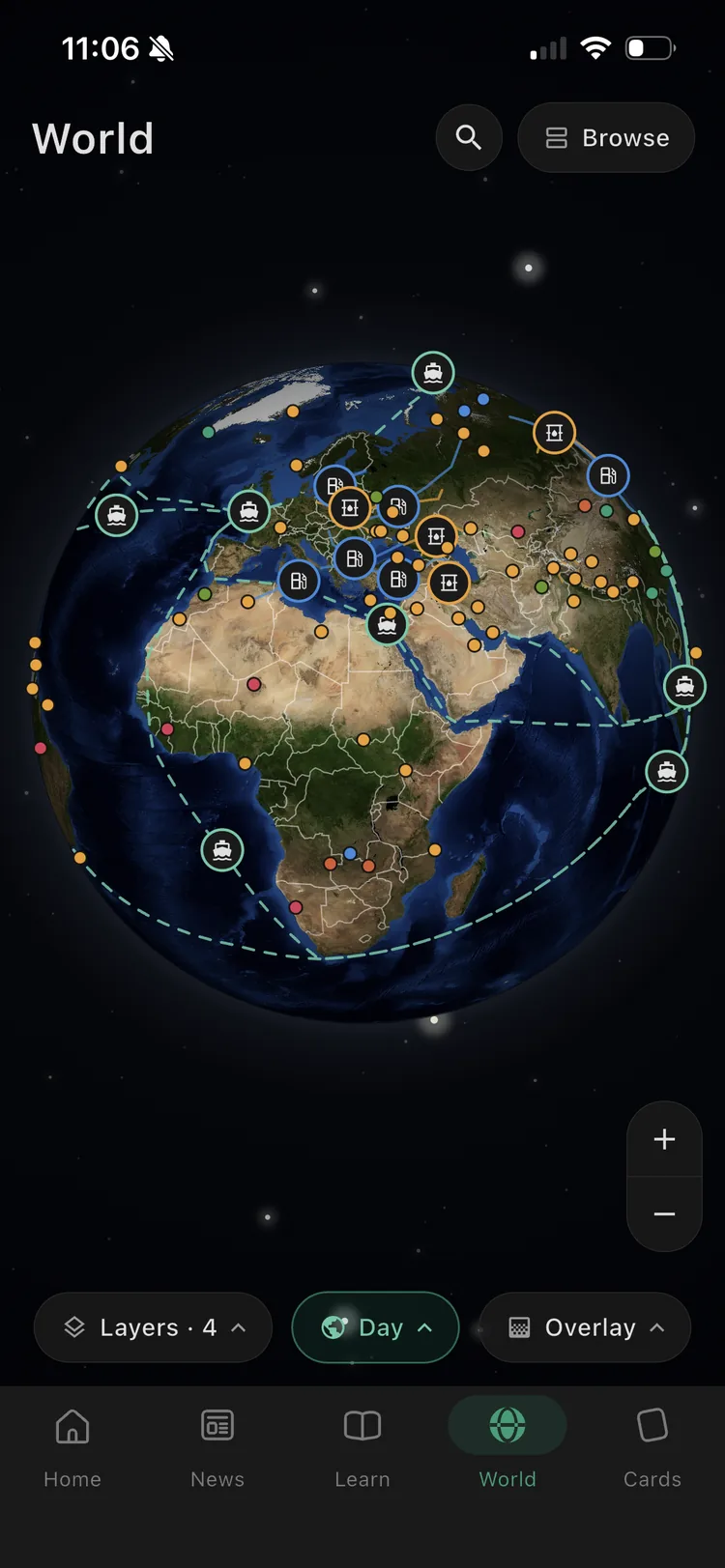
Everything on one globe
Nine flashpoints, eight chokepoints, ten trade routes and eleven pipelines. Turn layers on and off to see how they overlap.
-
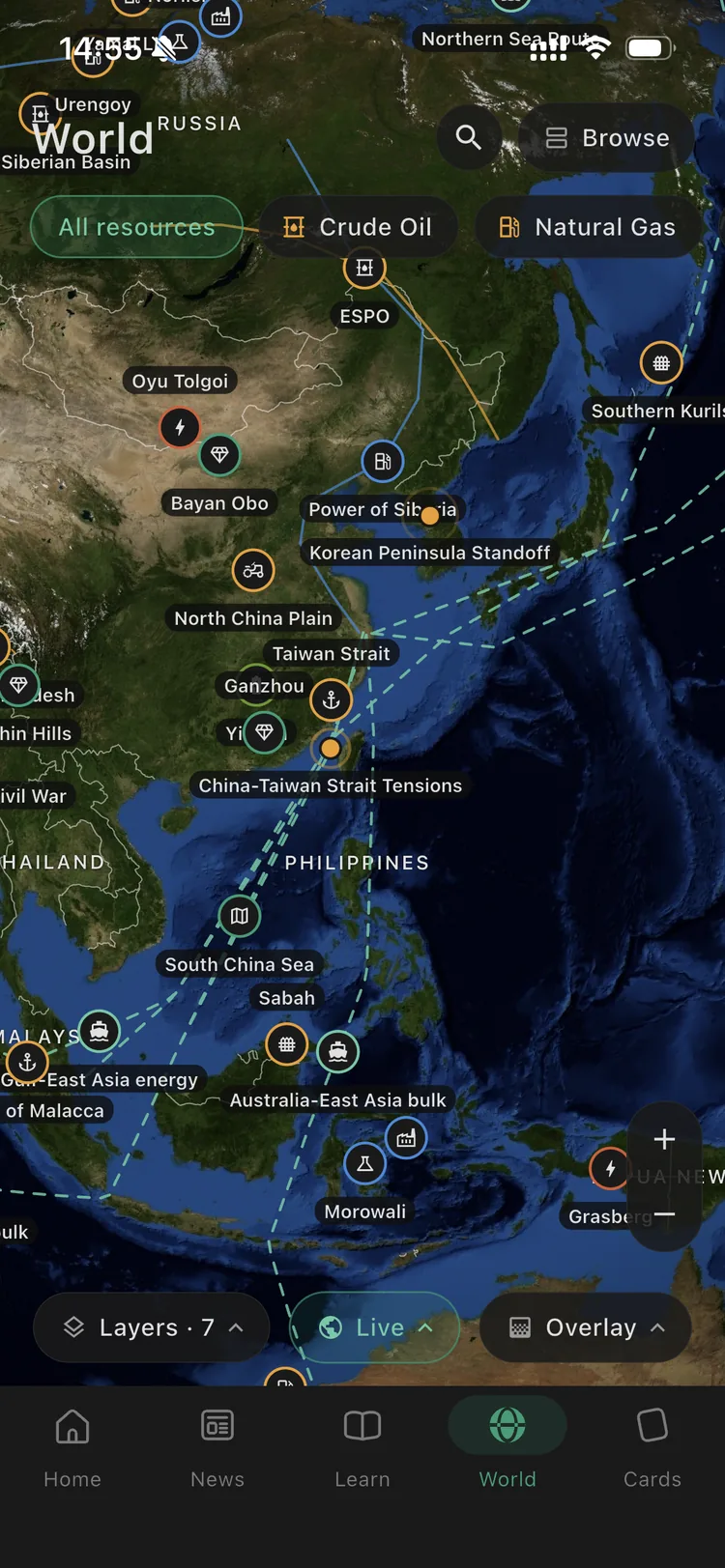
Trade routes and chokepoints
Follow the lanes that carry oil, ore and containers to China, Japan and Korea, through the Taiwan Strait and the Strait of Malacca.
-
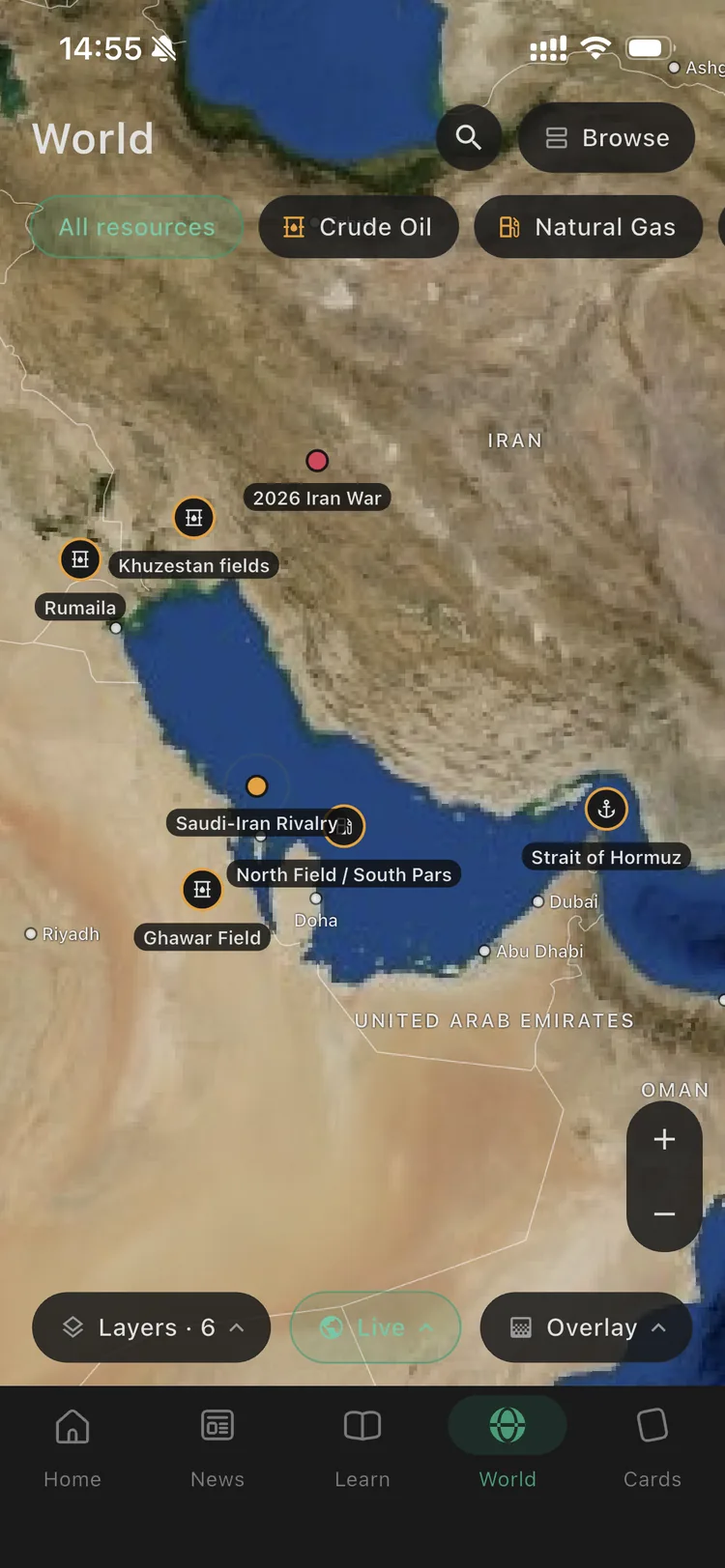
Tap anything for its dossier
Every oil field, strait, pipeline and conflict opens a page with the numbers, the history and the lessons that explain it.
Every headline has roots.
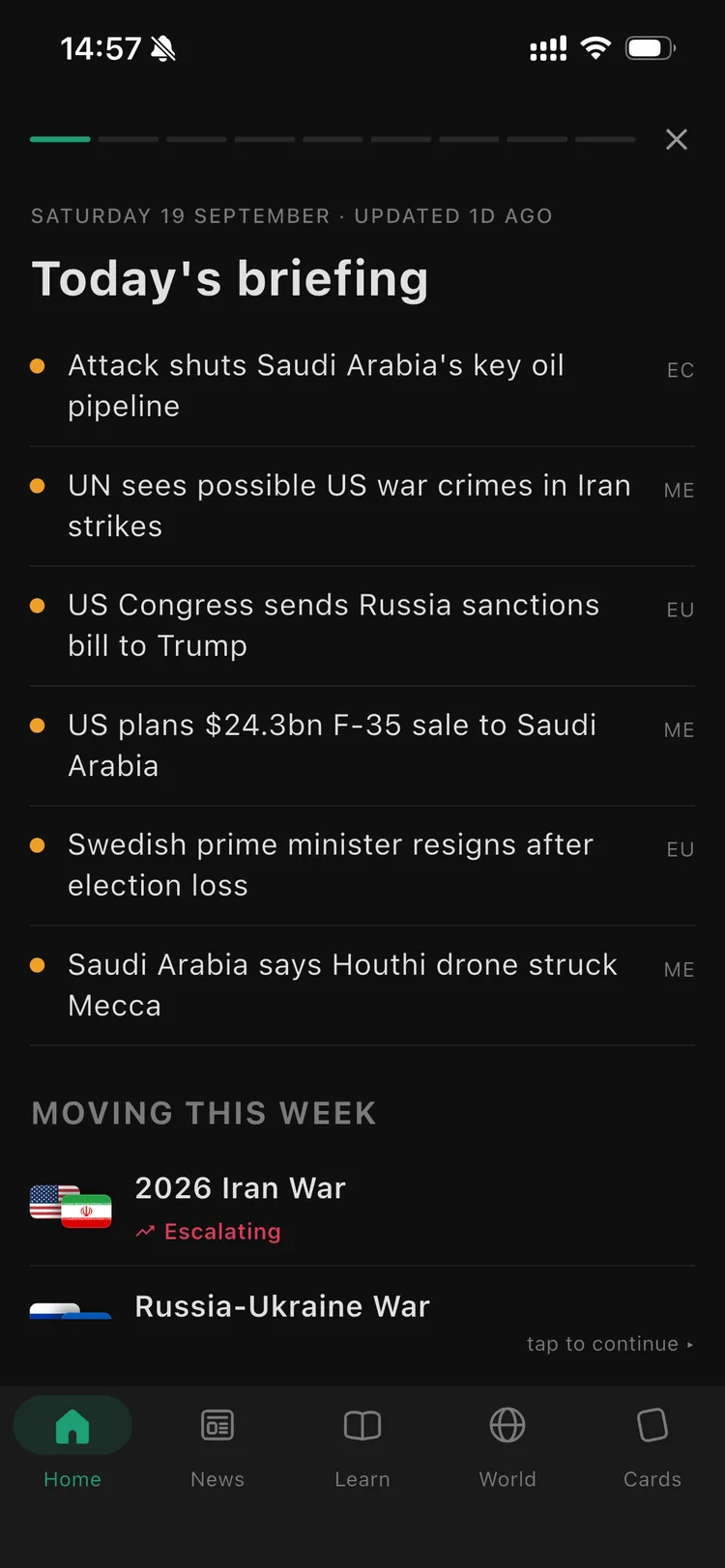
A border skirmish, a chip embargo, a currency in freefall: none of it comes from nowhere. Orbis connects today's news to the geography, history, and power plays underneath it, so a headline stops being noise and starts making sense.
- A fresh briefing every morning
- Every story linked to the lessons that explain it
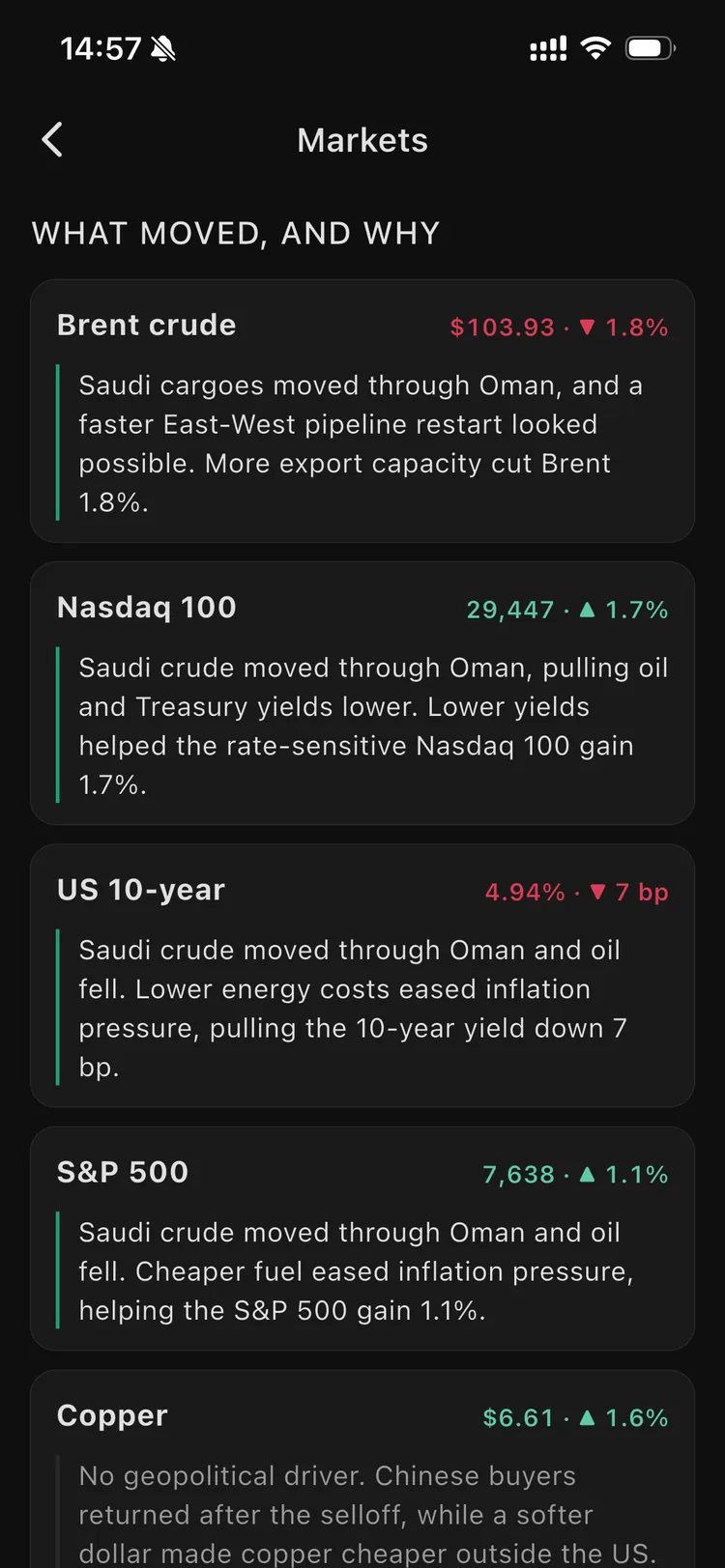
- Markets, with a plain note on what moved and why
Short lessons that explain why things happened.
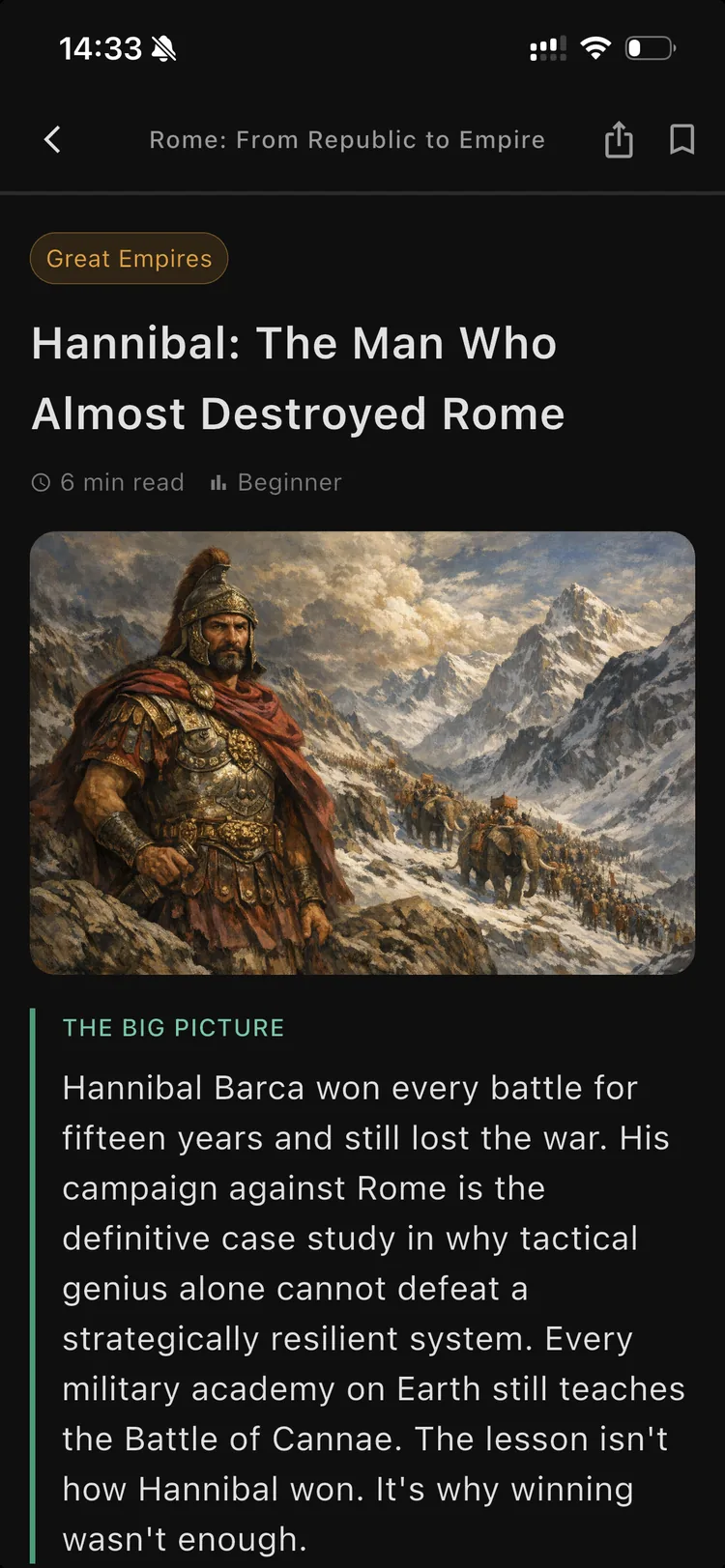
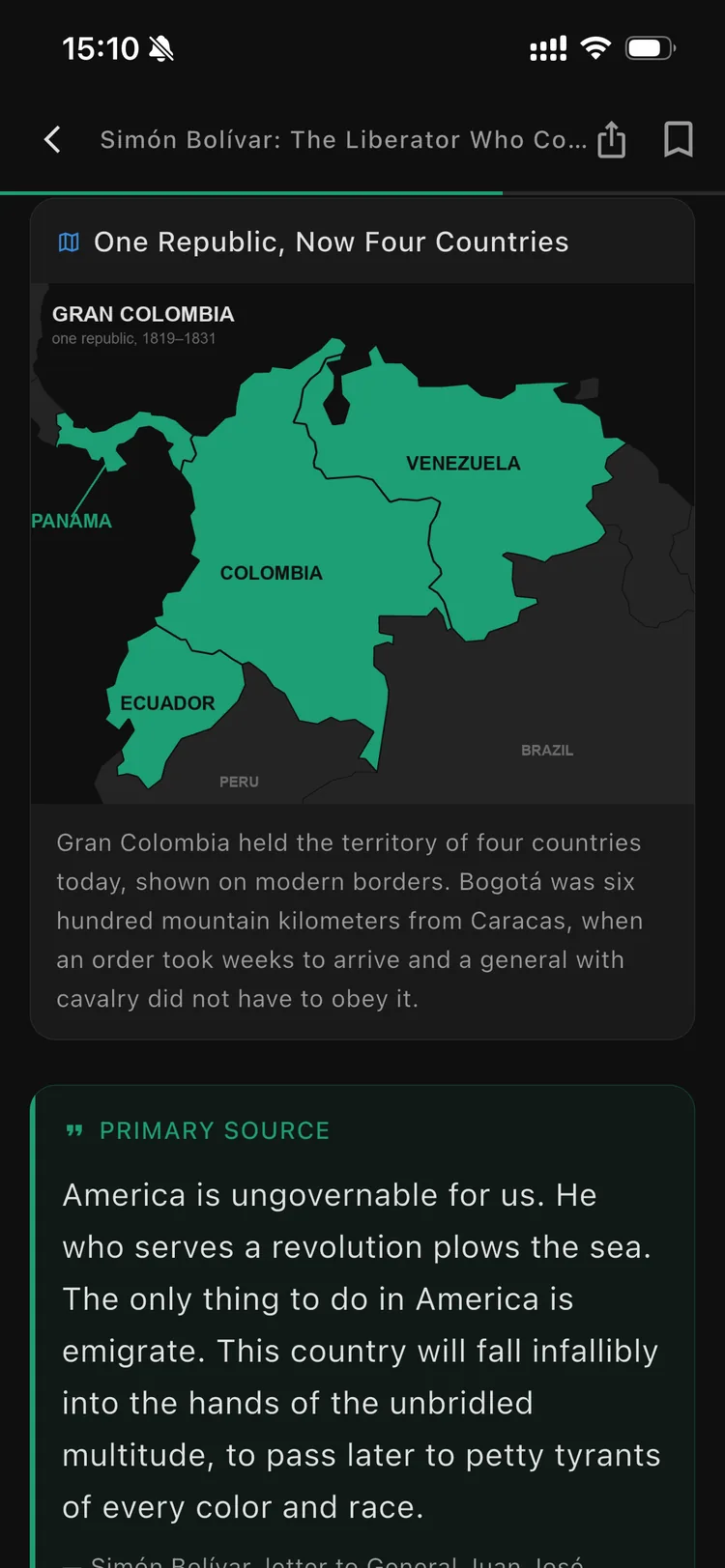
Five to fifteen minutes each. Every lesson is built around causation, not dates to memorize: why Hannibal won every battle and still lost the war, why Gran Colombia split into four countries.
- 5 to 15 minutes a lesson
- Maps and primary sources inside the text
- Standalone lessons and full courses
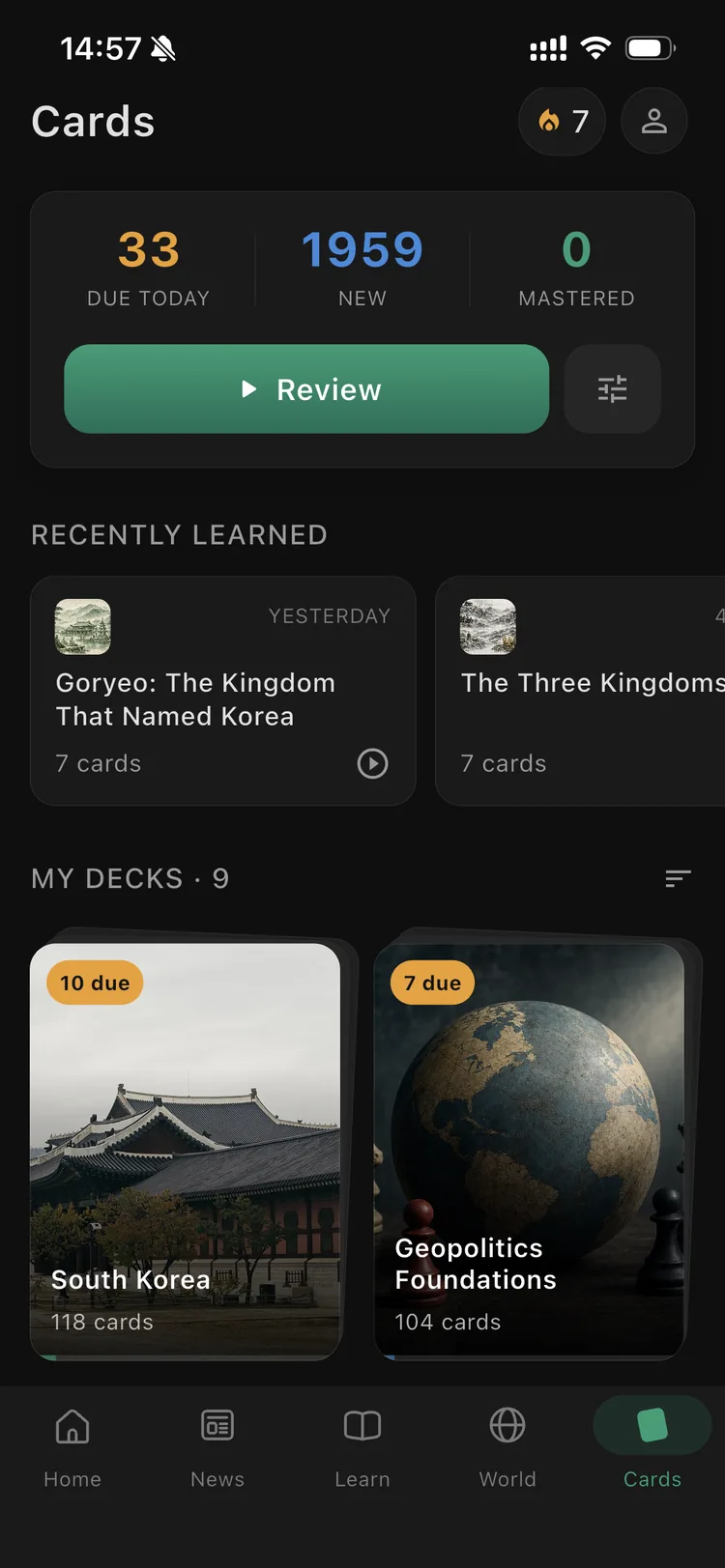
Remember it a year from now.
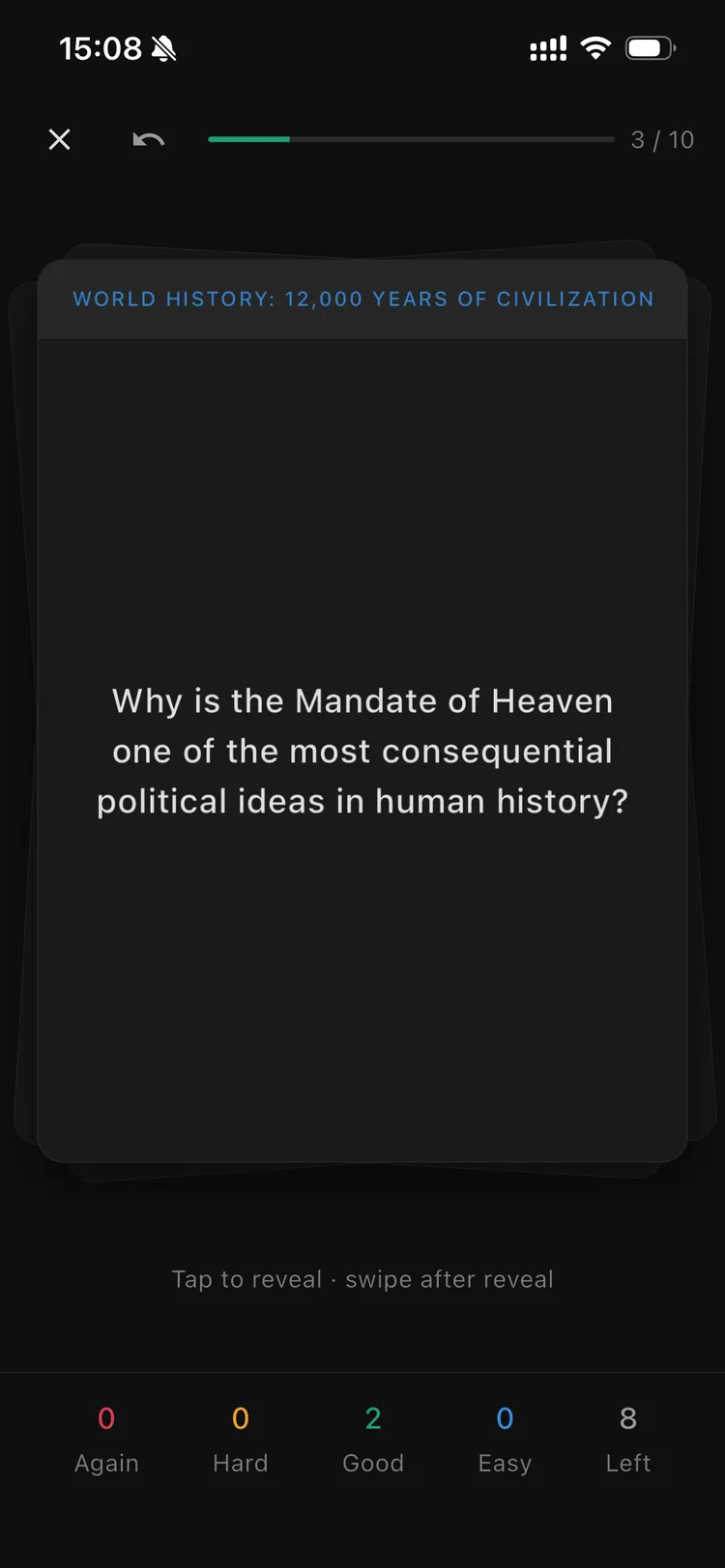
Nearly 5,000 flashcards built on spaced repetition. Orbis brings a card back just before you would forget it, so the names, maps and turning points stay with you instead of fading by next week.
- 4,900+ cards, tied to the lessons you have finished
- Questions that ask why, not only when
- A few minutes a day
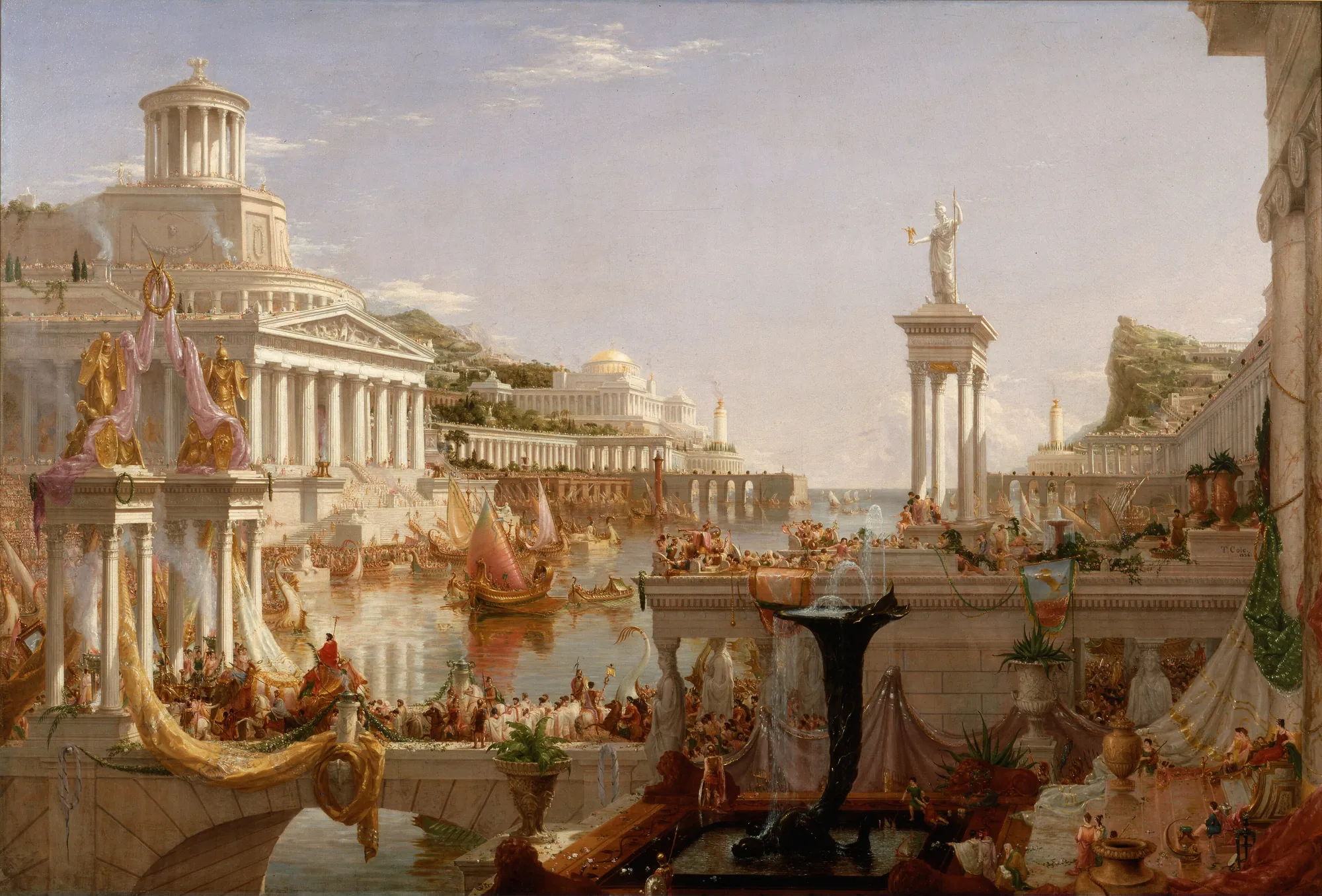
22 courses, from the founding of Rome to the fight over silicon.
A course takes one subject from its beginning to the present day, in short lessons you can finish in a sitting. There are also more than 80 standalone lessons.
Thomas Cole, The Consummation of Empire, 1836
Some of the courses
-
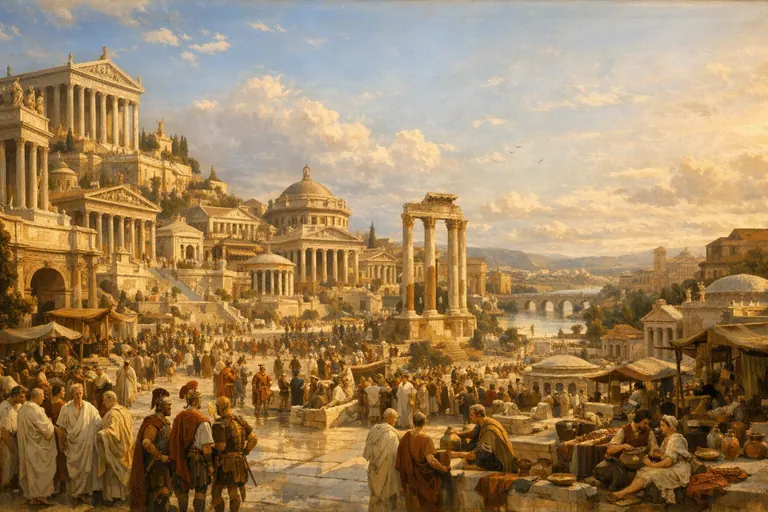
Course
Rome: From Republic to Empire
753 BC to 476 AD, 37 lessons
-
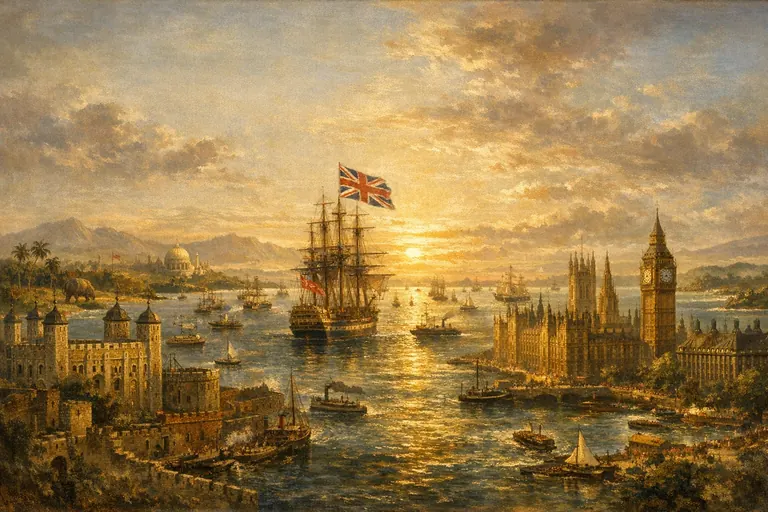
Course
The British Empire
1066 to 1997, 51 lessons
-
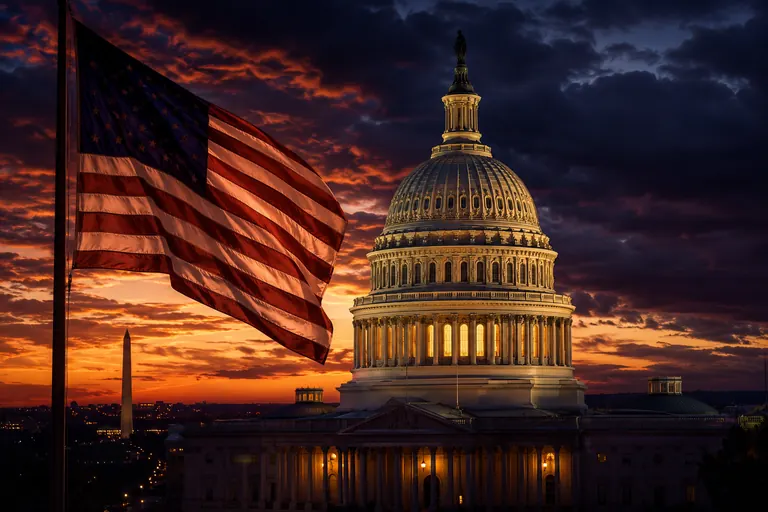
Course
The United States: Colonies to Superpower
1607 to 1991, 35 lessons
-
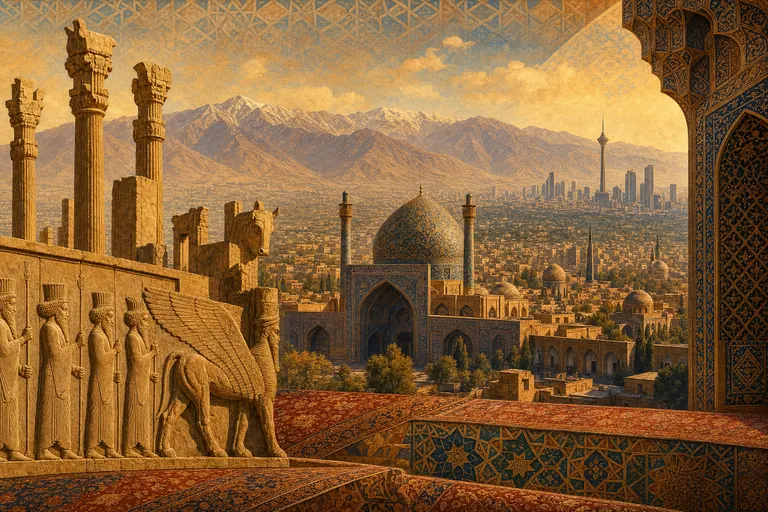
Course
Iran: From Persia to the Islamic Republic
550 BC to 2026, 27 lessons
-
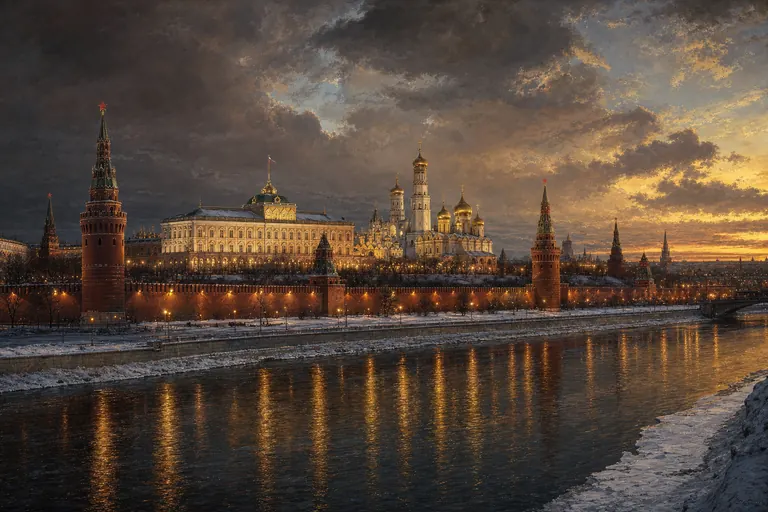
Course
Russia: Empire to Superpower
862 AD to 1991, 38 lessons
-
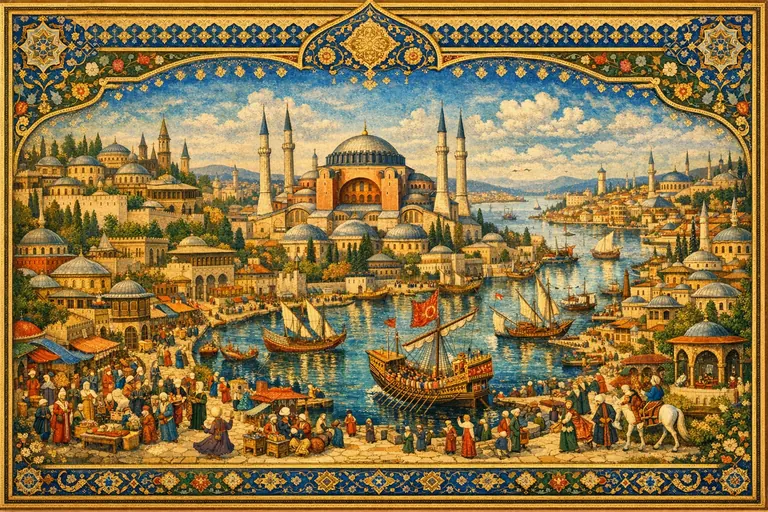
Course
The Ottoman Empire
1299 to 1923, 32 lessons
-
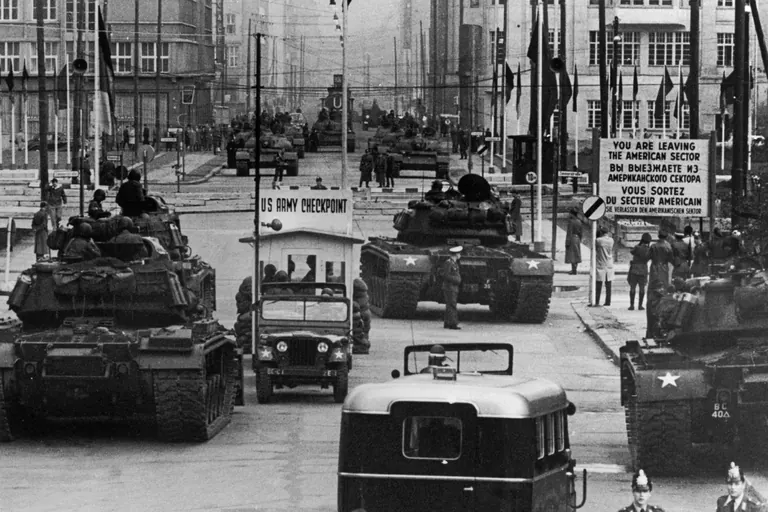
Course
The Cold War
1945 to 1991, 22 lessons
-
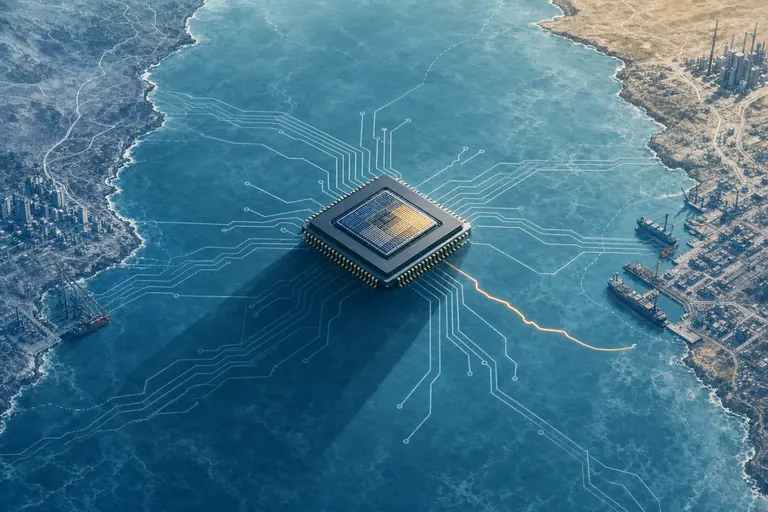
Course
The Chip War
1947 to 2026, 12 lessons
-
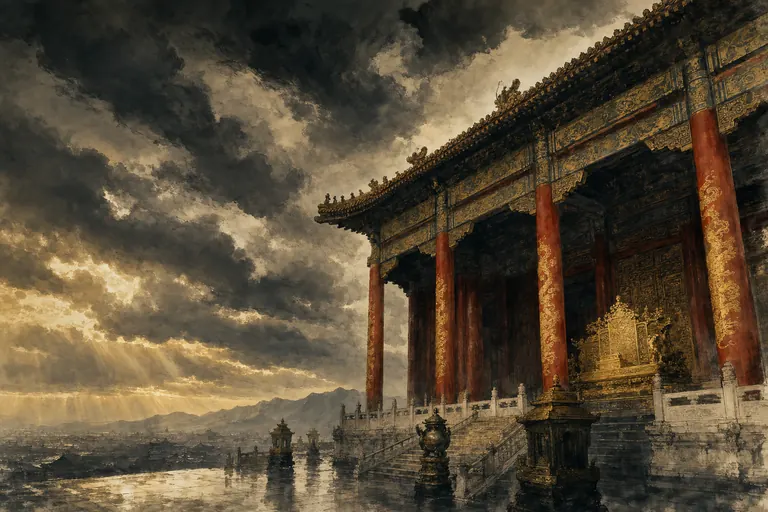
Course
China: The Fall of the Middle Kingdom
1368 to 1976, 29 lessons
-
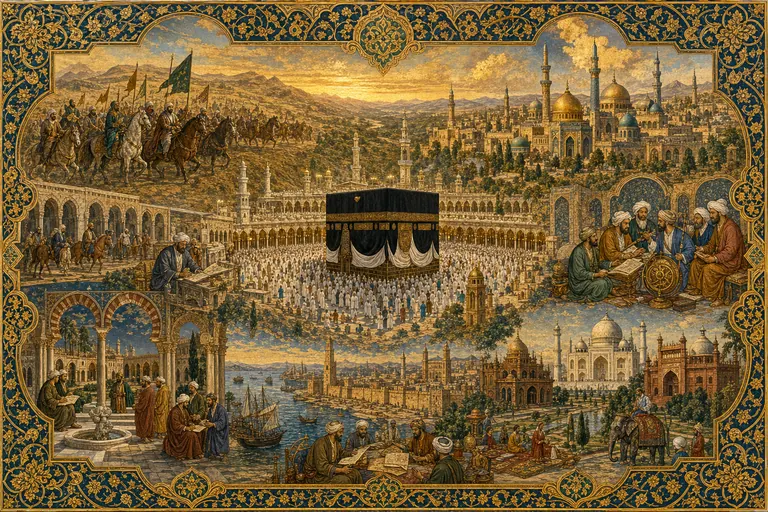
Course
Islam: 1,400 Years of Faith and Power
570 AD to 2026, 42 lessons
-
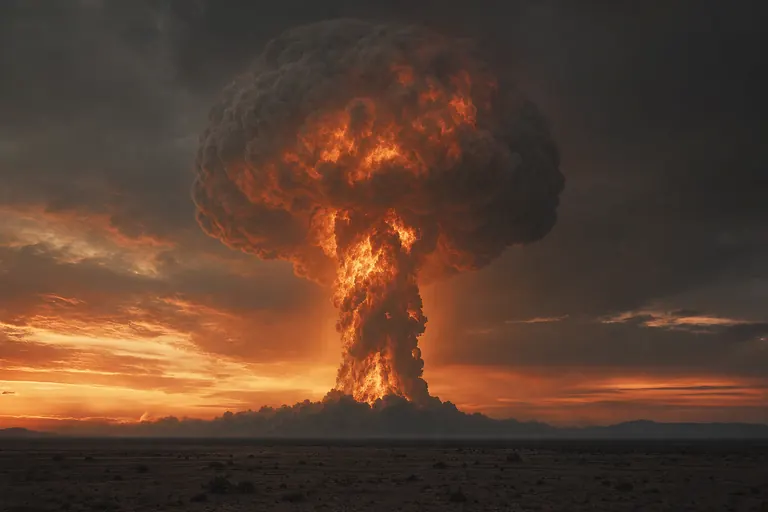
Course
The Bomb: A History of the Nuclear Age
1938 to 2026, 15 lessons
-
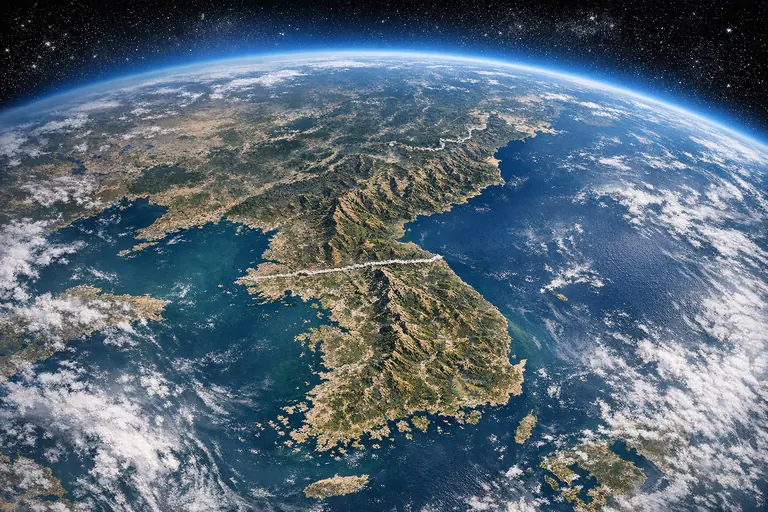
Course
The Korean Peninsula
57 BC to 2026, 24 lessons
-
Course
Geopolitics Foundations
12 lessons
A reference desk in your pocket.
When a name or a number comes up in the news, look it up. Orbis keeps pages on countries, leaders, alliances, companies and raw materials, and updates them as events move.
-
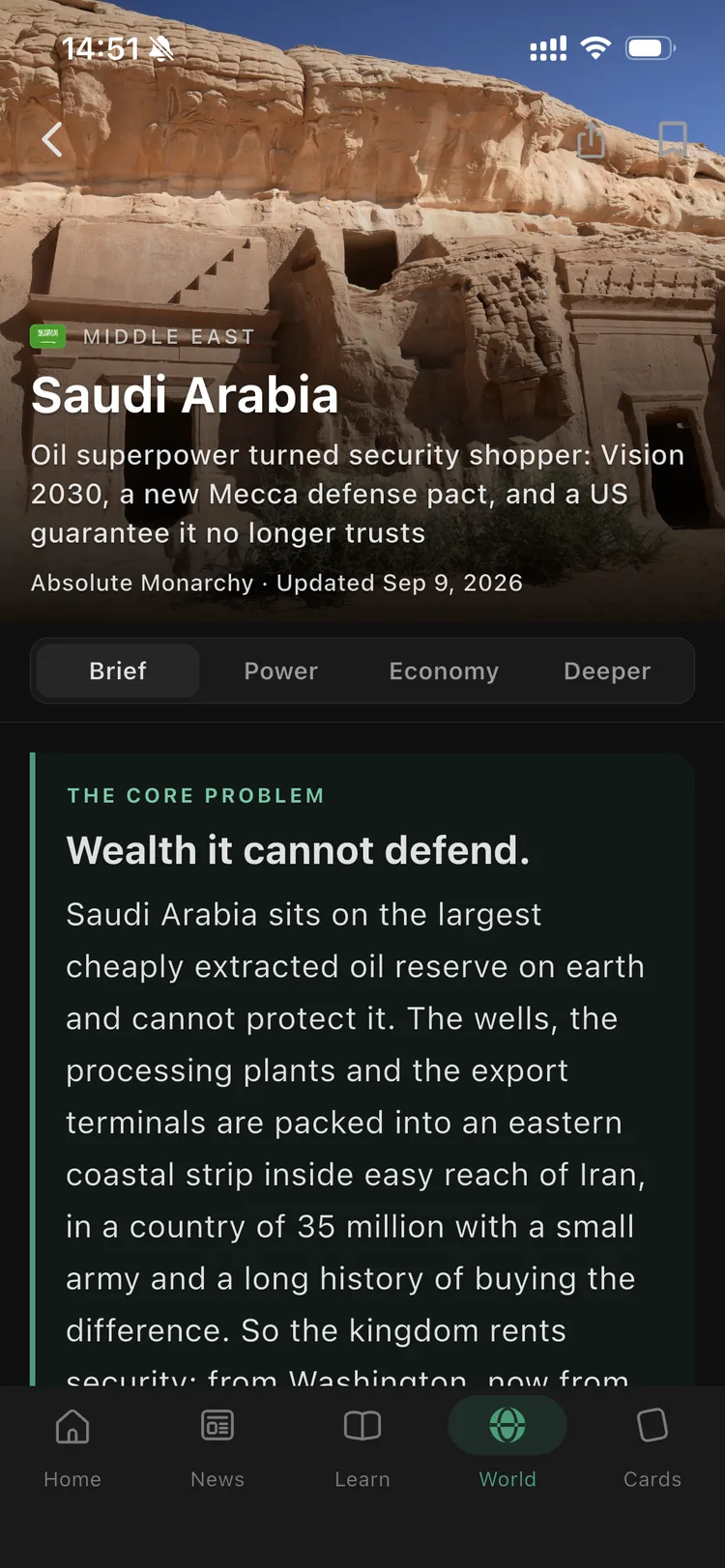
Countries
A brief on each major power: the core problem it faces, its economy, its military and the history behind both.
-
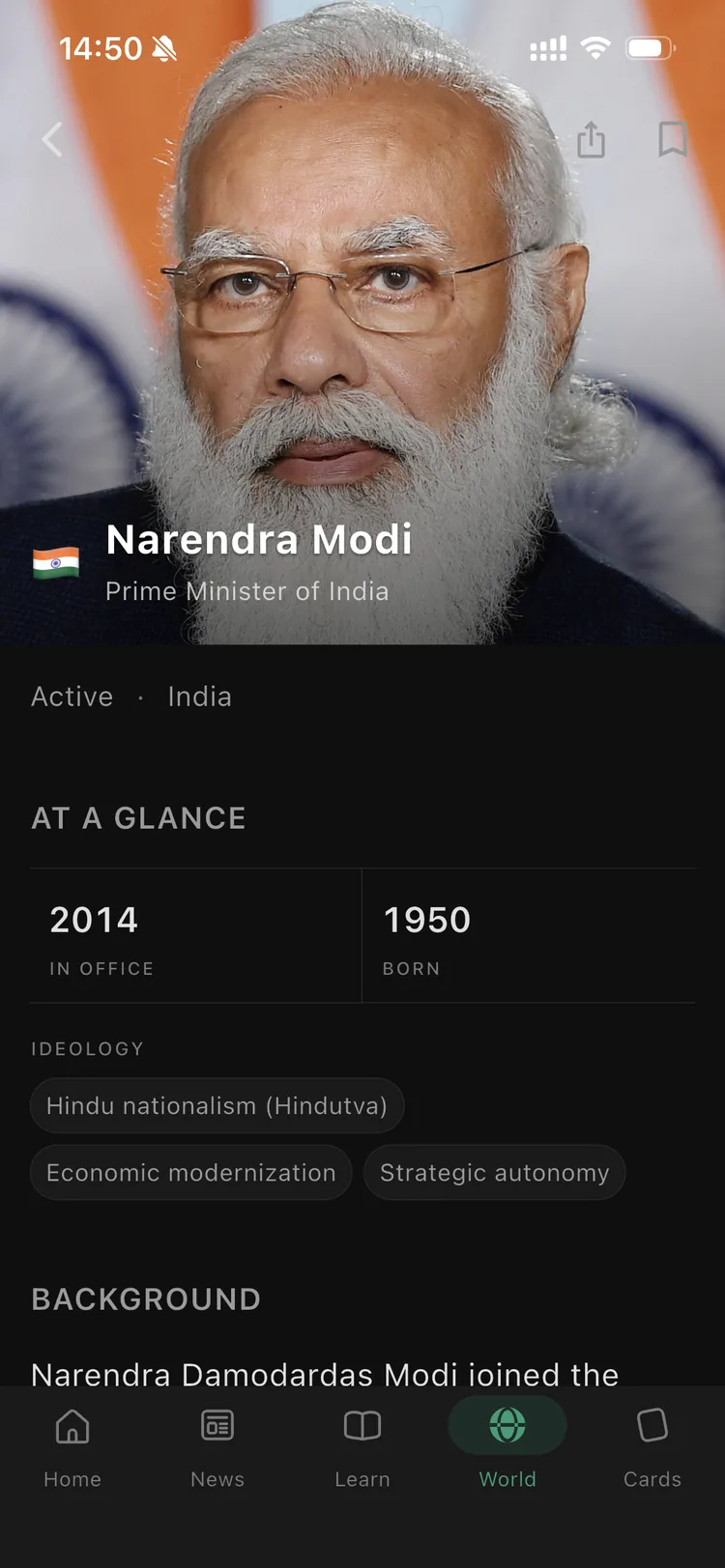
Leaders
Who holds power, since when, what they believe and how they got there.
-
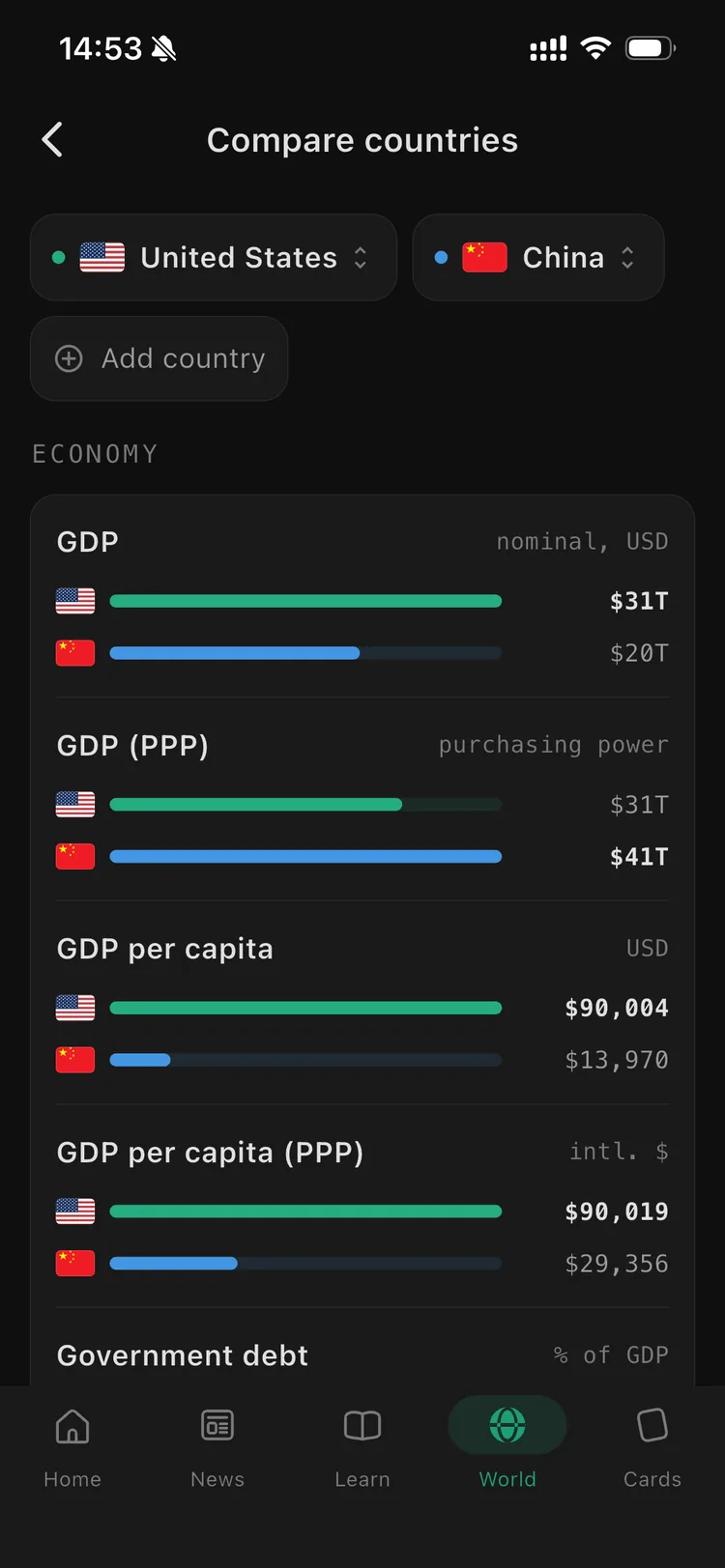
The numbers
Put two countries side by side, or rank the world on GDP, defence spending and population.
-
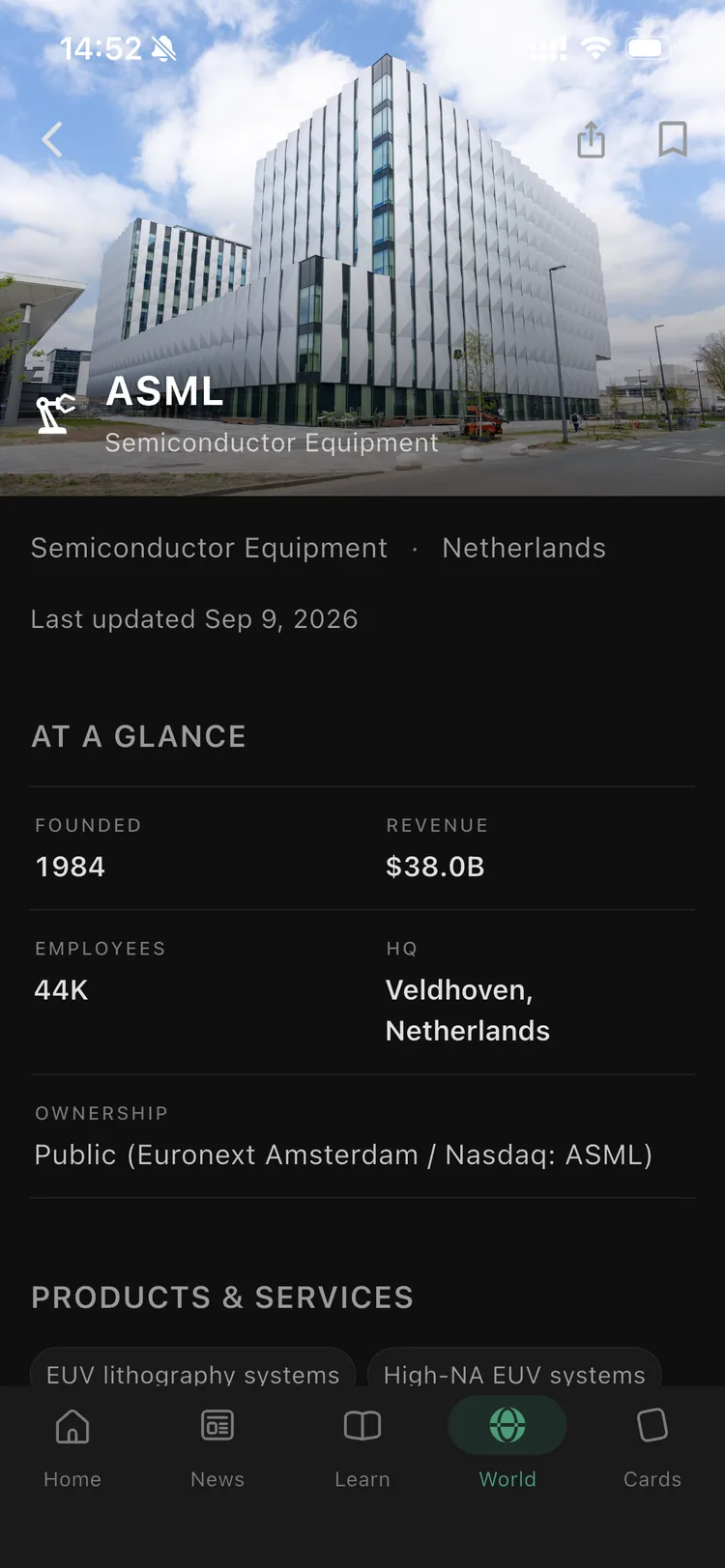
Companies
ASML, TSMC and the other firms that governments compete over, with what they make and who owns them.
-
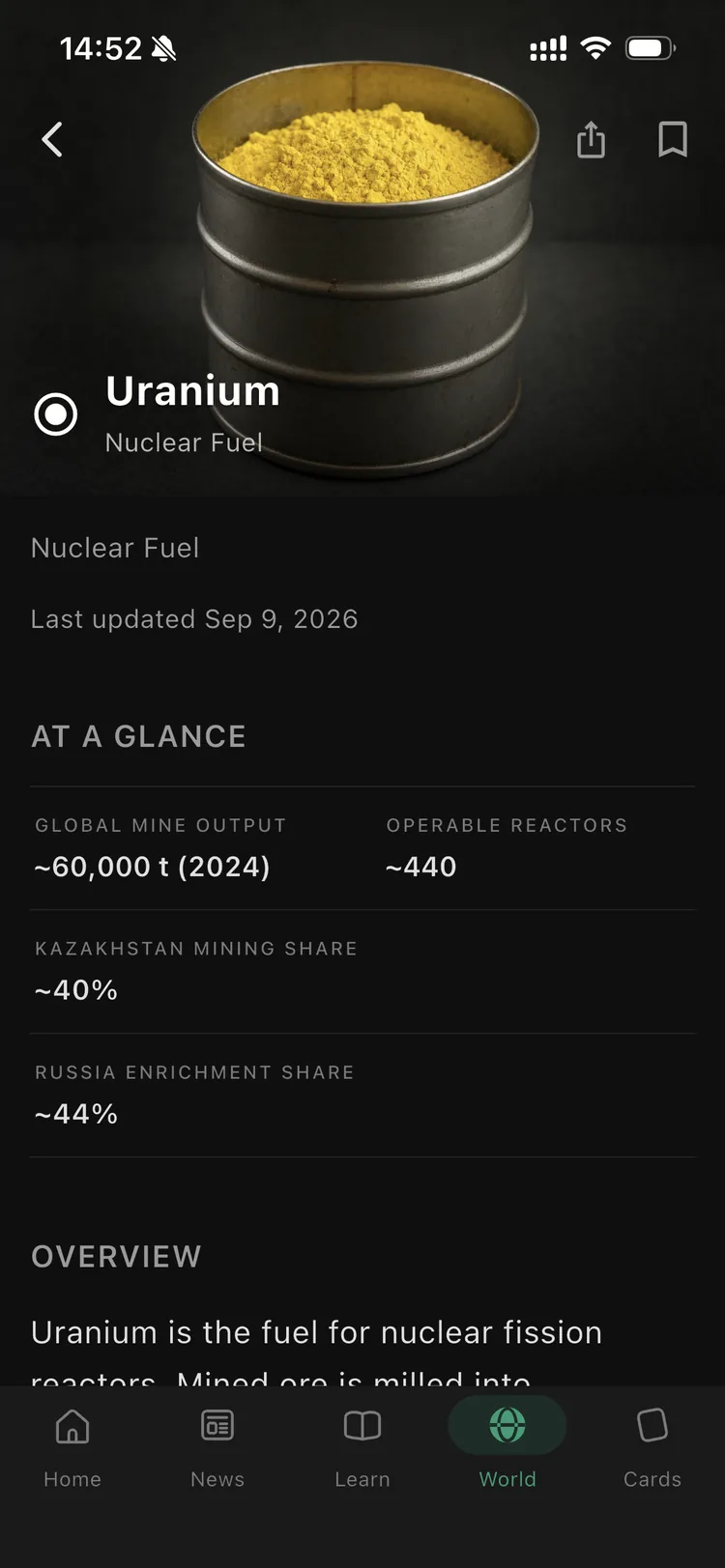
Resources
Uranium, copper, rare earths, oil: who mines them, who refines them and who depends on them.
What early readers say.
“I finally understand the headlines I used to skim past. Ten minutes on the train and the news actually connects.”
Sam, early access
“The flashcards are the part that got me. Things I'd normally forget by the weekend just stick now.”
Sebastian, early access
“It explains the why, not just the what. The Cold War course made more click in a week than school did in a term.”
Jannis, early access
Before you start.
Do I need a background in politics or history?
No. Lessons start from the ground up and build, so you can begin knowing nothing and still follow the thread. If you do know a bit already, you can skip ahead.
Is there a free version?
Orbis is subscription-only, but every plan starts with a 7-day free trial. You won't be charged today, and you can cancel anytime before the trial ends.
Can I cancel anytime?
Yes, in one tap from your App Store or Google Play account. No emails, no hoops.
What platforms is Orbis on?
iPhone and Android. Your progress and flashcards sync with your account across devices.
Is the content biased?
We focus on explaining how power, geography, and resources actually drive events: the mechanics, not a political agenda. The goal is to help you reason about the world, not to tell you what to think about it.