
Flashpoint · Nile basin
The Nile dam dispute
No talks since December 2023Updated October 31, 2026
Ethiopia inaugurated the Grand Ethiopian Renaissance Dam (GERD) on the Blue Nile on September 9, 2025. It is Africa's largest hydropower plant. Egypt gets about 97% of its fresh water from the Nile and calls the dam an existential threat. Egypt wants a binding agreement on how much water the dam must release in droughts. Ethiopia says such a deal would limit its right to use the river. No talks have been held since December 2023.
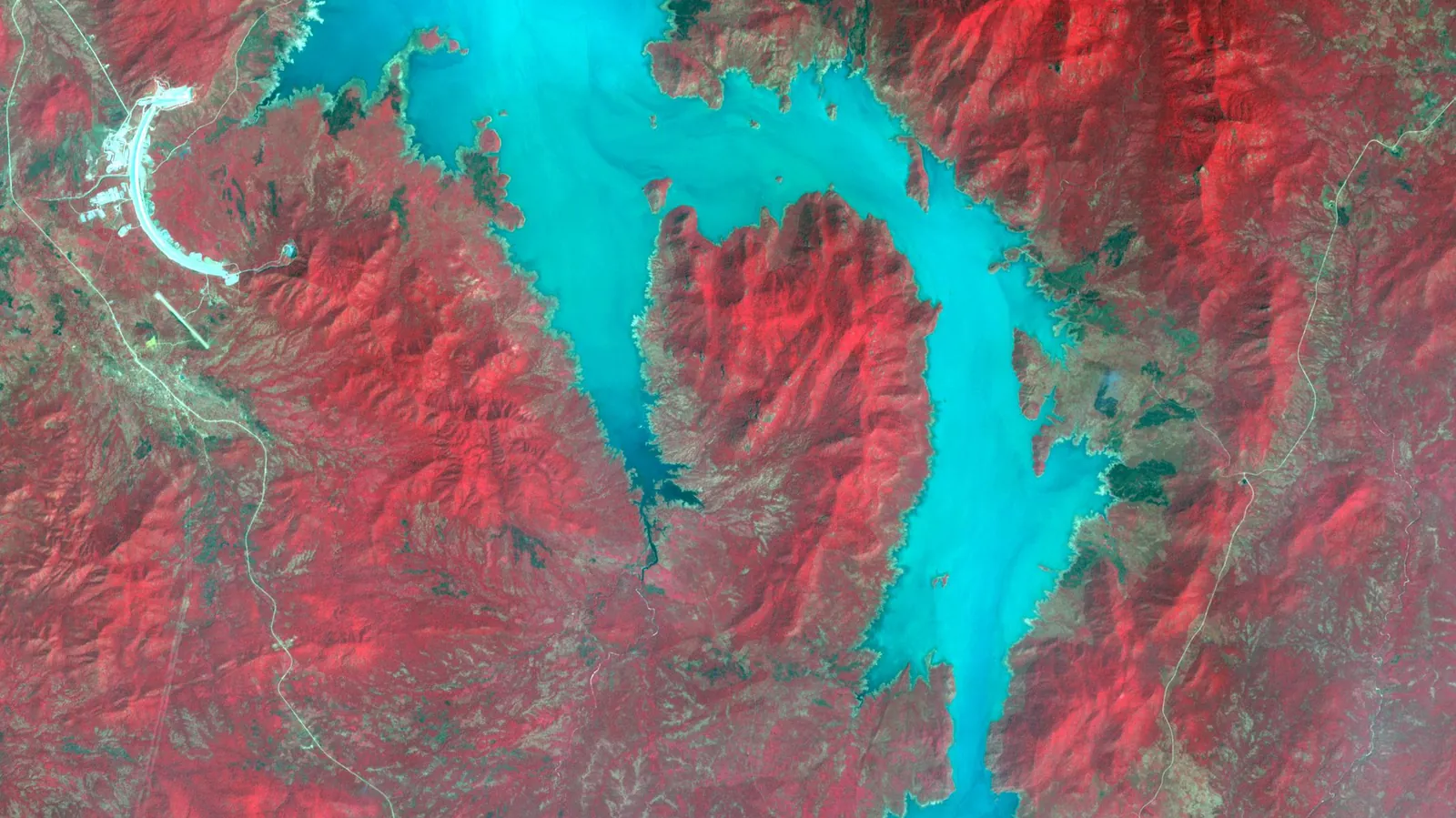
- Dam capacity
- 5,150 MW
- Africa's largest hydropower plant
- Reservoir
- 74 bn m³
- at full capacity
- Egypt's water from the Nile
- About 97%
- of its fresh water
- Last talks
- December 2023
- Egypt declared them over
Who backs whom in the Nile dam dispute?
The two sides, the countries that line up with each, and those that have tried to broker a deal.
- Upstream Nile statesUganda, Tanzania, Rwanda, Burundi and South Sudan ratified the Nile treaty that Egypt and Sudan reject
Upstream
 Ethiopia
Led by Prime Minister Abiy Ahmed. Built the dam to bring electricity to its people and to sell power abroad. Says the dam does not harm downstream countries and that Ethiopia needs no one's permission to use a river that rises on its land.
Downstream
 Egypt
Led by President Abdel Fattah el-Sisi. Gets about 97% of its fresh water from the Nile. Wants a binding agreement on releases in droughts and calls its Nile share a "historical and legal right."
 SudanBacked the dam under Omar al-Bashir. Now sides with Egypt and signed the El Alamein Declaration in October 2026
 EritreaMet Egypt and Somalia in Asmara in October 2024; signed the El Alamein Declaration
 SomaliaSigned a defense pact with Egypt in August 2024; signed the El Alamein Declaration
- Arab LeagueBacked Egypt and Sudan's call for UN Security Council action in June 2021
 United States · Hosted talks in 2019 and 2020. Trump offered to mediate again in January 2026. Egypt and Sudan welcomed it; Ethiopia has not taken it up.
African Union · Led talks in 2020 and 2021 without a deal. Ethiopia wants any talks to stay under the AU.
Confirmed
Where is the Nile dam?
The Blue Nile rises in Ethiopia and meets the White Nile at Khartoum. The dam stands about 14 km from Sudan's border and about 1,200 km from Egypt's.
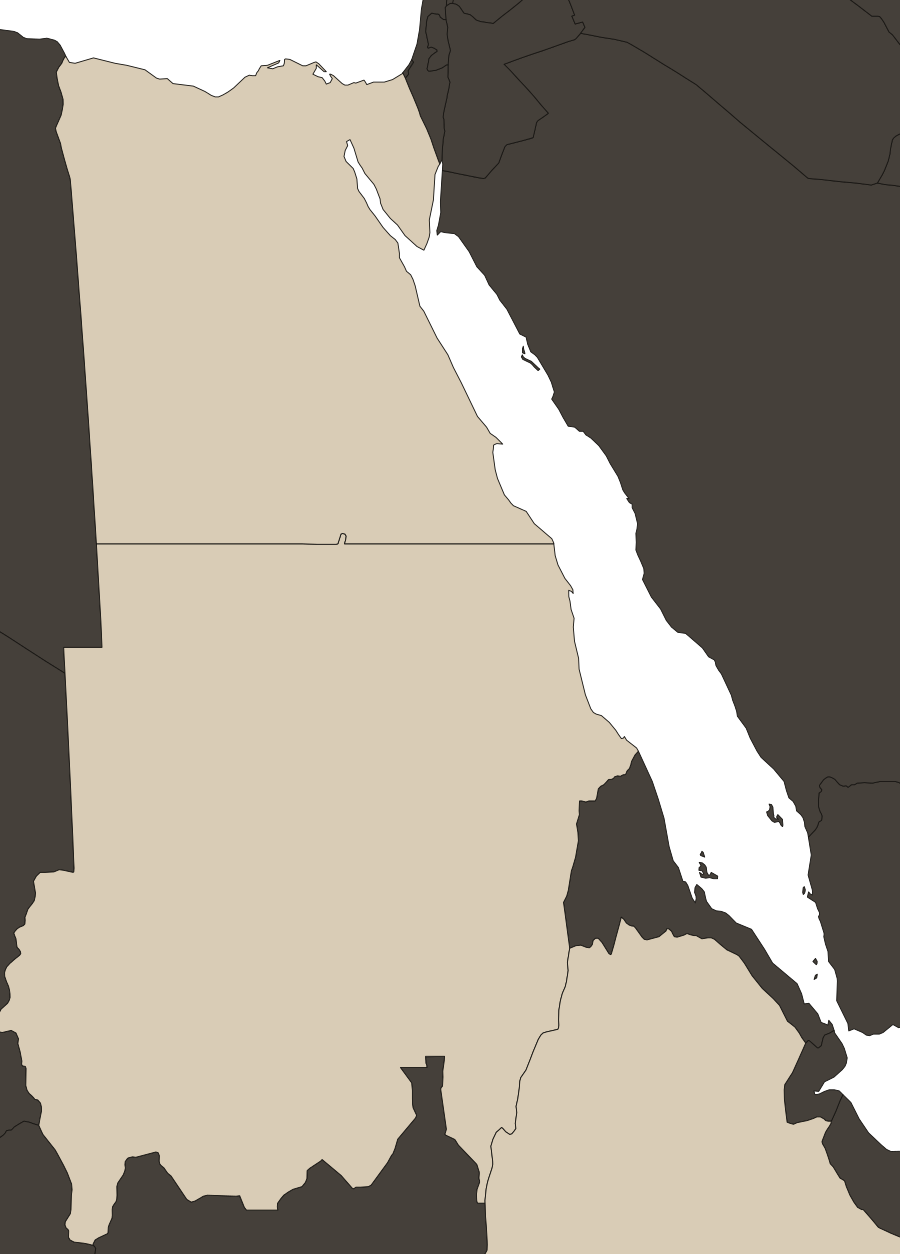
- Grand Ethiopian Renaissance DamEthiopiaAfrica's largest hydropower plant, 5,150 MW, inaugurated on September 9, 2025. Its reservoir holds up to 74 billion cubic meters.
- Roseires DamSudan's main dam on the Blue Nile, about 100 km downstream from the GERD. Sudan says it needs data on the GERD's releases to run it safely.
- KhartoumSudan's capital, where the Blue Nile and the White Nile meet. The Blue Nile brings most of the water that reaches Egypt.
- Aswan High DamEgyptEgypt's dam on the Nile, completed in 1970. Lake Nasser, behind it, holds Egypt's water reserve and loses 10 to 16 billion cubic meters a year to evaporation.
- CairoEgyptEgypt's capital. More than 20 million people live in Greater Cairo, and the Nile Delta fans out to the north.
Why are Egypt and Ethiopia fighting over the Nile?
About 85% of the Nile's water comes from the Ethiopian highlands, through the Blue Nile, the Atbara and the Sobat. Egypt, at the end of the river, uses more of it than any other country. In a 1959 treaty, Egypt and Sudan divided the river's average yearly flow between themselves: 55.5 billion cubic meters for Egypt and 18.5 billion for Sudan. Ethiopia was not a party, and it has never recognized the treaty.
Ethiopia laid the dam's foundation stone on April 2, 2011, two months after protests forced Egypt's President Hosni Mubarak from power. The World Bank and Western lenders did not fund it. Ethiopia raised most of the roughly $5 billion cost at home, through the state budget, bonds sold to citizens and payroll contributions. More than 40% of Ethiopians had no electricity in 2024, by World Bank figures.
Egypt calls its Nile share a "historical and legal right." It wants a binding agreement on how much water the dam must release in droughts. Ethiopia calls the treaties of the colonial era unfair. It says a binding deal would limit its right to use a river that rises on its land. That gap has not closed in more than a decade of talks.
How the dispute unfolded
- 1929Egypt and Britain, which ruled Sudan and East Africa, sign a Nile treaty. It gives Egypt a veto over upstream works in those colonies.
- 1959Egypt and Sudan divide the Nile's average flow between themselves. Ethiopia is not a party.
- 2010Upstream states sign the Cooperative Framework Agreement (CFA). Egypt and Sudan reject it.
- Apr 2011Ethiopia lays the foundation stone of the GERD.
- Mar 2015Egypt, Ethiopia and Sudan sign a Declaration of Principles in Khartoum.
- 2020US-hosted talks end without a deal. Ethiopia starts filling the reservoir in July.
- Dec 2023Egypt declares the last round of talks over.
- Oct 2024The CFA enters into force. Egypt and Sudan still reject it.
- Sep 2025Ethiopia inaugurates the GERD. Egypt blames its releases for floods in Sudan and Egypt.
- Oct 2026Egypt, Eritrea, Somalia and Sudan sign the El Alamein Declaration. Egypt and Ethiopia expel each other's diplomats.
How does the dam affect Egypt and Sudan?
A hydropower dam does not use up the water that passes through its turbines. It takes water from the river while its reservoir fills, and it loses some to evaporation. Ethiopia filled the GERD's reservoir in stages each rainy season from 2020. In January 2026 Egypt's water minister, Hani Sewilam, said that recycling and saving water had spared Egypt some of the damage. He said Ethiopia should compensate Egypt for its losses. The GERD's reservoir loses about 1.5 billion cubic meters a year to evaporation, by one estimate. Lake Nasser, behind Egypt's Aswan High Dam, loses 10 to 16 billion.
Egypt's main fear is a long drought. Ethiopia could then hold water back to keep its turbines running, and no agreement says how much it must release. Ethiopia says the dam does not harm downstream countries and that it evens out the river's flow, which reduces floods in Sudan.
In late September 2025, weeks after the inauguration, floods hit Sudan and farmland along the Nile in Egypt. Egypt's water ministry said the dam had released water abruptly. It called the releases "reckless" and the flood "man-made." Ethiopia said the dam had reduced the floods. Sudan's irrigation ministry named several causes: the GERD's releases, climate change and a late rainy season. In July 2026 Sudanese officials said the GERD's releases had dropped to 150 to 180 million cubic meters a day, lowering the river at Khartoum's water intakes.
Nile water shares under the 1959 treaty
- Egypt55.5 bn m³
- Sudan18.5 bn m³
Why have the Nile dam talks failed?
Every round has stalled on the same two questions: how much water the dam must release in a drought, and whether the rules are binding. Egypt and Sudan want a legally binding agreement with a way to settle disputes. Ethiopia has offered guidelines that it can revise. It says a binding deal would cap its future use of the river.
In March 2015 the three countries signed a Declaration of Principles in Khartoum. The United States and the World Bank hosted talks in 2019 and 2020. Ethiopia skipped the final round in February 2020, saying it needed more time to consult at home. Egypt initialed the US draft alone. The African Union led talks in 2020 and 2021 without a deal. Egypt and Sudan took the dispute to the UN Security Council in July 2021, and in September the council sent it back to the African Union. In July 2023 Sisi and Abiy agreed to reach a deal within four months. Egypt declared those talks over in December 2023.
In January 2026 President Trump offered to restart US mediation. Egypt and Sudan welcomed the offer. Ethiopia has not taken it up and prefers talks under the African Union. At the G7 summit in France on June 17, 2026, Trump told Sisi that the Nile was "getting a little emptier than it should be." In March 2026 Ethiopia announced plans for three more dams on the Blue Nile. Egypt says it will not recognize new dams on the Nile without a prior legal agreement.
On October 6, 2026 President Sisi called Egypt's water share "an enshrined historical and legal right that cannot be reduced or touched." On October 26 Ethiopia's water ministry called for "hydro-diplomacy" on shared rivers.
Upstream, six states have ratified the Cooperative Framework Agreement (CFA): Ethiopia, Uganda, Tanzania, Rwanda, Burundi and South Sudan. It entered into force on October 13, 2024. It shares the river by "equitable and reasonable" use and sets up a Nile River Basin Commission. Egypt and Sudan reject it, saying it ignores their existing shares.
Last talks
Dec 2023
Egypt declared the talks over
Egypt, Ethiopia and Sudan have held no formal talks on the dam since. US, African Union and direct talks all ended without a deal.
Could Egypt and Ethiopia go to war over the Nile?
Egypt spent $2.5 billion on its military in 2025, SIPRI estimates, and Ethiopia spent $924 million. Ethiopia has more soldiers: 503,000 active troops, the most in Africa, against Egypt's 438,500, by IISS counts. Egypt flies French Rafale jets. On October 28, 2026 Prime Minister Abiy said Ethiopia had received its first Su-35 fighter jets from Russia.
The dam stands about 1,200 km from Egypt's border and 14 km from Sudan's. Analysts say a strike that broke the dam could flood Sudan, Egypt's partner. In June 2013 President Mohamed Morsi said "all options are open." In March 2021 President Sisi called Egypt's share of the water "a red line" and warned of "unimaginable instability" in the region, while saying he was not making a threat. In October 2020 President Trump said Egypt might "blow up that dam," and Ethiopia summoned the US ambassador over the remark.
Egypt has built ties with Ethiopia's neighbors. It signed a defense pact with Somalia in August 2024 and held a summit with Eritrea and Somalia in Asmara in October 2024. On October 4, 2026 the leaders of Egypt, Eritrea, Somalia and Sudan signed the El Alamein Declaration. It rejects unilateral steps that harm Egypt's and Sudan's use of the Nile, and any recognition of Somaliland, where Ethiopia signed a deal for sea access in January 2024. Ethiopia's foreign ministry answered with a statement restating its claim to the Blue Nile and to access to the Red Sea. Ethiopia's army chief accuses Egypt, Eritrea and Sudan of backing the armed groups fighting Ethiopia's government, and all three deny it. On October 1, 2026 Ethiopia expelled an Egyptian diplomat, and Egypt expelled an Ethiopian diplomat the next day.
Military spending, 2025
- Egypt$2.5 bn
- Ethiopia$924 m
Questions about the Nile dam dispute
Does the Nile dam reduce Egypt's water?
A hydropower dam does not use up the water that passes through its turbines. The GERD held water back while its reservoir filled in stages from 2020. Egypt's water minister says Egypt suffered losses and wants compensation. Ethiopia says the dam does not harm Egypt. Egypt's main fear is a long drought, when no agreement says how much water Ethiopia must release.
Is there an agreement on the Nile dam?
No. Egypt, Ethiopia and Sudan signed a Declaration of Principles in 2015 but have no deal on how to run the dam. US-hosted talks in 2019 and 2020, African Union talks in 2020 and 2021 and direct talks in 2023 all ended without one. Egypt declared the last round over in December 2023.
How big is the GERD?
The Grand Ethiopian Renaissance Dam is 145 meters high and 1.8 km long. Its 13 turbines can produce 5,150 megawatts, which makes it Africa's largest hydropower plant. Its reservoir holds up to 74 billion cubic meters. Ethiopia inaugurated it on September 9, 2025.
Where does Sudan stand on the Nile dam?
Sudan backed the dam under President Omar al-Bashir, who was removed in 2019, because it promised cheap power and fewer floods. Since then Sudan has sided with Egypt in asking for a binding deal and for data on releases to run its own dams. Sudan blamed the GERD's releases, among other causes, for its floods in 2025. Its army leader, Abdel Fattah al-Burhan, signed the El Alamein Declaration with Egypt in October 2026.
Could Egypt bomb the Nile dam?
No Egyptian leader has ordered a strike. The dam stands about 1,200 km from Egypt's border, and analysts say breaking it could flood Sudan, Egypt's partner. President Sisi says Egypt will defend its Nile water by all means allowed under international law. Egypt has built ties with Eritrea, Somalia and Sudan instead.
More on the Nile dam dispute
 Country profileEgypt: allies, enemies and economy
 Country profileEthiopia: allies, enemies and economy
 Country profileSudan: allies, enemies and economy
 Civil warEthiopia's Tigray war
 Civil warSudan's civil war
- ArticleWhy Egypt and Ethiopia are fighting over the Nile
 ArticleWhy did early civilizations begin near rivers?