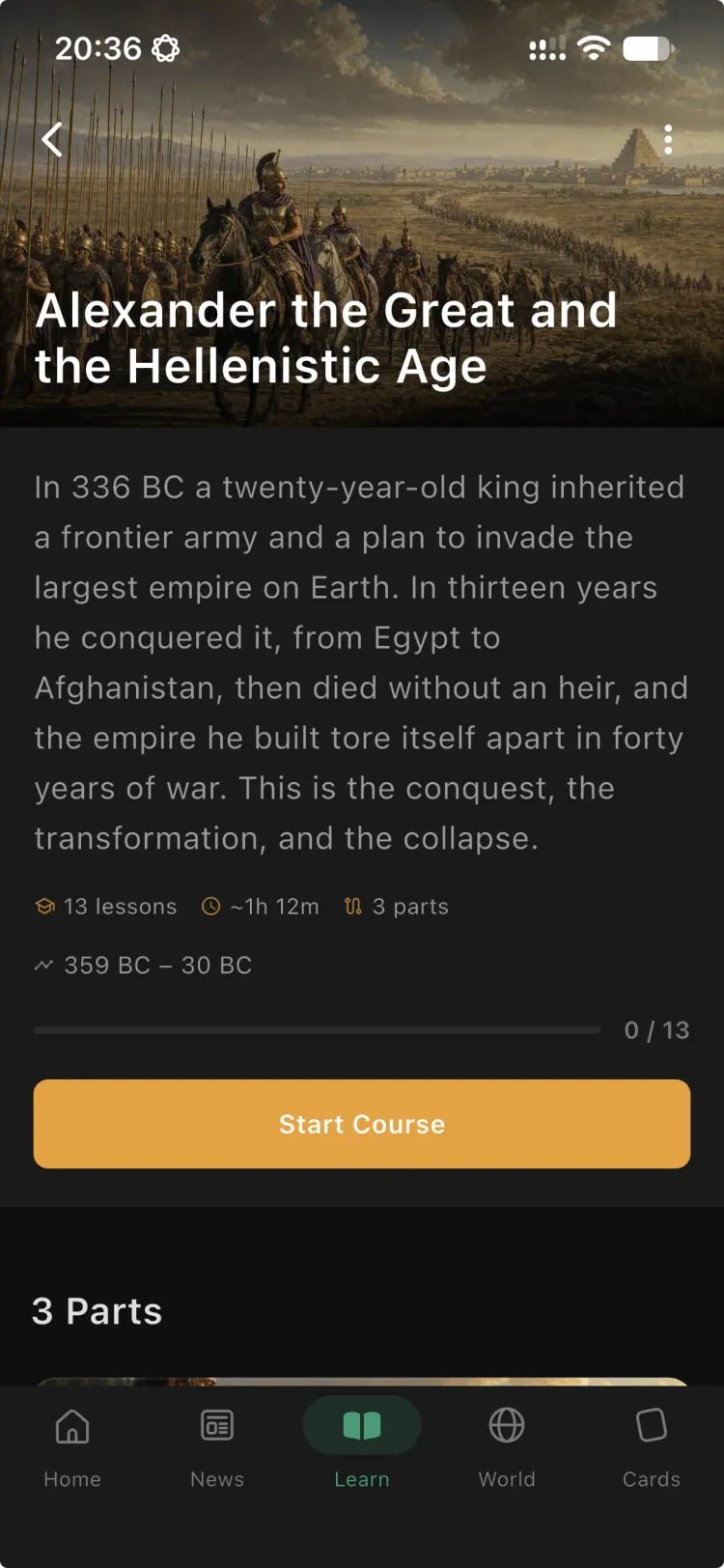
Alexander the Great and the Hellenistic Age
In 336 BC, twenty-year-old Alexander inherited the army of his father, Philip II of Macedon, and a plan to invade Persia. He conquered the Persian Empire. After his death, his generals murdered his family and divided his empire into kingdoms that lasted for centuries.
359 to 30 BC · 3 parts · 13 lessons · about 70 minutes
Free for 7 days, cancel anytime. iPhone and Android.
Questions this course answers
- How did Philip II build the strongest army in the ancient world from the edge of Greece?
- How did Alexander secure the Macedonian throne at the age of twenty?
- How did Alexander destroy the Persian navy without fighting a single battle at sea?
- How did Alexander make himself Great King of Persia?
- Why did Alexander's generals kill every member of his family who could claim the throne?
- Which three kingdoms divided Alexander's empire, and how long did they last?
Three parts, 13 lessons
 Part 1 · 359 to 334 BC
Father and Son
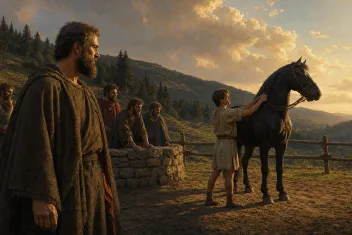
Philip II built a professional army, conquered Greece, and planned the invasion of Persia. His murder left his son Alexander, aged twenty, to secure the throne by force.
-
1
5 min
Macedon and the Greek World
By 359 BC the Greek city-states had spent a century at war. That year Philip II took the throne of Macedon, a kingdom most Greeks barely considered Greek.
-
2
5 min
Philip's Army
Philip II inherited a shattered kingdom in 359 BC and spent twenty years building the army that his son Alexander later used to conquer Persia.
-
3
6 min
Alexander Takes the Throne
A bodyguard murdered Philip II at his daughter's wedding. Alexander, twenty years old, secured the throne through a purge and the destruction of Thebes.
 Part 2 · 334 to 330 BC
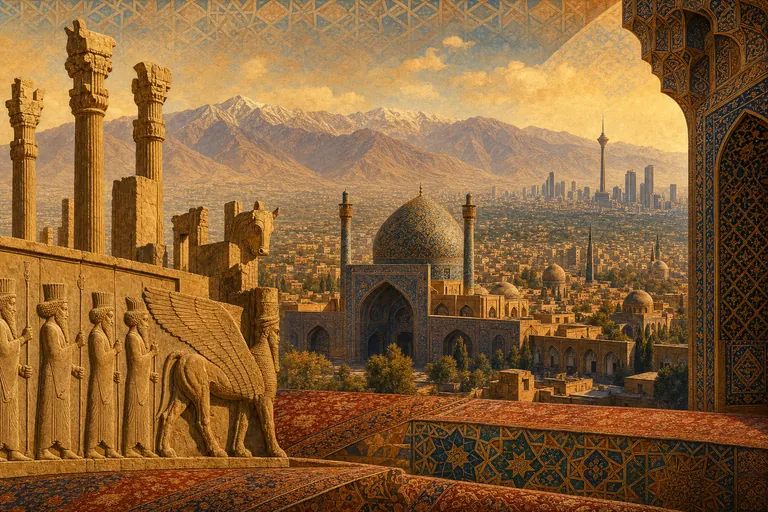
The Conquest of Persia
Alexander crossed into Asia with 37,000 soldiers and almost no money. In three battles he broke the Persian Empire, took its capitals, and made himself Great King.
-
4
6 min
Granicus and Issus
Within eighteen months of crossing into Asia, Alexander had destroyed two Persian armies and held everything from the Aegean to the Syrian coast.
-
5
5 min
Tyre and Egypt
Alexander besieged Tyre for seven months, conquered Egypt without a fight, and destroyed the Persian navy without a battle at sea.
-
6
5 min
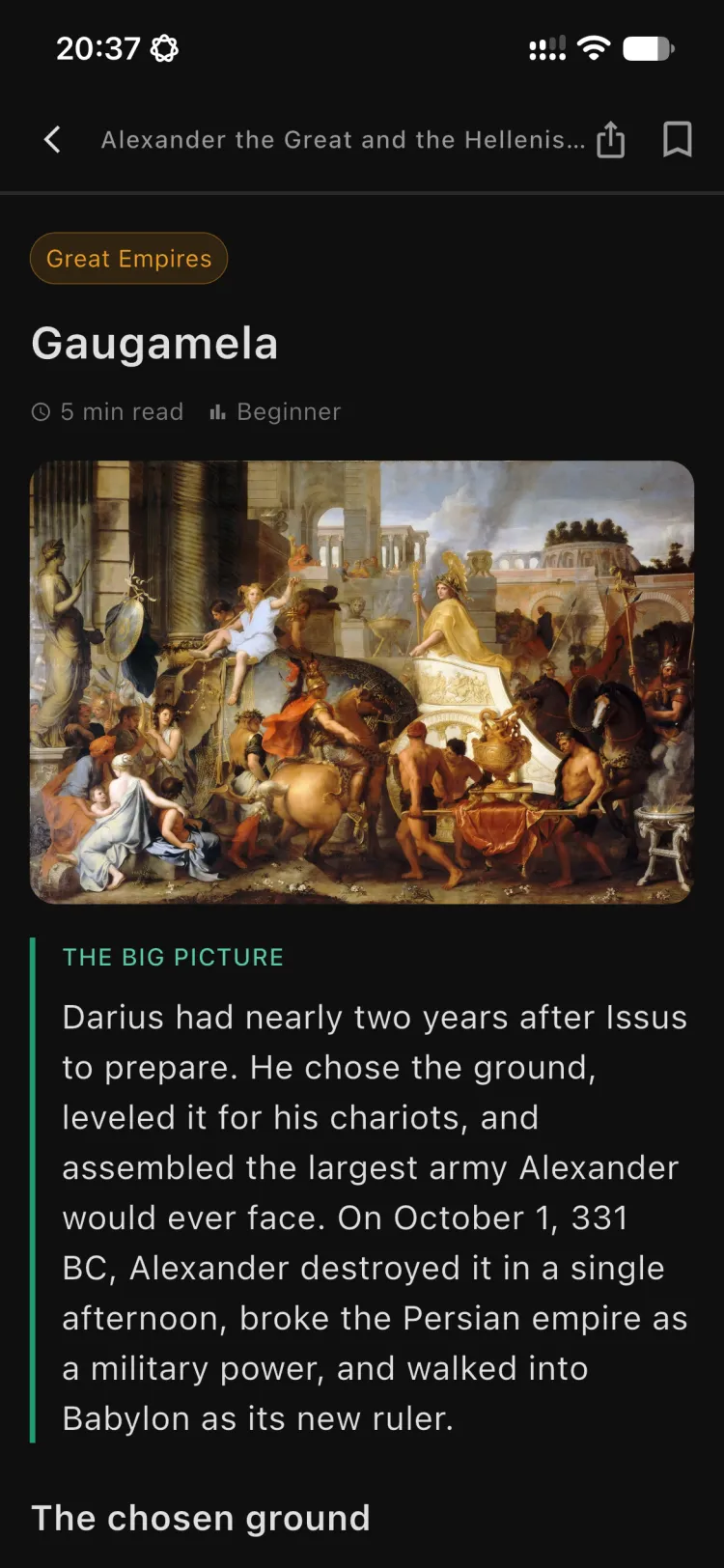
Gaugamela
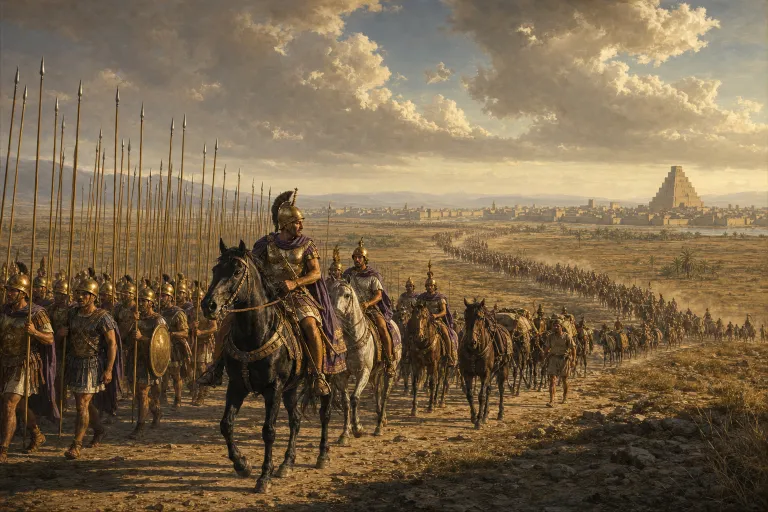
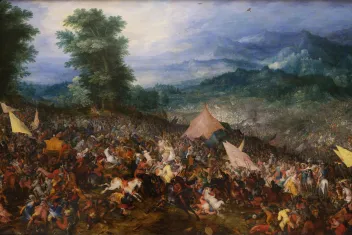
Darius chose the ground and assembled the largest army Alexander would ever face. On October 1, 331 BC, Alexander destroyed it in a single afternoon.
-
7
6 min
The Great King
Alexander burned the palaces at Persepolis and claimed the Persian throne after Darius was murdered. He killed the most powerful men in his army to keep it.
 Part 3 · 329 to 30 BC
Empire Without an Emperor
Alexander died at thirty-two with no adult heir. His generals murdered his family, divided his empire, and built three kingdoms that lasted until Rome conquered them.
-
8
6 min
Alexander's Afghan War
Alexander took three years to conquer the Persian Empire and nearly two more to end a guerrilla war in its northeastern provinces, in modern Afghanistan.
-
9
6 min
India and the Mutiny
In 326 BC, beside a flooded river in Punjab, Alexander won the hardest battle of his career. After that, his soldiers refused to go any further.
-
10
6 min
Babylon, 323 BC
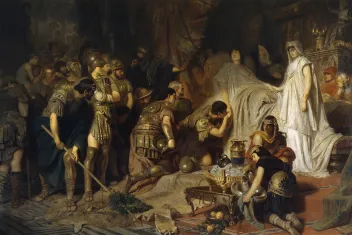
In June 323 BC, Alexander died in Babylon at thirty-two, leaving the largest empire on Earth, a pregnant wife, a half-brother unfit to rule, and no plan.
-
11
6 min
The Murder of Alexander's Family
Alexander left behind a mother, a wife, a sister, a half-brother, and an unborn son. Within fifteen years, Alexander's generals had killed every one of them.
-
12
5 min
The Battle of Ipsus
Antigonus the One-Eyed tried to reunite Alexander's empire. At Ipsus in 301 BC, the other kings stopped him. The empire would never be whole again.
-
13
5 min
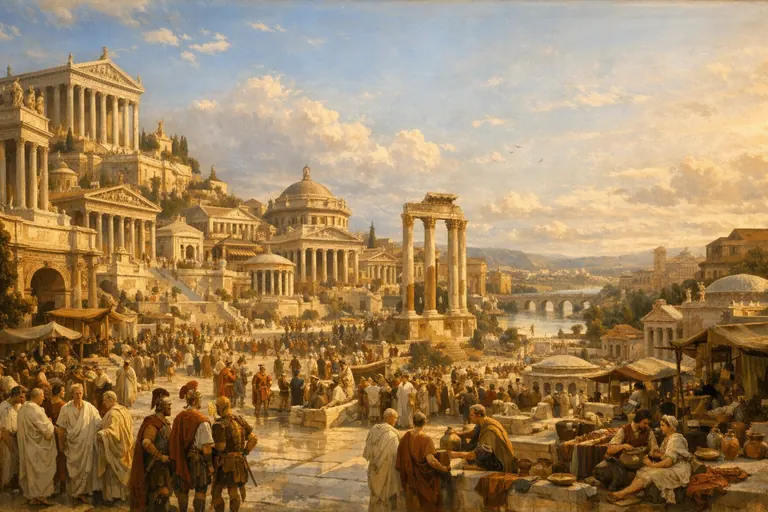
The Hellenistic Kingdoms
After Ipsus, Alexander's empire settled into three Greek-ruled kingdoms in Egypt, Asia, and Macedon. Rome conquered the last, Ptolemaic Egypt, in 30 BC.
Lessons you can finish in one sitting.
Each lesson tells one part of the story and explains why it happened, with maps, images and quotes from the sources. A few questions at the end check that it stuck, and the key facts go into the course's flashcards.
- 5 to 6 minutes a lesson
- Three to four questions after each lesson
- 91 flashcards for this course